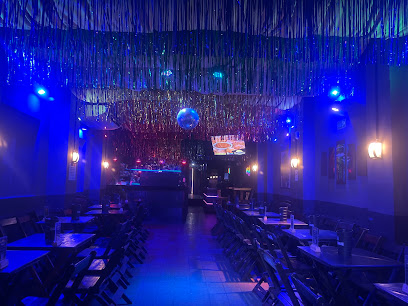
Salvador holds a unique place in Brazil's LGBTQ+ history as a city where queer culture has flourished within the broader tapestry of Afro-Brazilian and artistic traditions. The city was founded in 1549 and served as Brazil's first capital, making it historically significant. Over decades, Salvador developed a reputation as a cultural capital with strong music, dance, and artistic scenes that naturally attracted LGBTQ+ communities. Unlike some Brazilian cities where gay life was historically compartmentalized, Salvador's queer culture became woven into the fabric of Carnival, street festivals, and daily neighborhood life, particularly in the historic center.
The contemporary LGBTQ+ scene is vibrant but more integrated and less concentrated than in São Paulo or Rio de Janeiro. While there are specific gay venues and neighborhoods, acceptance and visibility are generally high throughout central areas, especially in tourist and artistic zones. Local LGBTQ+ organizations and cultural groups remain active in advocacy, health services, and community events.
Neighborhoods and Gay Areas
Pelourinho (also called Cidade Histórica) is the historic heart of Salvador and the primary hub for gay visitors. This UNESCO World Heritage Site features cobblestone streets, colorful colonial buildings, street performers, and numerous bars and restaurants. Many gay-friendly establishments are concentrated here, and the area has a genuine neighborhood feel rather than a dedicated red-light district. The Pelourinho is safe and well-populated during daytime and early evenings, though visitors should exercise normal urban caution at night and avoid empty streets.
Barra, a beach neighborhood to the south, has gay-friendly bars and a relaxed beach culture. The waterfront promenade and nearby restaurants attract both locals and tourists. Rio Vermelho, further east, is known for its bohemian vibe, art galleries, and LGBTQ+-friendly establishments. This neighborhood offers a more residential feel with good restaurants and bars.
Campo Grande is a central commercial area with hotels, restaurants, and some gay venues. It serves as a transit hub and accommodation base for many travelers.
Key Venues and Nightlife
Venue information in Salvador changes seasonally and occasionally, so travelers are advised to check current local resources before arrival. Historically, the Pelourinho has hosted multiple gay bars and clubs, with names and popularity shifting year to year. Some venues operate primarily on weekends or during peak tourist seasons.
The beach areas of Barra and Rio Vermelho host casual gay-friendly bars with ocean views, popular for sunset drinks and relaxed socializing. These tend to be more stable than nightclubs in terms of longevity.
For current venue recommendations, travelers should consult recent travel blogs, local LGBTQ+ social media groups, or contact hotels upon arrival, as the scene evolves.
Salvador Pride (Parada LGBTT) typically occurs in August and is one of Brazil's major Pride celebrations. The parade route generally moves through central neighborhoods with thousands of participants and spectators. The event includes street parties, performances, and cultural programming across multiple days. Accommodation fills quickly during Pride, so booking months in advance is essential.
Carnival (February/March) is Salvador's signature event and attracts over two million visitors. While not exclusively LGBTQ+, the Carnival atmosphere is notoriously queer-friendly, with elaborate costumes, gender-bending performances, and a general ethos of celebration and freedom. Many LGBTQ+ travelers coordinate group trips during Carnival. Accommodation and tickets sell out far in advance.
Smaller events and themed parties occur throughout the year at various venues. Local tourism websites and LGBTQ+ organizations can provide updated event calendars.
Where to Stay
The Pelourinho offers charming pousadas (small hotels) and boutique accommodations within the historic district, placing visitors in the heart of the action. Options range from budget-friendly hostels to mid-range guesthouses. Staying in Pelourinho provides walkable access to restaurants, bars, and sights, though some streets can be steep and cobbled.
Barra and Rio Vermelho offer beachfront hotels and pousadas with more resort-style amenities. These neighborhoods are safe, walkable, and have good restaurant scenes, though they're slightly removed from the city center.
Campo Grande has business hotels and mid-range chains, useful as a base if seeking more standard accommodations.
Salvador is generally welcoming to LGBTQ+ tourists in central, well-populated areas. Pelourinho, Barra, and Rio Vermelho are tourist-focused and safe for visitors during reasonable hours. However, Salvador is a major city with standard urban crime concerns. Visitors should avoid displaying expensive jewelry or electronics, not travel alone very late at night in unfamiliar areas, and use registered taxis or ride-sharing apps rather than hailing cabs on the street.
Petty theft and bag-snatching do occur, particularly in crowded areas or during events like Carnival. Keep valuables secure and be aware of surroundings.
Public displays of affection between same-sex couples are generally accepted in tourist and central neighborhoods without incident. However, as in all of Brazil, discretion may be warranted in very poor or remote areas, though most travelers won't encounter these.
Health services in Salvador are adequate for basic needs. Travel insurance is recommended. Pharmacies are readily available throughout the city.
Getting Around
Salvador has a public bus system that is extensive but can be confusing for visitors. Buses are cheap but often crowded and may not have posted schedules. Ride-sharing apps like Uber and99 (a Brazilian app) are widely available and recommended for visitors, offering safety and clarity on pricing.
Taxis can be hailed at hotels or tourist areas. Ensure the meter is running or agree on a fare beforehand.
The historic Pelourinho is best explored on foot, though the cobblestone streets and hills can be strenuous. Comfortable walking shoes are essential.
From the international airport (Deputado Luís Eduardo Magalhães International Airport), ride-sharing or pre-arranged airport transfers are safest. The airport is about 30 km from the city center.
Food and Dining
Bahian cuisine is a major draw in Salvador, known for rich, flavorful dishes often incorporating coconut milk, dendê oil (palm oil), seafood, and African spices. Must-try dishes include acarajé (fried black-eyed pea fritters), moqueca (seafood stew), and pão de queijo (cheese bread).
The Pelourinho has numerous restaurants ranging from casual street food to sit-down dining. Barra and Rio Vermelho also have excellent restaurant scenes, many with ocean views. Prices are moderate by international standards, very affordable for North American and European travelers.
Gay-friendly restaurants are integrated throughout these neighborhoods rather than forming a separate dining district. Hotel staff and local guides can recommend options aligned with visitors' preferences.
Day Trips and Activities
Salvador's beaches are among its biggest attractions. Praia do Farol and other nearby beaches offer swimming, sunbathing, and beach bars. Some are accessible by bus; others require organized trips or private transport.
The Bahia state tourism board organizes boat tours to nearby islands and beaches. These typically depart from the port and can be booked through hotels or tour operators.
The city's museums and cultural sites include the Museu Afro-Brasileiro (Afro-Brazilian Museum) and various galleries exploring local art, history, and spirituality.
Capoeira performances and classes are available throughout the city. Travelers can watch performances or take beginner lessons with local instructors.
The spirituality of Candomblé is central to Bahian culture. Some practitioners offer respectful tours or cultural experiences, though visitors should approach with genuine interest and respect.
The nearby Recôncavo region offers colonial towns, plantations, and rural cultural experiences, accessible via day trips.
Practical Information
Language: Portuguese. English is spoken in tourist areas and hotels but less common than in Rio or São Paulo. Learning basic Portuguese phrases is helpful and appreciated.
Currency: Brazilian Real (R$). ATMs are abundant in central areas. Credit cards are accepted in most restaurants and shops.
Climate
Climate: Salvador has a tropical climate. It is warm year-round, with a rainy season from April to August. Humidity is high. Light, breathable clothing, sunscreen, and a rain jacket or umbrella are essential.
Visa: Citizens of many countries can enter Brazil visa-free for tourism. Check current requirements based on nationality well before travel.
When to Visit
Best Times to Visit: August for Pride, February/March for Carnival (book very early), or other months for fewer crowds and lower prices. The wet season (April-August) has more rain but fewer tourists.
Frequently asked questions
Pelourinho (Cidade Histórica) is the primary hub for gay visitors, featuring many gay-friendly establishments. Barra, a beach neighborhood, has gay-friendly bars. Rio Vermelho is known for its bohemian vibe and LGBTQ+-friendly establishments. Campo Grande is a central commercial area with some gay venues.
Acceptance and visibility are generally high throughout central areas, especially in tourist and artistic zones. In Pelourinho, the area is safe and well-populated during daytime and early evenings, but normal urban caution is advised at night.
Historically, the Pelourinho has hosted multiple gay bars and clubs. Venue information can change seasonally, so checking current local resources before arrival is advised.
Salvador's contemporary LGBTQ+ scene is vibrant but more integrated and less concentrated than in São Paulo or Rio de Janeiro. While there are specific gay venues, acceptance is generally high throughout central areas.
The provided guide does not mention specific dates for Pride events in Salvador.
The guide does not mention specific LGBTQ+ hotels, but Campo Grande is noted as a base for many travelers with hotels, restaurants, and some gay venues.
Your privacy choices.
We use cookies to run GayOut and, with your consent, measure usage. Learn more
Your privacy choices
We use cookies to keep GayOut running, remember your preferences, and (with your permission) measure how the site is used. You can accept all, reject all, or pick what you allow. Learn more
Essential
Required for sign-in, fraud prevention, CSRF protection and remembering your language. Cannot be disabled.
Always on
Remembers your favourites, dark mode and other interface preferences across visits.
Helps us understand which pages people visit (Google Analytics, server-side stats) so we can improve.
Used by campaign tracking pixels. None are active right now, reserved for future use.
Install GayOut
Add GayOut to your home screen for faster access, offline favourites, and Pride alerts.


 Gay Bars & Clubs