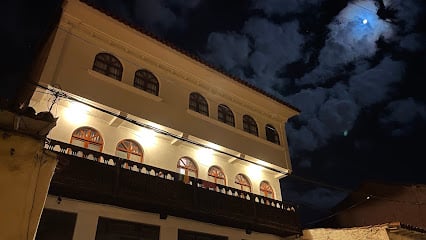
n the heights of the Peruvian Andes lies the famous inca city of Cusco. With an excellent location, Casa Cartagena Boutique Hotel & Spa Cusco emerges after years of restoration, preserving the…
This property is 2 minutes walk from the beach. Showcasing a year-round outdoor pool and playground, Hotel Servigroup Torre Dorada is located in Benidorm. Guests can enjoy the on-site bar.
Located in the Cusco City Centre neighborhood in Cuzco, 501 m from Cathedral of Cuzco, Antigua Casona San Blas features a terrace and views of the garden. Guests can enjoy the on-site bar.
Cusco, Peru's ancient Andean capital and gateway to Machu Picchu, presents a unique LGBTQ+ travel experience quite different from Lima's more developed scene. Sitting at 11,026 feet above sea level, Cusco is a city where history, tourism, and local culture intersect, and where LGBTQ+ travelers will find genuine hospitality rather than extensive gay infrastructure.
History and Context
Peru has made significant progress on LGBTQ+ rights in recent decades. Same-sex civil unions became legally recognized in 2023, following years of advocacy. While Lima has a more visible and organized LGBTQ+ movement, Cusco's scene is smaller and more informal, reflecting both the city's smaller population and its tourism-driven economy. The city's international character—with constant flows of backpackers and travelers—creates a naturally cosmopolitan environment where LGBTQ+ identities are generally accepted, though local attitudes vary.
Neighborhoods and Geography
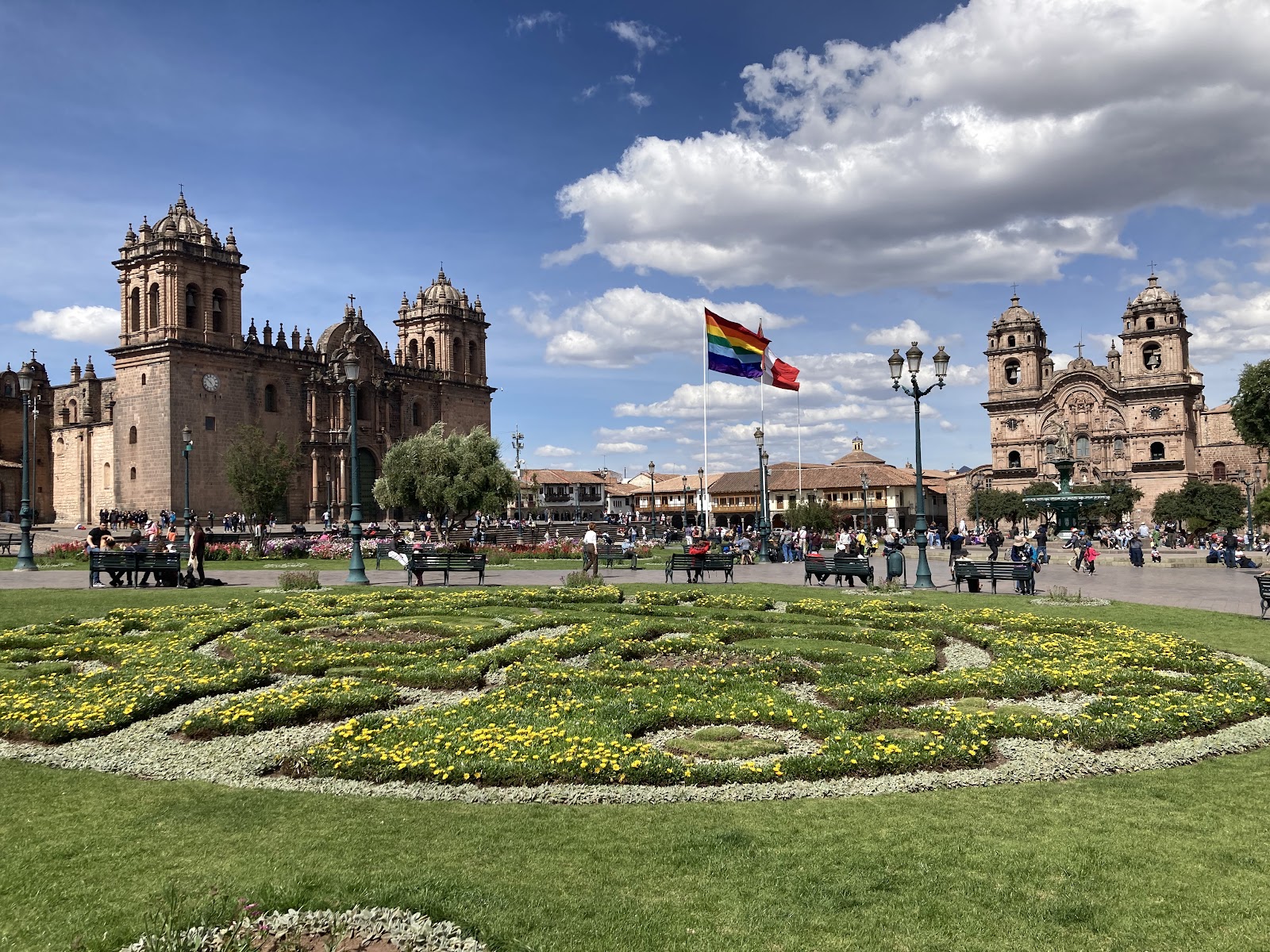
Cusco's city center is remarkably compact. The Plaza de Armas, surrounded by colonial arcades and the impressive Cathedral, serves as the heart of the city and the informal gathering point for both tourists and locals. Streets radiating from the plaza—including Calle Loreto, Calle Plateros, and Calle Procuradores—contain most tourist-friendly restaurants, bars, and cafés. This central area is where LGBTQ+ socializing naturally occurs, as it's where backpackers, tour operators, and locals congregate.
The San Cristóbal neighborhood, perched on a hill overlooking the city and marked by the large white Cristo Blanco statue, offers a quieter residential atmosphere. Many guesthouses and mid-range hotels are located here and in the adjacent neighborhoods climbing toward the hills.
The area around the train station (lower part of the city) is less tourist-oriented and not recommended for solo nighttime exploration, though the station itself is busy and safe during day hours.
Venues and Social Spaces
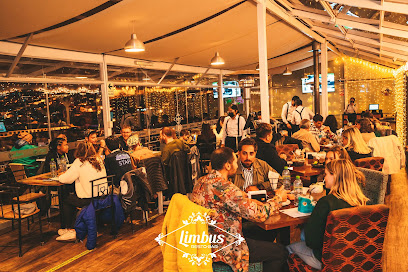
Unlike Lima, which has dedicated gay bars and clubs, Cusco's LGBTQ+ social scene happens in mixed venues that welcome all clientele. The city's main nightlife centers on bars and clubs in the Plaza de Armas area and nearby streets. Bars like those along Calle Plateros and Calle Procuradores attract mixed crowds of tourists and locals, and LGBTQ+ visitors will find welcoming spaces without specifically seeking out "gay" venues. Many hostels also host social events and have strong LGBTQ+ participation among staff and guests.
The hostel scene in Cusco is particularly important for solo LGBTQ+ travelers. Backpacker-oriented accommodations, particularly those in the central area, often provide social events like pub crawls, cooking classes, and group dinners that facilitate connections.
While saunas exist in Cusco, they are not specifically marketed as gay spaces and information about them is limited. Dating apps (Grindr, Jack'd) have active user bases in Cusco, and many travelers use these to meet locals and other visitors.
Pride and Events
Cusco does not have a Pride event comparable to Lima's large celebrations. However, Peru's national Pride celebration (Día del Orgullo LGBT) occurs on June 28th, and commemorative activities sometimes occur in Cusco's main plaza, though these are typically smaller gatherings. The community tends to organize dinners, small parties, and gatherings rather than large public demonstrations.
Where to Stay
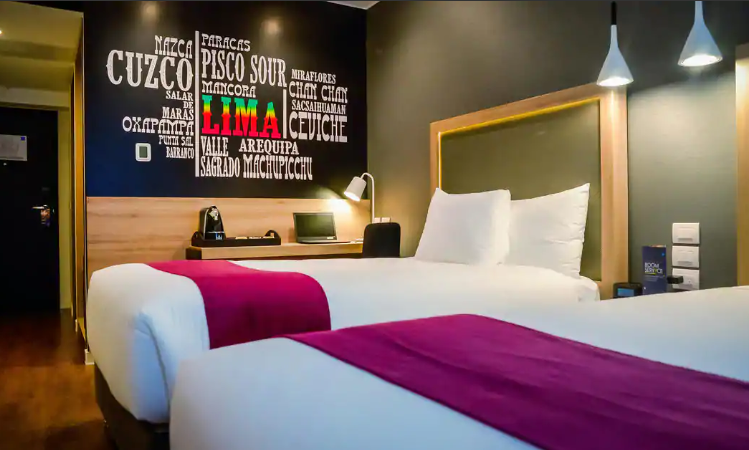
The best accommodations for LGBTQ+ travelers are in the central city, within walking distance of Plaza de Armas. Budget options include hostels like Wild Rover, Selina, and other backpacker-oriented properties that offer private rooms and dormitories. These venues often have social atmospheres and LGBTQ+-friendly staff.
Mid-range and upscale hotels throughout the central area are uniformly welcoming. Properties with good reputations for LGBTQ+ hospitality include those managed by international hotel groups and locally-owned boutique hotels that cater to international travelers.
Accommodations in the San Cristóbal neighborhood offer quieter settings with views, though they require more effort to reach restaurants and nightlife.
Cusco is generally safe for LGBTQ+ travelers, particularly in the heavily touristed central areas. Public displays of affection between same-sex couples attract some attention but are not typically met with hostility in tourist zones. However, outside tourist areas and especially late at night, discretion is advisable as attitudes are more conservative among some segments of the population.
Pickpocketing and petty theft are more common concerns in Cusco than anti-LGBTQ+ incidents. Travelers should exercise standard urban precautions: avoid wearing expensive jewelry, keep valuables secure, and avoid walking alone in non-touristy areas after dark.
The rainy season (November-March) can make some areas muddy and slippery; sturdy shoes are essential regardless of the season.
Transit and Getting Around
Cusco's city center is easily navigable on foot. The central area around Plaza de Armas is pedestrian-friendly and relatively compact. Taxis are abundant and inexpensive; ride-sharing apps like Uber and Didi operate in Cusco. Using official taxi stands or calling radio taxis is slightly safer than flagging unmarked taxis, though the latter is common and generally fine.
Cusco has a bus system for longer distances, but most LGBTQ+ travelers won't need public transit for social activities. Buses to Machu Picchu, the Sacred Valley, and other attractions depart from central locations and are booked through tour operators.
The airport (Alejandro Velasco Astete International) is about 2 miles from the city center. Shuttle services, taxis, and ride-sharing are available for airport transfers.
Food and Dining
Cusco's restaurant scene is excellent and increasingly diverse. While traditional Peruvian cuisine dominates, the city offers international options. Streets like Calle Plateros and Calle Procuradores are packed with restaurants ranging from casual to upscale. Many have outdoor seating on plazas, creating pleasant social atmospheres.
Cevicherías (ceviche restaurants) are distinctly Peruvian and popular. Local specialties include cuy (guinea pig), which visitors may want to try or skip depending on preference. Vegetarian and vegan options are increasingly available in tourist-friendly restaurants.
Cafés are abundant and inexpensive, making them ideal for daytime socializing. Coffee quality has improved significantly in recent years as specialty coffee culture has arrived in Cusco.
During acclimatization to altitude, eating light meals and staying hydrated is important; many restaurants understand this and offer appropriate options.
Day Trips and Activities
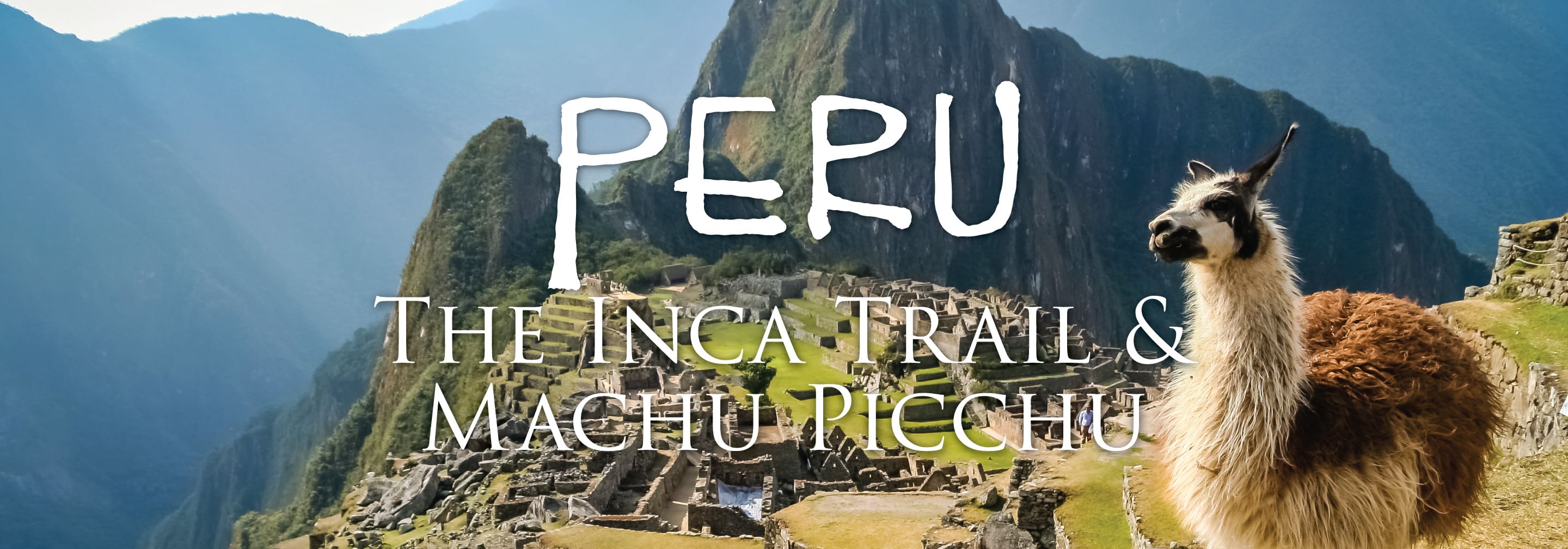
Machu Picchu is the primary reason most people visit Cusco. The site is approximately 50 miles away; standard visits involve taking a train to Aguas Calientes and then hiking or taking a bus to the archaeological site. This can be done as a full day or overnight trip. Most visitors book tours through agencies in Cusco's central area.
The Sacred Valley, about 30 miles north, contains several Incan sites and traditional markets. Day tours are widely available and reasonably priced.
Other attractions include Sacsayhuamán (large stone fortress above the city, reachable by taxi or on foot), the Incan temples within the city itself, and various museums focusing on Peruvian history.
These activities are inclusive of LGBTQ+ travelers; group tours are standard and diverse.
Practical Tips
Altitude sickness (soroche) affects many visitors. Spending the first day resting, drinking coca tea, and moving slowly helps acclimatization. Consulting a doctor before travel and bringing appropriate medications is wise for those with health concerns.
Peruvian currency is the sol. ATMs are abundant in central Cusco; credit cards are widely accepted in tourist areas but cash is necessary for markets and some smaller establishments.
Spanish is the primary language; English is common in tourist areas and among younger people, but learning basic Spanish phrases is helpful and appreciated.
Internet and cell service are reliable in the city. Local SIM cards can be purchased inexpensively for longer stays.
Cusco's evening temperatures drop significantly despite daytime warmth due to altitude; bring layers. Rain is possible year-round, though more common during the rainy season (November-March). Dry season (May-September) offers the best weather for visiting.
Conclusion
Cusco is not a gay destination in the conventional sense, but it is an excellent destination for LGBTQ+ travelers seeking cultural immersion, historical exploration, and genuine hospitality. The city's LGBTQ+ community, while not extensively organized or visible, is welcoming and integrated into the broader social fabric. Travelers will find acceptance in tourist areas and among the city's international population. The combination of Machu Picchu, Incan history, beautiful landscapes, and authentic Andean culture makes Cusco compelling for LGBTQ+ visitors seeking adventure and meaning beyond nightlife.
Frequently asked questions
While Cusco has a developing gay scene, it's important to be aware that surrounding regions can have conservative social attitudes. The LGBTQ+ community remains tightly knit, and connecting through online platforms or word-of-mouth is common.
The LGBTQ+ scene is primarily concentrated in the Historic Center (Centro Histórico), particularly around Calle Platería and surrounding streets. This area also hosts most tourist accommodations, restaurants, and nightlife venues.
Pride celebrations in Cusco have become more visible in recent years. However, they remain smaller and more family-oriented compared to larger festivals in other cities.
Cusco's gay venues are typically small and intimate bars and clubs located in the historic center. Travelers should check current listings upon arrival as the scene is dynamic and venues can change.
The guide mentions that the Historic Center features most tourist accommodations, and the San Blas neighborhood attracts young travelers. While not exclusively LGBTQ+, these areas are generally welcoming.
Cusco's gay scene is developing, with increased openness fostered by tourism and urbanization. The community is tightly knit, and venues tend to be small and intimate rather than large clubs.
Your privacy choices.
We use cookies to run GayOut and, with your consent, measure usage. Learn more
Your privacy choices
We use cookies to keep GayOut running, remember your preferences, and (with your permission) measure how the site is used. You can accept all, reject all, or pick what you allow. Learn more
Essential
Required for sign-in, fraud prevention, CSRF protection and remembering your language. Cannot be disabled.
Always on
Remembers your favourites, dark mode and other interface preferences across visits.
Helps us understand which pages people visit (Google Analytics, server-side stats) so we can improve.
Used by campaign tracking pixels. None are active right now, reserved for future use.
Install GayOut
Add GayOut to your home screen for faster access, offline favourites, and Pride alerts.


 Gay Bars & Clubs