Ollantaytambo is a picturesque town located approximately 90 kilometers from Cusco in Peru's Sacred Valley region. At an elevation of 2,792 meters, it serves as one of the primary gateways to Machu Picchu and the broader Incan archaeological sites of the Urubamba Valley. While the town itself does not have an established LGBTQ+ bar scene or gay neighborhood comparable to Peru's major cities, it has become an increasingly welcoming destination for LGBTQ+ travelers seeking to combine cultural tourism with outdoor adventure.
LGBTQ+ Scene and Community
Unlike Lima or even Cusco, Ollantaytambo does not have dedicated gay bars, clubs, or saunas. The LGBTQ+ community presence is distributed across guesthouses, tour companies, and informal social networks rather than concentrated in specific venues or neighborhoods. Many LGBTQ+ travelers connect through their accommodations, which include several gay-friendly and LGBTQ+-owned guesthouses. These establishments often serve as informal gathering points where travelers share experiences and recommendations.
The town's LGBTQ+ social scene operates differently from larger urban centers. Travelers are encouraged to connect with their guesthouse hosts, join group tours, and use online travel communities to find LGBTQ+ companions. Several tour operators in Ollantaytambo and nearby Cusco are known to be LGBTQ+-friendly and welcome clients of all orientations.
Accommodations
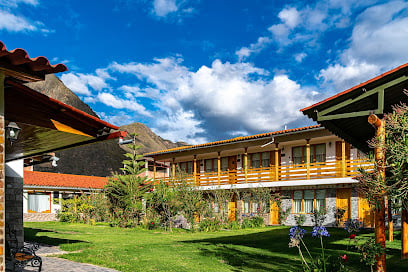
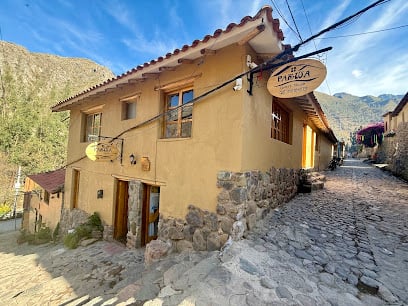
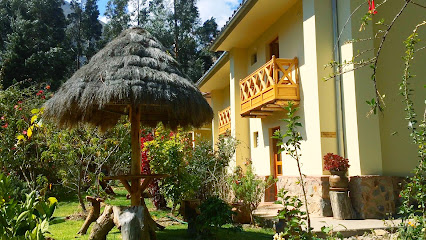
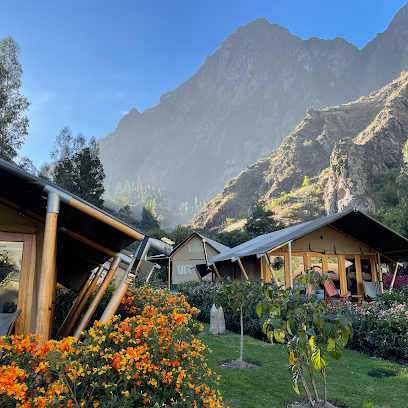
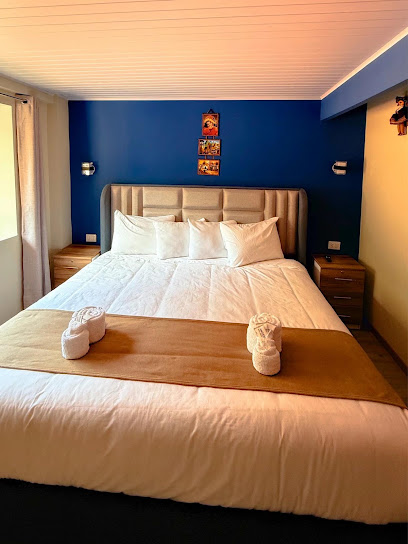
Ollantaytambo has numerous guesthouses and hotels catering to backpackers and tourists. Several properties are known to be particularly welcoming to LGBTQ+ guests, though the town is generally safe and accommodating for all travelers. Properties range from budget hostels to mid-range hotels. The town's compact size means most accommodations are within walking distance of the main plaza and archaeological sites.
When booking, LGBTQ+ travelers may wish to read recent reviews carefully or contact properties directly to confirm their LGBTQ+ friendliness. Many guesthouses employ staff from the broader Andean region and are accustomed to international visitors of diverse backgrounds.
Ollantaytambo is organized around its main plaza, with colonial-era buildings and Incan stone foundations throughout the town center. The town's layout follows traditional Incan urban planning, with narrow streets radiating from the central plaza. Most tourist services, restaurants, and accommodations are within the historic town center.
The archaeological site of Ollantaytambo fortress overlooks the town from steep hillsides above, while the town itself sits in the Urubamba Valley floor. The surrounding landscape includes traditional Quechua communities, agricultural terraces, and river valleys. Unlike larger cities, Ollantaytambo does not have distinct neighborhoods; the entire town is relatively integrated and walkable.
Venues and Entertainment
Ollantaytambo lacks dedicated gay bars or nightclubs. The town's evening entertainment centers on restaurants, cafes, and informal gatherings at guesthouses. Several restaurants and cafes cater to tourists and tend to be accepting of LGBTQ+ customers. The town has a small cinema and occasionally hosts live music or cultural performances.
For nightlife and dedicated LGBTQ+ venues, travelers typically visit Cusco, which is approximately 90 kilometers away by car (2-3 hours). Cusco has several gay bars and a more established LGBTQ+ social scene, and many travelers spend time there before or after visiting the Sacred Valley.
Events and Celebrations
Ollantaytambo does not host a dedicated Pride event or LGBTQ+-specific festival. Peru's major Pride celebration occurs in Lima in June, attracting LGBTQ+ travelers from across South America. In Cusco, Pride celebrations typically occur in June as well, with smaller-scale events and gatherings.
The town itself hosts traditional Peruvian festivals tied to the agricultural calendar and Incan heritage. Qoyllur Rit'i (Star Snow) festival occurs in May or June and involves pilgrimage to a glacial mountain sanctuary, attracting visitors from throughout the region. Ollantaytambo's main festivals include celebrations during Incan cultural commemorations.
Transportation
Ollantaytambo is accessible by road from Cusco via the Urubamba Valley. Several transportation options exist:
By Bus: Regular buses operate between Cusco and Ollantaytambo, with journey times of 1.5-2.5 hours depending on the service. Bus companies such as Andina del Sur operate frequent routes.
By Train: The town is a major hub for the Incan Rail and PeruRail train services to Machu Picchu. Travelers can arrive via train from either Cusco or other Sacred Valley stations.
By Taxi or Private Transfer: Many travelers hire private drivers or taxis from Cusco for greater flexibility and comfort.
Within Ollantaytambo, the town is entirely walkable. The compact size and relatively flat town center make navigation straightforward for most visitors. Guides are available for more extensive exploration of surrounding archaeological sites and hiking areas.
Food and Dining
Ollantaytambo's restaurant scene caters primarily to international tourists while incorporating local Peruvian cuisine. Restaurants serve traditional Andean dishes such as ceviche, causa, and locally-raised trout from the Urubamba River. Many establishments offer vegetarian and vegan options, reflecting the preferences of international travelers.
Cafes and bakeries are common throughout the town center, offering coffee, bread, and pastries. The local market provides fresh produce, grains, and traditional foods. Alpaca and guinea pig are local specialties, though travelers uncomfortable with these options have numerous alternatives.
Food & Drink
Restaurants in Ollantaytambo are generally welcoming to all customers regardless of orientation or gender identity. As in much of Peru, dining is a social experience, and LGBTQ+ travelers are unlikely to experience discrimination in established restaurants catering to international tourists.
Day Trips and Outdoor Activities
Ollantaytambo serves as an ideal base for exploring the Sacred Valley and accessing Machu Picchu:
Machu Picchu: The most famous Incan site is accessible via train from Ollantaytambo or by hiking the Incan Trail, which typically takes 4 days. Train service departs regularly, with journey times of approximately 1.5 hours to Aguas Calientes at the base of Machu Picchu.
Incan Trail Hiking: Ollantaytambo serves as a starting point for the classic 4-day Incan Trail trek to Machu Picchu. This trek ascends high mountain passes and passes multiple Incan archaeological sites. Permits and guides are required and must be arranged in advance.
Alternative Hiking Routes: Several less-crowded hiking routes connect Ollantaytambo to Machu Picchu or explore other Sacred Valley sites. These include the Salcantay trek and various day-hike options.
Ollantaytambo Fortress: The Incan fortress overlooking the town can be explored via steep stone pathways. The site features impressive stonework and views of the Urubamba Valley. Entrance fees are modest, and guides are available for additional context.
Pisac and Pisac Market: Located in the neighboring town of Pisac (approximately 30 kilometers away), this important Incan site features terraces, temples, and an astronomical observatory. The Pisac market is famous for handicrafts, textiles, and local goods sold by Quechua artisans.
White-Water Rafting: The Urubamba River offers multiple rafting sections suitable for various skill levels. Day-trip rafting is popular among visitors, with several outfitters operating in the area.
Agriculture Tours: Local communities offer tours of traditional Andean agriculture, including potato varieties, corn cultivation, and traditional farming techniques.
Safety Considerations
Peru is generally safe for LGBTQ+ travelers, though certain considerations apply:
Legal Status: Same-sex relationships are legal in Peru, and same-sex couples enjoy some legal protections. However, LGBTQ+ rights vary regionally, and cultural attitudes are more conservative in rural Andean communities than in major cities.
Public Displays of Affection: While Ollantaytambo is accustomed to international visitors, public displays of affection between same-sex couples should be approached with cultural sensitivity. Holding hands or brief physical contact is generally safe and increasingly accepted, but exuberant displays may attract unwanted attention in more conservative settings.
Petty Crime: Ollantaytambo, like many tourist destinations, experiences petty theft and pickpocketing. Travelers should secure valuables, avoid displaying expensive electronics or jewelry, and remain aware of surroundings. Most tourist areas are well-policed.
Altitude: Ollantaytambo's elevation can cause altitude sickness for unaccustomed travelers. Spending time in Cusco or lower elevations before arriving helps with acclimatization. Rest, hydration, and coca tea are recommended treatments.
Quality of Healthcare: Ollantaytambo has basic medical services, but serious medical issues require travel to Cusco or Lima. Travelers should have adequate travel insurance covering medical evacuation if necessary.
Cultural Sensitivity: The town is home to Quechua communities maintaining traditional customs and beliefs. Respectful interaction, asking permission before photographing people, and learning basic Spanish phrases enhance the travel experience and show respect to local communities.
Practical Information
Language: Spanish is the primary language, with Quechua spoken by local indigenous communities. English is widely spoken in tourist establishments but less common outside tourist areas. Learning basic Spanish phrases is helpful.
Currency: The Peruvian sol is the local currency. ATMs are available in Ollantaytambo's town center, and many establishments accept credit cards, though cash is preferred in smaller establishments and markets.
Weather and Clothing: Ollantaytambo has a mild climate but cool temperatures, especially at night. Layered clothing is essential. The rainy season occurs December-March, while dry season (May-September) offers the best weather for trekking.
Internet and Communications: Internet service is available in most guesthouses and cafes, though speed and reliability vary. Mobile phone service is generally reliable for major carriers.
Travel Documents: All travelers require a valid passport. Most citizens of Western countries receive a 90-day tourist visa upon arrival. LGBTQ+ travelers should carry copies of relevant documents in case of any legal issues, though incidents are rare.
Conclusion
Ollantaytambo is a welcoming destination for LGBTQ+ travelers seeking to explore Incan culture, archaeological heritage, and Andean landscapes. While the town lacks dedicated gay venues or nightlife, it offers authentic cultural experiences, outdoor adventure, and generally accepting communities. LGBTQ+ travelers are encouraged to combine Ollantaytambo with time in Cusco or Lima for more established gay social scenes, but the town itself provides a peaceful, scenic, and welcoming base for Sacred Valley exploration.
Frequently asked questions
While same-sex relations have been legal in Peru since 1924 and there are anti-discrimination protections, attitudes in smaller mountain towns like Ollantaytambo can be more conservative than in urban centers. However, the town's role in tourism has fostered a more inclusive atmosphere, particularly within the hospitality sector.
Ollantaytambo is a small town with a population of around 3,000 residents. The LGBTQ+ scene is not explicitly detailed, but the town has a reputation as a welcoming destination for international travelers, including LGBTQ+ visitors, due to its tourism economy.
The source guide does not mention any specific LGBTQ+ venues or bars in Ollantaytambo. The town center revolves around the Plaza de Armas, which is socially vibrant and has restaurants and cafes.
Accommodations in Ollantaytambo range from budget hostels concentrated near the Plaza de Armas to mid-range hotels scattered throughout the town. The area immediately surrounding the Plaza de Armas contains most tourist-oriented establishments.
The town center, particularly the Plaza de Armas and its surrounding streets, is the most socially vibrant area and where most tourist-oriented establishments are located. This area is likely to be the most welcoming for visitors.
The provided guide does not mention any specific dates or information regarding Pride celebrations in Ollantaytambo.
Your privacy choices.
We use cookies to run GayOut and, with your consent, measure usage. Learn more
Your privacy choices
We use cookies to keep GayOut running, remember your preferences, and (with your permission) measure how the site is used. You can accept all, reject all, or pick what you allow. Learn more
Essential
Required for sign-in, fraud prevention, CSRF protection and remembering your language. Cannot be disabled.
Always on
Remembers your favourites, dark mode and other interface preferences across visits.
Helps us understand which pages people visit (Google Analytics, server-side stats) so we can improve.
Used by campaign tracking pixels. None are active right now, reserved for future use.
Install GayOut
Add GayOut to your home screen for faster access, offline favourites, and Pride alerts.


 Gay-Friendly Hotel
(91)
Gay-Friendly Hotel
(91)