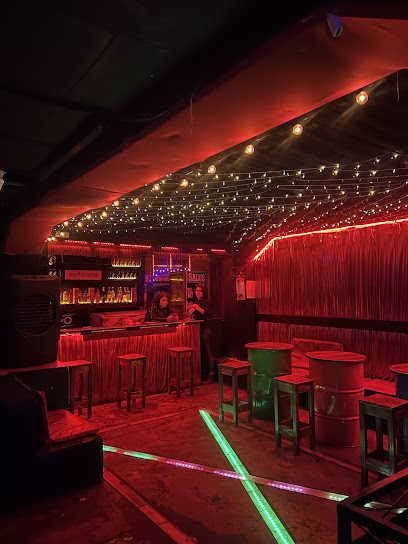
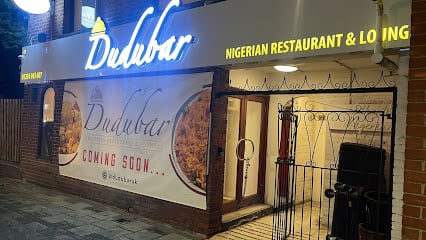
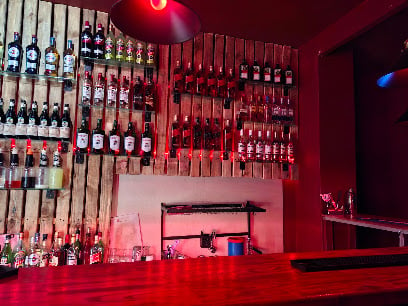
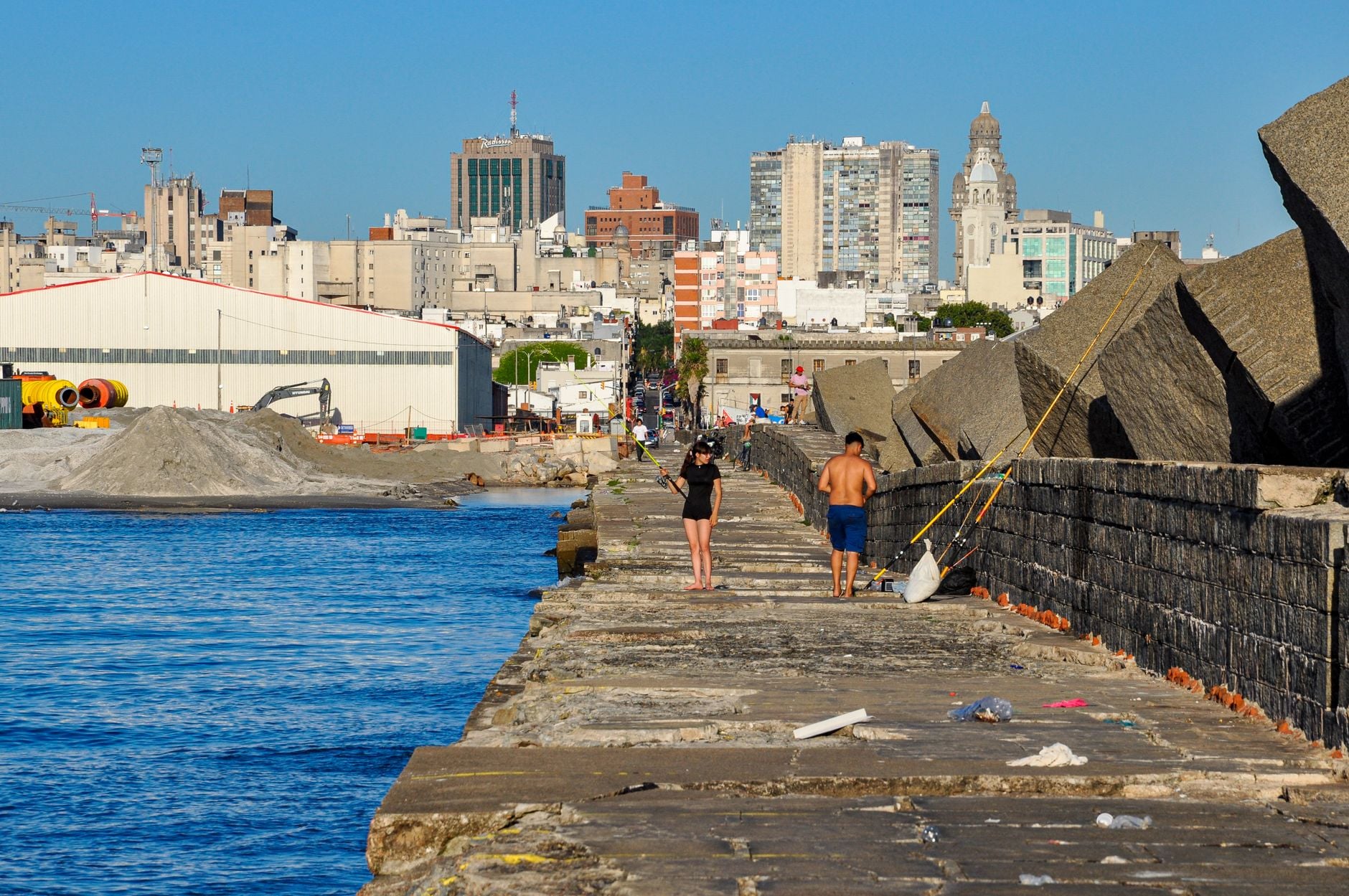
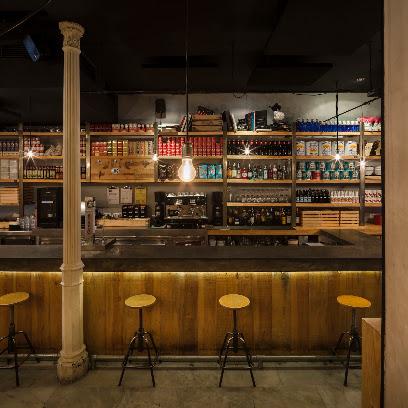
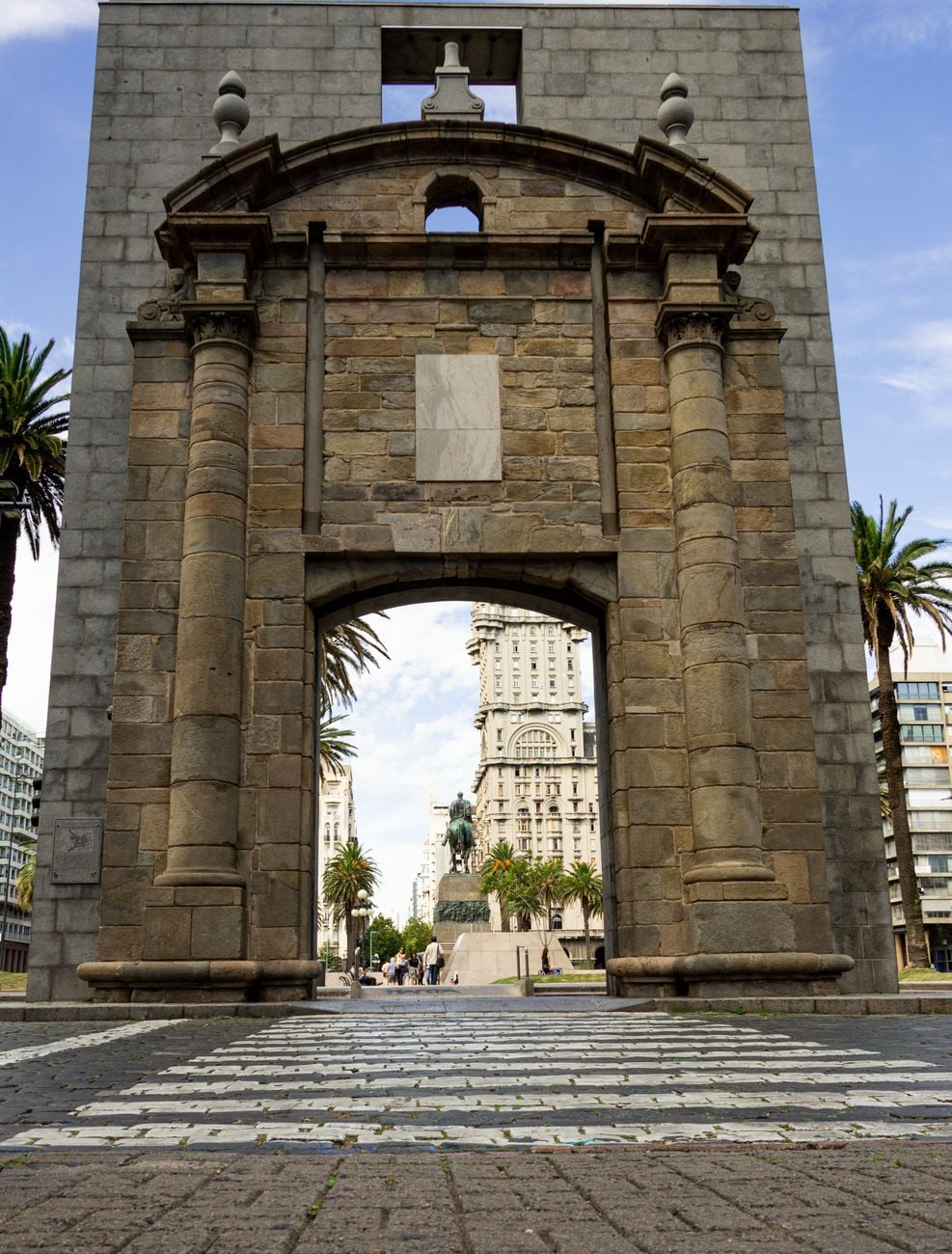
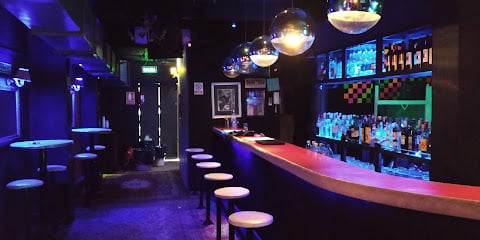
Gay-friendly bar in Ciudad Vieja — Montevideo's historic Old City, a compact district of colonial architecture, independent restaurants, and one of the most characterful urban environments in South…
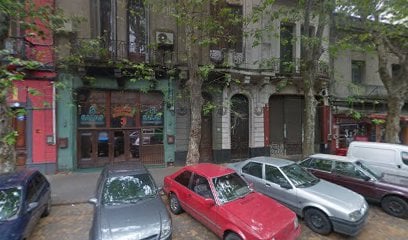
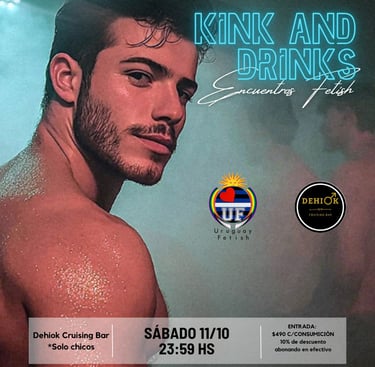
Men-only cruising bar behind an unmarked black door in Ciudad Vieja - lockers, cabins, dark zones and a glass-dome ceiling. The crowd lands very late; Friday and Saturday it runs until 6am.
Surviving cine condicionado in Centro - an old-school adult cinema where the cruising happens in the dark rows. A second Multisex location operates nearby; recent reviews run through mid-2025.
Uruguay's leading LGBTQ+ rights organisation — Ovejas Negras (Black Sheep) has been the driving force behind Uruguay's extraordinary run of progressive legislation including marriage equality (2013)…
Montevideo, Uruguay's capital and largest city, represents one of South America's most progressive urban centers for LGBTQ+ travelers. The city's welcoming atmosphere stems from Uruguay's progressive legal framework—the country was one of the first in Latin America to legalize same-sex marriage (2013) and has robust anti-discrimination laws protecting sexual orientation and gender identity. This legal foundation creates a genuinely inclusive environment where LGBTQ+ travelers can move through the city with confidence.
Historically, Montevideo's gay scene developed within the broader context of Uruguay's social liberalization. While the country decriminalized homosexuality in 1934, visible LGBTQ+ activism accelerated in the 1980s following the return to democracy. Today, the scene is mature, integrated, and less concentrated in a single ghetto than in many other Latin American cities. This means LGBTQ+ venues and culture exist alongside mainstream establishments, and many neighborhoods welcome diverse crowds.
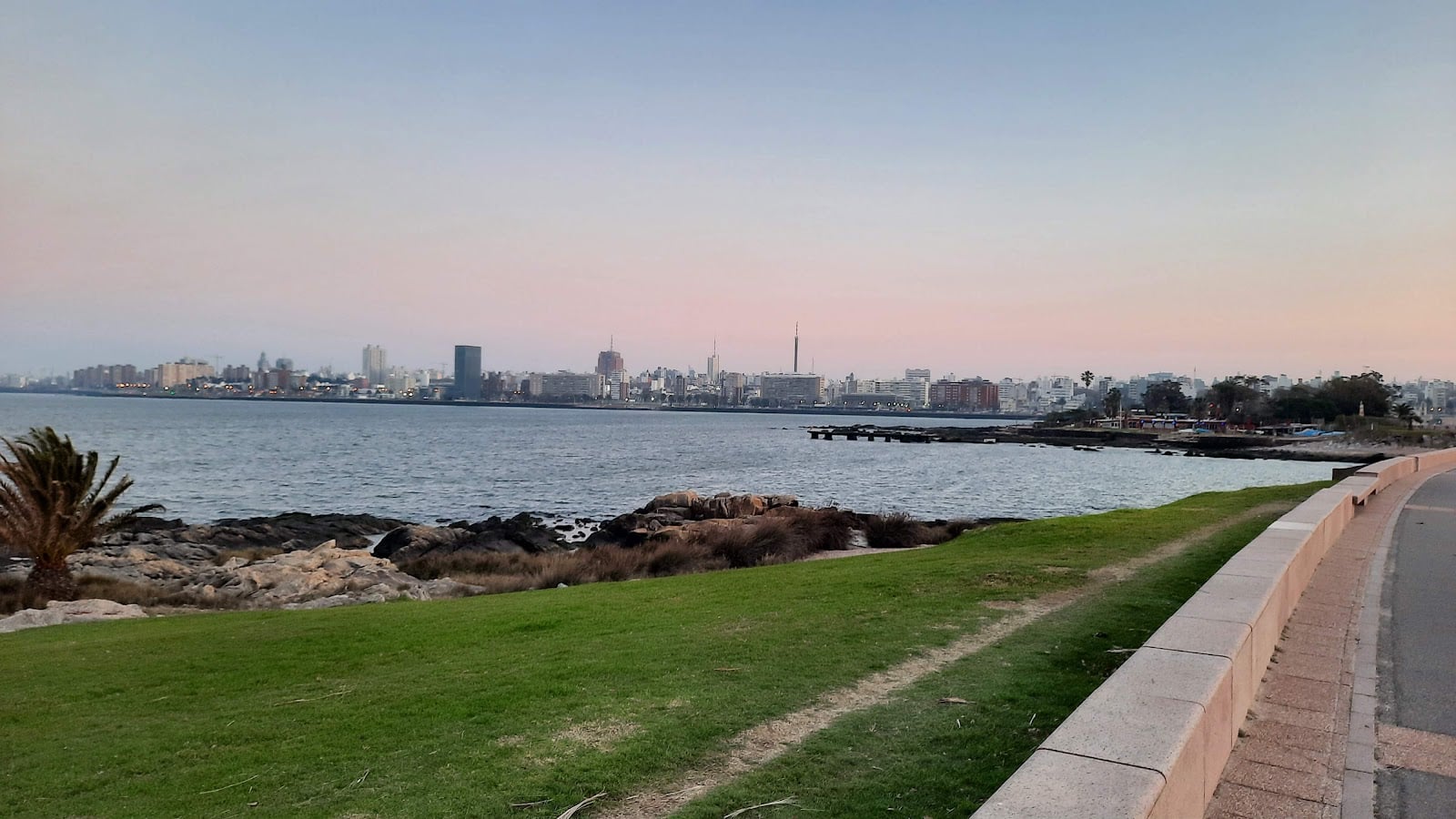
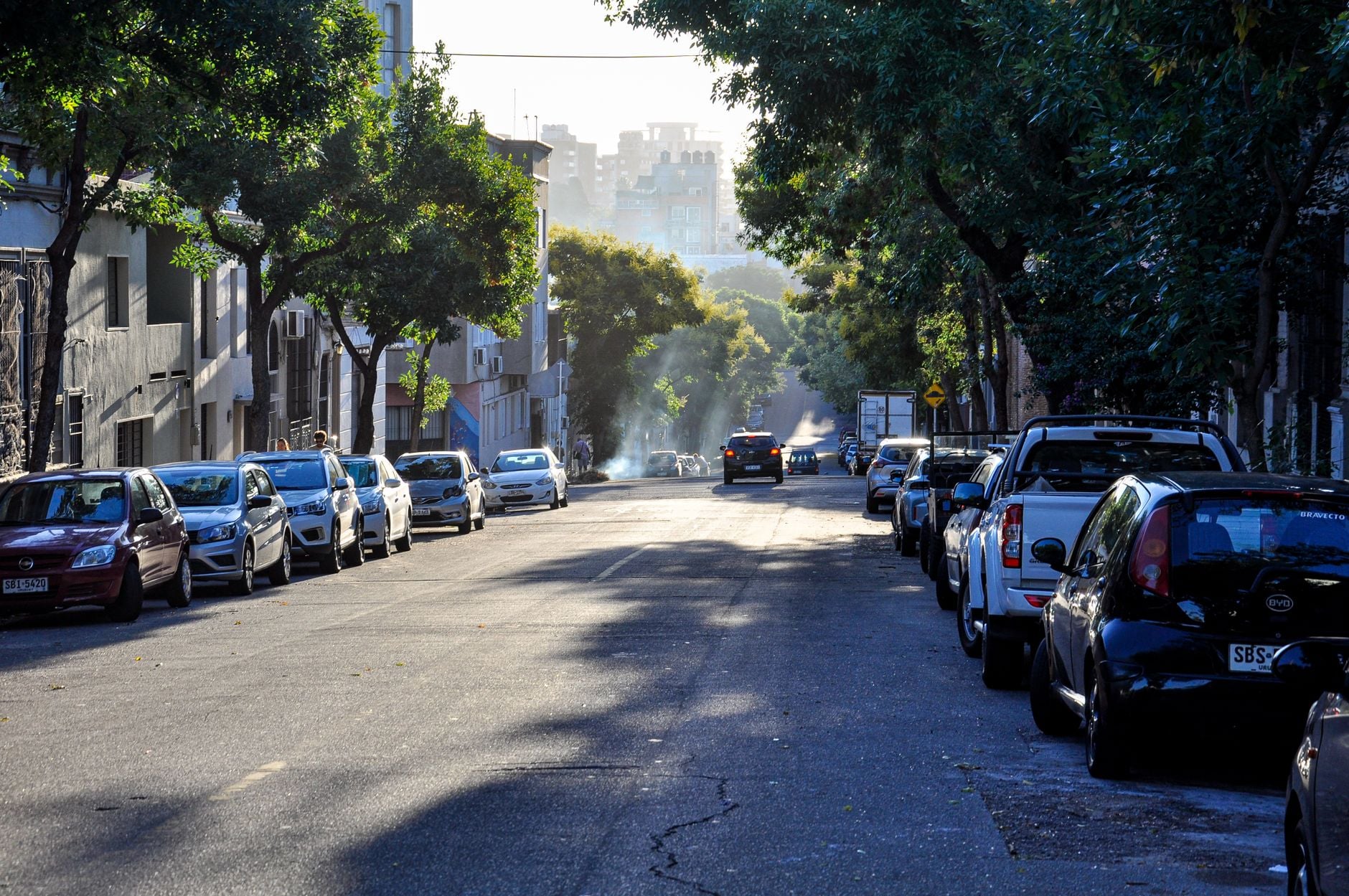
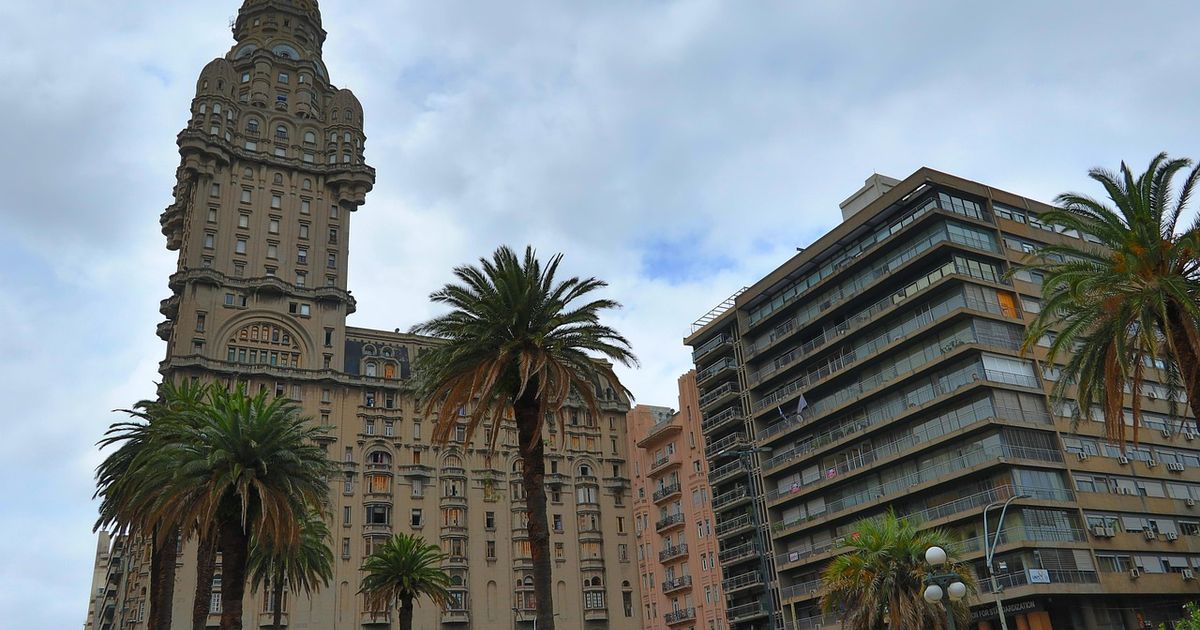
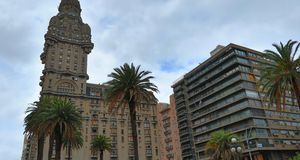
Key neighborhoods for LGBTQ+ travelers include Ciudad Vieja, the atmospheric historic old town with colonial architecture, galleries, restaurants, and cafes where many venues are frequented by mixed queer and straight crowds. This area offers authenticity and cultural immersion. Pocitos, a beachfront neighborhood to the east, is upscale and progressive, with good restaurants, bars, and easy beach access. Parque Rodó, just south of the city center, offers parks, cultural institutions, and a younger, student-friendly vibe. Punta Carretas, south of Pocitos, is increasingly trendy with shopping, dining, and nightlife options.
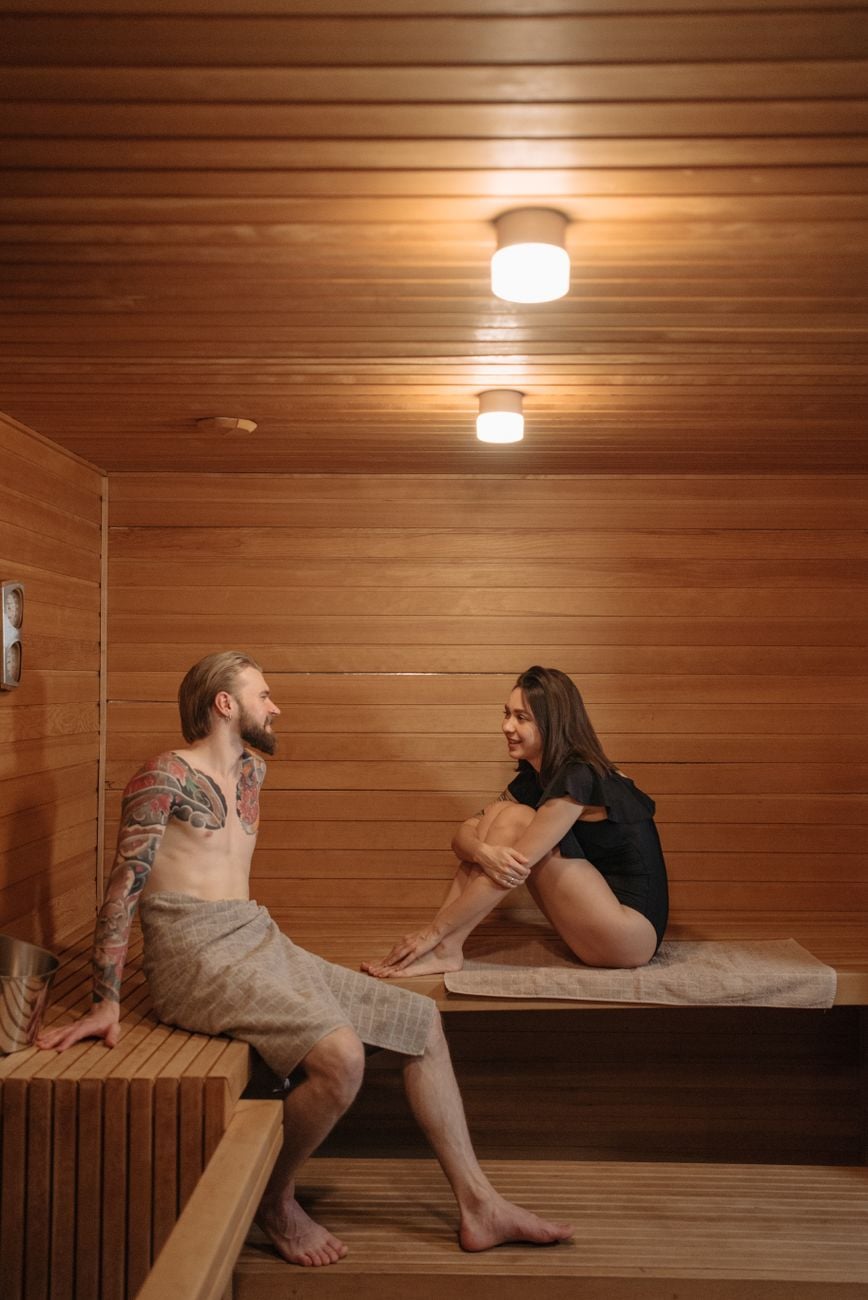
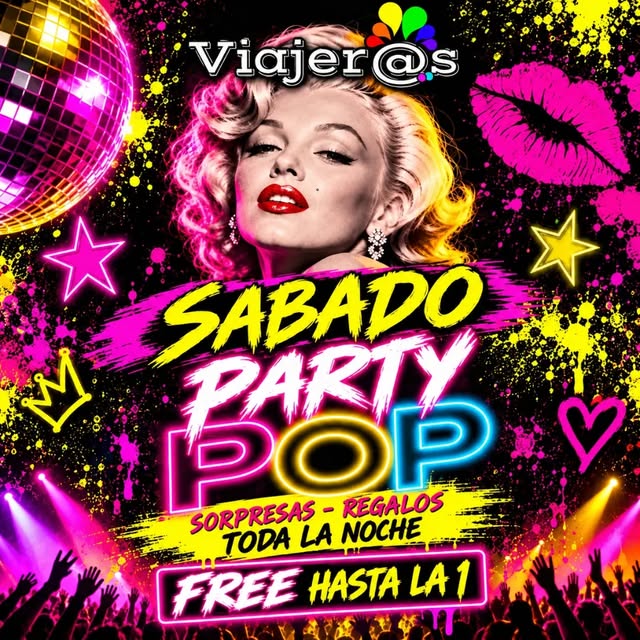
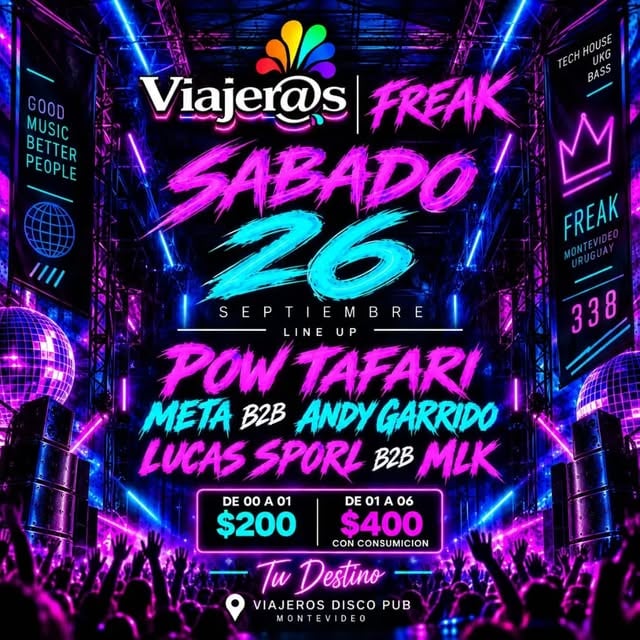
The dedicated gay nightlife is small but real, and locals affectionately call the dance bars maricotecas. The anchor is Il Tempo in Parque Rodo, a bar-turned-dancefloor with drag shows and DJs on weekend nights. Chains, in the Centro, is the perennial favourite for early-evening drinks before the clubs fill up, drawing a genuinely mixed crowd of gay men, lesbians and trans friends. Viajeros keeps a late maricoteca tradition alive with an upstairs stage for live music and drag, while Zoba rounds out the scene near Pocitos. For a men-only bathhouse there are two central options: the larger Toronto Sauna (Tacuarembo 1531) and the more intimate Horus (Julio Herrera y Obes 1240). Beyond these, plenty of mainstream bars and cafes in Ciudad Vieja and Cordon are relaxed and welcoming rather than explicitly gay.
Pride & Events
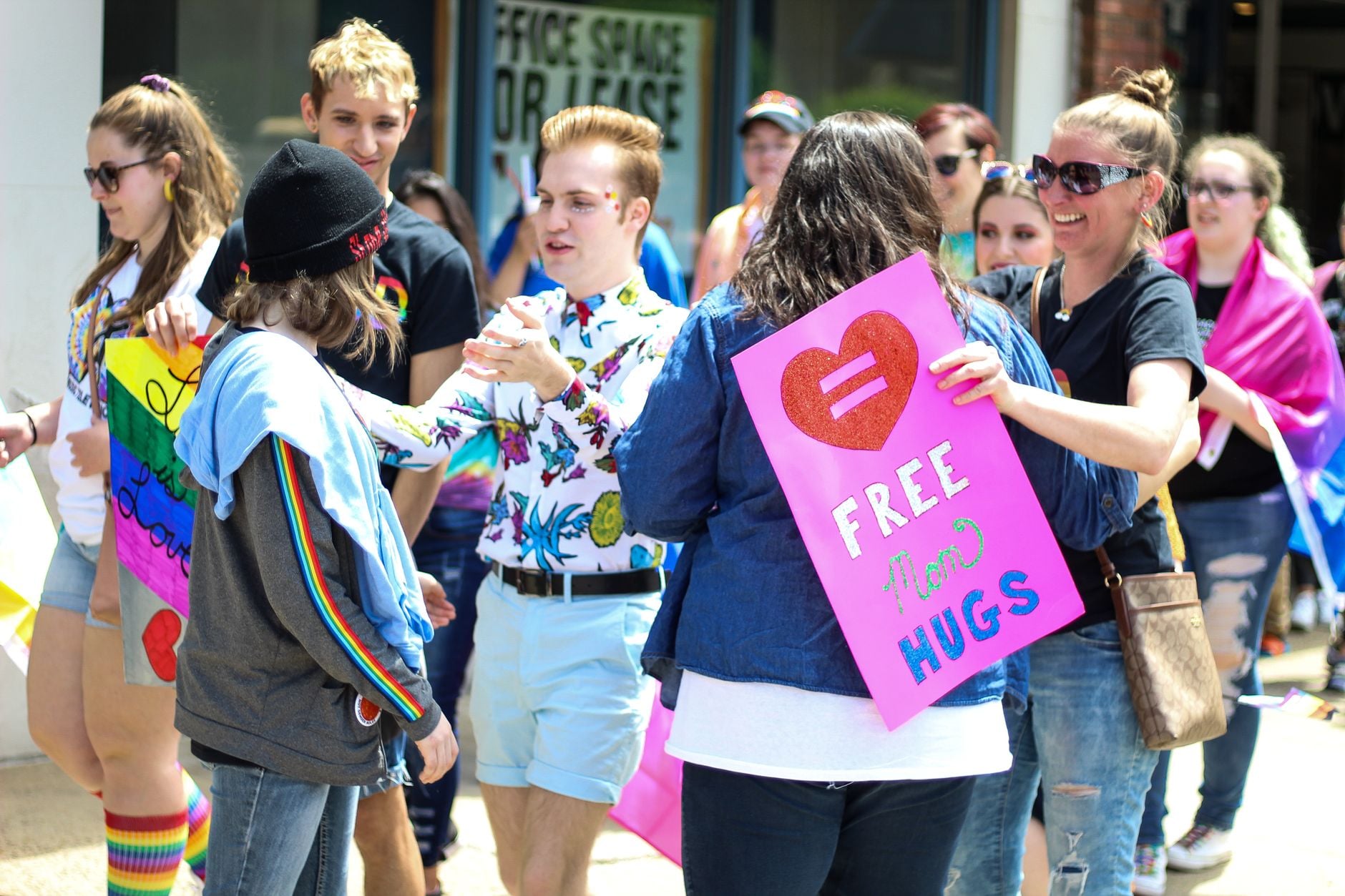
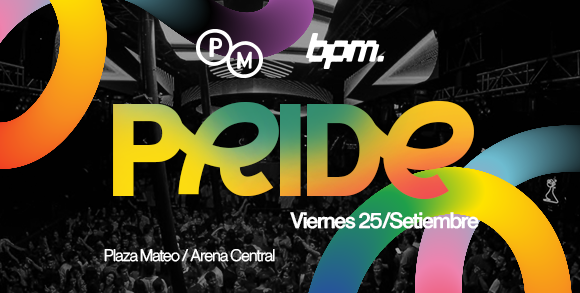
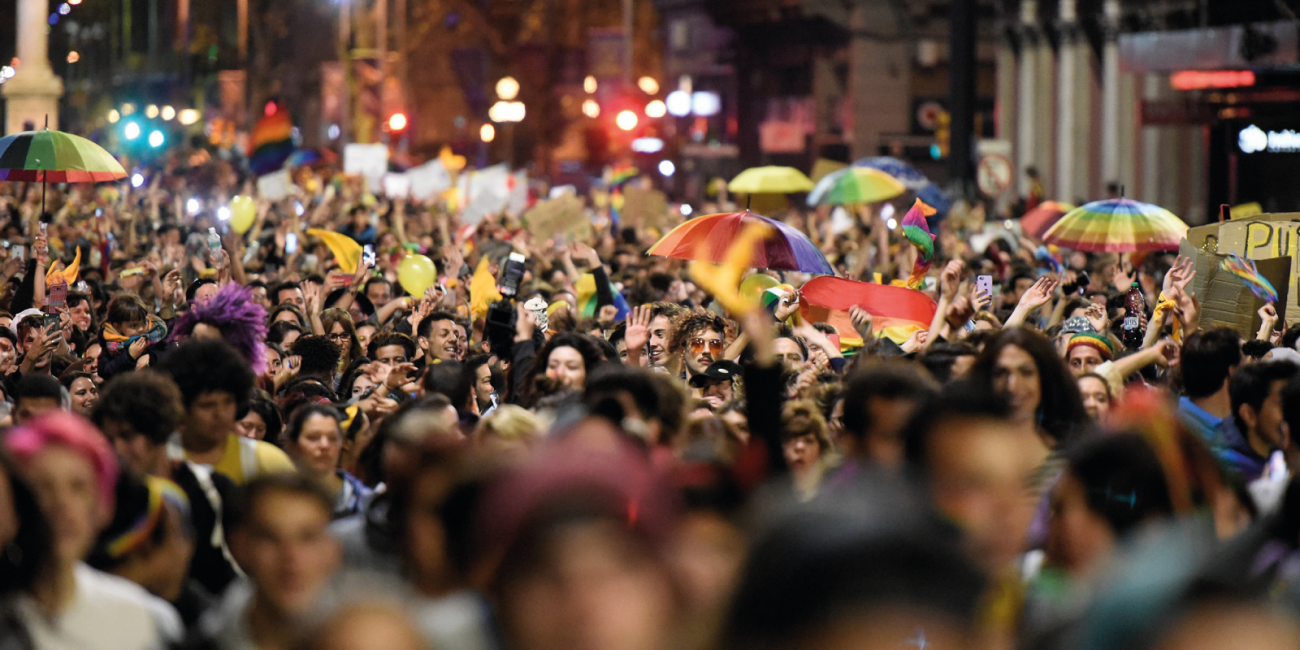
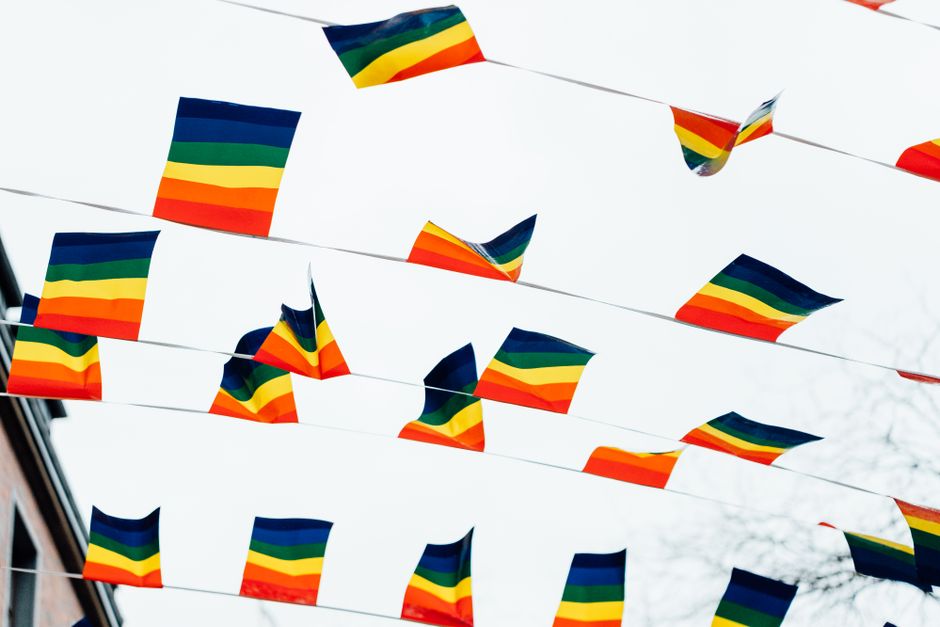
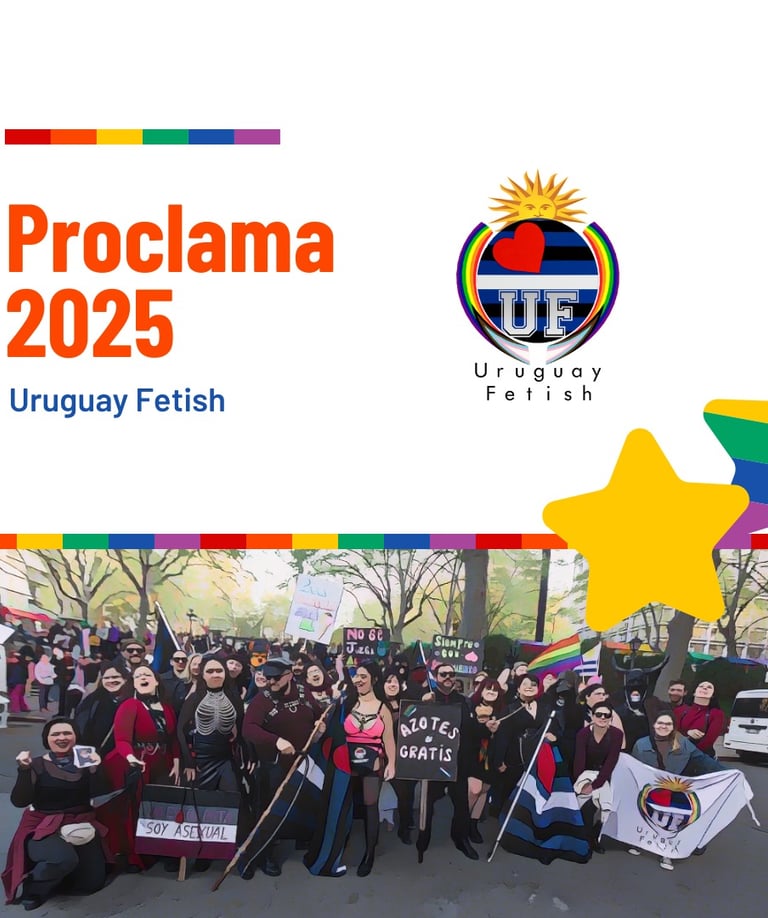
Pride in Montevideo, the Marcha por la Diversidad, is held on the last Friday of September and is one of the largest civic marches in the country, filling Avenida 18 de Julio, the city's main artery, as it winds through the heart of downtown. Because it falls in the Southern-Hemisphere late winter it is a proudly political, bundled-up affair rather than a summer street party. The celebration includes street parties, cultural events, and special programming at bars and clubs throughout the month. September is an excellent time to visit if seeking a celebratory atmosphere, though the city welcomes visitors year-round.
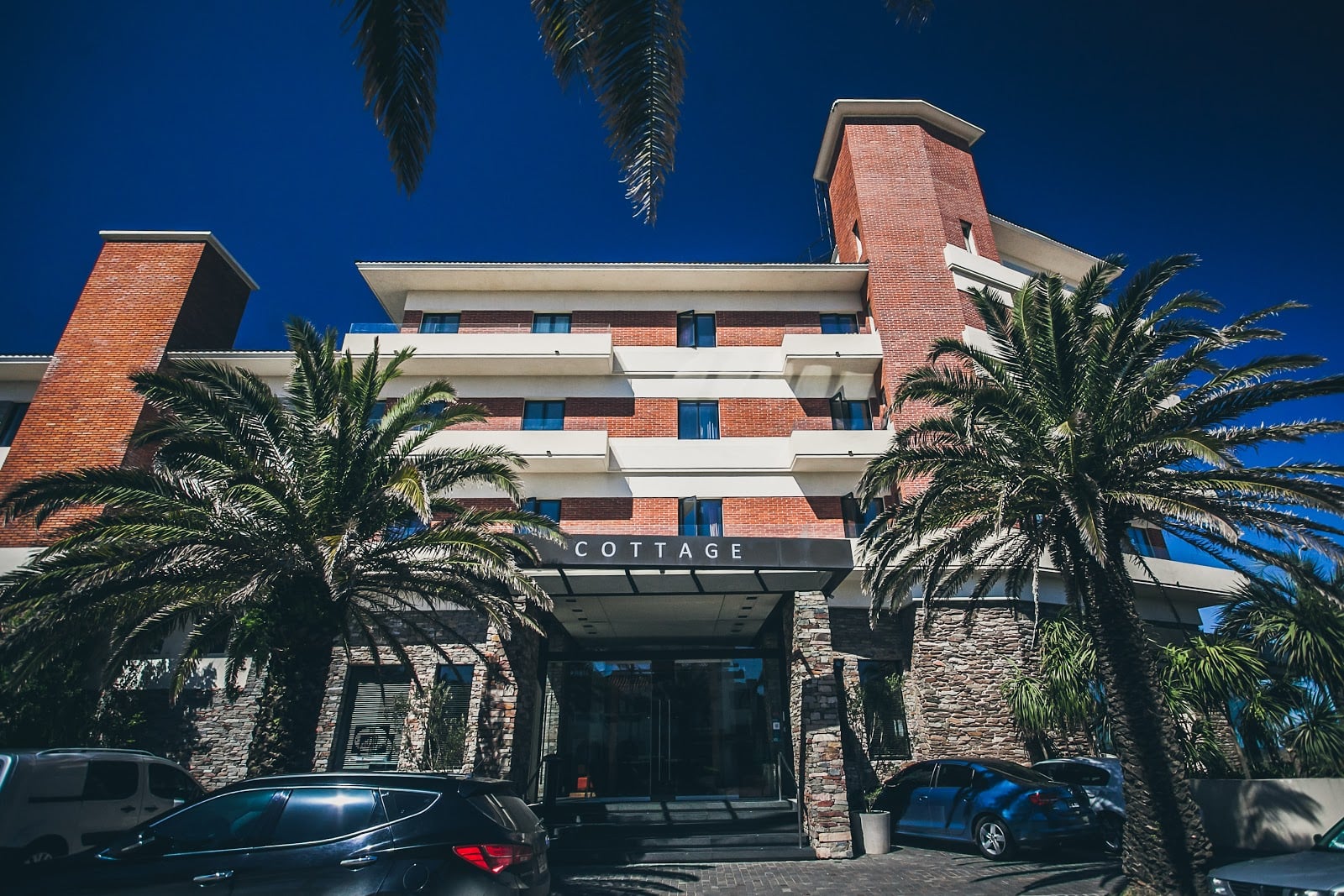
For accommodation, travelers should consider staying in Ciudad Vieja for historic charm and walkability, or Pocitos for beach proximity and modern amenities. Both neighborhoods have hotels, hostels, and vacation rentals suitable for all budgets. The city center around Plaza Independencia offers good transit connections to all neighborhoods.
Montevideo's public transit system includes buses and a limited rail network. Most travelers navigate by bus, which is efficient and inexpensive, or by foot and taxis (including ride-sharing apps like Uber). Walking is generally pleasant and safe in tourist areas, especially during daylight hours.
The food scene in Montevideo is exceptional. The city is famous for asado (grilled meat), fresh seafood, and excellent wines from nearby regions. Vegetarian and vegan options are increasingly available. Numerous cafes in Ciudad Vieja and throughout the city offer excellent coffee culture. Dining is generally affordable by international standards.
For day trips, travelers can visit nearby Colonia del Sacramento, a charming UNESCO-listed colonial town about 45 minutes west, or head to Punta del Este, a beach resort town about two hours away known for both beaches and nightlife. Both are accessible by bus or organized tours.
Safety
Safety considerations: Montevideo is generally the safest major city in South America. Standard urban precautions apply—avoid displaying expensive items, don't travel alone late at night in unfamiliar areas, and use registered taxis or ride-sharing apps after dark. The city is LGBTQ+-friendly, but as with anywhere, discretion in less touristy areas is sensible. Centro and older neighborhoods south of downtown have higher crime rates and should be avoided late at night.
Uruguay's healthcare system is excellent and considered among the best in Latin America. Travel insurance is recommended. Spanish is the primary language; English is spoken in tourist areas and hotels but less common elsewhere, so learning basic Spanish phrases or using translation apps is helpful.
Visitors should plan to spend at least 3-4 days to experience the city's museums, neighborhoods, food, and nightlife. Longer stays allow for day trips and a deeper dive into local culture. The city offers cultural institutions, theaters, bookstores, and cafes that reflect its sophisticated, educated population.
Frequently asked questions
Yes. Uruguay is the most LGBTQ+-progressive country in South America - homosexuality was decriminalised back in 1934, same-sex marriage has been legal since 2013, and gender identity is legally recognised. Same-sex couples are treated exactly like anyone else in hotels, restaurants and public spaces, and Montevideo is considered the safest capital in the region.
There is no single gay district - the scene is small and integrated. The dedicated gay bars cluster around the Centro and Parque Rodo (with Cordon between them); Ciudad Vieja, the colonial old town, is full of relaxed mixed bars and cafes; and beachfront Pocitos is a popular, upscale area to stay.
Small, friendly and late. Locals call the gay dance bars maricotecas - a handful of them run Thursday to Sunday with drag shows, cheap drinks and dancing until sunrise. Crowds are genuinely mixed and unpretentious, and nights start very late, peaking well after 2am.
Yes - the core venues are Chains (the popular central gay bar for early drinks), Il Tempo in Parque Rodo (the main gay club, with drag and DJs), Viajeros (a classic live-music-and-drag maricoteca) and Zoba near Pocitos. Warm up at Chains, then move on to Il Tempo or Viajeros.
Absolutely. Thanks to Uruguay's comprehensive anti-discrimination and marriage-equality laws, same-sex couples are treated identically to opposite-sex couples in hotels, and booking a double room is never an issue.
Yes - Montevideo has two men-only gay saunas, both in the city centre. Toronto Sauna (Tacuarembo 1531) is the larger, with a dry and steam sauna, jacuzzi, bar, cinema and cruising areas; Horus (Julio Herrera y Obes 1240) is smaller and more intimate, with a sauna, jacuzzi and cruise cellar. Both open in the afternoon and run later on weekends.
Your privacy choices.
We use cookies to run GayOut and, with your consent, measure usage. Learn more
Your privacy choices
We use cookies to keep GayOut running, remember your preferences, and (with your permission) measure how the site is used. You can accept all, reject all, or pick what you allow. Learn more
Essential
Required for sign-in, fraud prevention, CSRF protection and remembering your language. Cannot be disabled.
Always on
Remembers your favourites, dark mode and other interface preferences across visits.
Helps us understand which pages people visit (Google Analytics, server-side stats) so we can improve.
Used by campaign tracking pixels. None are active right now, reserved for future use.
Install GayOut
Add GayOut to your home screen for faster access, offline favourites, and Pride alerts.







 Gay Bars & Clubs
Featured
(442)
Gay Bars & Clubs
Featured
(442)