The Dominican Republic has a complex history regarding LGBTQ+ rights. While same-sex activity has been legal since 1822, societal attitudes have historically been conservative due to strong Catholic influence and machismo culture. However, recent decades have seen gradual progress. Santo Domingo, as the capital and largest city, has developed the most visible LGBTQ+ community on the island. Pride events began gaining prominence in the 2000s, and the scene has slowly expanded with more venues openly catering to LGBTQ+ clientele. The community remains relatively small compared to other Caribbean destinations, but activism and visibility have increased noticeably since 2010.
Neighborhoods
The Colonial Zone (Zona Colonial) is the historic heart of Santo Domingo, featuring 16th-century architecture, museums, and restaurants. While primarily a tourist and cultural district, it has some LGBTQ+-friendly establishments and is the safest area for tourists generally. The neighborhood is walkable and picturesque, ideal for daytime exploration.
Gazcue is considered the most gay-friendly neighborhood in Santo Domingo. Located in the central part of the city, it's a residential and commercial area where most LGBTQ+ venues, gay bars, and nightlife options are concentrated. The neighborhood has a younger demographic and is more progressive than other areas. It's accessible by taxi or guagua (shared minibus).
Santo Domingo Oeste and various other neighborhoods exist, but Gazcue and the Colonial Zone remain the primary areas of interest for LGBTQ+ travelers.
Key Venues and Nightlife
Venue information in Santo Domingo's gay scene can change, and the landscape is less established than in other Caribbean destinations. Historically, venues have included gay bars and clubs primarily in the Gazcue area, though specific names and operating status fluctuate. Travelers are advised to check current travel forums, local LGBTQ+ groups on social media, and ask hotel staff for current venue recommendations upon arrival, as the scene evolves.
The nightlife in Santo Domingo tends to be more casual than the dedicated gay scenes in Puerto Rico or other islands. Clubs may be mixed venues that attract LGBTQ+ crowds on specific nights. Weekend nights generally see more activity than weeknights.
Pride and Events
Dominican Pride celebrations typically occur in June, centered in Santo Domingo. The event has grown significantly and usually includes parades, parties, and cultural events. June Pride draws both local and international visitors. Other LGBTQ+ events occur sporadically throughout the year, though the calendar is less established than in larger gay destinations.
Where to Stay
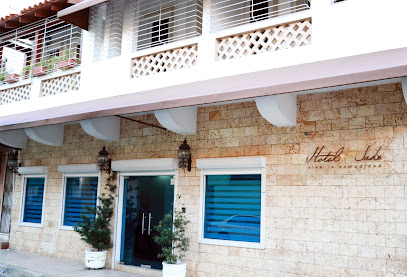
The Colonial Zone offers tourist-friendly hotels with colonial charm and proximity to restaurants and attractions. Hotels here range from budget guesthouses to upscale options. The area is safe for tourists and very walkable.
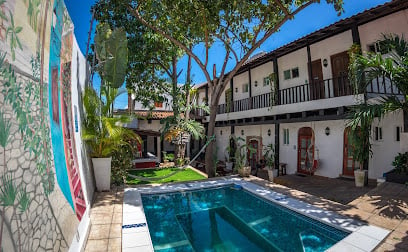
Gazcue has small hotels, apartments, and guesthouses with a more local feel. Staying here provides better access to the actual gay scene and local nightlife. The neighborhood is less touristy but generally safe during daytime and evening hours.
Downtown and other central areas offer additional accommodation options. Many travelers also stay in nearby beach areas like Juan Dolio or Boca Chica and day-trip into the capital.
Santo Domingo is the capital of a developing country and requires standard urban safety precautions. Petty theft and mugging can occur, particularly at night in unfamiliar areas. Travelers should avoid displaying expensive jewelry, cameras, or large amounts of cash. Stick to well-traveled areas, use registered taxis or ride-sharing apps, and don't wander alone late at night.
Regarding LGBTQ+ specific safety, Santo Domingo is generally safer than rural areas of the Dominican Republic. The capital is more cosmopolitan and LGBTQ+ people are increasingly visible. However, public displays of affection between same-sex couples may attract negative attention in some areas. Discretion is advised, particularly outside Gazcue and the Colonial Zone. The LGBTQ+ community recommends staying aware of surroundings and avoiding confrontations.
Transit
Santo Domingo lacks a traditional metro system (though one is under development). Primary transit options include:
Taxis: Regulated white taxis with meters are the safest option. Agree on fares beforehand or ensure the meter is running. Apps like Uber and local equivalents operate in Santo Domingo.
Guaguas: These colorful shared minibuses are cheap and ubiquitous but require familiarity with routes and can be crowded.
Walking: The Colonial Zone is highly walkable. Gazcue is also pedestrian-friendly in daylight.
Rental cars are available but not necessary for a city-focused visit. Driving requires an International Driving Permit and navigation can be challenging.
Food
Dominican cuisine is hearty and rice-based. Common dishes include:
La Bandera Dominicana: The national dish of rice, beans, and meat.
Sancocho: A stew with plantains, yams, and meat.
Mofongo: Mashed plantains, often served with seafood or meat.
Tostones: Fried plantain slices.
Santo Domingo has excellent seafood, particularly fresh fish and conch. The Colonial Zone and Gazcue have restaurants ranging from casual comedores (small local eateries) to upscale dining. Fresh tropical fruit is abundant and inexpensive.
Day Trips
Juan Dolio: A nearby beach town about 45 minutes west, offering relaxation and water sports.
Boca Chica: A popular beach with water activities, located about 30 minutes east.
Los Tres Ojos (Three Eyes): A natural park with caves and underground lagoons within the city limits.
Altos de Chavón: A reconstructed 16th-century village about 90 minutes away with art galleries and cultural attractions.
Samana Peninsula: A longer day trip offering beautiful beaches and whale watching (seasonal).
Practical Information
Language: Spanish is the primary language. English is spoken in tourist areas but less common elsewhere. Learning basic Spanish phrases is helpful.
Currency: Dominican Peso (DOP). US dollars are widely accepted in tourist areas. ATMs are common.
When to Visit
Best time to visit: December to March offers the best weather. June Pride is ideal for LGBTQ+ travelers specifically. Hurricane season runs June through November.
Visa: Many nationalities receive 30-day tourist visas upon arrival. Check specific requirements.
Health: Ensure routine vaccinations are current. Tap water is generally not recommended for tourists; bottled water is widely available.
Conclusion
Santo Domingo represents an emerging destination for LGBTQ+ travelers seeking authentic Caribbean culture with a developing gay scene. The city offers historical significance, improving nightlife options, and gradually increasing acceptance. While not as developed as Puerto Rico or other LGBTQ+ hotspots, Santo Domingo appeals to adventurous travelers interested in experiencing a real Caribbean capital while supporting a growing LGBTQ+ community.
Frequently asked questions
Same-sex activity is legal in the Dominican Republic, though legal protections are limited. The LGBTQ+ community operates more openly in Santo Domingo than in rural areas, with greater visibility and acceptance due to its status as the capital.
The Zona Colonial, a historic area, has restaurants, bars, and cultural venues that welcome LGBTQ+ clientele. The Malecón, Santo Domingo's waterfront boulevard, and the area around Avenida George Washington also feature dining and nightlife options where LGBTQ+ groups gather.
Orgullo LGBT (Pride) celebrations typically occur in June. Specific dates and events vary annually, so travelers should confirm current year details in advance.
Santo Domingo's gay venues operate primarily in the downtown core and Malecón areas. While specific venue names and operating status can change, the city maintains several established bars and clubs known to welcome LGBTQ+ patrons. Visitors should check current local resources for recommendations.
Santo Domingo reflects more progressive attitudes typical of Caribbean capitals, with a growing visible LGBTQ+ community and dedicated social spaces. The city's status as the capital and largest urban center means greater visibility and acceptance than elsewhere on the island.
While the Dominican Republic maintains conservative cultural traditions in many areas, Santo Domingo reflects more progressive attitudes. The LGBTQ+ community operates more openly with established venues and social networks.
Your privacy choices.
We use cookies to run GayOut and, with your consent, measure usage. Learn more
Your privacy choices
We use cookies to keep GayOut running, remember your preferences, and (with your permission) measure how the site is used. You can accept all, reject all, or pick what you allow. Learn more
Essential
Required for sign-in, fraud prevention, CSRF protection and remembering your language. Cannot be disabled.
Always on
Remembers your favourites, dark mode and other interface preferences across visits.
Helps us understand which pages people visit (Google Analytics, server-side stats) so we can improve.
Used by campaign tracking pixels. None are active right now, reserved for future use.
Install GayOut
Add GayOut to your home screen for faster access, offline favourites, and Pride alerts.


 Gay-Friendly Hotel
(9308)
Gay-Friendly Hotel
(9308)