Marriage equality since Obergefell v. Hodges (26 June 2015). The Respect for Marriage Act (December 2022) provides a congressional floor, requiring federal recognition of all valid same-sex and interracial marriages regardless of future Supreme Court rulings. Bostock v. Clayton County (2020) held that Title VII of the Civil Rights Act prohibits employment discrimination on the basis of sexual orientation and gender identity. No comprehensive federal anti-discrimination law in housing or public…
This is the only gay bar in the area. Karaoke is always a good time and their events are fun also. You will find an older crowd on heir slower nights. The...
Decent place, good selection of drinks. I went for a show, ran a tab and had some Jack's abbey drafts. Didn't notice my bill until the next day, they had added someone else's drinks onto my bill.
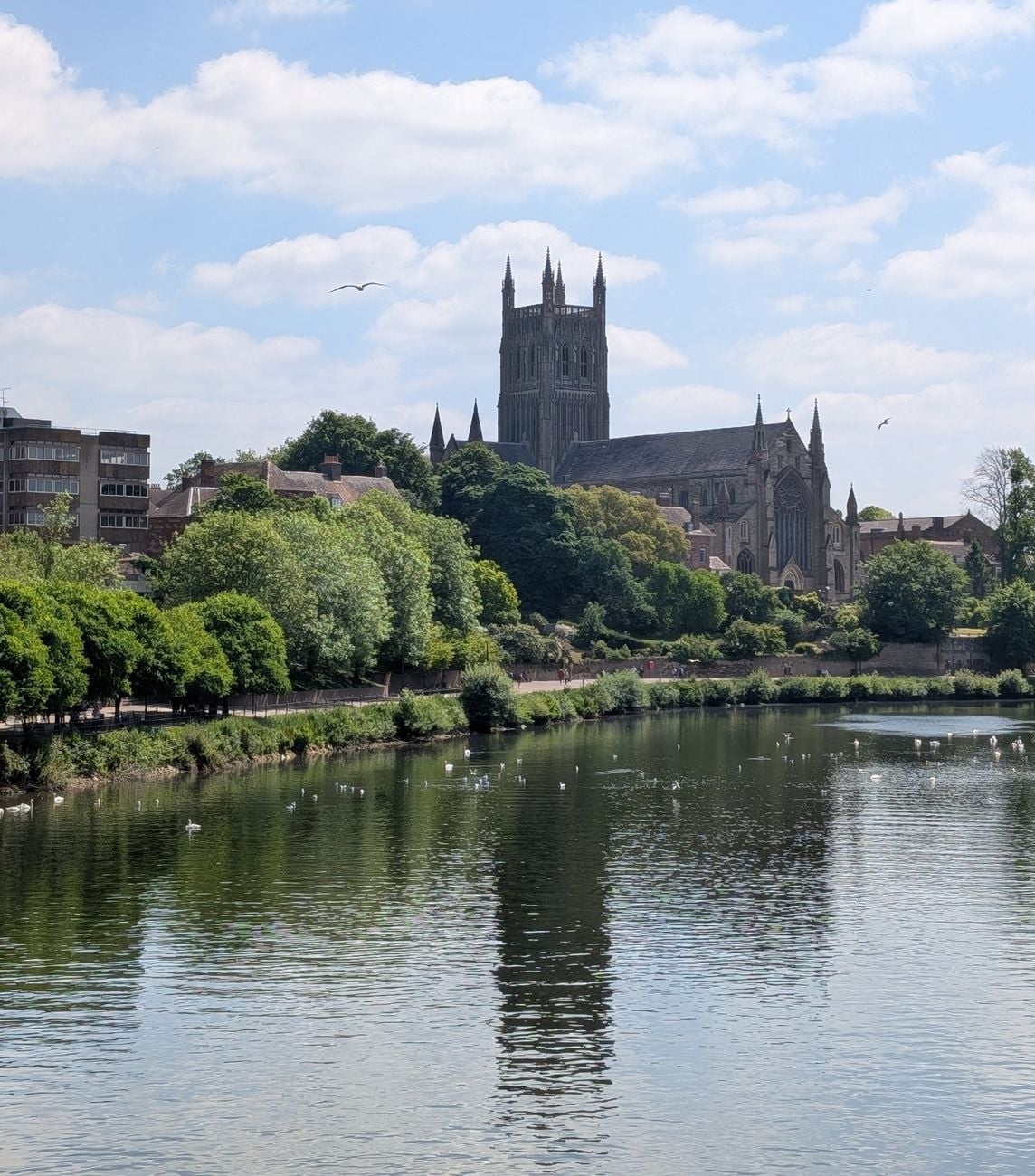
Worcester, Massachusetts, located about 40 miles west of Boston, is an increasingly welcoming destination for LGBTQ+ travelers. It offers a more intimate experience than larger cities, with accessible community connections and a local scene shaped by decades of activism.
The LGBTQ+ presence in Worcester began forming in the 1970s and 1980s with early activist and community groups. The city's progressive political climate, influenced by its immigrant communities and labor history, fostered early LGBTQ+ visibility. By the 1990s and 2000s, social venues began to emerge, maintaining a less commercialized atmosphere than Boston's. The early 21st century saw growing institutional support from local nonprofits, educational institutions like Worcester Polytechnic Institute and the College of the Holy Cross, and city government.
Neighborhoods and Geography
Downtown Worcester has become a central point for LGBTQ+ social life and nightlife. This area, focused around Main Street and adjacent blocks, has seen revitalization with new restaurants, bars, and cultural spaces in historic buildings. Its concentrated and walkable layout facilitates exploring multiple venues in one evening.
The Elm Hill neighborhood, east of downtown, is noted for its LGBTQ+-friendly atmosphere, diverse housing, local businesses, and community organizations. This area reflects a broad community integration, with LGBTQ+ residents living alongside various other community members.
South Worcester, including areas around Elm Street, hosts several community organizations and cultural institutions that serve LGBTQ+ populations.
Venues and Social Spaces
Worcester's social life extends beyond traditional bars, encompassing cultural organizations, theaters, coffee shops, and restaurants across downtown and surrounding neighborhoods. The Worcester Art Museum, Mechanics Hall, and local theater companies often feature LGBTQ+-themed or LGBTQ+-friendly programming. Visitors seeking current venue information are advised to consult local community resources or online listings.
Events and Pride
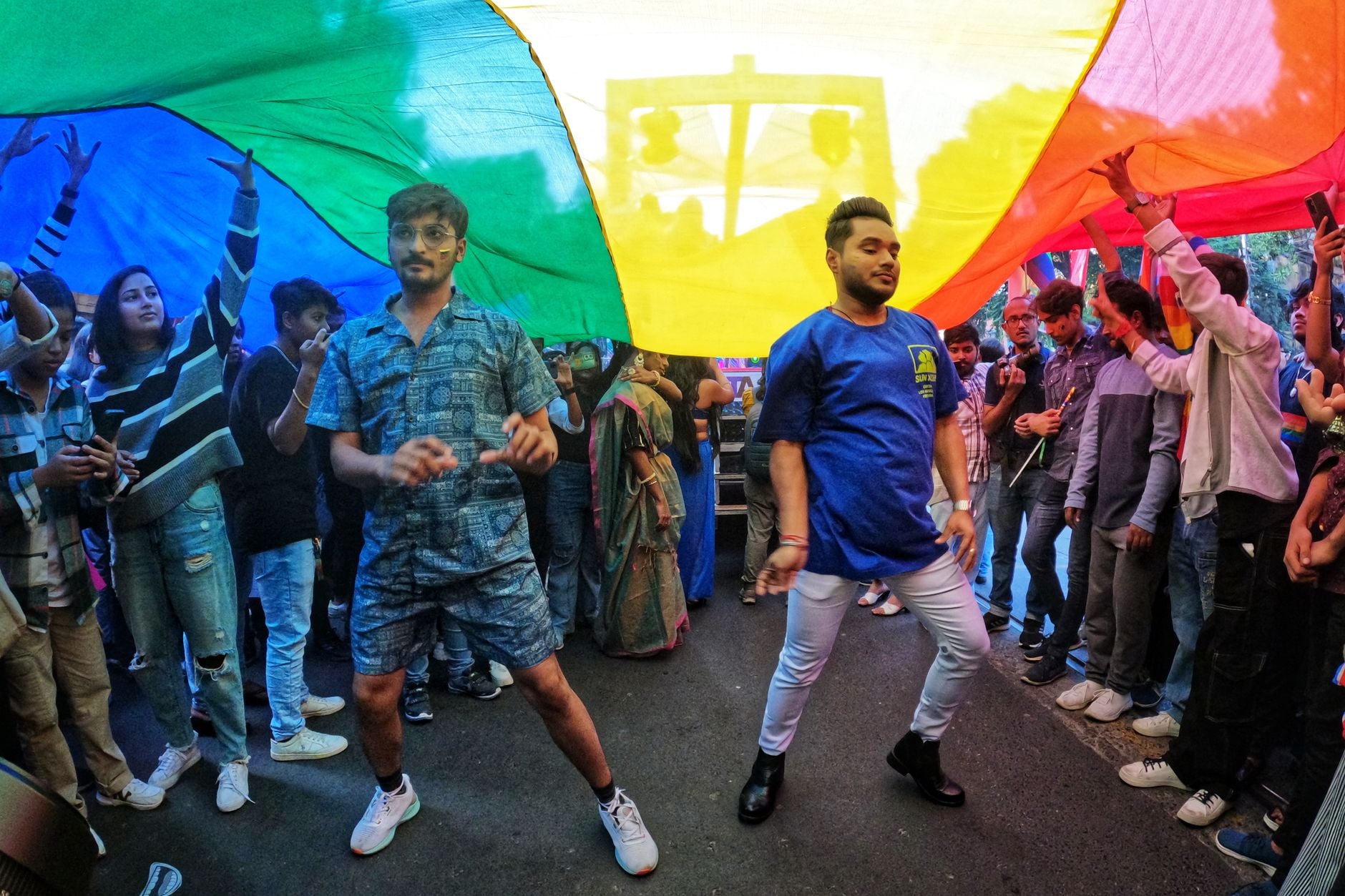
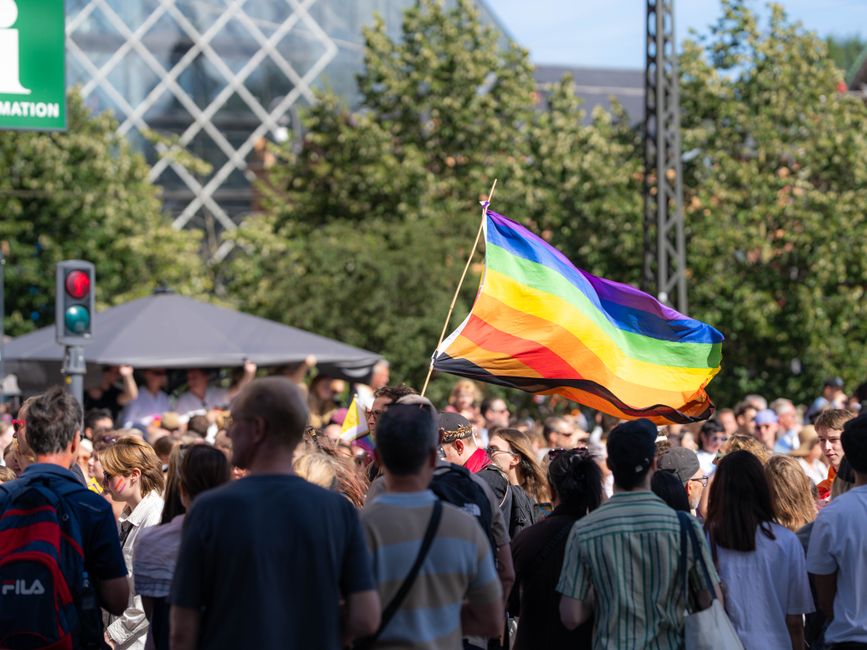
Pride Worcester, held annually in June, has grown into a significant regional event. It typically includes a downtown parade, vendor booths, live performances, and community programming over several days, drawing participants from central Massachusetts and neighboring states. The event emphasizes community participation, with increasing support from local businesses. The atmosphere is generally family-friendly and community-focused. LGBTQ+ programming also occurs throughout the year via cultural, educational, and community groups.
Where to Stay
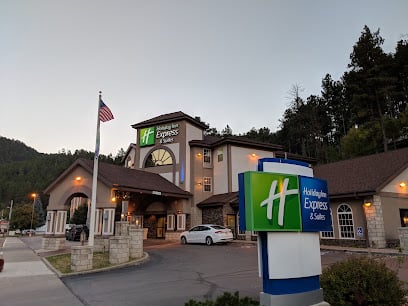
Worcester provides a range of accommodation options at prices generally lower than Boston. Downtown hotels offer convenient access to dining and entertainment. Neighborhoods like Elm Hill may offer bed-and-breakfasts and rental properties. The city's affordability can be advantageous for budget-conscious travelers, and a 2-3 day stay often allows for thorough exploration.
Worcester's diverse population contributes to a rich restaurant scene. Downtown and surrounding areas offer international cuisines, reflecting the city's immigrant communities. Many restaurants are LGBTQ+-owned or explicitly welcoming. The downtown revival includes farm-to-table establishments, coffee shops, and casual dining alongside traditional New England fare.
Transit and Getting Around
Worcester is accessible via MBTA commuter rail from Boston (approximately 1 hour) and local bus service through the Worcester Regional Transit Authority. The city is also reachable by car from Boston, Providence, and Hartford. While downtown is relatively walkable, a car is beneficial for exploring outlying areas.
Safety
Worcester is generally considered safe for LGBTQ+ travelers, with a visible community presence and institutional support. Standard urban safety practices are recommended. The city has LGBTQ+-friendly police policies, and community-police relations have seen improvement in recent decades.
Day Trips and Surrounding Area
Worcester's central location allows for easy access to regional attractions. The Pioneer Valley, home to the Five College Consortium, is about 45 minutes north and has its own LGBTQ+ communities and events. Mount Wachusett offers winter sports, and the Quabbin Reservoir provides outdoor recreation. Boston is accessible by train for those seeking more extensive urban amenities.
Practical Information
Visitors should check current information regarding operating venues and events, as specific businesses can change. Local LGBTQ+ organizations and the Worcester Convention and Visitors Bureau are resources for up-to-date information. The city's website and community organization social media pages often provide current programming calendars.
Worcester offers an accessible and welcoming option for LGBTQ+ travelers seeking community connections in New England. Its affordability, visible community, cultural programming, and hospitality make it a notable destination.
Frequently asked questions
Downtown Worcester is considered the heart of the LGBTQ+ scene, with many friendly restaurants, cafes, and social venues concentrated along Main Street and nearby blocks.
Worcester is recognized as a welcoming city with anti-discrimination protections in place. The LGBTQ+ community has seen increasing representation in local government and institutions.
The guide mentions that Pride events have drawn growing crowds, indicating an annual celebration, but specific dates are not provided.
Worcester's bar and nightlife scene is described as modest compared to larger metropolitan areas. Early LGBTQ+ social spaces were concentrated downtown, but the scene has developed cultural institutions and social networks beyond traditional bar scenes.
The guide does not specifically mention LGBTQ+-friendly hotels. However, downtown Worcester and the area surrounding Worcester State University are noted for having various social venues and housing options.
Worcester's LGBTQ+ scene is smaller than major metropolitan areas but offers authenticity and accessibility. The community is somewhat geographically dispersed rather than concentrated in one distinct gayborhood.
Your privacy choices.
We use cookies to run GayOut and, with your consent, measure usage. Learn more
Your privacy choices
We use cookies to keep GayOut running, remember your preferences, and (with your permission) measure how the site is used. You can accept all, reject all, or pick what you allow. Learn more
Essential
Required for sign-in, fraud prevention, CSRF protection and remembering your language. Cannot be disabled.
Always on
Remembers your favourites, dark mode and other interface preferences across visits.
Helps us understand which pages people visit (Google Analytics, server-side stats) so we can improve.
Used by campaign tracking pixels. None are active right now, reserved for future use.
Install GayOut
Add GayOut to your home screen for faster access, offline favourites, and Pride alerts.






 Gay Bars & Clubs
(101)
Gay Bars & Clubs
(101)