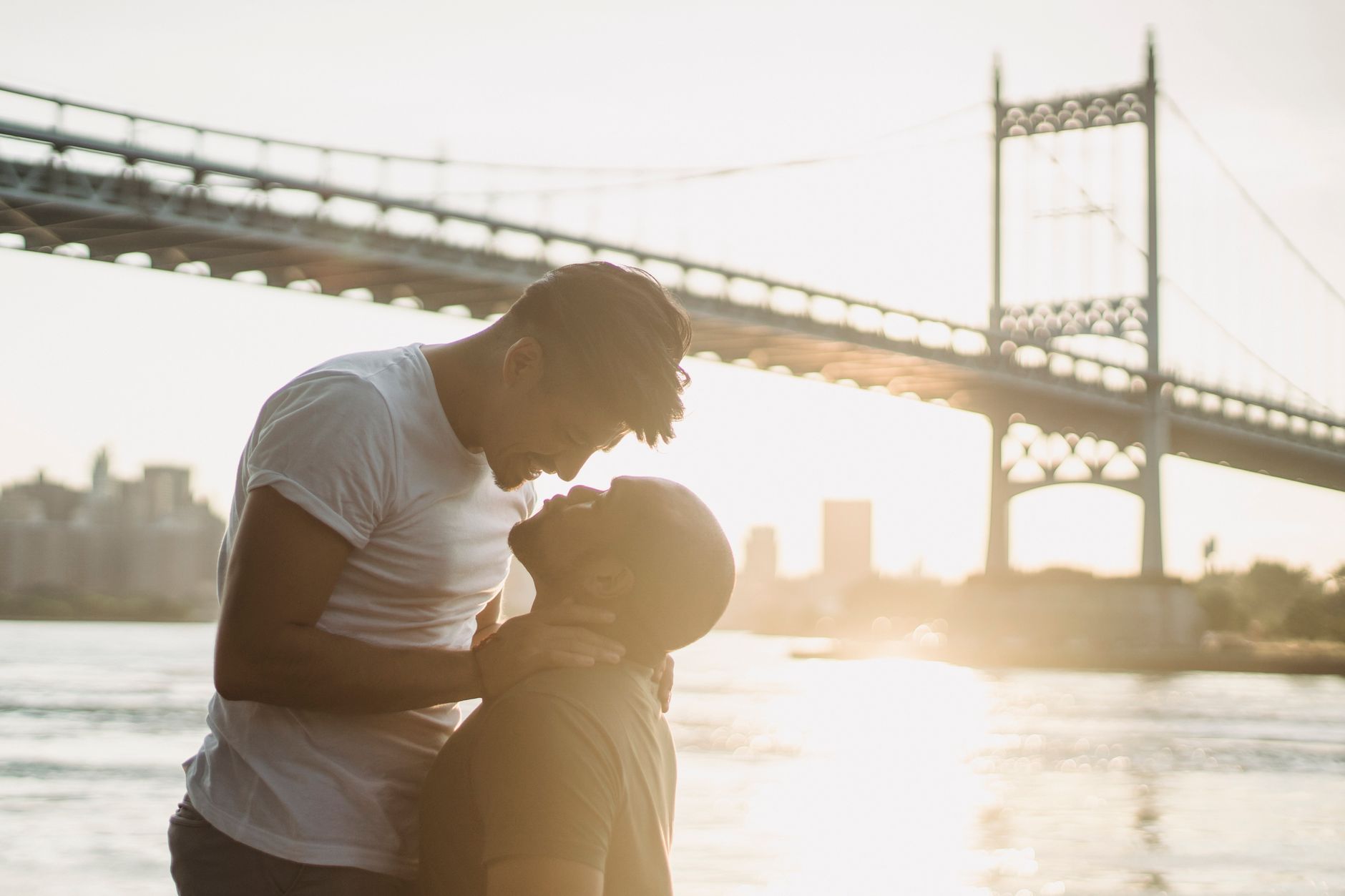
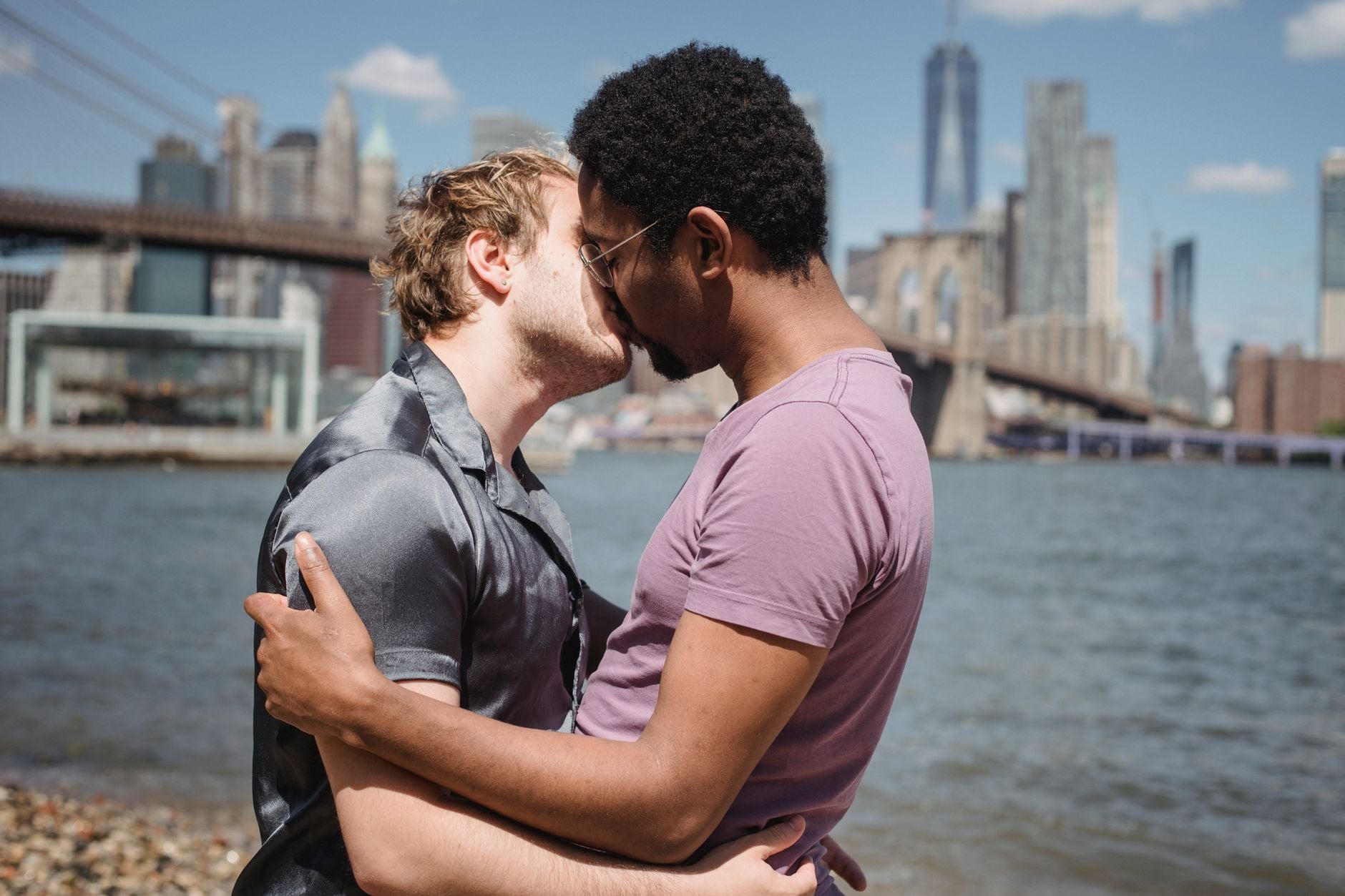
Marriage equality since Obergefell v. Hodges (26 June 2015). The Respect for Marriage Act (December 2022) provides a congressional floor, requiring federal recognition of all valid same-sex and interracial marriages regardless of future Supreme Court rulings. Bostock v. Clayton County (2020) held that Title VII of the Civil Rights Act prohibits employment discrimination on the basis of sexual orientation and gender identity. No comprehensive federal anti-discrimination law in housing or public…
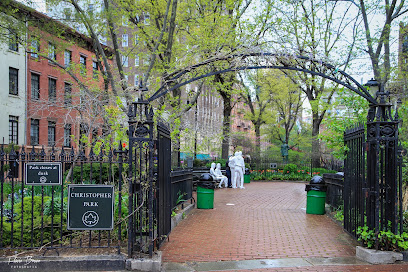
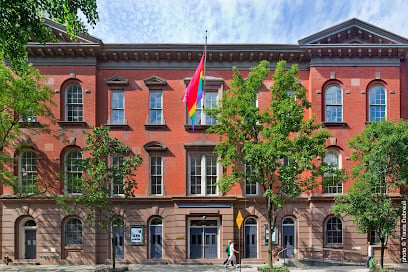
New York City holds unparalleled significance in LGBTQ+ history. The Stonewall Inn uprising on June 28, 1969, in the West Village, sparked the modern gay rights movement. What began as a police raid on this gay bar became a multi-day uprising that fundamentally transformed LGBTQ+ activism worldwide. Today, Stonewall remains a pilgrimage site and National Monument, located at 51-53 Christopher Street. The area surrounding Stonewall, including Christopher Park across the street, commemorates this pivotal moment with monuments and gathering spaces.
Throughout the 1970s and 1980s, NYC became the epicenter of gay culture, arts, and activism. The city weathered the AIDS crisis with remarkable community response, creating support systems, activist organizations, and cultural institutions that became models worldwide. This history of resilience and visibility continues to define NYC's character as a gay destination.
KEY NEIGHBORHOODS
Chelsea (West 14th to 30th Streets, 8th to 10th Avenues) is the most established gay neighborhood and remains popular with tourists and locals. The area features numerous bars, clubs, restaurants, and shops. 8th Avenue between 14th and 23rd Streets is particularly lively, with establishments ranging from casual dive bars to high-end cocktail lounges.
Hell's Kitchen (West 42nd to 59th Streets, 8th to 10th Avenues) has emerged as a trendy alternative to Chelsea, attracting younger LGBTQ+ residents and visitors. The neighborhood offers more diverse dining options, galleries, and a less exclusively gay but welcoming atmosphere. Restaurant Row and many residential buildings have made this a livable neighborhood beyond just nightlife.
The West Village, particularly around Greenwich Avenue and Christopher Street, remains historically significant and residential. Beyond Stonewall, the area features cafes, bookstores, and smaller bars that cater to both locals and visitors seeking a more intimate scene than Chelsea.
The East Village (around 2nd Avenue and St. Mark's Place) maintains queer cultural institutions including performance spaces and smaller venues. This area historically hosted punk and alternative scenes alongside gay venues, creating unique cultural fusion.
Lower East Side has boutique bars, performance spaces, and galleries with LGBTQ+ programming. This neighborhood maintains downtown's artistic edge while being increasingly gentrified.
Brooklyn neighborhoods have experienced significant LGBTQ+ population growth. Park Slope (around Prospect Park West and 7th Avenue) is home to many lesbian and queer families, with bookstores, restaurants, and community spaces. Williamsburg in North Brooklyn attracts younger queer residents and visitors with bars, venues, and a strong arts scene. Astoria in Queens has developed into an increasingly LGBTQ+-friendly neighborhood with affordable housing and diverse cultural offerings.
VENUES AND NIGHTLIFE
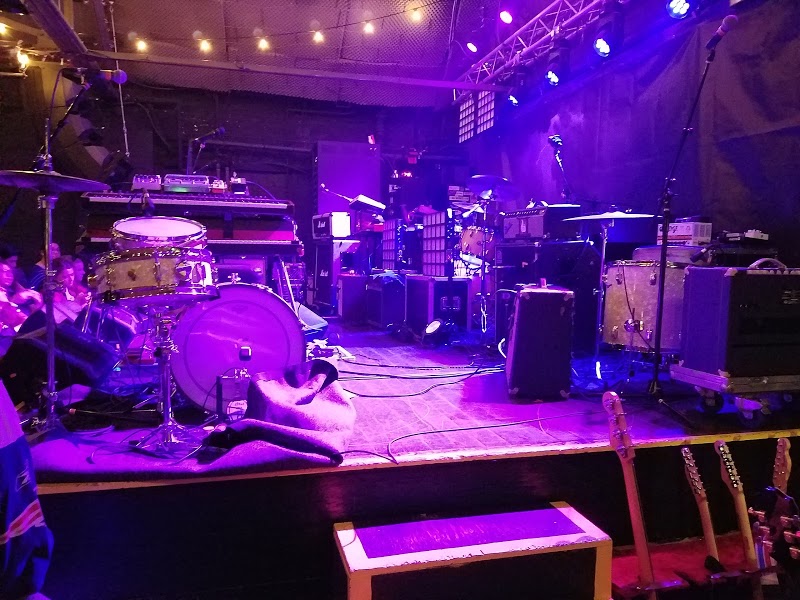
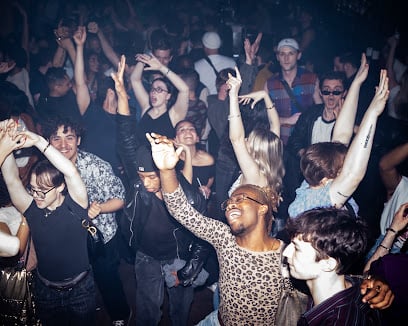
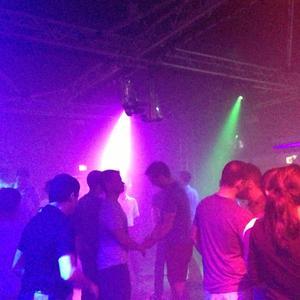
NYC's venue landscape changes regularly, but some established spaces include The Ritz in Chelsea, a multi-floor nightclub featuring different rooms and DJ styles. Therapy in Midtown offers cocktails and dancing with themed nights. Club Cumming in the East Village is an intimate cabaret bar with nightly performances and a warm, theatrical crowd. Marie's Crisis in the West Village is a legendary piano bar where Broadway performers and enthusiasts gather for singalongs.
The city hosts drag shows across neighborhoods, with performances at venues ranging from casual bars to theaters. Major production companies and independent performers offer shows multiple nights weekly.
Bathhouses remain part of NYC's adult entertainment scene, primarily in Chelsea and Midtown areas.
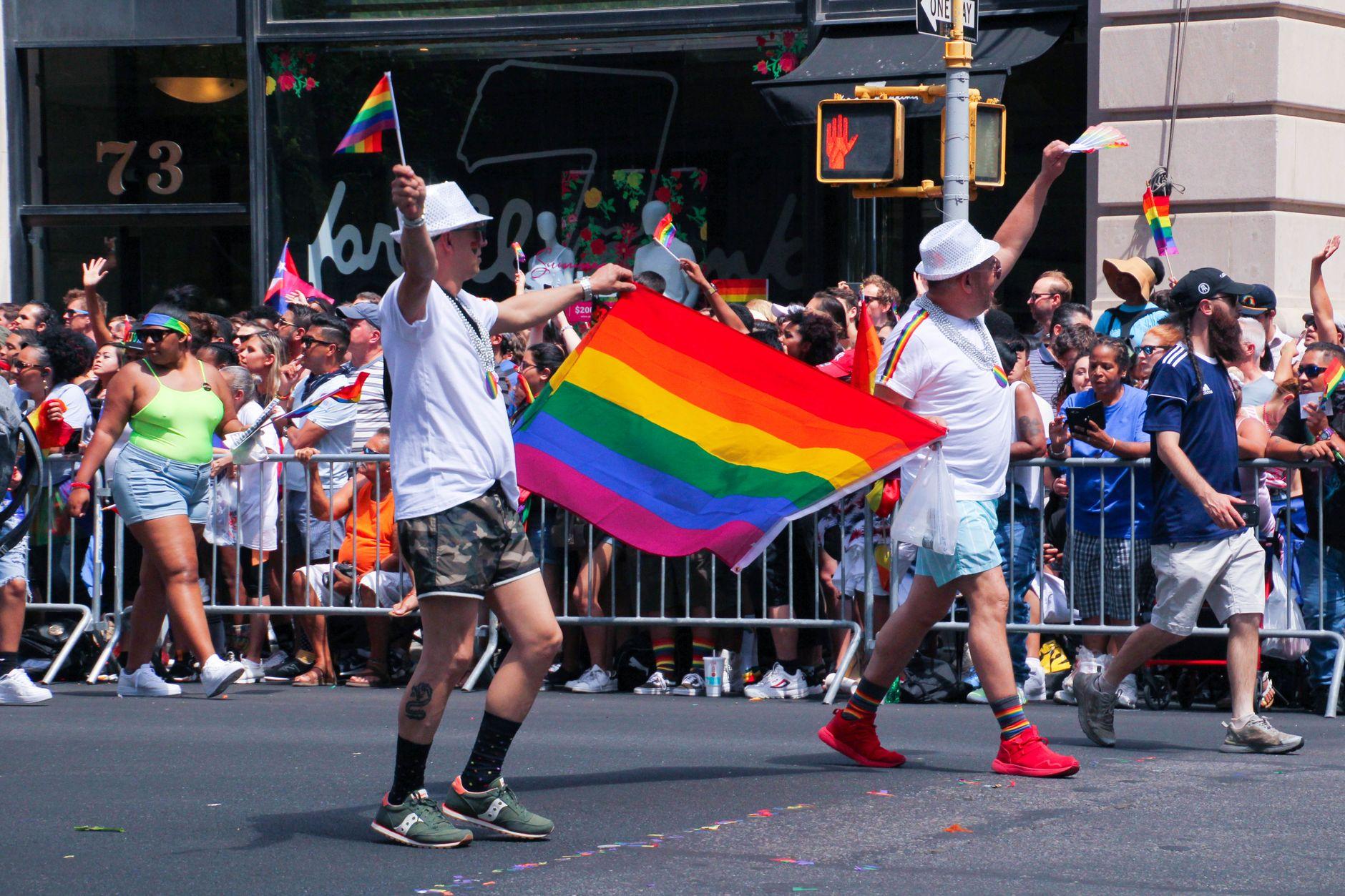
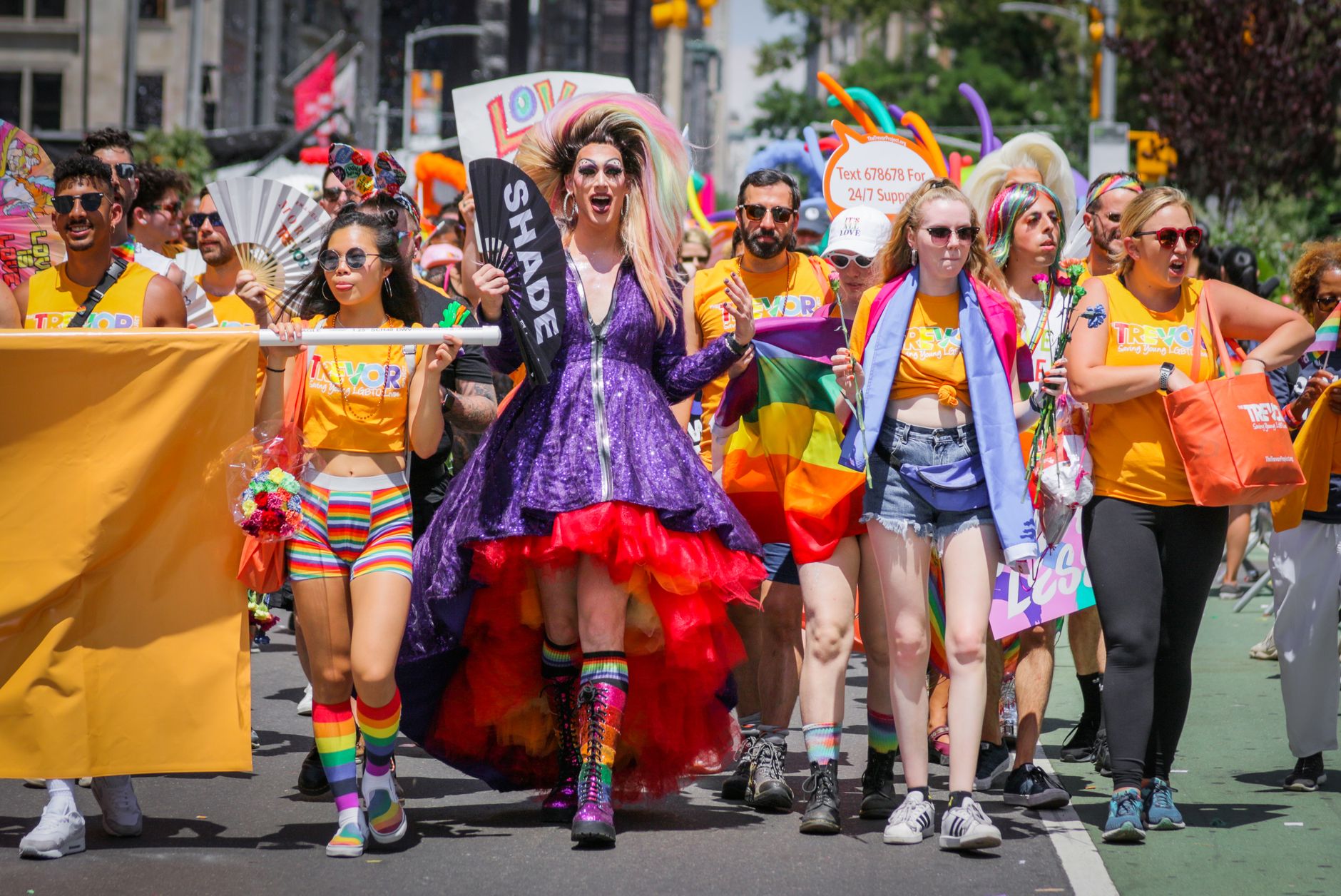
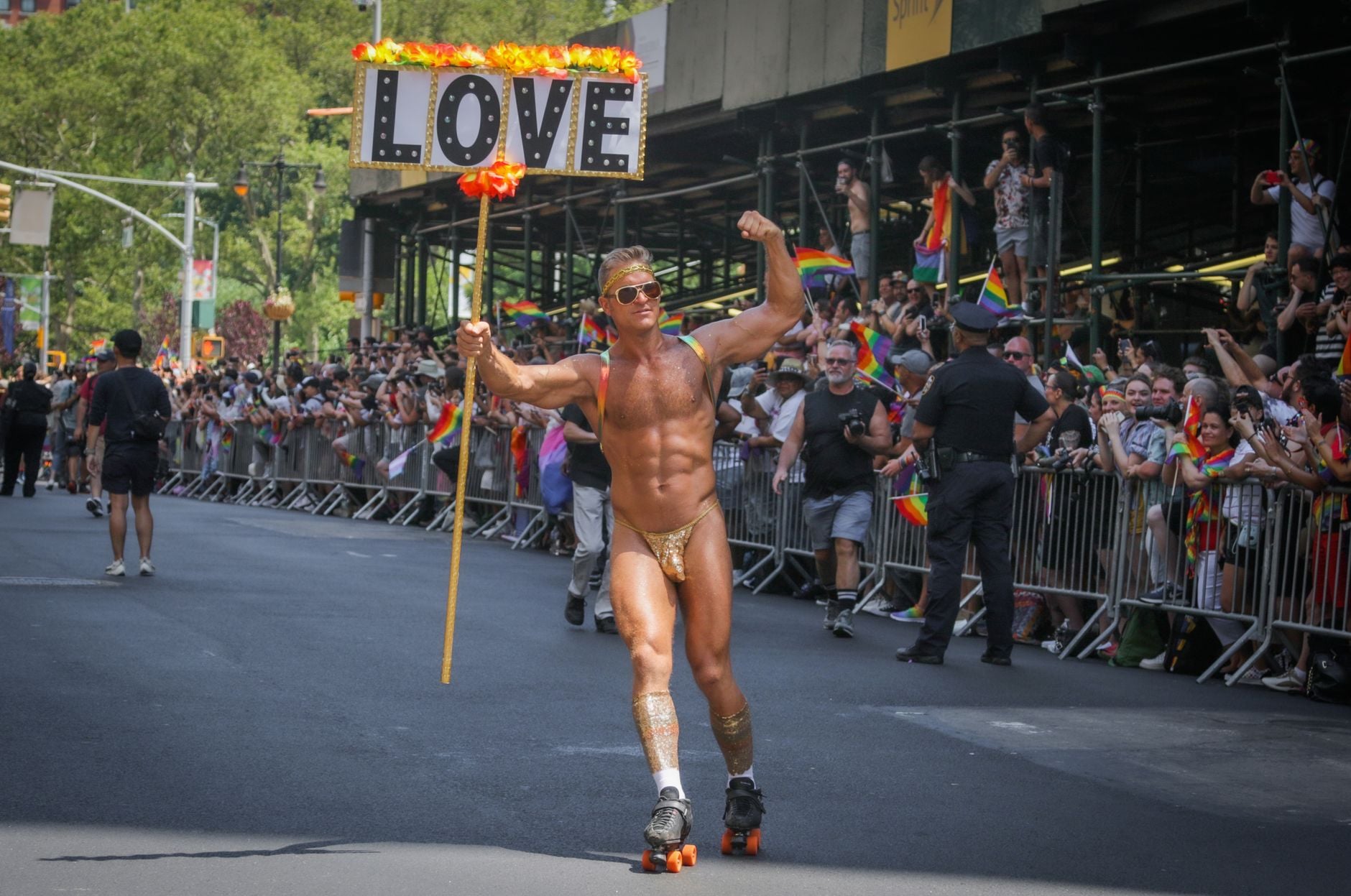
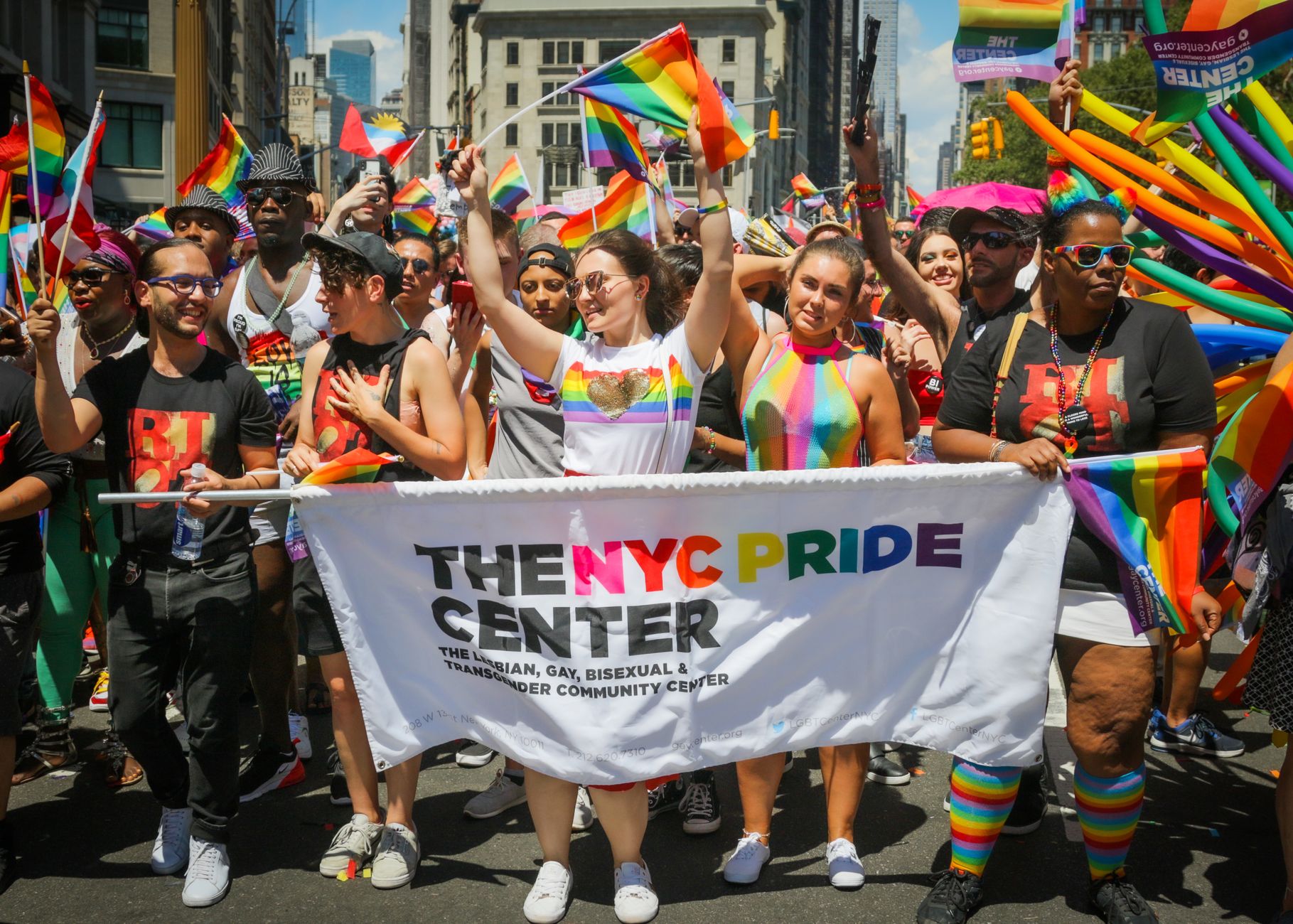
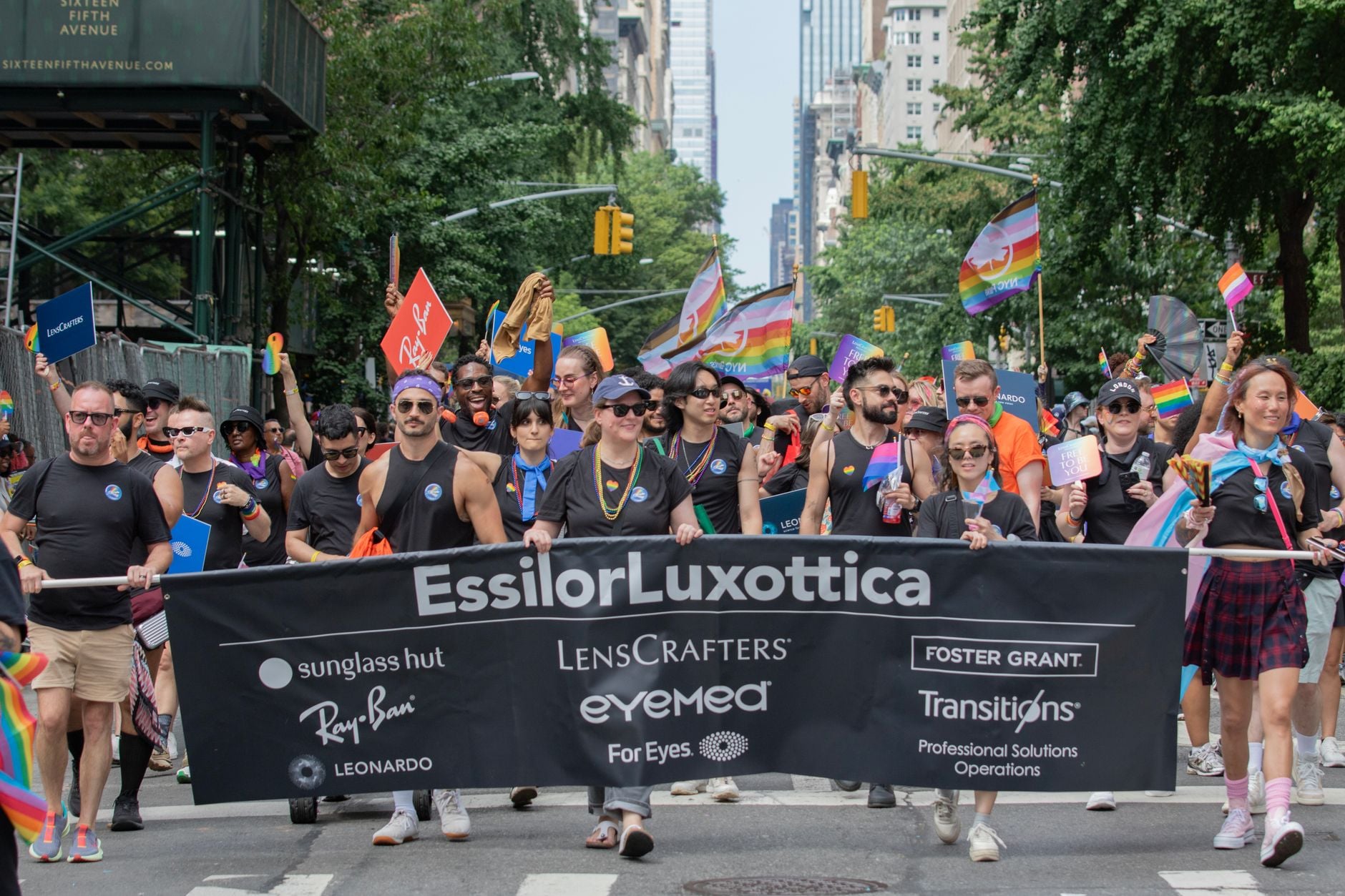
NYC Pride in June is the largest Pride celebration in the United States. The Pride March typically occurs on the last Sunday of June, featuring floats, contingents, and hundreds of thousands of participants marching from Chelsea up 5th Avenue to Central Park. Street fairs, dances, and events continue throughout June and into the following week. Hotels book months in advance, and prices increase significantly.
Other major events include the New York LGBT Film Festival (typically autumn), various theater and comedy festivals, and regular Pride-related events throughout the month of June. Winter events include New Year's celebrations, and throughout the year, neighborhoods host Pride street fairs and community gatherings.
WHERE TO STAY
Chelsea offers numerous hotels within walking distance of nightlife and restaurants, ranging from budget to luxury options. Hotels here book quickly during Pride season. The area is convenient for gay venue exploration but can feel touristy.
Hell's Kitchen provides more residential hotel options with less exclusively gay atmosphere but walkable to Chelsea and Midtown attractions.
The West Village and East Village offer smaller inns, boutique hotels, and Airbnb options for travelers seeking neighborhood character alongside gay scene access.
Midtown Manhattan hotels offer proximity to Broadway, Times Square, and many attractions, though the gay scene is less concentrated here. Astoria and Williamsburg in Brooklyn offer budget-friendly accommodations with growing LGBTQ+ scenes.
New York City is generally safe for LGBTQ+ travelers. The city has strong anti-discrimination laws and large visible LGBTQ+ communities across multiple neighborhoods. Police relationships with LGBTQ+ communities have evolved significantly since Stonewall, though community-police dynamics remain an ongoing discussion. As with any large city, standard urban safety precautions apply: avoid displaying excessive valuables, travel in groups at night when possible, and stay aware of surroundings. Chelsea, Hell's Kitchen, and the West Village are well-traveled and generally well-lit areas. Outer boroughs like Astoria and Park Slope are also generally safe and increasingly LGBTQ+-friendly, though comfort levels vary by individual intersection and specific location.
TRANSIT
The New York City subway system is the primary transit method. Most gay neighborhoods and venues are accessible via multiple subway lines. The MTA operates 24-hour service on select lines. MetroCard passes offer economical transit (unlimited 7-day passes available). Buses supplement subway service. Taxis, rideshare services (Uber, Lyft), and walking provide additional options. Chelsea and Hell's Kitchen are highly walkable for nightlife. The city is accessible for travelers with mobility considerations, though some older subway stations lack elevators.
FOOD AND DINING
New York offers world-class dining across all neighborhoods and price points. Chelsea features casual restaurants, brunch spots, and upscale dining. Hell's Kitchen includes Restaurant Row with diverse cuisines. The West Village offers Italian restaurants, bistros, and upscale establishments. Neighborhoods like Astoria (Greek and international cuisines) and Jackson Heights (South Asian and Latin American food) offer ethnic dining at reasonable prices. Many LGBTQ+-owned or LGBTQ+-friendly restaurants exist throughout the city. Pride season and weekends can mean long waits and premium pricing.
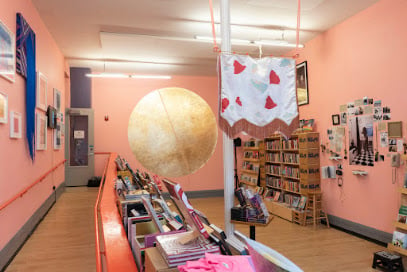
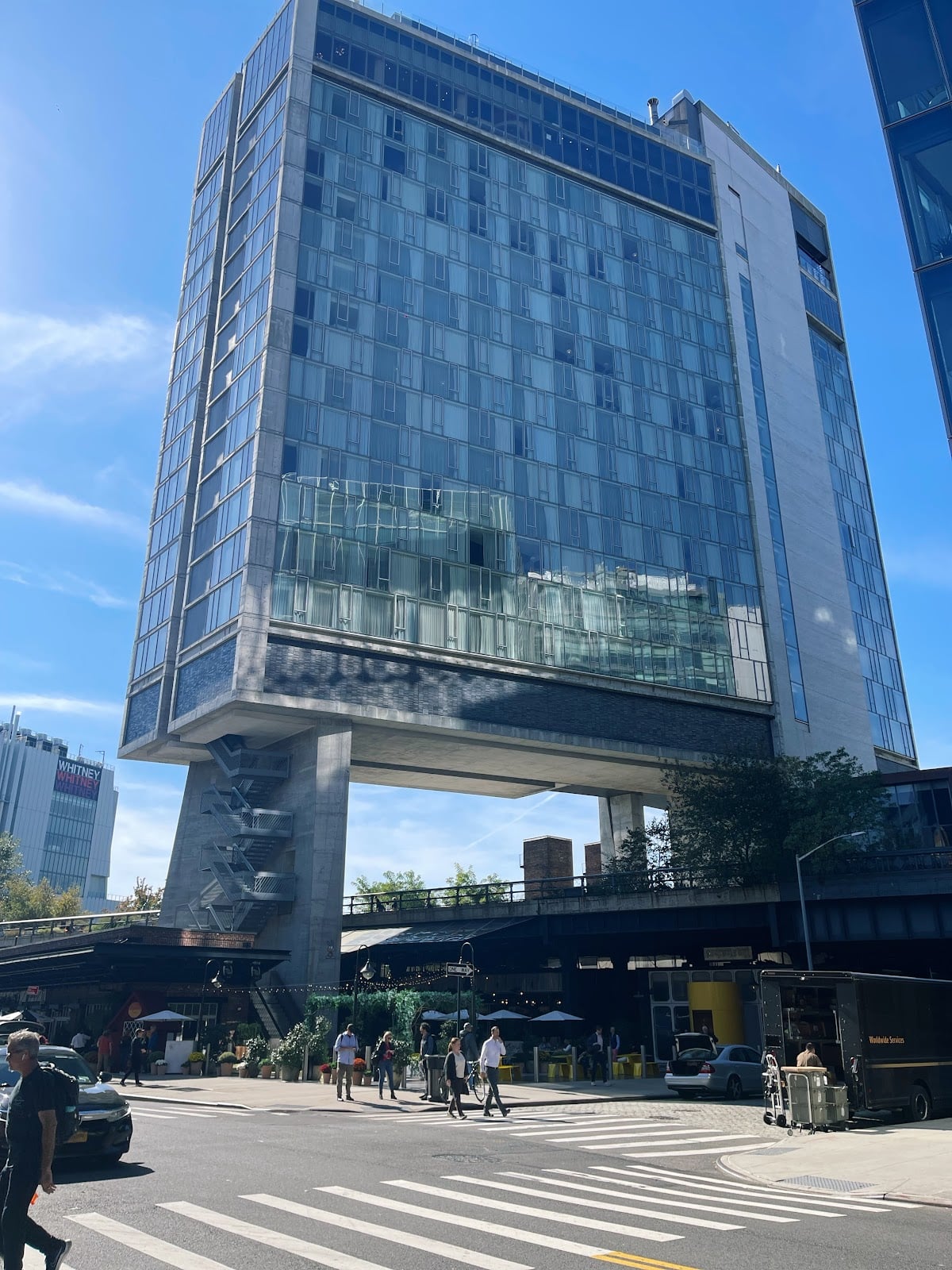
Beyond gay venues, NYC offers world-class museums (Metropolitan Museum of Art, Museum of Modern Art, American Museum of Natural History), Broadway theater, Central Park, historic landmarks, and galleries. The Stonewall National Monument and nearby Christopher Park memorials are essential LGBTQ+ history sites. The Leslie-Lohman Museum specializes in LGBTQ+ art. Brooklyn Museum and numerous smaller galleries feature LGBTQ+ artists and programming. High Line elevated park offers scenic walks through Chelsea and surrounding areas.
DAY TRIPS
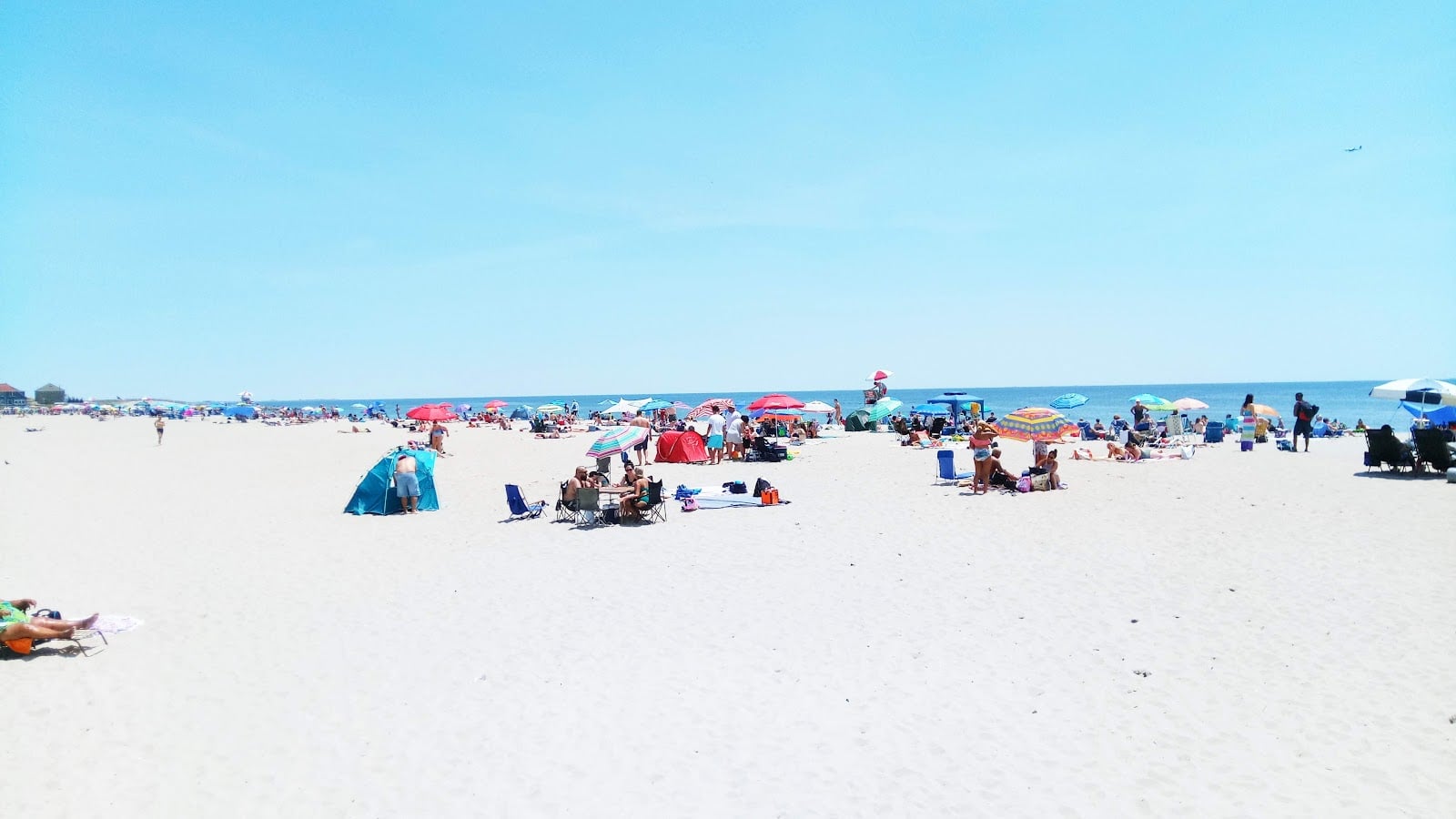
Fire Island (accessible via ferry from Long Island) is legendary in LGBTQ+ culture, featuring beaches, communities, and nightlife approximately 90 minutes from Manhattan. Specific areas like Cherry Grove and The Pines are historically significant gay communities. Day trips are possible; overnight stays offer fuller experience. The Hamptons on Long Island offer beaches and upscale communities. Hudson Valley destinations like Rhinebeck and Woodstock are approximately 90 minutes north, featuring farms, hiking, and increasingly LGBTQ+-friendly businesses. These areas offer contrast to city intensity and are accessible via Metro-North Railroad or car rental.
Frequently asked questions
New York is the birthplace of the modern LGBTQ+ rights movement (Stonewall, 1969) and remains one of the most LGBTQ+-friendly cities in the world. Same-sex marriage has been legal in NY since 2011. Visibility is high in Manhattan and Brooklyn.
New York has multiple gay neighborhoods. The historic core is the West Village / Greenwich Village (Stonewall Inn, Christopher Street). Hell's Kitchen has become the largest contemporary gay quarter — densely packed with bars and gyms. Williamsburg (Brooklyn) is the queer/alternative hub. Chelsea remains gay-popular too.
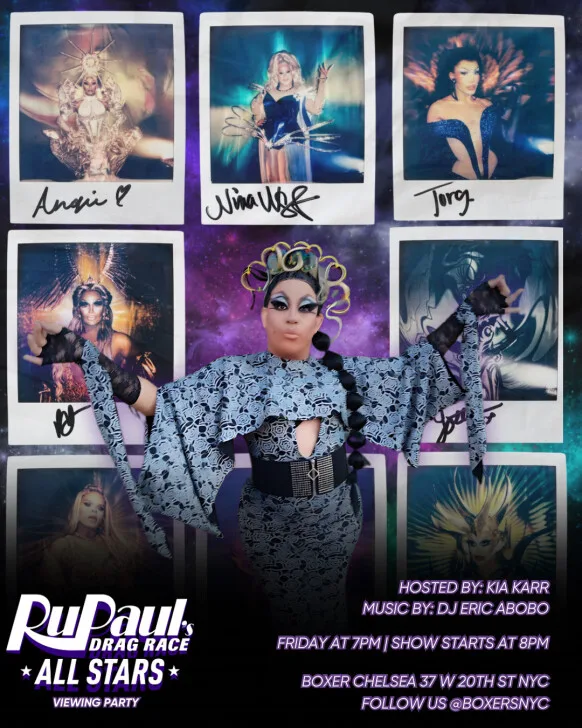
Hell's Kitchen: Industry, The Ritz, Boxers, Flaming Saddles. Chelsea: Gym Bar, Eagle NYC. West Village: Stonewall, Marie's Crisis (piano bar). Brooklyn: Macri Park, Metropolitan. For mega-events: dance parties at Spin (Chelsea) and various circuit nights.
Late June for NYC Pride — the parade goes down Fifth Avenue and is one of the largest in the world. WorldPride was hosted here in 2019. Folsom Street East (mid-June leather festival), the Black Party (March), and Halloween Village Parade are calendar highlights.
The Out NYC (Hell's Kitchen) is the only explicitly gay hotel. Many hotels in Hell's Kitchen, Chelsea and West Village are gay-popular. See the hotel map above for current prices.
Your privacy choices.
We use cookies to run GayOut and, with your consent, measure usage. Learn more
Your privacy choices
We use cookies to keep GayOut running, remember your preferences, and (with your permission) measure how the site is used. You can accept all, reject all, or pick what you allow. Learn more
Essential
Required for sign-in, fraud prevention, CSRF protection and remembering your language. Cannot be disabled.
Always on
Remembers your favourites, dark mode and other interface preferences across visits.
Helps us understand which pages people visit (Google Analytics, server-side stats) so we can improve.
Used by campaign tracking pixels. None are active right now, reserved for future use.
Install GayOut
Add GayOut to your home screen for faster access, offline favourites, and Pride alerts.



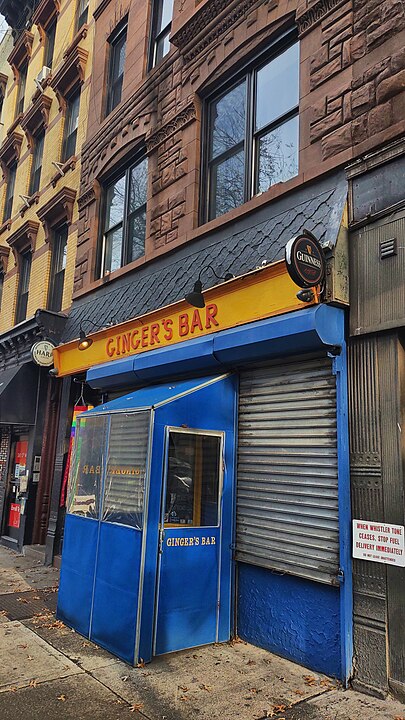










 Gay Bars & Clubs
Featured
(760)
Gay Bars & Clubs
Featured
(760)