If detained: do not sign any document you do not understand. Request your embassy and a lawyer immediately. Do not consent to phone searches without legal advice.
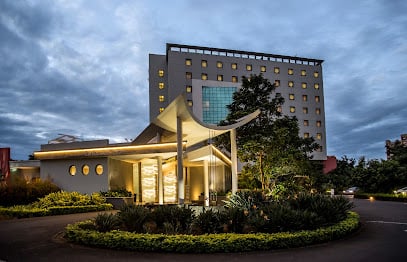
Boutique four-star hotel in Port Louis's financial district ? the recommended gay-welcoming city hotel for business travelers and those spending time in the Mauritian capital.
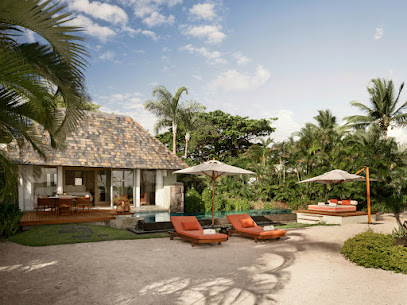
One of the finest Four Seasons resorts in the world ? a stunning private lagoon property on the east coast of Mauritius. The benchmark LGBTQ+-welcoming luxury resort on the island.
Port Louis, the capital of Mauritius, offers a multicultural experience in the Indian Ocean. For LGBTQ+ travelers, navigating the city involves understanding local social norms alongside its cosmopolitan character.
Legal Context and Safety
Same-sex relationships were decriminalized in Mauritius in 2017. However, legal protections for LGBTQ+ individuals are still developing, and the age of consent is not equal. While Port Louis's population is generally more open than in rural areas, public displays of affection by same-sex couples may attract attention. While not systematically targeted, LGBTQ+ individuals should exercise discretion, particularly away from main tourist areas. Standard urban safety practices are recommended.
The LGBTQ+ Scene
Port Louis does not have a dedicated LGBTQ+ district or numerous openly gay venues. The scene is more discreet and socially networked. Connections are often made through dating apps and online communities. While these platforms are used, the user base is smaller than in larger cities.
Neighborhoods and Orientation
Downtown Port Louis: This central area encompasses government buildings, markets, shops, and restaurants, including the Caudan Waterfront with its dining and shopping options. This district is generally welcoming, though not specifically LGBTQ+-oriented.
Waterfront (Caudan): The waterfront area offers restaurants and bars that attract a diverse clientele, including LGBTQ+ visitors and locals.
Barracks: A historic residential area with colonial architecture, offering a quieter atmosphere than downtown.
Le Pouce and Port Louis Heights: Residential areas on the hillsides providing city views.
Venues and Dining
While explicit LGBTQ+ venues are scarce, Port Louis has a growing restaurant and bar scene. The Caudan Waterfront features restaurants with international cuisine. Some upscale hotels in the Waterfront area have bars that cater to a mixed clientele. Travelers should confirm current venue operations locally, as the scene is small and can change. Inquiries at hotels or current online travel forums may provide up-to-date recommendations.
Accommodation
Port Louis offers a range of hotels. Mid-range and upscale hotels are generally recommended for their professional and non-discriminatory environments. The Waterfront area has modern hotel options. Researching smaller guesthouses and budget accommodations is advisable. Many LGBTQ+ travelers use Port Louis as a base to explore other parts of the island.
Mauritius does not host a large, established Pride event in Port Louis. The LGBTQ+ community is smaller and tends to be cautious about large public gatherings. The International Day Against Homophobia, Transphobia and Biphobia (May 17) may be marked with low-key events. Local LGBTQ+ organizations may organize awareness events, typically for community members.
Getting Around
Port Louis is walkable in its downtown and Waterfront areas. Taxis are available; agree on fares in advance or use ride-sharing apps if available. Buses connect Port Louis to other parts of the island. Rental cars offer flexibility for exploring further afield. The airport is approximately 40 kilometers south, with taxi and shuttle services to the city.
Food and Culture
Port Louis's multicultural population is reflected in its diverse cuisine, with Indian, Chinese, French, and local seafood influences. The Central Market offers produce, fish, and local goods. Street food includes items like dholl puri. Mainstream restaurants throughout the city are generally welcoming to LGBTQ+ diners. Cultural sites include the Aapravasi Ghat, the Natural History Museum, and various religious buildings.
Day Trips and Beyond
Many visitors use Port Louis as a starting point for exploring the island. Popular day trips include Black River Gorges National Park and beach areas like Trou d'Eau Douce and Grand Baie. The island's natural attractions, such as coral reefs and waterfalls, are a significant draw. Discretion is advised when visiting other parts of the island, as the broader region can be conservative.
Practical Tips
Basic French and English are widely spoken. The currency is the Mauritian rupee. ATMs and card payments are common. Healthcare facilities in Port Louis are adequate. Travel insurance is recommended. The cyclone season runs from November to May; the best visiting period is May to November for cooler, drier weather. Connecting with LGBTQ+ organizations or local contacts before arrival, and consulting current online forums, can provide up-to-date advice.
Who Should Visit
Port Louis and Mauritius are suited for LGBTQ+ travelers seeking cultural and natural experiences rather than a prominent gay nightlife scene. The island appeals to couples, solo travelers interested in multiculturalism, and those drawn to beaches and nature. Those prioritizing an active gay scene may find other destinations more suitable. The island's natural beauty and cultural diversity are key attractions, with Port Louis serving as a central hub for exploring the wider island.
Frequently asked questions
Port Louis is reasonably safe for tourists generally. While same-sex relationships were decriminalized in 2017, discretion is advisable, particularly outside established tourist areas, as public displays of affection may attract unwanted attention.
Port Louis lacks a concentrated gay district or numerous dedicated LGBTQ+ venues. The scene is more diffuse and socially networked, with connections often happening through apps and personal networks rather than physical spaces.
Downtown Port Louis, particularly the harbor area and the Caudan Waterfront development, tends to be relatively gay-friendly in atmosphere. Some upscale restaurants in these areas attract LGBTQ+ locals and visitors.
Same-sex relationships were decriminalized in 2017. However, the legal age of consent remains unequal, and LGBTQ+ legal protections are limited.
Dating and hookup apps do function in Port Louis. However, the user bases are smaller compared to larger cities.
Some hotels and upscale restaurants in the downtown and waterfront areas tend to be gay-friendly and attract LGBTQ+ individuals, though they are not exclusively gay venues.
Your privacy choices.
We use cookies to run GayOut and, with your consent, measure usage. Learn more
Your privacy choices
We use cookies to keep GayOut running, remember your preferences, and (with your permission) measure how the site is used. You can accept all, reject all, or pick what you allow. Learn more
Essential
Required for sign-in, fraud prevention, CSRF protection and remembering your language. Cannot be disabled.
Always on
Remembers your favourites, dark mode and other interface preferences across visits.
Helps us understand which pages people visit (Google Analytics, server-side stats) so we can improve.
Used by campaign tracking pixels. None are active right now, reserved for future use.
Install GayOut
Add GayOut to your home screen for faster access, offline favourites, and Pride alerts.


 Gay-Friendly Hotel
(1780)
Gay-Friendly Hotel
(1780)