Same-sex acts never criminalised in Cambodia. No legal recognition of partnerships or marriage. Generally tolerant society. Rainbow Community Kampuchea (RoCK) is the main LGBTQ+ NGO. No formal Pride parade ? community events only.
Cambodia's legal framework does not recognise same-sex marriage. While the Penal Code includes provisions that could be interpreted to criminalise same-sex conduct, enforcement against foreign visitors is inconsistent and rare. However, the law can be applied opportunistically, particularly in conjunction with other charges or in response to complaints. There are no specific hate crime protections for LGBTQ+ individuals. While discussions around LGBTQ+ rights have increased in recent years, legal reforms have not followed, with conservative religious and governmental stances remaining restrictive. For practical purposes, foreign tourists are unlikely to face legal issues solely based on their sexual orientation or gender identity, but discretion is advised, and assuming immunity as a foreigner is not recommended.
Practical Safety and Discretion
When using dating and social apps, exercise caution. Platforms like Grindr and Blued may be monitored, and many local LGBTQ+ individuals use them minimally or avoid them altogether. If you choose to use these apps, avoid disclosing your hotel location, do not agree to meet strangers in isolated areas, and be aware that law enforcement has been known to employ entrapment tactics.
Regarding accommodation, international hotel chains and reputable boutique hotels generally accommodate same-sex couples without issue, often providing double beds. Many local guesthouses and budget hotels may have policies against unmarried couples sharing rooms, which can be selectively enforced against same-sex couples. It is advisable to book with international brands and confirm policies in advance.
Public displays of affection between same-sex partners, such as holding hands or kissing, can attract unwanted attention, comments, or even police involvement. Opposite-sex couples generally face less scrutiny. It is best to avoid open displays of affection in public spaces, including streets, markets, restaurants, and on public transport.
It is advisable not to discuss your sexual orientation or gender identity with strangers or casual acquaintances. Avoid any unofficial gatherings advertised as LGBTQ+ events, as these do not operate openly in Cambodia. Refrain from taking photographs of your partner in ways that make your relationship obvious, especially in rural or religious areas. Engaging in or soliciting sex work significantly increases legal and personal risk.
Socialising and Expat Circles
LGBTQ+ social life in Siem Reap primarily exists within private settings. The expat community, comprising business professionals, NGO workers, and diplomatic staff, includes many LGBTQ+ individuals and allies. Some hotels with international staff may be more tolerant of mixed groups and couples, particularly in their bar areas after dark. However, there are no openly LGBTQ+ venues, dedicated Pride events, drag shows, or specific queer nightlife spaces.
Private gatherings and informal networks do exist, often organised through established connections or international travel networks. Meeting other LGBTQ+ travellers typically occurs through word-of-mouth. While some international human rights NGOs may offer quiet support networks, these are generally not accessible to tourists.
Food & Drink
Restaurants, cafes, and tourist-oriented bars in international settings do not typically discriminate against same-sex couples, provided they remain discreet. Dining together is generally a safer activity than overt socialising. Late-night bars catering to expats and tourists tend to be more cosmopolitan than local establishments.
Mainstream Travel Highlights
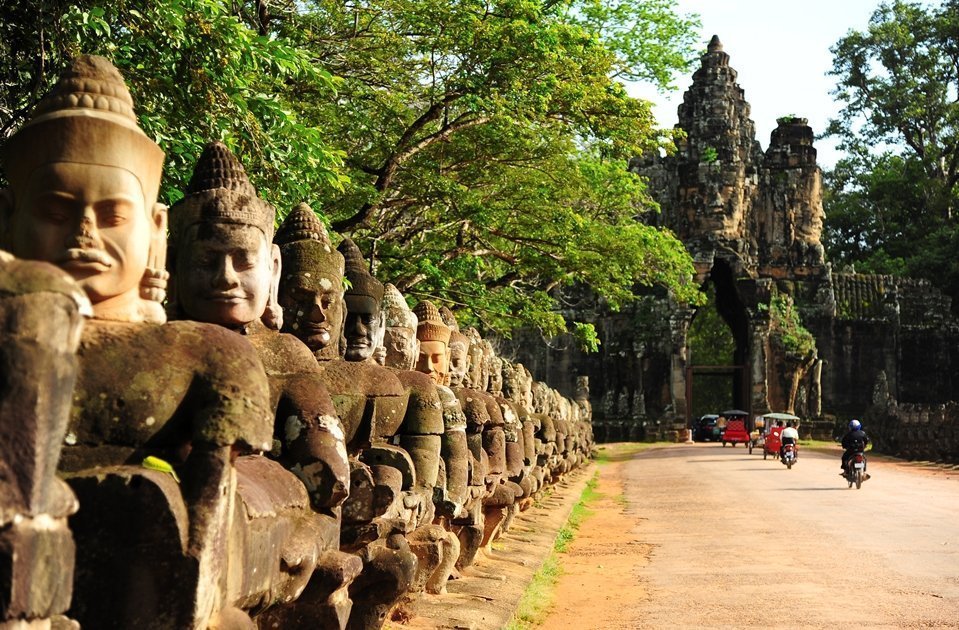
The primary attraction is Angkor Wat and the surrounding Angkor Archaeological Park. Multi-day temple tours are common, and guides are accustomed to diverse groups. The night market offers local food and souvenirs. Popular dishes include amok and lok lak. The city's colonial architecture and riverside area have been developed for tourism, with the Old Market quarter providing shopping and dining options. Artisan workshops and craft demonstrations are also popular activities.
Nightlife for tourists is mainly found in hotel bars, international restaurants with bar service, and some larger clubs playing popular music. These venues attract mixed crowds, and the atmosphere in tourist zones is generally relaxed. However, there is no LGBTQ+ branding or dedicated queer nightlife.
Where to Stay
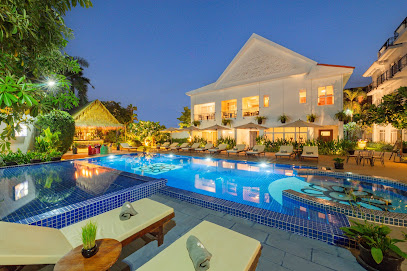
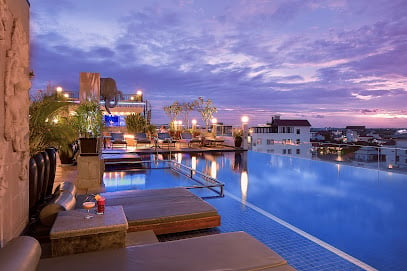
International luxury and mid-range hotel chains such as Sofitel Legend Angkor, Park Hyatt, and Raffles Grand Hotel d'Angkor are reliable choices. These properties adhere to international hospitality standards and will accommodate same-sex couples in double rooms without issue, making them the safest option.
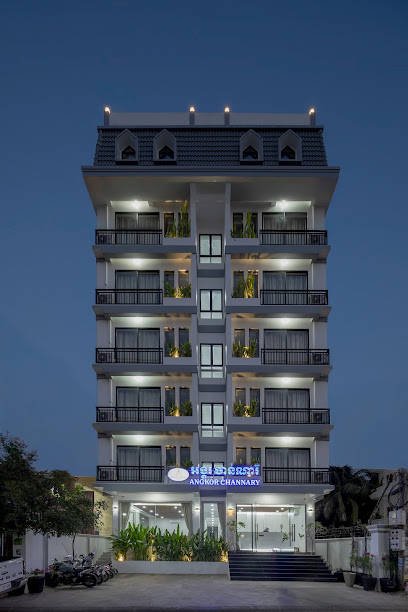
Many small, well-reviewed international-owned boutique hotels operate in Siem Reap. It is recommended to read recent reviews carefully and check for positive experiences reported by same-sex couples. Properties with international ownership and staff tend to be more inclusive.
For budget accommodation, many local guesthouses and budget chains may refuse same-sex couples shared rooms or attempt to separate guests. If budget accommodation is necessary, booking through international platforms like Booking.com or Agoda, which allow room requests and provide guest reviews, is advisable. Avoid places with negative reviews concerning room policies.
LGBTQ+ travellers who are comfortable with discretion, understand the legal restrictions, and can accept a limited social scene can visit Siem Reap safely. The city offers a world-class tourist experience, and the restrictions do not preclude a meaningful visit. Solo LGBTQ+ travellers, couples comfortable with privacy, and groups of international friends are likely to have a positive experience.
Transgender and non-binary travellers should exercise particular caution. Cambodia has no legal recognition of gender identity, and the risk of discrimination and harassment may be elevated. Visibly gender-non-conforming presentations could attract unwanted attention.
Travellers seeking an open LGBTQ+ scene, Pride celebrations, or large social gatherings should consider alternative destinations. Siem Reap does not offer these. Those with a low tolerance for discretion, or those seeking activism or visibility, may find other locations more suitable.
First-time visitors to Asia who are not experienced in navigating restrictive environments should carefully consider if Siem Reap aligns with their expectations. The legal context and social constraints are real, and preparation is essential.
Your privacy choices.
We use cookies to run GayOut and, with your consent, measure usage. Learn more
Your privacy choices
We use cookies to keep GayOut running, remember your preferences, and (with your permission) measure how the site is used. You can accept all, reject all, or pick what you allow. Learn more
Essential
Required for sign-in, fraud prevention, CSRF protection and remembering your language. Cannot be disabled.
Always on
Remembers your favourites, dark mode and other interface preferences across visits.
Helps us understand which pages people visit (Google Analytics, server-side stats) so we can improve.
Used by campaign tracking pixels. None are active right now, reserved for future use.
Install GayOut
Add GayOut to your home screen for faster access, offline favourites, and Pride alerts.



 Gay-Friendly Hotel
(73)
Gay-Friendly Hotel
(73)