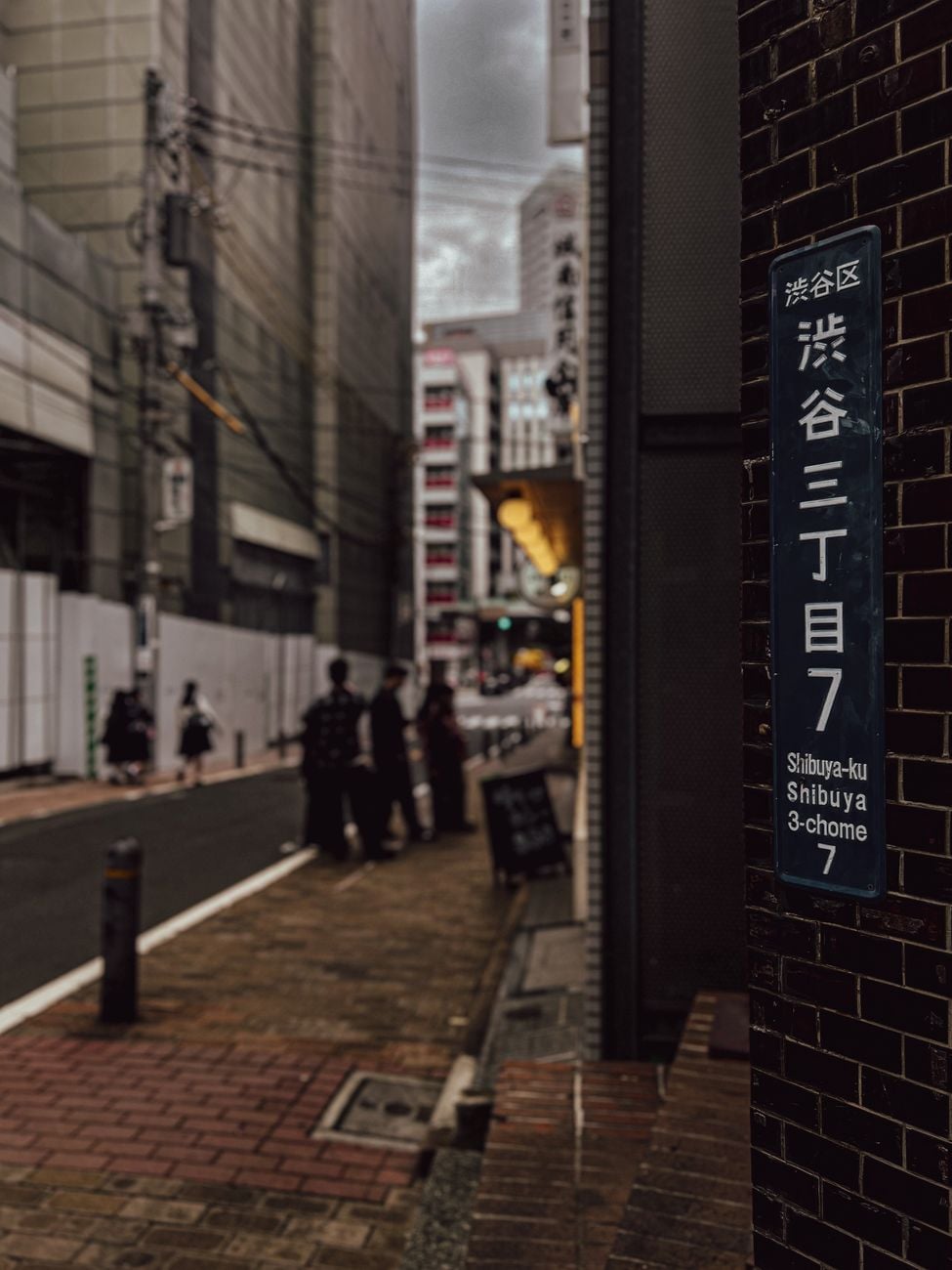
Shibuya-ku
🇯🇵

Asia / Australia / Japan

Gay Shibuya-ku 2026

LGBTQ+ Travel Guide & City Directory

LGBTQ+ Legal Status in Japan

Based on national laws as of 2025

75/100
LGBTQ+ Friendly
Same-sex relations legal
Equal age of consent
Partnership / union
Same-sex marriage
Adoption rights
Anti-discrimination law
Legal gender change

No national recognition of same-sex partnerships. Many municipalities issue partnership certificates. National same-sex marriage ruling is expected from courts. Social acceptance varies widely.

Upcoming Events in Shibuya-ku

Queer Comedy/Horror Movie Night Out
7 AUG
8:30 AM
Queer Comedy/Horror Movie Night Out
Newtown Dendy
Comedy Film Screening
SQS Mondays - Stonewall Newtown, 10 August S
10 AUG
8:00 AM
SQS Mondays - Stonewall Newtown, 10 August
Stonewall Newtown
🏳️‍🌈 Annual Pride 3-on-3 Badminton Friendly 🏳
11 AUG
8:45 AM
🏳️‍🌈 Annual Pride 3-on-3 Badminton Friendly
Alpha Badminton Centre (Egerton)
SQS Mondays – Kinselas 17 August S
17 AUG
8:00 AM
SQS Mondays – Kinselas 17 August
Kinselas Bar. Taylor Square. Surry Hills
Queer Reads Q
19 AUG
8:30 AM
Queer Reads
Waverley Library
SQS Mondays – East Village Hotel, 24 August S
24 AUG
8:00 AM
SQS Mondays – East Village Hotel, 24 August
East Village Hotel Sydney
Queer Screen Film Festival 2026
4 SEP
8:30 AM
Queer Screen Film Festival 2026
George Street Cinemas
Festival Community

Know an event that's not listed here?

+ Add it now
Never miss a gay event in Shibuya-ku
One email a week — the weekend lineup, parties and deals. No spam, unsubscribe anytime.

Gay-Friendly Bars & Clubs in Shibuya-ku

Bang

Gay-Friendly Bars & Clubs

Experience Tokyo's vibrant Shibuya district at this LGBTQ+ friendly spot. Inclusive and welcoming for all.

LGBTQ+ Friendly Jul 2026

Gay-Friendly Hotels in Shibuya-ku

View all 7 →

Where to stay in Shibuya-ku

via Stay22
Where to stay in Shibuya-ku
Loading map…
Flights to Shibuya-ku New York → NRT from $881

🎟️ Tours & Experiences in Shibuya-ku

via GetYourGuide

Skip-the-line tickets, walking tours, day trips and unique LGBTQ+ friendly experiences — booked instantly with free cancellation.

Travel Guide

Gay Shibuya-ku — Your Complete Guide

Everything worth knowing before you go.

Gay venues
10
LGBTQ+ status
Welcoming
In this guide · 14 sections

Shibuya's LGBTQ+ History and Contemporary Scene

Tokyo's gay scene has long been concentrated in specific wards, with Shibuya emerging as a major hub from the 1980s onward. While earlier gay culture existed in areas like Shinjuku's Ni-chome district, Shibuya developed its own identity catering to younger demographics and eventually becoming the focal point for Tokyo Pride celebrations. The decriminalization of homosexuality in Japan (which technically occurred in 1880 with the Meiji Restoration, though social acceptance lagged far behind) meant that gay venues could operate openly earlier than in many Western countries, though discretion remained culturally valued.

The contemporary scene reflects Japan's complex relationship with LGBTQ+ visibility: legally permissive but socially conservative in many respects. Shibuya's queer spaces operate without fear of legal persecution, yet same-sex marriage remains unrecognized at the national level. This creates a vibrant nightlife scene existing somewhat apart from mainstream family and business districts, though attitudes are gradually liberalizing among younger generations.

Key Neighborhoods and Geographic Layout

Maruyamacho (丸山町) is the primary gay neighborhood, a small warren of narrow streets and alleyways packed with bars, clubs, and small restaurants. The area sits between Shibuya Station and the Meiji Shrine, walkable from the famous Shibuya Crossing in approximately 10 minutes heading northwest. Maruyamacho's narrow pedestrian streets create an intimate, village-like atmosphere despite being in central Tokyo. Many venues occupy small spaces in older buildings, accessible via small staircases and unmarked entrances—a distinctly Japanese approach to creating semi-private social spaces.

Dogenzaka is another significant street running from Shibuya Station upward, featuring numerous gay bars and clubs scattered among general entertainment venues, restaurants, and shops. The area feels less exclusively queer than Maruyamacho but offers more visibility and foot traffic.

Center-gai (Center Street) and the surrounding blocks near Shibuya Station contain additional venues and social spaces, though the area has seen significant commercial development and gentrification in recent years.

Bars, Clubs, and Venues

Shibuya's gay venues range from small neighborhood bars to larger clubs and dancing establishments. The scene includes traditional gay bars, women-focused spaces, trans-friendly venues, and dance clubs. Specific venues evolve regularly—bars open and close, change names, or shift focus—so current listings should be verified through local LGBTQ+ guides and apps like Hornet or local Japanese resources. Generally, Maruyamacho contains the highest concentration of dedicated gay bars, many of which are small, intimate spaces with 20-50 capacity. These venues often function as neighborhood gathering places with regular clientele.

Club venues for dancing and larger gatherings exist throughout the ward. Shibuya's general club scene (including non-specifically-queer clubs) is world-renowned for electronic music and late-night energy, with some clubs hosting queer theme nights or catering to LGBTQ+ crowds. The mainstream club scene in areas like Center-gai operates until dawn or later, reflecting Tokyo's permissive approach to nightlife hours.

Due to Japan's diverse and evolving venues scene, travelers should research current recommendations through apps, recent blog posts, and local LGBTQ+ travel guides closer to their travel dates for the most accurate venue information.

Tokyo Pride and Annual Events

Tokyo Rainbow Pride, held each May (typically mid-to-late May, though dates vary), represents one of Asia's largest Pride celebrations. The event includes a massive street parade through Shibuya and central Tokyo, drawing hundreds of thousands of participants and spectators. The parade typically features elaborate floats, corporate participants, community organizations, and marching groups creating a visible celebration of LGBTQ+ life. Beyond the parade, the Pride festival includes stages, vendor areas, workshops, and cultural programming throughout the celebration period.

The scale and visibility of Tokyo Pride reflect Japan's unique positioning: despite legal and social conservatism around some LGBTQ+ issues, Pride has become increasingly mainstream and visible in recent decades. Corporations participate, local government offers support, and the event generates significant media coverage.

Other events throughout the year include film festivals, smaller community gatherings, and social events organized through apps and community groups. Shibuya's broader cultural calendar includes numerous festivals and events not specifically LGBTQ+-focused but interesting to visitors.

Where to Stay

Shibuya ward offers extensive accommodation options from luxury hotels to budget hostels and guesthouses. Staying directly in Maruyamacho or nearby allows easy access to gay venues and community spaces. Hotels near Shibuya Station provide central location and transit access, though they may not be in the immediate gay neighborhood.

Shinjuku-ku (the next ward over) also contains the historic Ni-chome gay neighborhood with additional accommodation and venue options. The two areas are connected by brief train rides and walkable distances.

Find gay-friendly hotels in Shibuya-ku, japan
Real prices · Free cancellation · Verified bookings
Compare →

Where to Stay

Accommodation in Shibuya ranges from high-end chains to small traditional Japanese hotels and modern capsule hotels. Booking platforms and LGBTQ+-specific travel sites often feature properties with specific LGBTQ+ information.

Find gay-friendly hotels in Shibuya-ku, japan
Real prices · Free cancellation · Verified bookings
Compare →

Getting Around: Transit and Geography

Shibuya Station (served by multiple train lines including JR Yamanote Line, Ginza Line, Hanzomon Line, and others) serves as the primary transportation hub. From the station, Maruyamacho is a 10-minute walk northwest. Tokyo's transit system is extremely efficient, safe, and English-friendly, with signs and apps supporting English-language navigation.

The JR Yamanote Line provides circular access to most major Tokyo wards including Shinjuku (where Ni-chome gay district is located), Harajuku, and other neighborhoods. Most travel within central Tokyo involves walking and train use; cars are unnecessary.

Safety and Legal Considerations

Japan is exceptionally safe for travelers generally, including LGBTQ+ visitors. Tokyo and Shibuya specifically have extremely low crime rates and efficient police presence. Public violence or harassment targeting LGBTQ+ people is rare, particularly in central wards like Shibuya.

Legally, Japan criminalizes neither homosexuality nor same-sex relationships. However, same-sex marriage is not recognized at the national level (though some municipalities offer partnership registration with limited legal recognition). Employment discrimination is technically possible under Japanese law, though Tokyo-based companies tend toward more progressive policies.

PDA (public displays of affection) between same-sex couples is legal and increasingly visible, particularly in youth-oriented areas like Shibuya. However, Japan's general cultural norms involve restrained public affection regardless of sexual orientation, so very overt PDA may draw social attention simply as culturally unusual rather than specifically homophobic.

Miscellaneous Safety Notes: Japan is earthquake-prone; familiarize yourself with emergency protocols. The country's healthcare system is excellent. International visitors should verify visa requirements based on their passport country.

Food and Dining

Shibuya offers extraordinary dining ranging from Michelin-starred restaurants to casual street food and standing sushi bars. The ward is known for trendy restaurants and cafes catering to youth culture. Many gay bars incorporate food and social dining into their business model.

Japanese cuisine basics: restaurants often feature plastic food models outside; convenience stores (ubiquitous throughout Tokyo) provide cheap, excellent food 24/7; Shibuya's youth-oriented areas feature numerous casual restaurants and ramen shops; vegan and vegetarian options exist but are less mainstream than in Western cities.

Neighboring attractions and Day Trips

Shibuya's central location makes it a base for exploring greater Tokyo and nearby regions. Specific nearby attractions include: Meiji Shrine (directly north, major Shinto shrine in a forested area); Yoyogi Park (adjacent to Meiji Shrine, large urban park); Omotesando (famous shopping street); Harajuku (youth culture district); the broader Shibuya nightlife and cultural scene.

Day Trips

Day trips from Shibuya via train include: Nikko (mountains and temples, 2 hours); Kamakura (coastal temples and beaches, 1 hour); Mt. Fuji and Hakone (1.5-3 hours); Kawagoe (traditional merchant town, 1 hour).

The broader Tokyo metropolitan area contains hundreds of neighborhoods, shrines, gardens, museums, and cultural attractions accessible via transit from Shibuya.

Cultural Context for LGBTQ+ Travelers

Japan's LGBTQ+ culture differs from Western contexts in important ways. Social acceptance of LGBTQ+ identity is growing, particularly among younger people, but remains complicated by traditional cultural values around family obligation and social conformity. Many gay men and women in Japan maintain complex relationships with coming out and visibility; the existence of vibrant gay nightlife coexists with lower rates of legal recognition and explicit social acceptance compared to some Western countries.

Japanese LGBTQ+ spaces sometimes emphasize discretion or semi-privacy even when operating openly. This reflects cultural values rather than legal necessity. International visitors should be respectful of these cultural differences while enjoying the remarkable visibility and openness of Tokyo's gay scene compared to many other Asian cities and contexts.

Language: English is increasingly common in Tokyo tourist areas, gay venues, and among younger people. However, learning basic Japanese phrases is appreciated and helpful. Many bars and venues will have Japanese-speaking staff. Translation apps are useful.

Practical Information

Currency: Japanese Yen (JPY). ATMs accept international cards; cash is still widely used.

Visa: Most Western passport holders receive 90-day tourist visas on arrival. Verify requirements for your specific passport.

Language: Japanese is the primary language; English is increasingly available in tourist-focused areas and among LGBTQ+ communities with international exposure.

When to Visit

Best times to visit: May for Tokyo Pride; spring (March-April) and fall (October-November) for weather; summer is hot and humid; winter is cool and dry.

Etiquette: Remove shoes in homes and certain venues; be respectful of religious sites; use both hands when exchanging business cards or accepting items; respect quiet in trains and public spaces.

Frequently asked questions

Shibuya's queer spaces operate without fear of legal persecution. However, Japan is socially conservative in many respects, and same-sex marriage is not recognized nationally.

Maruyamacho is the primary gay neighborhood, a small area packed with bars and clubs. Dogenzaka also features many gay bars and clubs scattered among general entertainment venues.

Maruyamacho is the main hub for gay venues, with many small bars and clubs. Dogenzaka and Center-gai also have scattered gay venues and social spaces.

Shibuya has become the focal point for Tokyo Pride celebrations.

The scene includes women-focused spaces and trans-friendly venues, alongside traditional gay bars and dance clubs.

While earlier gay culture was in areas like Shinjuku, Shibuya developed its own identity catering to younger demographics and became the focal point for Tokyo Pride.

Cities like Shibuya-ku

Gay Shibuya-ku on YouTube

Videos representative of Japan

Tokyo Gay Scene: Things You MUST Know Before You Go

Tokyo Gay Scene: Things You MUST Know Before You Go

Know a great venue in Shibuya-ku?

Help the community by adding it to our directory — it's free and reviewed within 48 hours.

Gay Shibuya-ku — Interactive Map

Stay in the Loop

Get the latest LGBTQ+ events and venue openings in your inbox.

Enter your email to receive Pride event updates and new-venue alerts.

Already a subscriber? Unsubscribe

Your privacy choices. We use cookies to run GayOut and, with your consent, measure usage. Learn more