Generally tolerant society but no legal recognition of same-sex relationships. A Sexual Orientation and Gender Identity Expression (SOGIE) bill has been pending in Congress for decades. Catholic Church influence is significant.
The LGBTQ+ scene in Makati is a relatively recent phenomenon in terms of open, visible community spaces. The Philippines, a predominantly Catholic country, has traditionally held conservative attitudes toward LGBTQ+ issues, and same-sex marriage remains illegal. However, urban centers like Makati have developed more progressive attitudes, particularly among younger generations and in cosmopolitan business districts. The emergence of a visible gay scene in Makati accelerated in the 1990s and 2000s as the city became wealthier and more internationally connected. Local LGBTQ+ activists and community members have gradually created spaces for gathering, expression, and celebration despite the lack of comprehensive anti-discrimination protections at the national level.
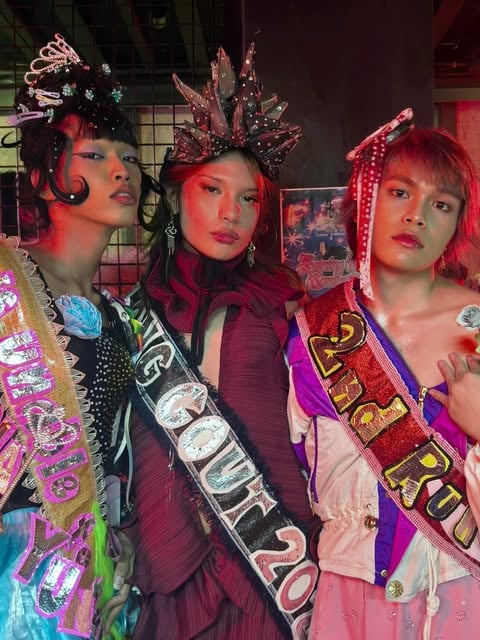
The Filipino LGBTQ+ community has its own unique cultural characteristics, with a strong tradition of drag culture, pageantry, and social acceptance within family and friendship circles, even when legal protections are lacking. Makati's gay scene reflects this blend of openness among peers with caution regarding broader societal attitudes.
NEIGHBORHOODS
Poblacion is the epicenter of Makati's gay scene. This historic district, located in the southwestern portion of Makati, has undergone significant revitalization and now hosts the highest concentration of gay bars, restaurants, cafes, and lounges. The neighborhood features narrow streets, colonial-era buildings converted into modern venues, and a walkable layout ideal for bar-hopping. The area buzzes particularly on weekends when locals and tourists fill the streets.
Makati Avenue and the surrounding central business district offer a more upscale atmosphere, with some gay-friendly hotels, restaurants, and entertainment venues interspersed among corporate offices and shopping centers. This area is more mainstream and family-oriented during the day, but contains several gay venues frequented by business professionals.
BGC (Bonifacio Global City), located north of central Makati, is a newer, more modern district that has been developing its own LGBTQ+-friendly venues, though it remains less concentrated than Poblacion.
VENUES
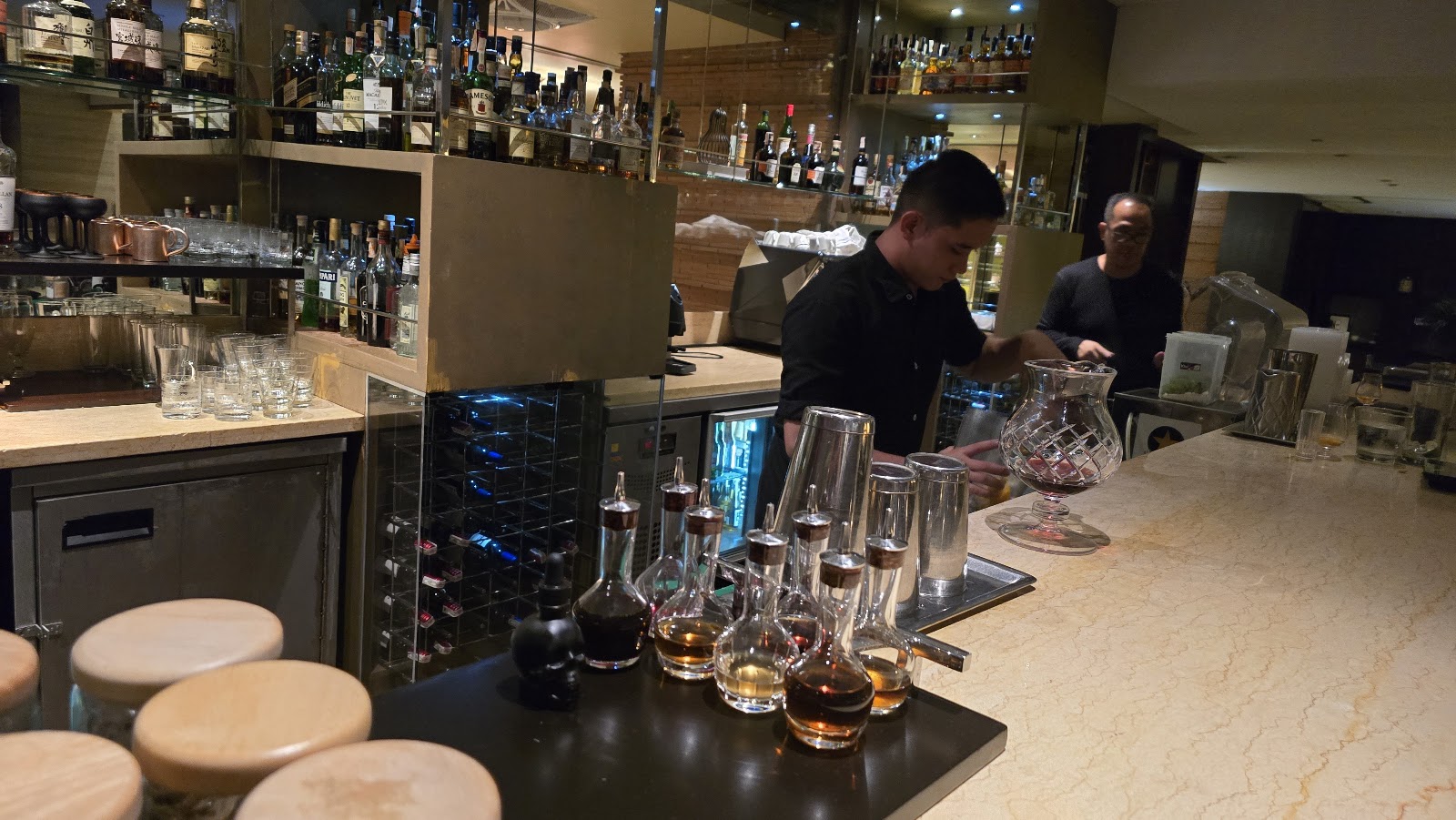
Poblacion hosts numerous gay bars and clubs, though specific venues change periodically with closures and openings. The neighborhood typically features a mix of casual beer bars, dance clubs, karaoke venues, and lounges. Popular activities include drag shows, which are a significant part of Filipino gay culture, live band performances, and dancing. Many venues operate late into the night, with the scene picking up after midnight on weekends.
The neighborhood also hosts a growing number of gay-friendly cafes and restaurants that serve as daytime hangouts and dinner destinations before evening entertainment. These establishments range from casual to upscale, reflecting the diverse economic backgrounds of Makati's LGBTQ+ population.
No major bathhouses or saunas are established as openly gay venues in Makati, though some health clubs cater to gay clientele.
PRIDE AND EVENTS
Makati Pride, held annually in June, is the most prominent LGBTQ+ celebration in the city. The event typically features street parties in Poblacion, live performances, parades, and community gatherings. The celebration has grown significantly in recent years and attracts thousands of participants, though it remains smaller than Pride events in more LGBTQ+-affirming countries.
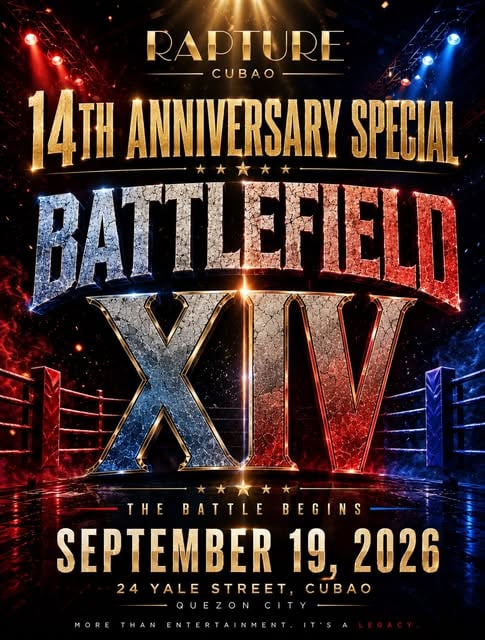
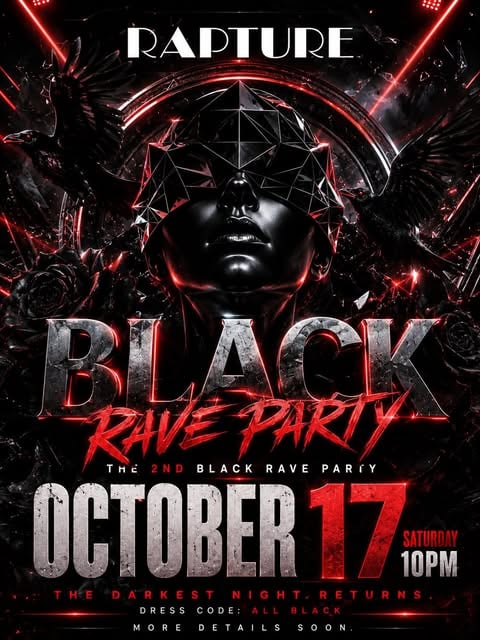
Beyond the official Pride month, the gay scene in Makati maintains year-round events. Many bars host special themed nights, drag competitions, and performances throughout the year. New Year's Eve and Christmas season see particularly active celebrations, as does Valentine's Day.
WHERE TO STAY
Several hotels in Makati cater to LGBTQ+ travelers or are known for being particularly welcoming. Upscale properties along Makati Avenue and in the central business district offer modern amenities and central locations near dining and entertainment. Mid-range and budget hotels are also available throughout the district.
Poblacion has seen the development of some boutique hotels and guesthouses, some of which specifically market to LGBTQ+ travelers. Staying in or near Poblacion offers proximity to the gay scene and a more vibrant neighborhood atmosphere compared to more corporate areas.
DayTrips and attractions within Metro Manila include Intramuros (the historic walled city), various museums, shopping malls, and bayside attractions. Outside the city, travelers can visit Tagaytay (a cooler hill station), Corregidor Island, or nearby beaches.
Makati is generally considered safer than many other areas of Metro Manila due to heavy police presence and security in the commercial district. However, visitors should exercise standard urban precautions: avoid displaying expensive items, don't travel alone late at night in unfamiliar areas, and be cautious with drinks at venues.
It's important to understand that while Makati's LGBTQ+ scene is relatively open, the Philippines lacks comprehensive legal protections for LGBTQ+ individuals. Same-sex relationships are not legally recognized, and discrimination in employment and services is not explicitly prohibited at the national level. Public displays of affection should be approached with awareness of local context—while Makati is progressive for the Philippines, very overt displays may attract unwanted attention in some settings.
Transgender and gender-nonconforming travelers should be aware that legal recognition of gender identity is limited. However, Filipino culture tends to be more accepting of gender diversity in social contexts than legal frameworks suggest, and Makati's queer community is generally welcoming.
TRANSIT
Makati is accessible via the Metro Manila Light Rail Transit (LRT) system, which serves multiple lines. Taxis and ride-sharing apps like Grab are widely available and relatively inexpensive. Traffic in Manila can be severe, so planning travel times accordingly is important. Within Makati itself, the central areas are walkable, though distances can be significant and sidewalks are sometimes crowded or uneven.
The metro system is generally safe and commonly used by both locals and tourists. Ride-sharing apps are popular and recommended for evening travel.
FOOD AND DINING
Makati offers tremendous diversity in dining, from Philippine street food to upscale international cuisine. The Poblacion area has developed a strong food scene with numerous restaurants, cafes, and street food vendors. Gay-friendly establishments range from casual eateries to fine dining.
Philippine cuisine features dishes like adobo, sinigang, and lechon (roasted pig), along with Southeast Asian influences. Filipino cuisine tends to be rich and flavorful, often featuring pork, seafood, and coconut.
Vegetarian and vegan options are increasingly available in Makati's restaurants, particularly in trendier establishments. International cuisines are also well-represented given the city's cosmopolitan nature.
COST OF TRAVEL
Makati is moderately priced compared to Western tourist destinations. Accommodation ranges from budget hostels (around 500-800 PHP per night) to upscale hotels (2,000+ PHP per night). Meals at casual local restaurants cost 100-300 PHP, while dining at nicer establishments might range from 400-1,500 PHP per person. Drinks at gay bars are moderate, typically 150-400 PHP per beer or cocktail.
The Philippine peso exchange rate makes the destination relatively affordable for travelers from developed countries.
CULTURAL NOTES
Filipino culture places strong emphasis on family, community, and social harmony. The LGBTQ+ community in Makati, while visible, operates within these cultural contexts. Respectful behavior toward locals, appreciation for Filipino culture, and awareness of the country's religious heritage are appreciated.
English is widely spoken in Makati and the tourist industry, making navigation relatively easy for English-speaking travelers. Tagalog is the primary local language.
When visiting, travelers should be aware that the Catholic Church maintains significant influence in Philippine society, and certain topics may be sensitive. However, Makati's population is generally educated and cosmopolitan.
Frequently asked questions
Makati generally has high practical tolerance towards LGBTQ+ individuals, especially in urban areas like the CBD. The CBD is described as highly walkable, safe, and well-lit at night.
Venues have traditionally clustered around Makati Avenue. The Poblacion area, particularly Bangkok Street, is also a trendy spot with a mix of bars and entertainment venues.
Makati's gay venue scene includes several established establishments, though the landscape changes periodically. Venues have traditionally clustered around Makati Avenue and in pockets throughout the district.
Many mainstream bars and clubs throughout Makati are welcoming to LGBTQ+ patrons, and the district's entertainment venues generally maintain inclusive environments.
The Makati CBD is highly walkable and safe. Residential neighborhoods like Bel-Air and Forbes Park offer safe, upscale hotel options, though they are primarily for accommodation rather than nightlife.
Dance clubs occasionally feature special LGBTQ+ nights or events. Checking local event listings and social media is recommended for current information.
Your privacy choices.
We use cookies to run GayOut and, with your consent, measure usage. Learn more
Your privacy choices
We use cookies to keep GayOut running, remember your preferences, and (with your permission) measure how the site is used. You can accept all, reject all, or pick what you allow. Learn more
Essential
Required for sign-in, fraud prevention, CSRF protection and remembering your language. Cannot be disabled.
Always on
Remembers your favourites, dark mode and other interface preferences across visits.
Helps us understand which pages people visit (Google Analytics, server-side stats) so we can improve.
Used by campaign tracking pixels. None are active right now, reserved for future use.
Install GayOut
Add GayOut to your home screen for faster access, offline favourites, and Pride alerts.



 Gay-Friendly Bars & Clubs
(15)
Gay-Friendly Bars & Clubs
(15)