Same-sex marriage (Ehe für alle) legalised 1 October 2017. Civil partnerships (Lebenspartnerschaft) had been available since 2001. Joint adoption rights for same-sex couples since 2017. Strong federal anti-discrimination protections (AGG, General Equal Treatment Act 2006) covering employment, goods and services. Conversion therapy banned for minors 2020; full ban for adults proposed but not yet enacted as of 2026. Trans legal gender change requires psychological assessment and court order…
This 4-star-Superior hotel offers an indoor pool, on-site health and fitness center, and free WiFi internet. It is conveniently located just a 5 to 10-minute walk from the medieval heart of Lübeck.
Atlantic Hotel Lübeck offers rooms, studios and suites that come with a large desk, a flat-screen TV, and a mini-bar. All rooms also include a private bathroom with hairdryer.
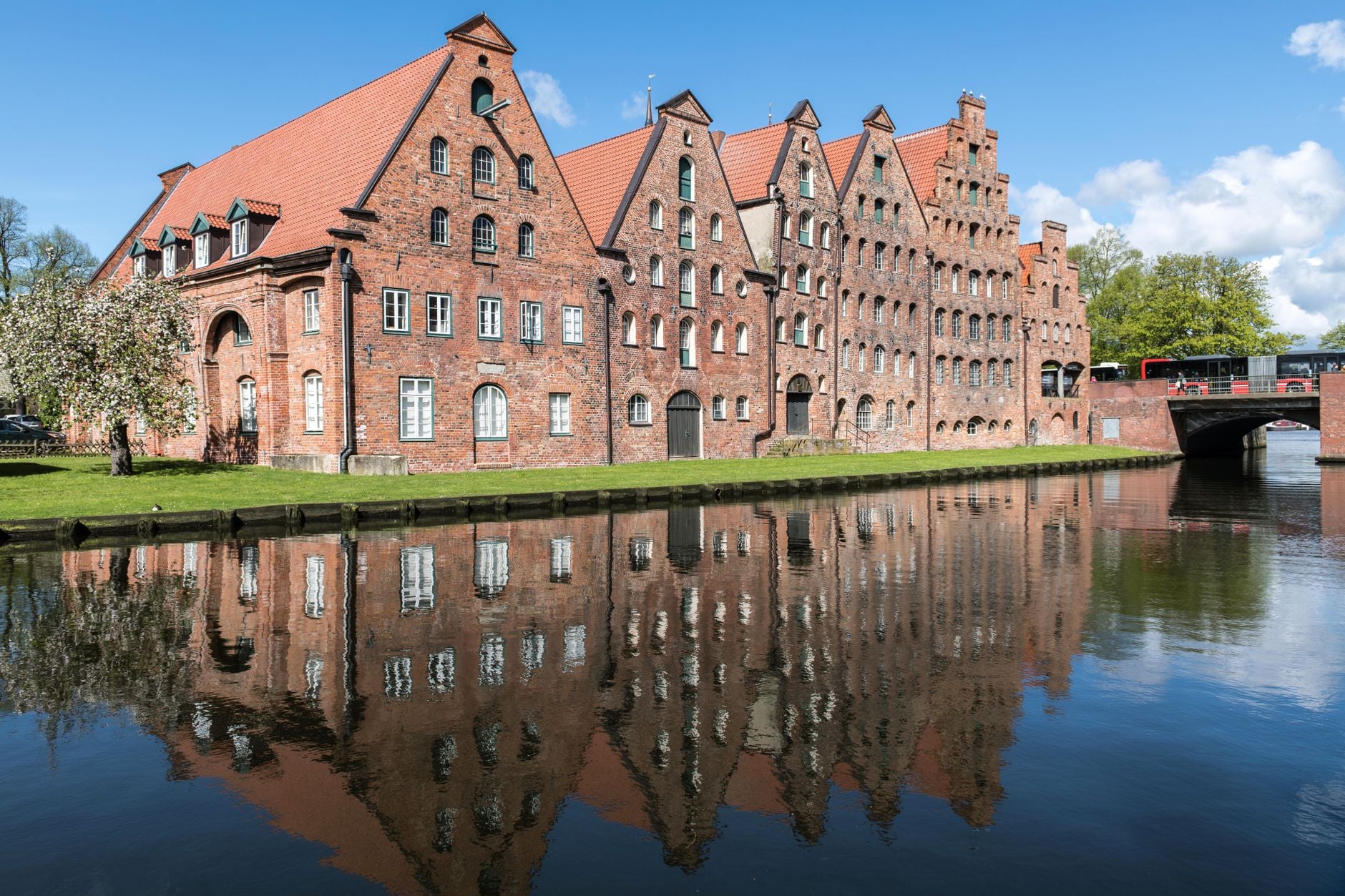
Lübeck, located in Schleswig-Holstein near the Baltic coast, is one of Germany's most historically significant cities and a major medieval trading hub. The city's LGBTQ+ history is tied to broader German gay rights movements, with the city benefiting from Germany's relatively progressive legal framework regarding same-sex partnerships and anti-discrimination protections.
While Lübeck doesn't have the international reputation of Berlin or Cologne for gay tourism, it maintains an active local LGBTQ+ community supported by organizations, social groups, and a handful of welcoming venues. The scene here is characterized by authenticity rather than commercialization—visitors will find genuine community spaces rather than chains catering to gay tourists.
Neighborhoods and Layout
The Altstadt (old town) is the primary area of interest for visitors. This UNESCO-protected medieval district is surrounded by the Trave River and contains the majority of tourist attractions, including the Marienkirche, Rathaus, and numerous galleries and shops. Most LGBTQ+-friendly venues are located within or very near the Altstadt.
The Hafengebiet (harbor district) to the north offers waterfront restaurants and bars, some of which are gay-friendly. This area has undergone significant development and gentrification in recent years, making it an increasingly popular destination for dining and socializing.
Due to Lübeck's compact size (approximately 215,000 residents), most areas are easily accessible by foot or short tram rides. The city center is very walkable and pedestrian-friendly.
Venues and Nightlife
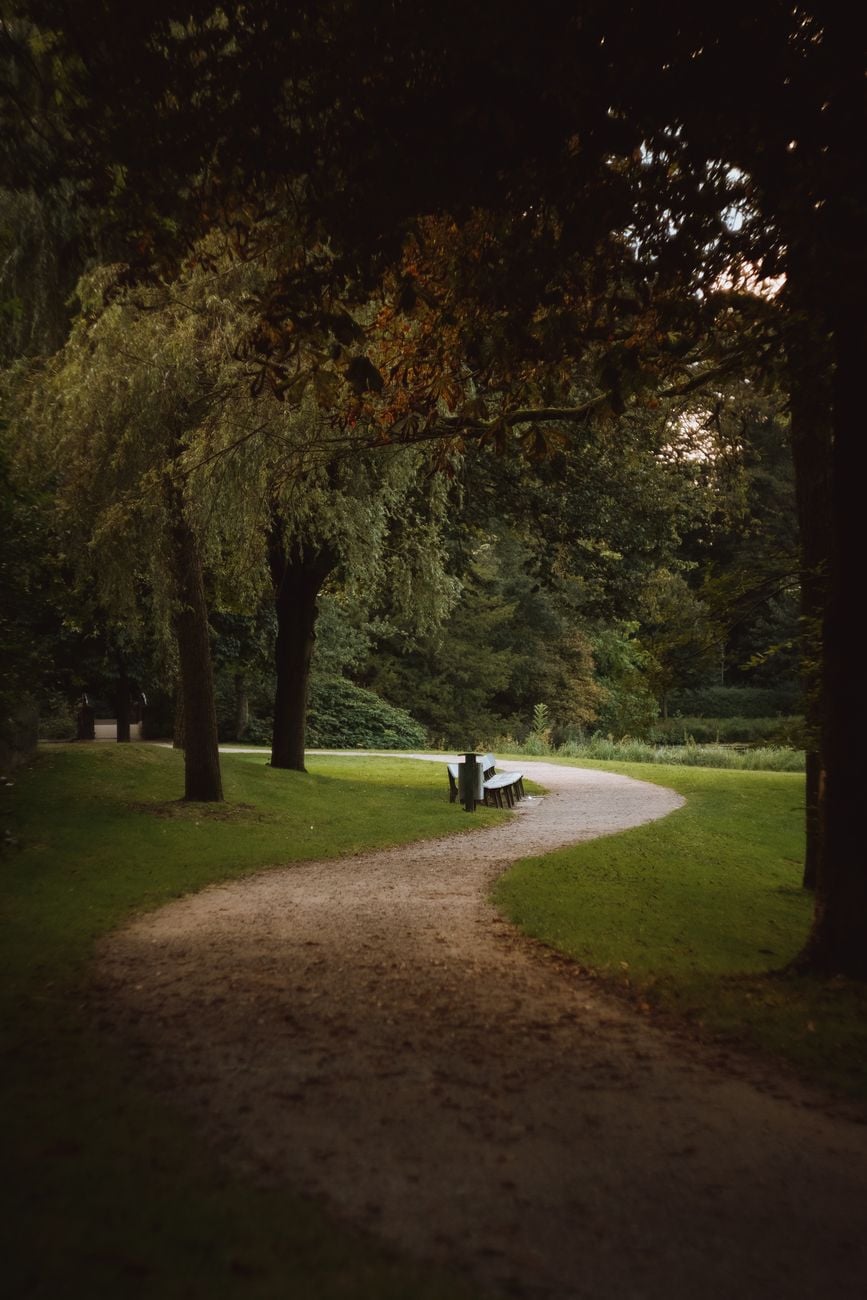
Lübeck has no dedicated gay bar, club or sauna — that is simply the reality of a city this size. What it does have is a genuine community life built around organisations rather than nightlife: Lübecker CSD e.V. (which runs Lübeck Pride and year-round events), the queer youth project QwertZ and the SCHLAU/NaSowas education and counselling point. The one dedicated venue on the male gay map is Dolly Best on Lederstraße, a long-running gay adult shop, porn cinema and cruising spot, and the Wallanlagen ramparts at the Katzenberg are the traditional outdoor cruising area. For bars and clubs, Hamburg is the easy 45-minute day trip.
The Altstadt island, ringed by the Wallanlagen park, is where the little there is clusters — the community organisations, the Dolly Best adult venue and the Wallanlagen cruising area all sit in or around it. Lübecker CSD e.V. and QwertZ are the best sources for current social events and gatherings.
The nearby city of Hamburg, just 50 km south, offers a significantly larger and more established gay scene with multiple gay bars, clubs, and saunas, making it an easy day trip for those seeking more intensive nightlife options.
Pride and Events
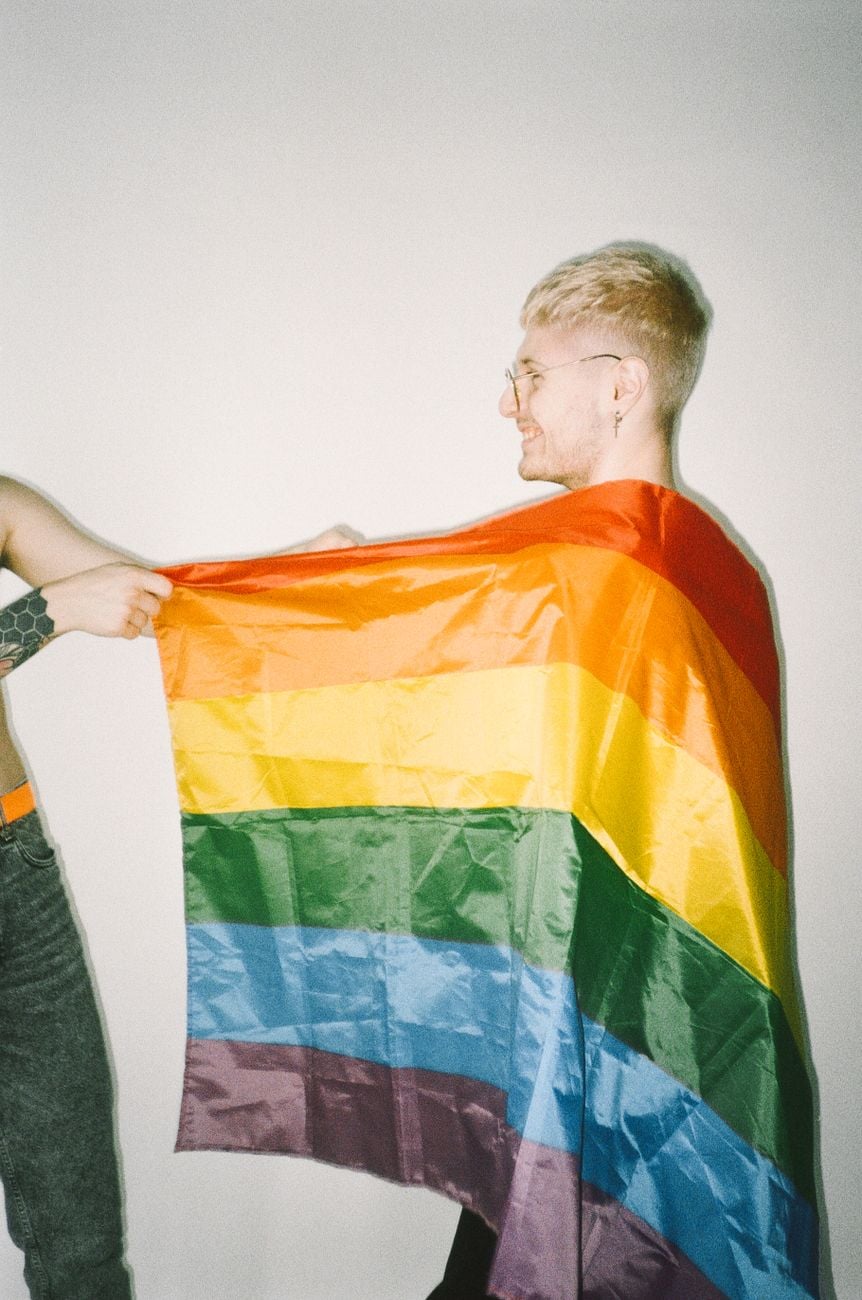
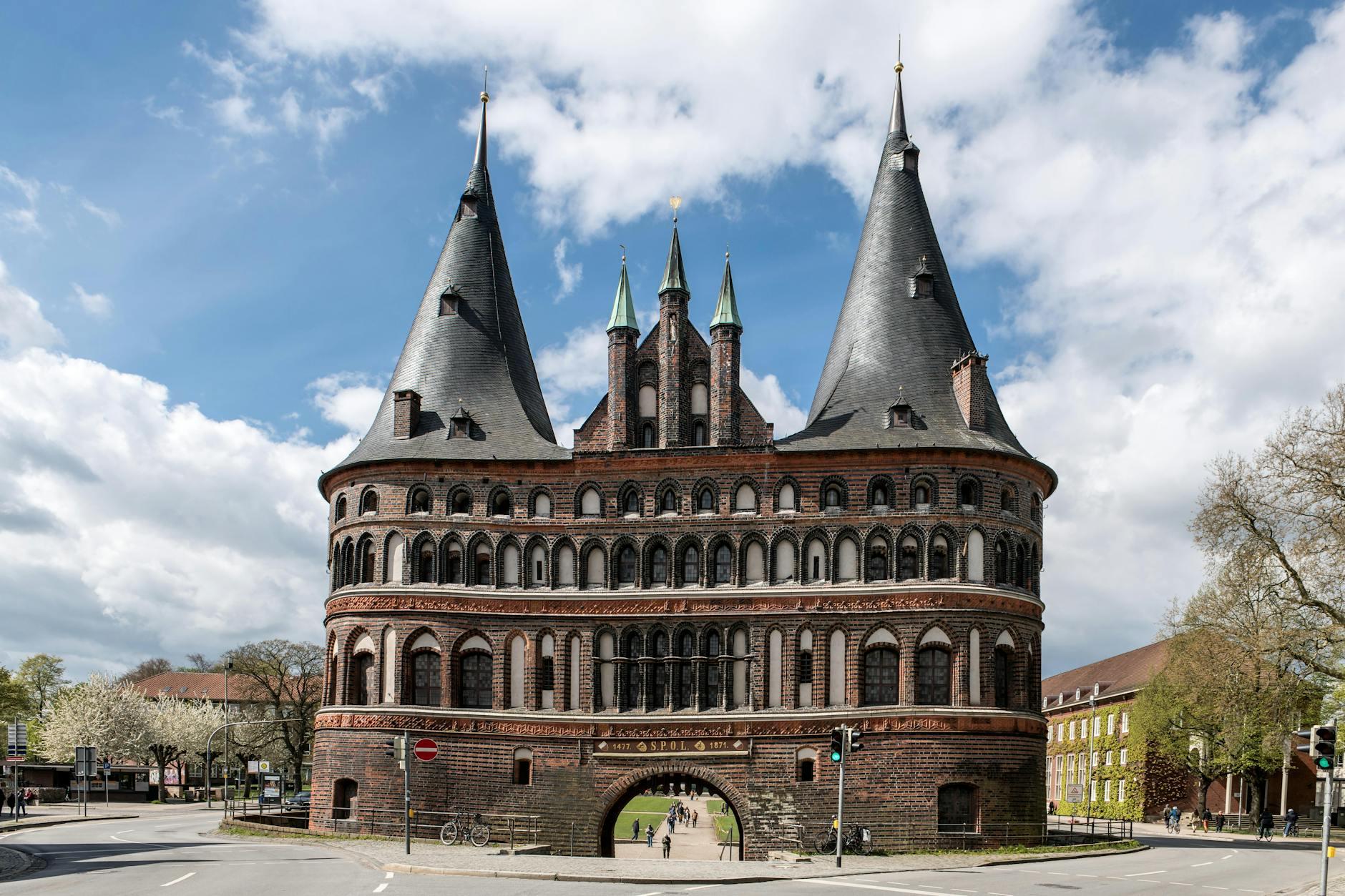
Christopher Street Day (CSD), known locally as Lübeck Pride, takes place in mid-August (Saturday 15 August in 2026) and is organised by Lübecker CSD e.V. It features a demonstration march through the Altstadt past the Holstentor, a street festival, a stage programme and an after-party, drawing several thousand people from across Schleswig-Holstein.
These celebrations attract visitors from across northern Germany and include performances, vendor booths, political speeches, and social gatherings. The event is family-friendly and reflects the progressive values of the region.
Beyond Pride, Lübeck hosts regular cultural events, film festivals, and art exhibitions throughout the year. Some venues and organizations host themed evenings or social gatherings; local LGBTQ+ social media groups provide up-to-date information.
Where to Stay
Lübeck offers accommodations ranging from budget hostels to luxury hotels. Many hotels in the Altstadt cater to tourists exploring the historic center. LGBTQ+ travelers should find most establishments welcoming, as same-sex couples traveling together is normalized throughout Germany.
Hostels like Backpackers Lübeck and others in the Altstadt provide budget-friendly options and often serve as social hubs where travelers meet. Mid-range hotels dot the historic district, offering comfortable stays within walking distance of attractions.
For luxury accommodations, several four-star hotels operate in the city center, offering modern amenities while maintaining proximity to historical sites.
Staying in the Altstadt ensures walkability to most attractions and restaurants, though accommodation prices reflect this prime location.
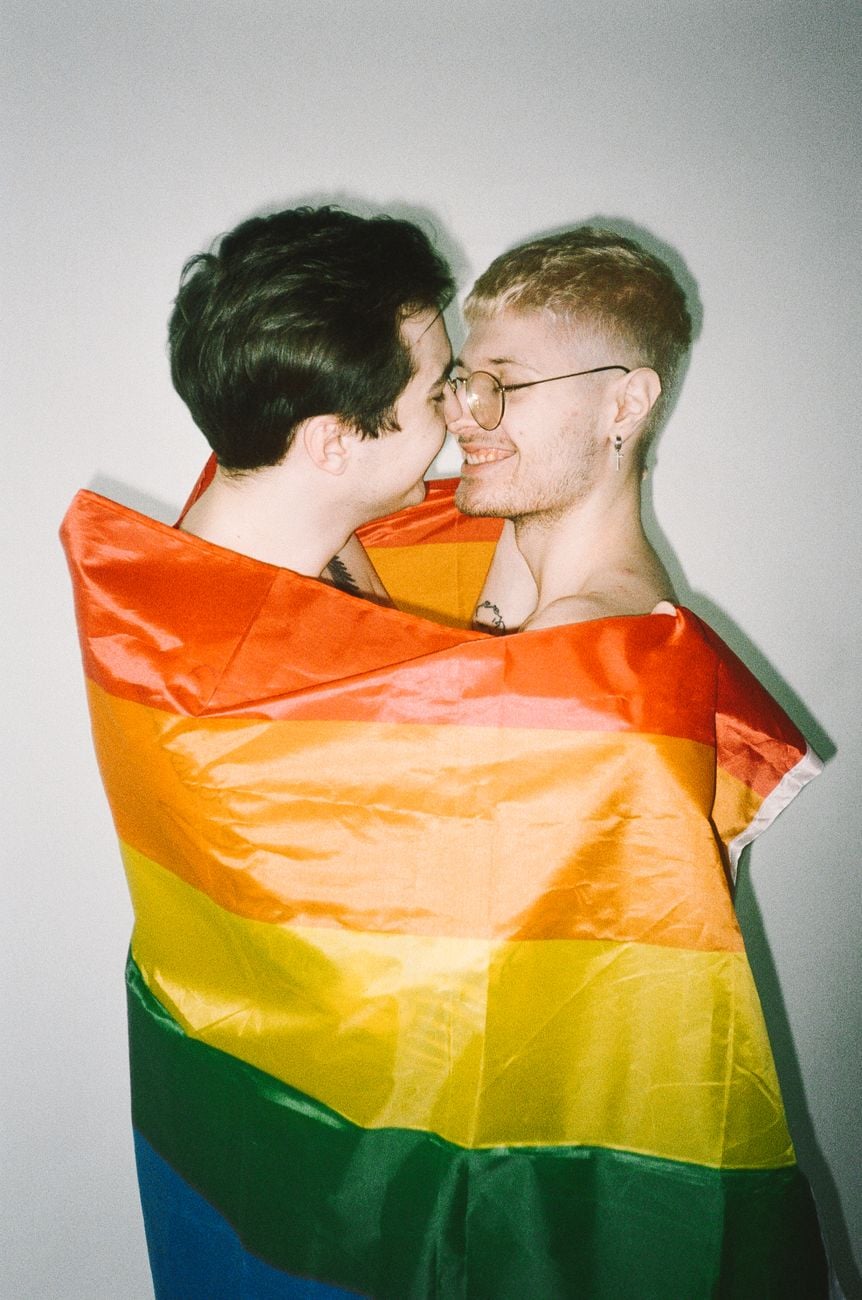
Germany maintains strong legal protections for LGBTQ+ individuals, including same-sex marriage, anti-discrimination laws, and legal gender recognition. Lübeck, as a progressive northern city, is very safe for LGBTQ+ travelers. Public displays of affection between same-sex couples are normal and accepted throughout the city.
Lübeck is generally very safe for all travelers. Crime rates are low, and the city has a strong police presence in touristy areas. Standard travel safety practices apply—avoid displaying excessive valuables and be cautious in unfamiliar areas at night, though this is true for any city.
The main train station (Lübeck Hauptbahnhof) connects to most major German cities via direct trains. From Hamburg, frequent regional trains and buses serve Lübeck (approximately 45 minutes by train). The airport in Hamburg is the nearest major international hub, located about 70 km away.
Within the city, public transportation consists of trams and buses operated by the local transit authority. A day pass provides unlimited travel. However, the Altstadt is quite walkable and most visitors explore on foot.
Language: English is increasingly spoken in tourist areas, hotels, and restaurants, particularly among younger Germans. Learning basic German phrases enhances interactions, though communication difficulties are unlikely.
Currency and Costs: Lübeck uses the Euro. Prices are moderate compared to major tourist cities like Berlin. Restaurants and bars offer good value. Cash remains common, though card payments are increasingly accepted.
Dining and Cafés
Lübeck's food scene emphasizes local specialties, most notably marzipan (the city is famous worldwide for this sweet). Several historic marzipan shops line the main streets, offering quality products and café spaces.
The harbor district offers numerous restaurants serving fresh fish and seafood, reflecting the city's maritime heritage. Traditional German cuisine is readily available throughout the city.
Café culture thrives in Lübeck, with numerous independent cafés offering coffee, pastries, and light meals. These spaces tend to be welcoming and relaxed, suitable for solo travelers or groups.
Vegetarian and vegan options have increased significantly in recent years. Most restaurants can accommodate dietary restrictions if notified.
Day Trips and Nearby Destinations
Hamburg (50 km south): Germany's second-largest city features a substantial LGBTQ+ scene, multiple gay bars and clubs, Pride celebrations, and significantly more nightlife options. A 45-minute train journey connects the two cities.
Bay of Lübeck and Beach Towns: Several coastal towns lie within 20-30 km of Lübeck, offering beaches, water sports, and seaside dining. Towns like Travemünde provide beach culture and are easily accessible by train or car.
Kiel (approximately 60 km northwest): The Schleswig-Holstein state capital offers additional cultural attractions and a larger city experience.
Bird Sanctuaries and Nature Areas: The surrounding region features protected wetlands and bird sanctuaries, appealing to nature enthusiasts. Several are accessible via public transport or short car rentals.
Cultural Attractions
Beyond the LGBTQ+ scene, Lübeck attracts visitors for its stunning medieval architecture, museums, and cultural heritage. Key attractions include the Marienkirche (one of Germany's most impressive Gothic churches), the Rathaus (town hall, a UNESCO site), numerous museums covering art, maritime history, and local heritage.
The city's narrow streets, historic gates, and well-preserved buildings create an atmospheric environment for exploration. Several art galleries operate in the Altstadt, featuring contemporary and classical work.
Tips for LGBTQ+ Visitors
Connect with local organizations before arrival for current venue and event information. The Lübeck tourism board website provides general city information, and LGBTQ+ organizations maintain social media presence with updated details.
Visit during summer months (June-August) for the best weather and to potentially coincide with Pride celebrations.
Explore the Hafengebiet for dining and waterfront experiences.
Budget time for the Altstadt's historical attractions—the medieval architecture and small museums justify several hours of exploration.
Consider a day trip to Hamburg for a larger-scale gay scene experience while based in Lübeck.
Lübeck offers LGBTQ+ travelers an authentic German city experience with welcoming local communities, strong legal protections, and rich cultural heritage. While not a gay scene destination like Berlin or Cologne, it provides genuine hospitality and a more intimate travel experience.
Frequently asked questions
Germany has strong legal protections for LGBTQ+ people, and this extends to Lübeck. The city has a progressive atmosphere, and anti-discrimination laws are comprehensive.
The gay scene is concentrated in the Altstadt (historic center), which is compact and walkable. There are no exclusively gay neighborhoods, but rather a scattering of welcoming venues throughout the medieval streets.
Lübeck has no dedicated gay bar, club or sauna. The visible LGBTQ+ presence is built around organisations — Lübecker CSD e.V. (which runs Lübeck Pride), the queer youth project QwertZ and the SCHLAU/NaSowas counselling point — plus one dedicated venue, Dolly Best on Lederstraße (a gay adult shop, porn cinema and cruising spot), and the Wallanlagen (Katzenberg) outdoor cruising area. For a full night out, Hamburg is the nearest city with gay bars and clubs.
Lübeck Pride – Christopher Street Day – is organised by Lübecker CSD e.V. and held in mid-August; in 2026 the main day is Saturday 15 August, with a demo march through the Altstadt past the Holstentor, a street festival and an after-party.
The visible LGBTQ+ scene in Lübeck is smaller than in major cities, reflecting the city's overall size. However, the community is well-integrated into civic life.
Yes. Lübeck has a good range of welcoming hotels in and around the Altstadt — including options such as the Klassik Altstadt Hotel, Hotel Anno 1216, Hotel Ko15, the IntercityHotel and Mercure near the station, and the design hostel schickSAAL. Same-sex couples are treated as completely normal, so any central hotel is a comfortable choice.
Your privacy choices.
We use cookies to run GayOut and, with your consent, measure usage. Learn more
Your privacy choices
We use cookies to keep GayOut running, remember your preferences, and (with your permission) measure how the site is used. You can accept all, reject all, or pick what you allow. Learn more
Essential
Required for sign-in, fraud prevention, CSRF protection and remembering your language. Cannot be disabled.
Always on
Remembers your favourites, dark mode and other interface preferences across visits.
Helps us understand which pages people visit (Google Analytics, server-side stats) so we can improve.
Used by campaign tracking pixels. None are active right now, reserved for future use.
Install GayOut
Add GayOut to your home screen for faster access, offline favourites, and Pride alerts.


 Cruising Areas
(8)
Cruising Areas
(8)