Palma, Mallorca's capital, has emerged as a notable destination for LGBTQ+ travelers. The city blends historical architecture with contemporary amenities, offering a welcoming atmosphere. The LGBTQ+ scene is spread across a few walkable pockets rather than one single gay village, mirroring Spain's general acceptance of LGBTQ+ people.
The growth of LGBTQ+ visibility in Palma coincided with Spain's democratic transition and its progressive legal framework, including the legalization of same-sex marriage in 2005. As Palma became a more prominent international tourist hub, its appeal to gay travelers seeking beaches, culture, and nightlife increased. Dedicated venues and events began to appear more frequently in the 2000s and 2010s, alongside growing Pride celebrations.
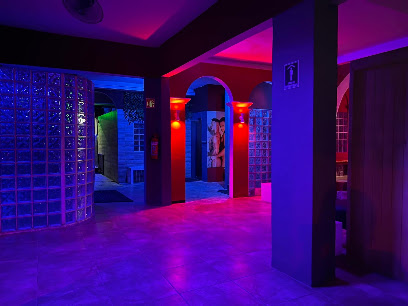
Historically the gay heart of Palma was the El Terreno / Plaça Gomila district along Avinguda Joan Miro, which boomed from the 1970s to the 1990s; it is much quieter now but still keeps a foothold (Bar Michel). Today the living nightlife has moved to two areas: the trendy Santa Catalina district west of the centre — home to Marcela, the lesbian-run La Dama de ELLA and the camp institution Bar Flexas — and the streets around Plaça d'Espanya in the old-town centre, where The2 gay bar, the Fucktory cruise club and Dark Cruising Bar cluster. Sauna Spartacus, the only gay men's sauna in the city, is a short walk away in the old-town Centre.
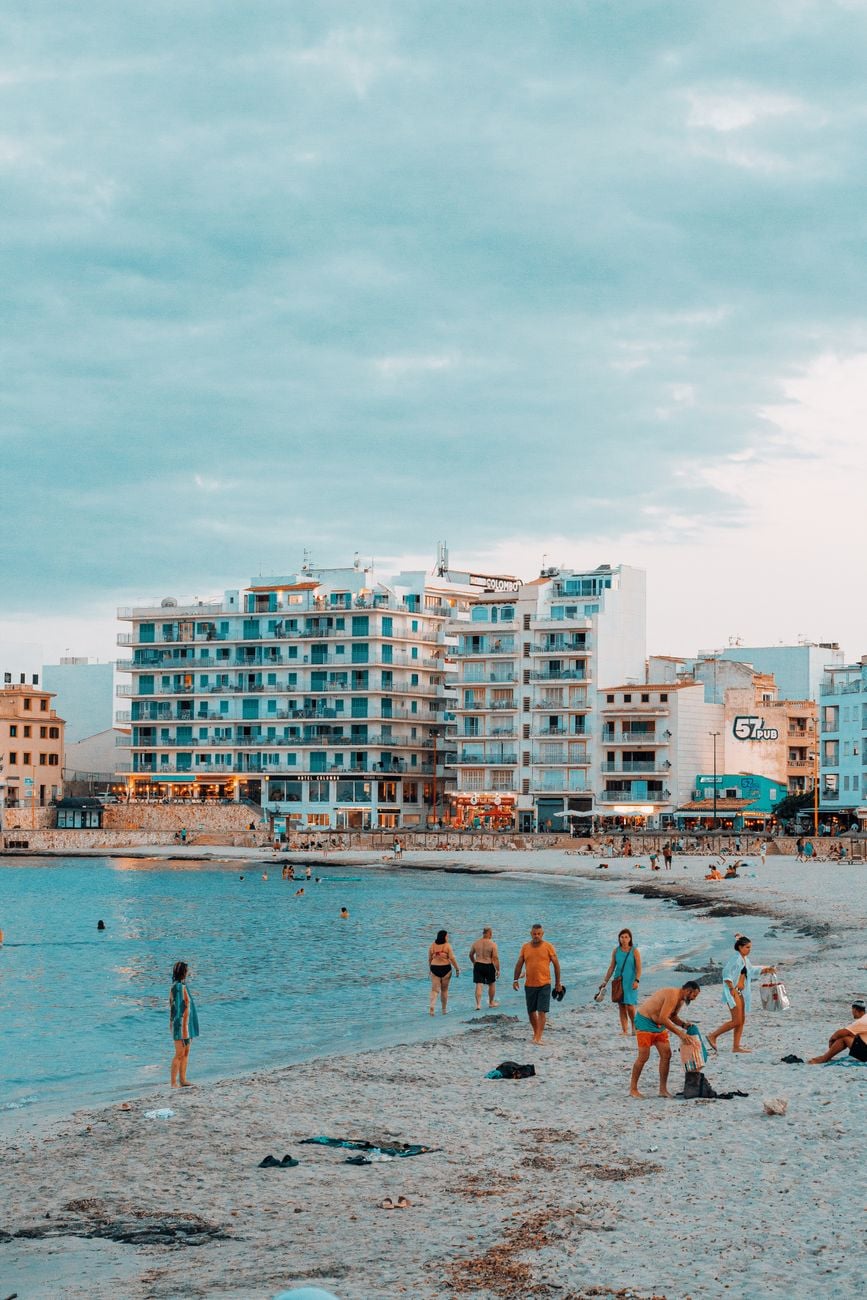
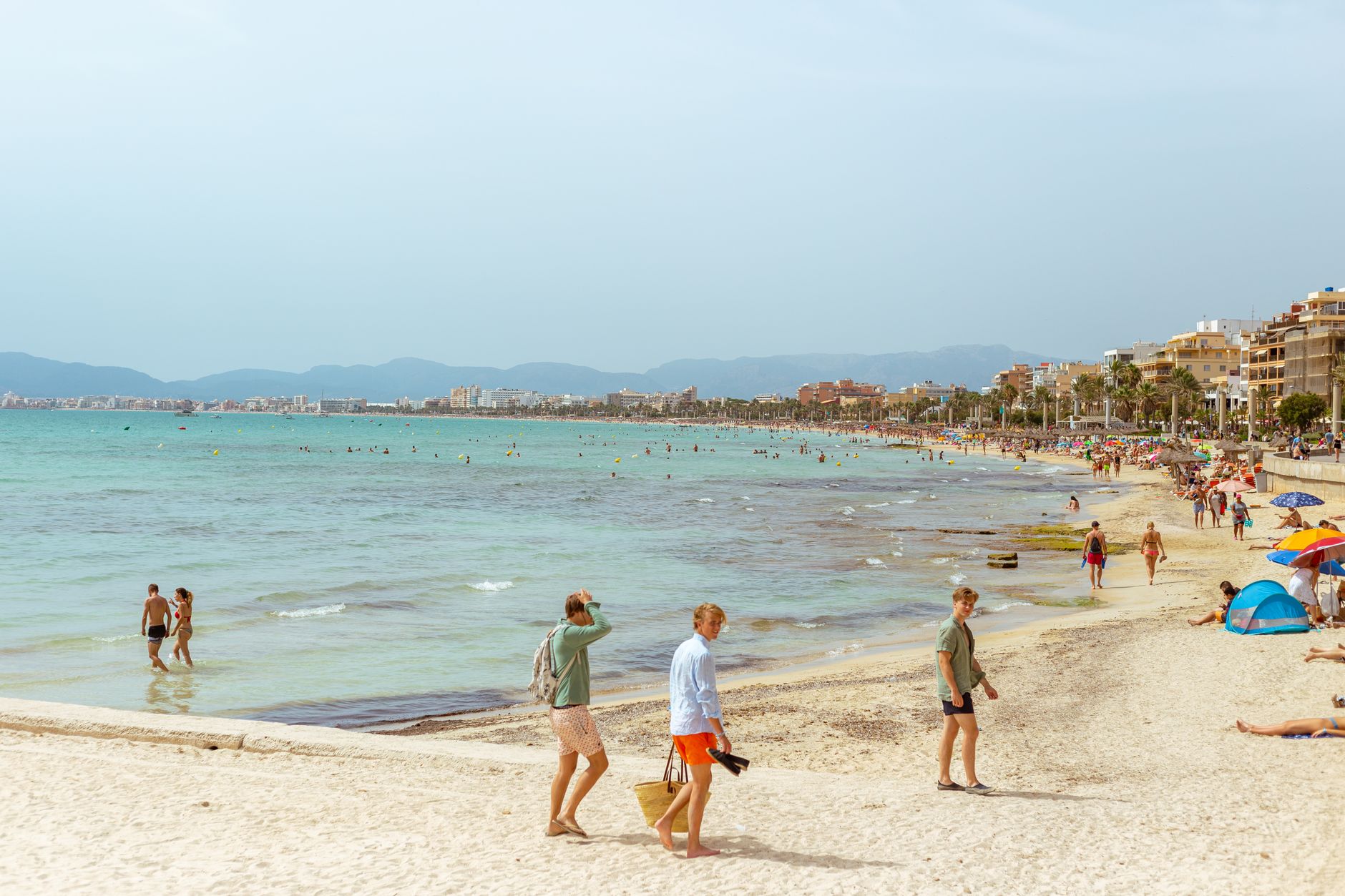
For beaches, gay and naturist visitors head out of town: Es Trenc, the long unspoilt nudist beach near Campos, has a well-known gay/nudist stretch, while the small cove of Platja del Mago (El Mago) at Portals Vells, about 20 minutes west, is a long-standing nudist and gay spot. The city beach of Playa de Palma is mainly mass-tourism territory. The waterfront promenade (Paseo Maritimo) is pleasant for a walk and a drink.
The core gay venues today are The2 (the central gay bar, with drag shows), Bar Flexas and Marcela in Santa Catalina, the lesbian-run La Dama de ELLA, and Bar Michel in El Terreno; for a more sexual scene there are the Fucktory and Dark Cruising Bar cruise clubs, THE HOLE'S adult store, and Sauna Spartacus. Several venues are seasonal or open only on certain nights, so it is worth checking current listings closer to your dates. Summer brings the liveliest scene, while winter sees reduced hours.
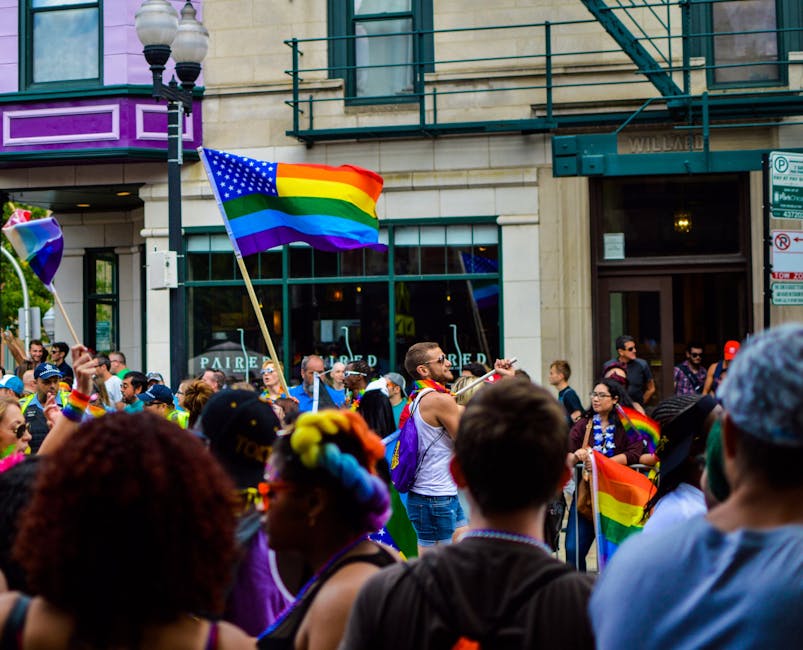
Palma Pride (Orgullo / Orgull), organised by the veteran LGBTQ+ association Ben Amics, usually takes place in late June, with the main march setting off from Plaça d'Espanya. It includes the demonstration, music, cultural activities and parties, and is the island's largest LGBTQ+ event. In summer the ELLA International Lesbian Festival also brings a busy programme to Mallorca. Beyond these, expect assorted parties through the peak season.
Where to Stay
Accommodation in Palma includes a spectrum from luxury hotels to budget hostels. The Old Town offers stays in historic buildings, while modern areas near the waterfront and beach provide contemporary options. Many hotels are welcoming to LGBTQ+ guests; online reviews and booking sites can help identify suitable properties. Staying in or near the Old Town offers convenient access to attractions and evening venues.
Getting around Palma is straightforward. The city is walkable, especially the Old Town and areas near the Cathedral. Public buses (EMT) are frequent and connect all neighborhoods. Palma Airport is about 11 kilometers from the city center, with bus and taxi services available. Ferries from Palma's port offer connections to other Balearic Islands.
Palma offers diverse dining, from tapas bars to fine dining. The Old Town features many traditional Spanish restaurants alongside international options. Fresh seafood, Mediterranean produce, and local specialties are common. Traditional Mallorcan dishes like tumbet and ensalada de trampó are available. Dinner typically starts later, around 8-9 PM.
Beyond the LGBTQ+ scene, Palma has numerous attractions. The Gothic Cathedral (La Seu) is a prominent landmark on the waterfront. The Old Town contains museums, galleries, and historical sites. The Paseo Marítimo provides scenic walks and beach access. Day trips can include the Tramuntana Mountains, villages like Valldemossa and Deiá, and boat excursions to Cabrera National Park.
Safety
Safety in Palma is generally good, with Spain being recognized for its high levels of LGBTQ+ acceptance. Incidents of hate crime are uncommon, and public displays of affection between same-sex couples are typically unremarkable. Standard precautions for urban tourist areas, such as being aware of personal belongings and avoiding isolated areas late at night, are recommended.
Weather varies by season. Summers (June-September) are hot and dry, coinciding with peak tourism. Spring (March-May) and fall (September-November) offer pleasant temperatures and fewer crowds. Winters (December-February) are mild but can be rainy, with quieter tourism. Palma Pride in late June benefits from warm early-summer weather ahead of the busiest tourist weeks.
Frequently asked questions
Palma is considered a safe destination for LGBTQ+ travelers. Spain has a progressive legal framework for LGBTQ+ rights, including same-sex marriage legalized in 2005, creating a stable environment.
The historic gay area is El Terreno / Placa Gomila along Avinguda Joan Miro, though it is much quieter today. The current scene is split between the trendy Santa Catalina district (Marcela, La Dama de ELLA, Bar Flexas) and the old-town centre around Placa d'Espanya (The2, Fucktory, Dark Cruising Bar). There is no single gay village — the venues are walkable but spread out.
Palma Pride (Orgullo), run by the Ben Amics association, is usually held in late June, with the main march starting from Placa d'Espanya. In 2026 the march is on Sunday 28 June. It is the island's biggest LGBTQ+ event, and the ELLA International Lesbian Festival adds more to the summer calendar.
The main gay bar is The2, near Placa d'Espanya, with drag shows. Bar Flexas and Marcela are in Santa Catalina, La Dama de ELLA is a lesbian-run bar, and Bar Michel keeps the flame in El Terreno. For a cruisier scene there are the Fucktory and Dark Cruising Bar clubs plus Sauna Spartacus, the city's only gay sauna.
The best gay and nudist beaches are outside the city. Es Trenc, near Campos, is a long unspoilt nudist beach with a well-known gay/nudist stretch, and Platja del Mago (El Mago) at Portals Vells, about 20 minutes west of Palma, is a small nudist cove long popular with gay visitors. The city's own Playa de Palma is mainly mass tourism.
Palma's gay scene is woven throughout the city rather than confined to a single neighborhood, reflecting Spain's social acceptance. The scene became more established in the 2000s and 2010s, with dedicated venues and events, and is busier during the summer.
Your privacy choices.
We use cookies to run GayOut and, with your consent, measure usage. Learn more
Your privacy choices
We use cookies to keep GayOut running, remember your preferences, and (with your permission) measure how the site is used. You can accept all, reject all, or pick what you allow. Learn more
Essential
Required for sign-in, fraud prevention, CSRF protection and remembering your language. Cannot be disabled.
Always on
Remembers your favourites, dark mode and other interface preferences across visits.
Helps us understand which pages people visit (Google Analytics, server-side stats) so we can improve.
Used by campaign tracking pixels. None are active right now, reserved for future use.
Install GayOut
Add GayOut to your home screen for faster access, offline favourites, and Pride alerts.



 Gay Bars & Clubs
(90)
Gay Bars & Clubs
(90)