


In this guide · 5 sections
?? Safety Warning ? Lebanon (Criminalized)
Same-sex acts are illegal in Lebanon under Article 534 of the Penal Code. Raids on venues have occurred. Dating apps have been used as evidence in prosecutions. The city is in severe economic crisis with volatile political conditions. Exercise significant discretion. No public displays of affection. Read our full Lebanon safety guide.
Beirut: What Was Lost, What Remains
Between about 2009 and 2015, Beirut had the most obvious LGBTQ+ scene in the Arab world. Mar Mikhael and Gemmayzeh had bars, clubs, and events that brought in gay travelers from across the Middle East, North Africa, and the Lebanese diaspora. Pride events happened. Courts made progressive rulings. Helem, the Arab world's first registered LGBTQ+ NGO, published, organized, and offered services. By any measure, Beirut back then was an extraordinary outlier in its region.
That time is over. Crackdowns started around 2012; raids got worse in 2018–2019. Then came the economic collapse of 2019, and the port explosion of August 4, 2020. That blast devastated Mar Mikhael and Gemmayzeh, killed more than 200 people, and injured thousands. It changed the city. Many who built the scene left for France, Canada, and elsewhere. What's left is smaller, less stable, and operates with more caution than before.
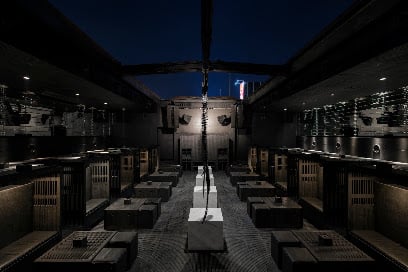
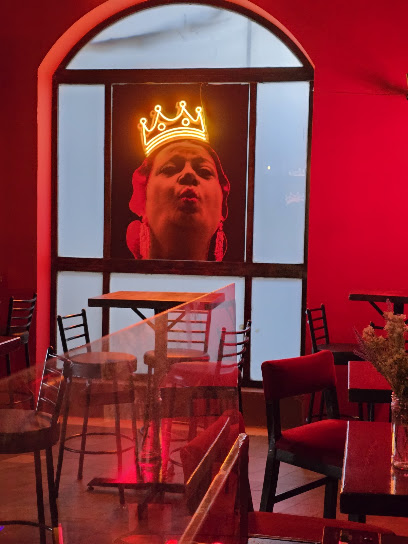
The scene still exists. in Mar Mikhael and Bardo in Gemmayzeh are two places that have kept LGBTQ+-friendly spaces open through the crises. The community they serve — Beirutis who stayed and visitors who know where to look — is still there in spirit, even if it's smaller. But visitors need to arrive with realistic expectations and a full understanding of the legal and security situation.

Mar Mikhael and Gemmayzeh: Now
Mar Mikhael, with its Armenian, industrial, hip, and alternative vibe, was the center of Beirut's nightlife before the explosion. The August 2020 explosion, just 1.2km away at the port, caused terrible damage. Reconstruction has been uneven; some parts of the neighborhood look fixed, while others are still ruins. The bar scene has partly come back — driven by Beirutis' stubborn will to live normally under impossible conditions. The LGBTQ+-friendly spaces here have also returned, but on a smaller scale.
Gemmayzeh, on higher ground above Mar Mikhael, was less damaged. It feels more like its old self. Rue Gouraud is still a street for bars and restaurants, with some of Beirut's best cultural energy.
Helem and Community Help
Helem (helem.net) is Lebanon's and the Arab world's most established LGBTQ+ organization. It still operates in Beirut, giving community support, legal advice, mental health resources, and documenting rights violations. If you need help during your visit, or want to connect with the Lebanese LGBTQ+ community, Helem is the right first stop. Support their work if you can; they operate under huge pressure and provide services no one else does.

Staying Safe in Beirut
- Check your government's travel advisory for Lebanon before you book; advisories sometimes tell people not to travel there at all.
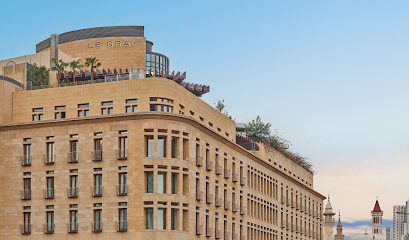
- Stay at international chain hotels with non-discrimination policies.
- Use Grindr carefully; it's been used as evidence in Lebanese prosecutions.
- No public displays of affection anywhere in the city.
- Save your embassy's contact. Know Helem's number.
- Keep enough cash in USD; foreign card access to banks is unpredictable in Lebanon's current crisis.
