Marriage equality since 2010. Former Prime Minister Jóhanna Sigurðardóttir was the world's first openly gay head of government. Consistently ranks among the world's most LGBTQ+-friendly nations.
Former queer-scene cornerstone near the Old Harbour, now a mainstream live-music bar after the 2025 Fever Nightclub takeover; occasional alternative and Pride-week events remain.
Iceland's national queer organisation since 1978 - free counselling, queer library, youth work and a community centre at Sudurgata 3, sharing a building with the Reykjavik Pride office.
Iceland and Reykjavik have a distinctive place in global LGBTQ+ history. The country decriminalized homosexuality in 1940, relatively early for Europe, though social acceptance took longer. The turning point came in 1992 when the age of consent was equalized, followed by same-sex registered partnerships in 2002 and full marriage equality in 2010—one of the first countries globally to achieve this. These legal victories were not imposed from above but reflected genuine shifts in public opinion, shaped by an active LGBTQ+ rights movement and Iceland's broader egalitarian culture.
Reykjavik's gay scene emerged visibly in the 1980s and 1990s, with the establishment of bars and the annual Pride celebration beginning in 1997 as a small gathering. Today, Reykjavik Pride (Reykjavik Pride Festival) is one of the Nordic region's largest Pride celebrations, held in August and attracting over 100,000 participants. What distinguishes Reykjavik Pride is its integration into mainstream culture—it's not a marginal celebration but a city-wide festival embraced by the general population, with politicians, businesses, and families participating alongside the LGBTQ+ community.
NEIGHBORHOODS
Reykjavik's city center is small enough that different neighborhoods blend together, but several areas are worth knowing about. The Old Harbor (Gömul Höfn) area near Harpa concert hall is picturesque and increasingly popular with tourists, with several gay-friendly restaurants and cafes. Downtown (Miðborg) around Laugavegur street and the surrounding grid streets like Skólavörðustígur is the main commercial and nightlife district, home to most gay bars and clubs. This area is walkable from most accommodation and feels vibrant day and night.
West of the center, Höfði is a quiet residential area that's home to some gay-owned guesthouses and small hotels, offering a more low-key base. The neighborhoods are not segregated by sexuality—rather, the gay scene is integrated throughout downtown, reflecting Iceland's broader social inclusivity.
VENUES
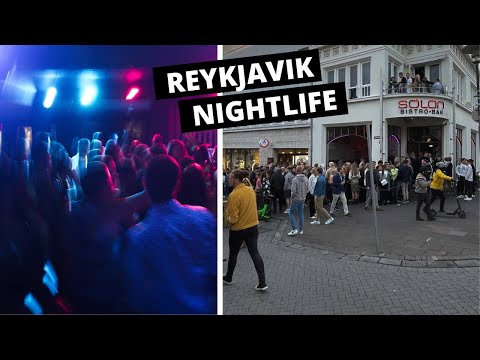
Reykjavik's gay nightlife is concentrated and relatively small but lively, especially on weekends. Venues change and evolve, so current recommendations should be verified, but historically significant and currently operating venues include:
Kiki Queer Bar has been one of Reykjavik's main LGBTQ+ venues, located downtown and serving as a social hub for the community. It typically hosts DJs and themed nights and attracts a diverse crowd of locals and tourists.
Laugalækur Spa (sometimes referenced as a gay-friendly bathhouse experience) has traditionally been a place where gay men socialize, though specifics should be confirmed as venues evolve.
Moravíbarinn is a gay bar in the downtown area known for hosting events and DJs, though its current status should be verified before visiting.
The broader downtown bar scene, particularly around Laugavegur and nearby streets, contains numerous venues friendly to LGBTQ+ patrons. Venues like Café Paris and Café Loki are popular social spots, and Iceland's general bar scene is very welcoming to LGBTQ+ people without being explicitly gay-identified.
Clubs like Sódóma Reykjavík and others occasionally host LGBTQ+ events, though the Icelandic bar and club scene is relatively fluid with regular themed nights and pop-up events. The best way to find current events is through local social media, the Reykjavik Pride website, and asking at hotels or tourist information.
PRIDE AND MAJOR EVENTS
Reykjavik Pride (Reykjavik Pride Festival) is held in August and is not to be missed if timing permits. The festival runs for several days and includes a parade through downtown Reykjavik (usually the second Saturday of August) that attracts over 100,000 participants. The atmosphere is celebratory and includes cultural events, concerts, performances, and parties. Hotels book up months in advance during Pride, so early planning is essential.
Beyond Pride, Reykjavik's social scene is relatively consistent year-round. Winter brings the darkness and cold, which some visitors find atmospheric, while summer offers nearly 24-hour daylight. There are no other major LGBTQ+-specific events comparable to Pride, but the regular bar and club scene provides ongoing social opportunities.
WHERE TO STAY
Reykjavik has numerous accommodation options suitable for LGBTQ+ travelers. Downtown hotels and guesthouses put visitors within walking distance of bars, restaurants, and nightlife. Areas near Laugavegur and the Old Harbor are convenient for nightlife and tourism.
Several small guesthouses and hotels are explicitly LGBTQ+-owned and operated, offering a more personalized experience. Options range from luxury hotels like several properties in the center to budget guesthouses in residential areas. Airbnb is widely available in Reykjavik and can offer good value, particularly for longer stays.
Since Reykjavik is expensive (Iceland's cost of living is high), budget accommodation fills quickly. Booking well in advance is recommended, especially during summer and absolutely essential during Pride.
Iceland is one of the safest and most LGBTQ+-friendly countries in the world. Public displays of affection between same-sex couples are normal and unremarkable in Reykjavik. Discrimination is extremely rare, and legal protections are strong. The social climate is genuinely accepting rather than merely tolerant—Icelandic culture emphasizes individual freedom and equality, with little religious opposition to LGBTQ+ rights.
Violent crime in Reykjavik is rare, and standard urban safety precautions apply as in any city. The main safety concern for travelers is the harsh weather in winter (November to March), which requires appropriate clothing and caution while walking on ice.
GENDER EXPRESSION AND IDENTITY
Iceland has progressive policies regarding gender identity. The legal framework supports gender recognition, and Reykjavik's social culture is accepting of diverse gender expression. Transgender and non-binary people are visible in the community, and discrimination based on gender identity is illegal and socially unacceptable.
TRANSIT AND NAVIGATION
Reykjavik is compact and walkable, with most attractions and nightlife within a 15-20 minute walk of downtown. Public transportation via buses (operated by Strætó) is efficient and inexpensive. Taxis are readily available and relatively expensive. Many visitors rent cars for day trips outside the city, though a car is not necessary for experiencing Reykjavik itself.
The city is easy to navigate, with clear signage. English is widely spoken, and most younger Icelanders are fluent. Tourist information is excellent, with English-language maps and directions available at the main tourist center near the Old Harbor.
FOOD AND DINING
Reykjavik's food scene has expanded dramatically in recent years. The city has numerous restaurants ranging from casual cafes to fine dining establishments. Icelandic cuisine emphasizes fresh seafood, lamb, and locally sourced ingredients. Several excellent restaurants are located in and around downtown Reykjavik.
Dish Restaurant and other upscale establishments offer Nordic cuisine in an elegant setting. For casual dining, cafes and pubs serve traditional Icelandic fare and international cuisine. Laugavegur has numerous cafes and restaurants, making it easy to find food while exploring downtown.
Many restaurants are gay-friendly or explicitly gay-owned without making this a focus. The overall dining culture is inclusive and welcoming. Alcohol is expensive in Iceland (liquor stores have strict rules and high taxes), but bars and restaurants serve drinks at typical European prices.
Reykjavik's location makes it an excellent base for experiencing Iceland's natural wonders. The Golden Circle (Þingvellir National Park, Geysir hot springs, Gullfoss waterfall) is a popular full-day tour, approximately 300 kilometers round trip. The Blue Lagoon geothermal spa, located between Reykjavik and Keflavík Airport, is a must-see, though it's touristy and expensive.
Waterfall tours, glacier hiking, and whale watching tours depart from Reykjavik. The South Coast offers dramatic black sand beaches and waterfalls. Most day trips can be done via guided tours booked through hotels or travel companies, with shuttle services from downtown Reykjavik.
For LGBTQ+ travelers, these activities are fully accessible and welcoming. Iceland's outdoor culture is inclusive, and LGBTQ+ tour operators and guides are available.
PRACTICAL INFORMATION
Reykjavik's airport is located about 50 kilometers from the city center; shuttle buses and taxis provide transport. The city is accessible by frequent flights from Europe, North America, and Asia. Icelandair is the main national carrier, though numerous international airlines serve Keflavík International Airport.
The currency is the Icelandic króna (ISK). Most places accept credit cards, and ATMs are widely available. Iceland is expensive; budget travelers should expect high accommodation, food, and activity costs. Reykjavik is a cashless society; credit cards are essential and ubiquitous.
Weather varies dramatically by season. Summer (June-August) offers nearly 24-hour daylight, mild temperatures (around 12-15°C or 54-59°F), and the busiest tourism season. Winter (November-March) brings extreme darkness (about 4-5 hours of daylight in December), cold temperatures (around 0°C or 32°F), and the possibility of seeing the Northern Lights. Spring and fall are transitional with moderate temperatures.
ICELANDIC LANGUAGE AND COMMUNICATION
English is widely spoken in Reykjavik, particularly among younger people. Most signs, menus, and tourist information are available in English. Learning a few Icelandic phrases is appreciated but not necessary. The Icelandic language is complex, and most English-speakers will not achieve fluency, so relying on English is standard for visitors.
WELCOMING ATMOSPHERE
What distinguishes Reykjavik as an LGBTQ+ destination is not the size of its gay scene, but the genuinely welcoming social atmosphere. Icelanders are famously reserved in demeanor but deeply egalitarian in values. LGBTQ+ travelers can expect to be treated with the same respect and friendliness as any other visitor. The community, though small, is visible and vibrant, and hosting the annual Pride festival has normalized LGBTQ+ visibility in the broader culture.
For travelers seeking an LGBTQ+-friendly destination that offers both affirming nightlife and world-class natural beauty, combined with strong legal protections and genuine social acceptance, Reykjavik delivers on all fronts.
Frequently asked questions
Extremely. Iceland ranks in the top three on Europe's Rainbow Map, banned conversion therapy in 2023, and elected the world's first openly gay prime minister back in 2009. In Reykjavik same-sex couples holding hands draw zero attention, staff at most municipal pools are Rainbow Certified, and Pride draws crowds equal to a third of the national population. It is one of the safest city breaks a queer traveller can book.
The scene is small and concentrated on and around Laugavegur. Kiki Queer Bar is the anchor - the country's only dedicated queer nightclub, all pop, drag and dancing, busiest after midnight Friday and Saturday. 22 Bar (Bar 22), its low-key sibling, is a queer-run hangout with Dyke Nite and quiz nights, ideal earlier in the evening. Most other downtown bars are genuinely mixed, so the whole 101 district works as an extended scene.
No - there is no gay sauna anywhere in Iceland, and there never has been. The local substitute is the geothermal bathing culture: Sundhollin, the 1937 art-deco bathhouse, has a noticeably queer following at quieter hours, and Sky Lagoon hosts official Pride events each August. Everyone soaks together here, which is very much the Icelandic way.
Reykjavik Pride (Hinsegin dagar) runs in early August - in 2026 from August 4 to 9, with the parade setting off from Hallgrimskirkja on Saturday, August 8. It is a whole-city festival: concerts, drag, family events and rainbow-painted streets, with tens of thousands joining in. Book accommodation months ahead, as the city genuinely fills up.
No, and that is the point - the entire downtown 101 district functions as the scene. Queer venues, queer-friendly cafes and the Samtokin '78 community centre at Sudurgata 3 are all within a fifteen-minute walk of each other around Laugavegur. Iceland's acceptance levels mean the community never needed a separate enclave.
Plenty for a city this size. RVKBear, the annual bear festival, takes over early September with club nights plus Golden Circle tours and lagoon soaks. Rainbow Reykjavik brings a winter LGBTQ festival with northern-lights hunting each year around March. Year-round, Kiki hosts drag and queer club nights, and the Samtokin '78 community centre calendar is the best guide to what locals are actually doing each week.
Your privacy choices.
We use cookies to run GayOut and, with your consent, measure usage. Learn more
Your privacy choices
We use cookies to keep GayOut running, remember your preferences, and (with your permission) measure how the site is used. You can accept all, reject all, or pick what you allow. Learn more
Essential
Required for sign-in, fraud prevention, CSRF protection and remembering your language. Cannot be disabled.
Always on
Remembers your favourites, dark mode and other interface preferences across visits.
Helps us understand which pages people visit (Google Analytics, server-side stats) so we can improve.
Used by campaign tracking pixels. None are active right now, reserved for future use.
Install GayOut
Add GayOut to your home screen for faster access, offline favourites, and Pride alerts.






 Gay Bars & Clubs
(266)
Gay Bars & Clubs
(266)