Everything worth knowing before you go.
Atlanta is a significant LGBTQ+ destination in the American South. The city's LGBTQ+ scene has developed considerably, evolving into a nationally recognized hub.
Atlanta's LGBTQ+ history spans decades, with the modern scene taking shape in the 1970s and 1980s. Midtown emerged as the primary LGBTQ+ neighborhood. Over time, cultural institutions and venues were established, and Atlanta became known for its African American LGBTQ+ spaces and events, a legacy that continues to shape the city's identity.
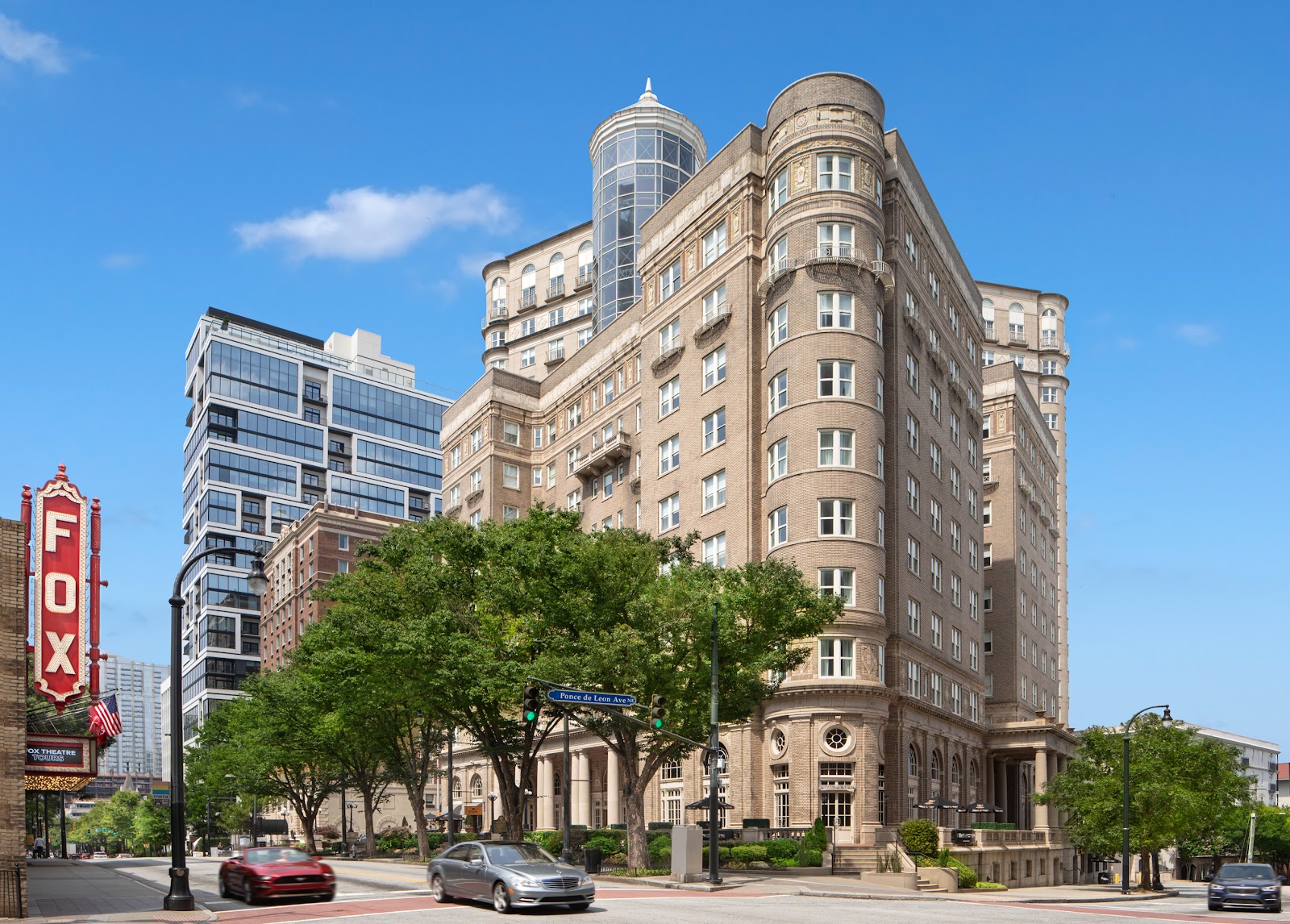
Midtown is the central LGBTQ+ destination, roughly between North Avenue and 10th Street along Peachtree Street. This area has the highest concentration of LGBTQ+ bars, clubs, restaurants, and shops. The neighborhood is partially walkable, featuring a range of establishments from upscale cocktail bars to casual spots and larger dance venues. Many LGBTQ+ residents also live in nearby Virginia-Highland, offering a more residential feel while staying close to Midtown's attractions. East Atlanta is increasingly popular with a younger demographic, presenting a more alternative scene with independent venues and diverse community spaces. Downtown Atlanta, while not traditionally an LGBTQ+ neighborhood, shows growing LGBTQ+ visibility, particularly around its arts districts and cultural venues.
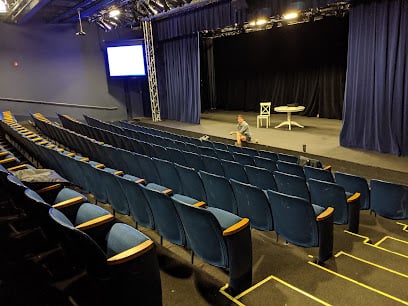
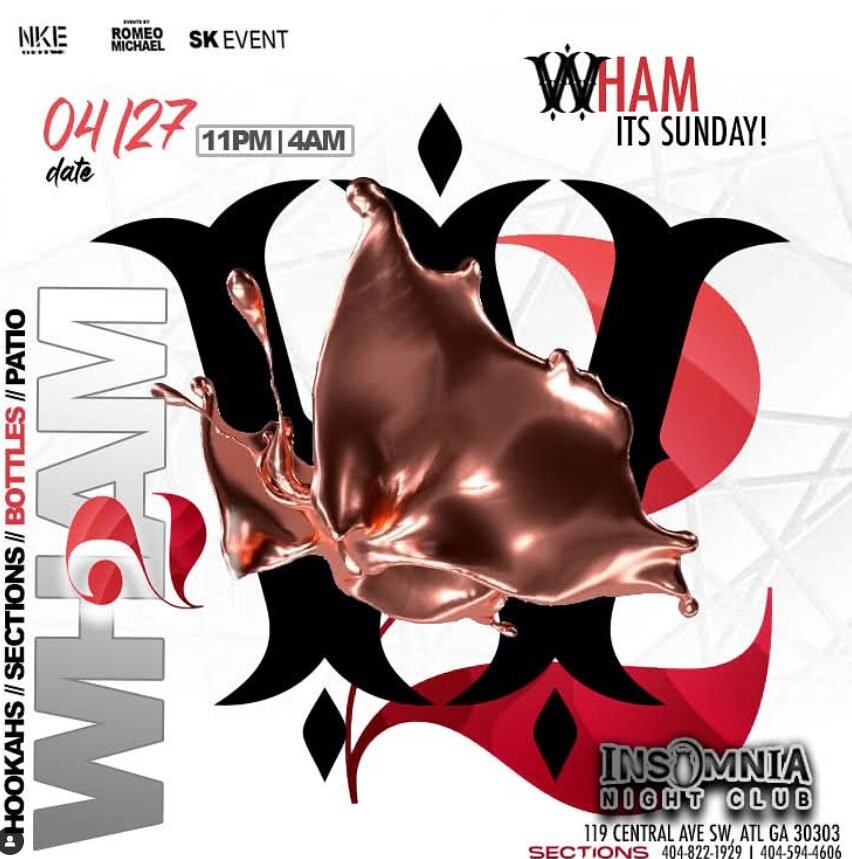
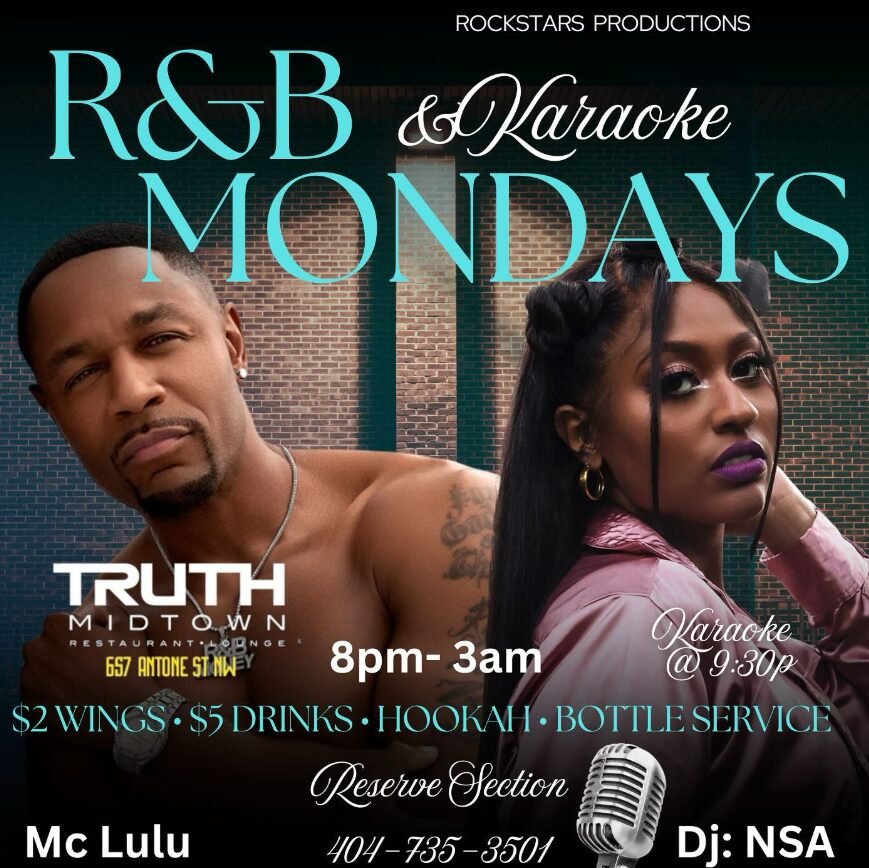
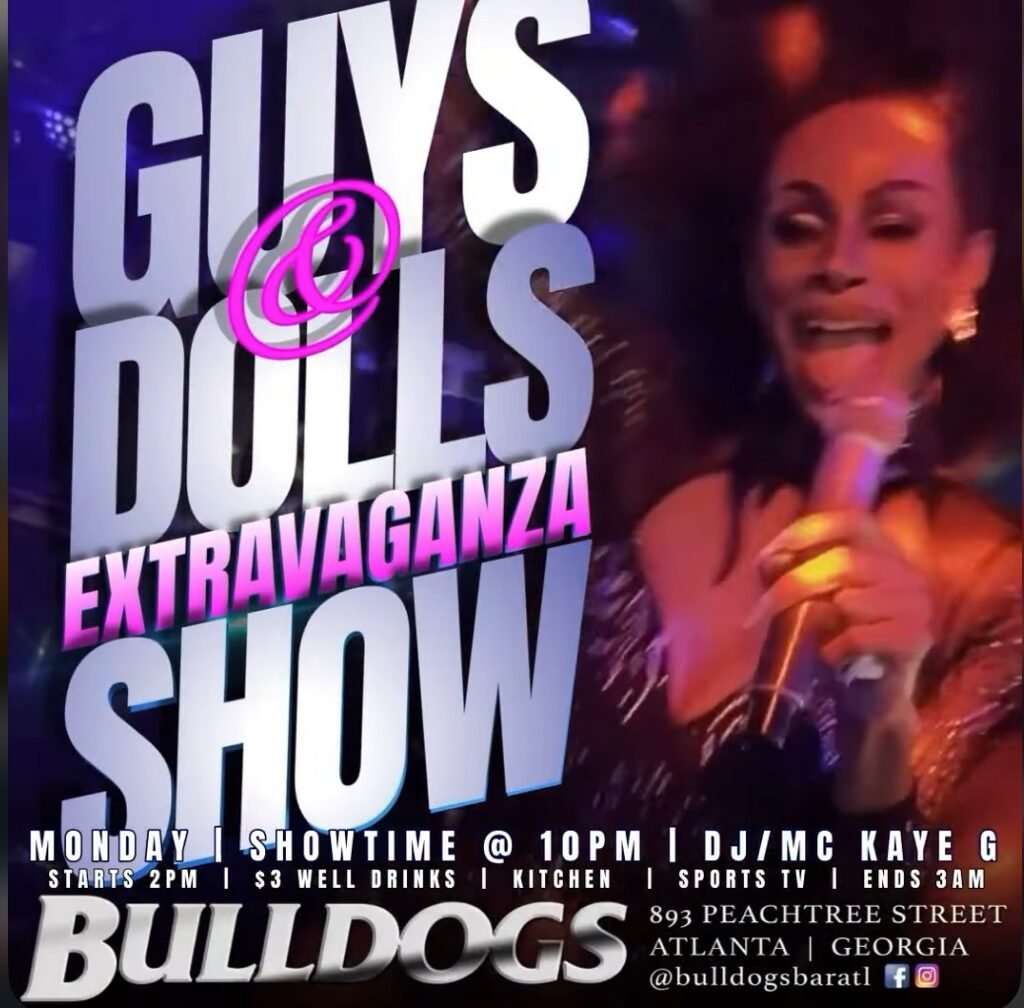
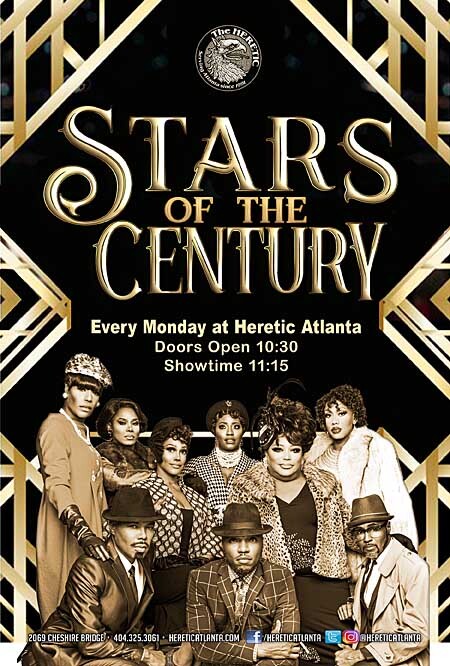
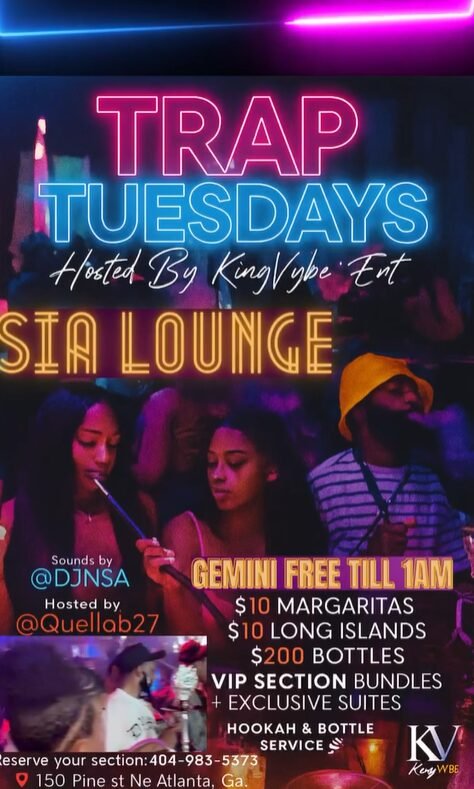
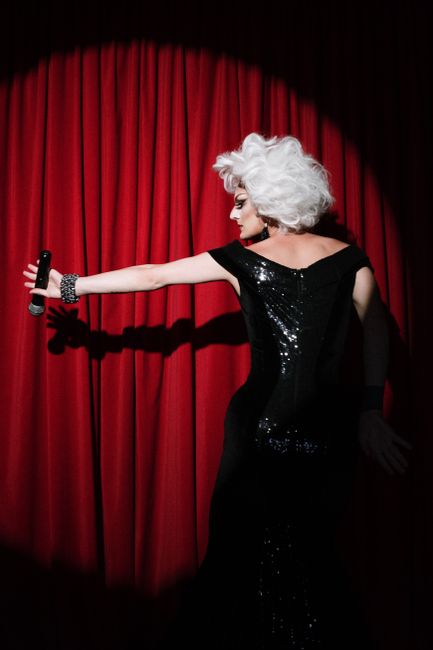
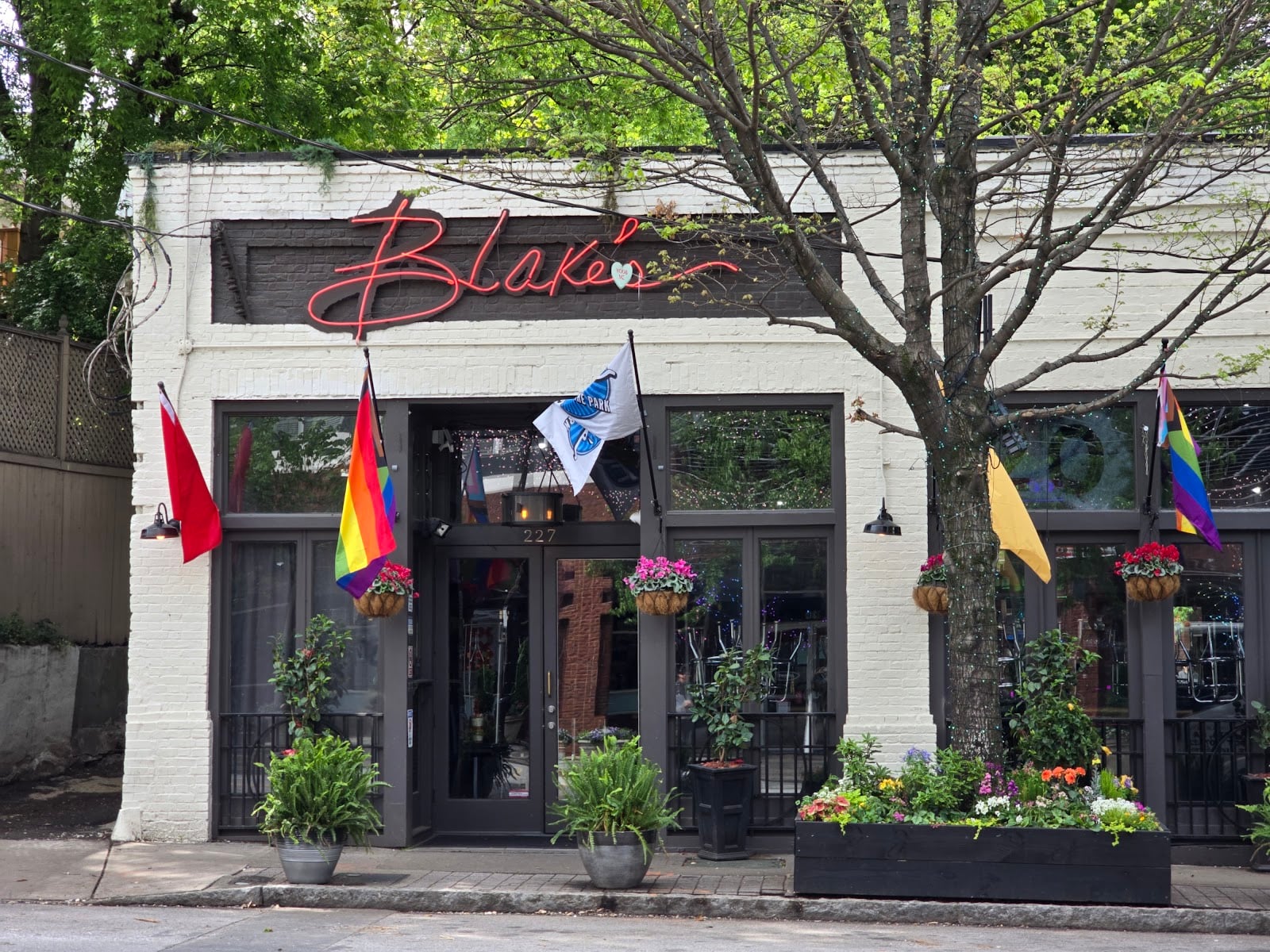
Midtown's nightlife includes several established venues. The Eagle Atlanta on Peachtree Street is a recognized leather bar and a gathering spot. Blüstein's, also in Midtown, has been a notable venue. The area features various bars and clubs that cater to different crowds and music styles. Some venues offer live entertainment, drag performances, and themed nights. Additionally, many bars and restaurants in Midtown are gay-friendly and frequented by LGBTQ+ patrons, contributing to an integrated social scene.
Atlanta Pride occurs annually in October and is a major Pride celebration. The main festivities, including the parade and street festival, are centered around Piedmont Park. The event draws large crowds and features performances, community organization booths, food vendors, and city-wide celebrations. Throughout the year, Atlanta hosts other LGBTQ+ events such as film festivals, fundraisers, and cultural gatherings. The city also has a notable circuit party scene.
For proximity to the main LGBTQ+ scene, Midtown offers numerous hotel and short-term rental options within walking distance of bars and restaurants. Larger hotel chains and boutique hotels are available in the area. For a quieter stay, consider options in Virginia-Highland, Downtown, or along the BeltLine, a popular park and trail system. Due to Atlanta's spread, staying in some residential neighborhoods may require transportation to reach Midtown, offering opportunities to explore other parts of the city.
Atlanta's public transit, MARTA, serves major areas including Midtown and Downtown. The Midtown MARTA station is conveniently located for accessing the LGBTQ+ neighborhood. However, Atlanta is largely car-dependent, and a vehicle or rideshare services may be necessary for exploring beyond Midtown or reaching certain neighborhoods. The BeltLine trail system provides an alternative for navigating between neighborhoods by foot or bike.
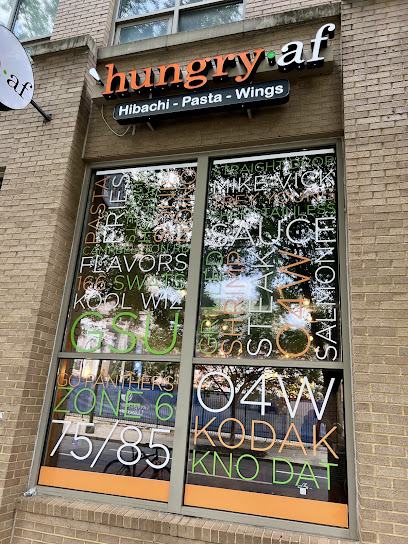
Midtown and surrounding areas offer diverse dining reflecting Atlanta's multicultural population, from casual American fare to ethnic cuisines and upscale options. Many restaurants and cafes in Midtown are gay-owned or heavily patronized by the LGBTQ+ community. The broader city provides excellent Southern cuisine, contemporary restaurants, and diverse culinary options in neighborhoods like East Atlanta.
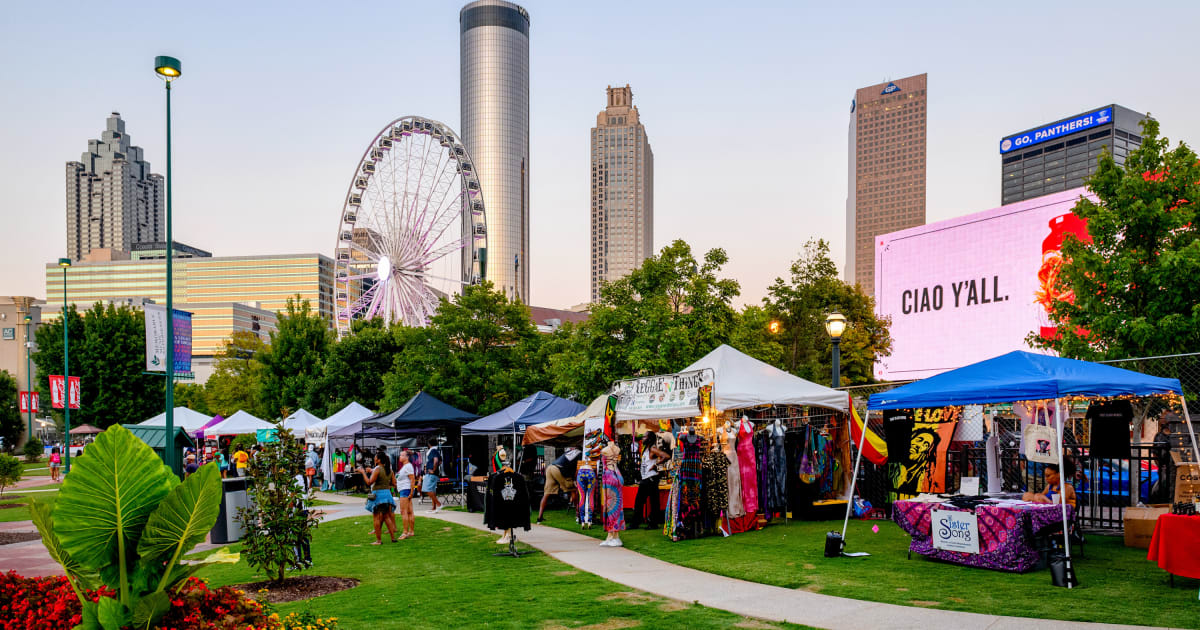
Beyond the LGBTQ+ scene, Atlanta offers significant cultural attractions such as the Georgia Aquarium, World of Coca-Cola, Martin Luther King Jr. National Historical Park, and various museums. The city's history as a Civil Rights hub provides important context and attractions. Within a short drive, visitors can access natural areas, state parks, and hiking opportunities in the North Georgia mountains.
Atlanta is generally welcoming to LGBTQ+ travelers, particularly in Midtown and established communities. Standard urban safety precautions are advised, especially at night. While Atlanta has progressive communities, awareness of local context in different neighborhoods is reasonable. The city has active LGBTQ+ advocacy organizations and responsive local government and law enforcement.




















 Gay Bars & Clubs
Featured
(489)
Gay Bars & Clubs
Featured
(489)