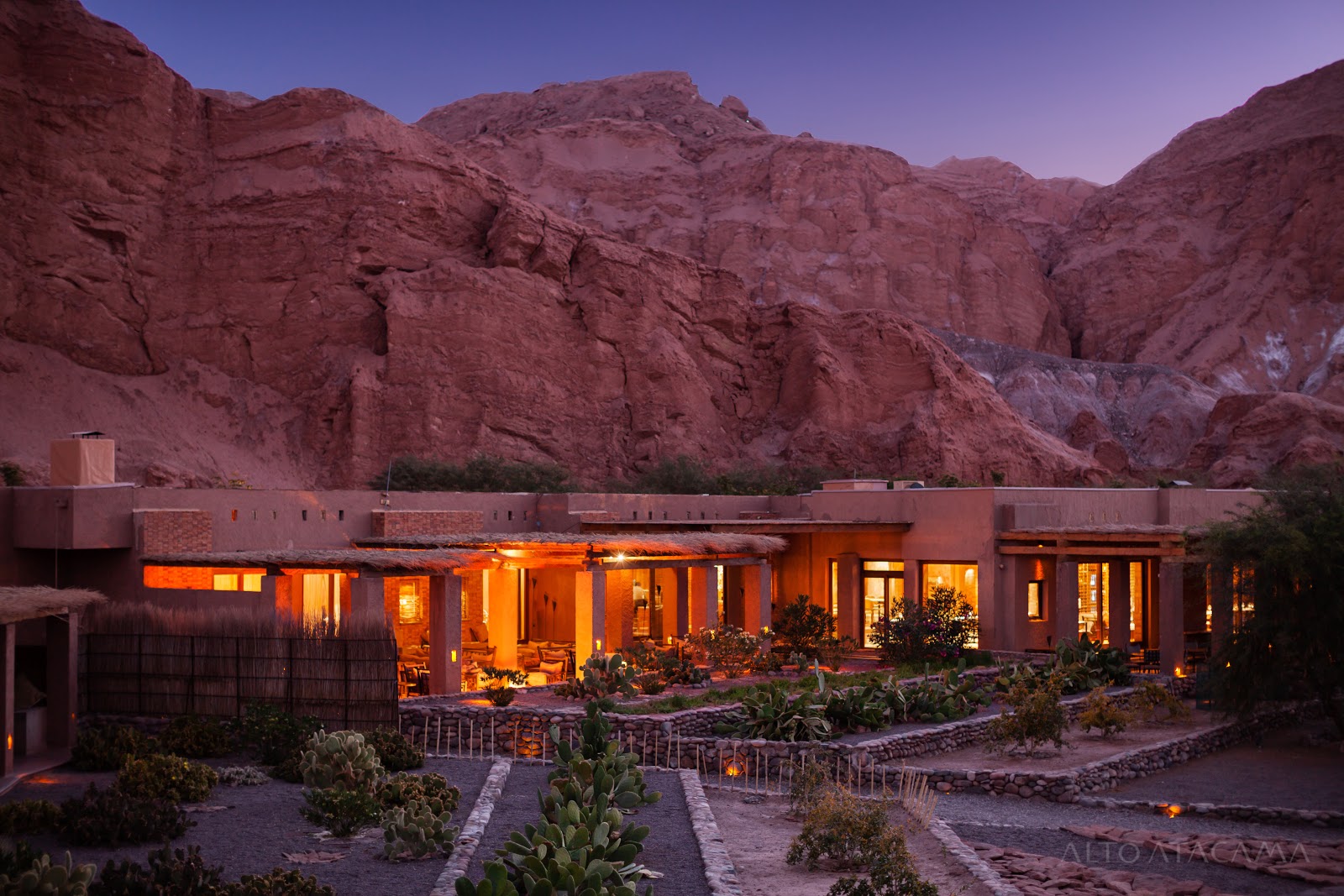
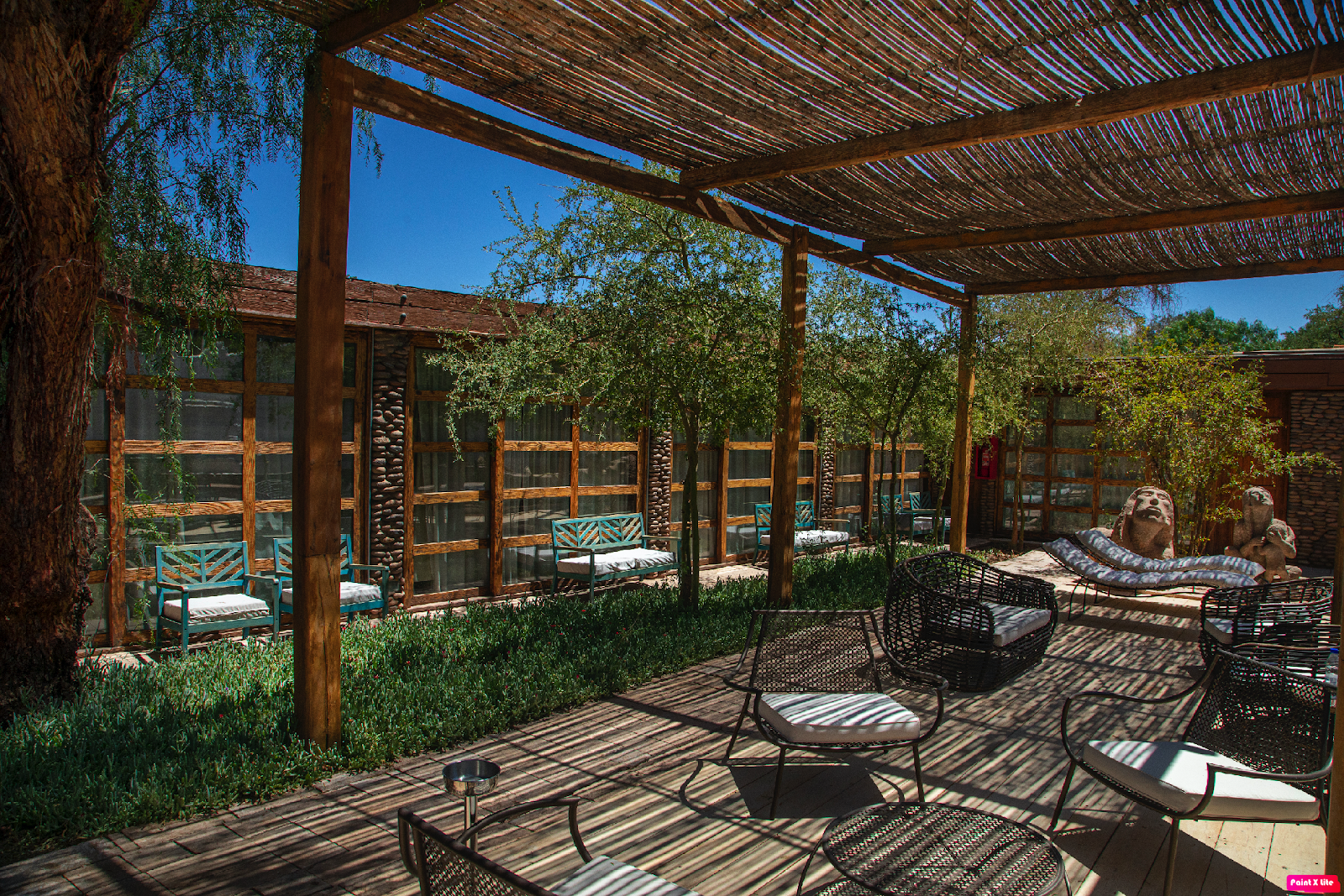
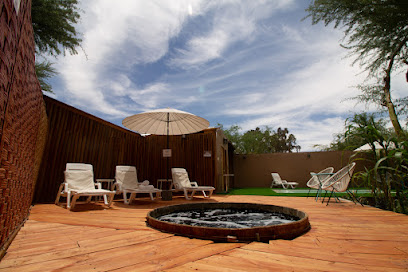
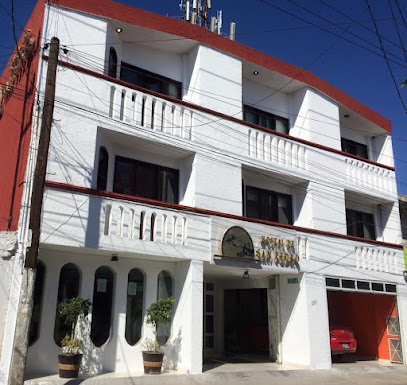
Terrantai is located next to the church and the main square of the town, it is part of the sector called Typical Zone, which in 1980 the State of Chile declared a protected area, and the buildings…
San Pedro de Atacama sits at roughly 2,400 meters elevation in the Atacama Desert, one of the driest places on Earth. The town is small—a few thousand residents—but has developed as a major hub for international travelers seeking adventure, stargazing, and encounters with dramatic desert landscapes. This guide provides practical information for LGBTQ+ travelers considering a visit.
History and Context
The LGBTQ+ scene in San Pedro is not centralized or historically prominent in the way larger cities have organized gay communities. Instead, the town's openness to LGBTQ+ travelers stems from its character as an international destination with a young, progressive visitor base and a bohemian cultural ethos. The town attracts backpackers, adventure seekers, and tourists from around the world, which naturally creates a cosmopolitan, accepting environment. Local indigenous Atacameño culture and Chilean social attitudes in major cities tend toward acceptance of LGBTQ+ people, though rural attitudes can vary. In practice, San Pedro functions as a safe, welcoming destination for queer travelers.
Neighborhoods and Layout
San Pedro is compact and easily navigable on foot. The town centers around the main plaza (Plaza de Armas), where the church, local shops, restaurants, and tour operators cluster. Most accommodations, restaurants, and social venues are within a short walk of this central area. There are no designated gay neighborhoods—instead, the entire town functions as a single, integrated community where locals and tourists interact throughout the main commercial and residential areas. Hostels and guesthouses are scattered throughout town, with many concentrated near the plaza.
Where to Stay
Accommodations in San Pedro range from budget hostels to mid-range hotels and luxury lodges. Many backpacker hostels have a strong social culture with communal kitchens and common areas where guests gather in the evenings. Popular hostel options include Sparafucile, known for its social atmosphere and rooftop bar, and La Casa de Don Tomás, a well-established budget option with good reviews. These hostels cater to international travelers and are generally LGBTQ+-friendly. Mid-range hotels and desert lodges are also available, though they may be less social. For those seeking comfort, options like Hotel San Pedro de Atacama or Altiplanico offer mid-range amenities with desert views. Booking in advance is recommended, especially during peak season (December-February and July-August).
San Pedro does not have dedicated gay bars, nightclubs, or saunas. Instead, social life centers around hostels, restaurants, and a few casual bars where locals and tourists mix. Many travelers socialize at their accommodation's common areas or meet while on organized tours. The main plaza and surrounding streets have several casual restaurants and cafes where people gather. Some popular gathering spots include local restaurants like Tierra Todo Natural and various tour operator offices where travelers book excursions and meet other adventurers. Evening social scenes often develop organically among hostel guests. Dating and hookup apps like Grindr and Scruff have minimal presence in this small town, so meeting other queer travelers typically happens through natural social interaction.
Events and Pride
San Pedro does not host organized Pride events or major LGBTQ+ festivals. The town's small size and remote location mean that dedicated queer events are not part of the annual calendar. However, LGBTQ+ travelers and locals may mark Pride month (June) informally. Larger Pride celebrations occur in Chilean cities like Santiago (late September, Marcha del Orgullo) and Valparaíso, which are more accessible during specific times of year if travelers extend their journey.
Walking the Desert: Day Trips and Activities
The primary draw of San Pedro is access to extraordinary natural attractions. These are not LGBTQ+-specific but appeal to queer adventurers. Most require hiring tours through local operators.
Valle de la Luna (Valley of the Moon) lies just outside town and features surreal multicolored rock formations that resemble an alien landscape. Tours typically depart in late afternoon, allowing visitors to watch sunset light paint the rocks in dramatic hues. This is one of the most popular excursions.
El Tatio Geysers, located at high altitude (4,200m+), offers geothermal hot springs and steaming geysers. Early morning tours depart before dawn to catch sunrise and the geysers' peak activity. The high altitude means acclimatization is important.
Laguna Cejar is a saltwater lagoon where the high salt content allows visitors to float effortlessly. Tours typically include swimming, and some tours visit nearby Ojos del Salar (Salar Eyes), freshwater springs.
Laguna Tebinquinche and other salt lagoons attract flamingos and provide scenic photography and bird-watching opportunities.
Rio Grande trek offers multi-day hiking through remote desert canyons and indigenous villages.
Stargazing tours take advantage of San Pedro's exceptionally clear night skies and low light pollution. The Atacama is one of the world's best locations for astronomical observation.
Tour operators are concentrated near the main plaza. Most are professional and accustomed to international clients. Guides are usually bilingual (Spanish-English). Tours can be booked through operators or through accommodation. Prices are generally reasonable, ranging from $30-100 USD per person depending on activity and group size. Physical fitness requirements vary—some activities are suitable for all levels, while multi-day treks require stamina.
Safety Considerations
Overall safety for LGBTQ+ travelers is good in San Pedro. The town is small and peaceful, with minimal violent crime. The international character of the town creates a tolerant environment. However, as in all travel, basic precautions apply: avoid displaying excessive wealth, be aware of surroundings, and use registered taxis or tour operators. Chile's legal age of consent is 18 for all orientations, and same-sex relationships are legal. Healthcare facilities are limited in this remote location—serious medical issues may require evacuation to Calama or Santiago. Altitude affects many visitors (the town sits at 2,400m and some excursions go higher), so taking time to acclimatize is important.
Transit and Getting There
San Pedro is accessible from Calama, located about 100 kilometers southwest. Calama has an airport (El Loa Airport, CTS) with flights from Santiago and other Chilean cities. Most visitors fly to Santiago first (Ministro Pistarini International Airport or Arturo Merino Benítez), then connect to Calama. From Calama, buses, rental cars, or organized transfers are available to San Pedro. The drive takes approximately 2-3 hours. Within San Pedro, the compact town is walkable. Taxis are available for short trips. Day trips and excursions use organized tour transportation.
Food and Dining
San Pedro has a variety of restaurants ranging from casual to mid-range. Local specialties include empanadas, Chilean wine, and traditional Atacameño dishes. Restaurants cater to international tastes as well. Options include Tierra Todo Natural (vegetarian/healthy options), Casa de Pedro (traditional Chilean food), and various cafes. Restaurant prices are higher than in larger Chilean cities due to remote location, but still reasonable by international standards. Vegetarian and vegan options are available, though selection may be limited. Alcohol is available in restaurants and a few bars.
Practical Information
Language: Spanish is the primary language; English is spoken in tourism-oriented businesses but less common in everyday transactions. Learning basic Spanish phrases is helpful.
Currency: Chilean Peso (CLP). ATMs are available in town. Credit cards are accepted at most businesses catering to tourists.
Climate
Climate: The Atacama is extremely dry; precipitation is almost nonexistent. Days are warm but nights are cold, especially at altitude. Layers and sunscreen are essential. Winter (June-August) brings cooler temperatures.
Acclimatization: The altitude affects many visitors. Spending the first day resting, drinking water, and avoiding strenuous activity helps. Coca tea and altitude sickness medication (available in pharmacies) are options.
Insurance: Travel insurance is recommended, especially given remote location and altitude.
Water: Tap water in San Pedro is generally safe, though some travelers prefer bottled water.
Internet: WiFi is available at most hostels and restaurants, though speeds may be slow.
Cellular: Local phone service is available through providers like Movistar and Entel.
Who This City Is For
San Pedro de Atacama appeals to queer travelers seeking adventure, natural beauty, and a break from conventional gay tourism infrastructure. It's ideal for those interested in hiking, astronomy, indigenous culture, and remote exploration. Solo travelers, couples, and groups of friends all find the town welcoming. Visitors should be comfortable with limited medical facilities, high altitude, and a small-town pace. Those seeking vibrant gay nightlife or established queer cultural infrastructure should consider larger Chilean cities instead.
Conclusion
San Pedro de Atacama offers LGBTQ+ travelers a unique combination of otherworldly natural beauty, international community, and laid-back bohemian atmosphere. While it lacks dedicated gay venues or infrastructure, its welcoming character, outdoor activities, and cosmopolitan visitor base make it an excellent destination for queer adventurers. The town serves as an ideal base for exploring some of South America's most dramatic landscapes while enjoying a safe, inclusive travel experience.
Frequently asked questions
San Pedro de Atacama is generally a welcoming town for LGBTQ+ travelers. While it's not a traditional gay destination, progressive attitudes are common, especially among younger generations and those in the tourism industry.
No, San Pedro de Atacama does not have organized gay nightlife or LGBTQ+-specific venues like bars or clubs. The social scene is more informal and integrated into general accommodation, dining, and tour experiences.
The LGBTQ+ scene is subtle but genuine, reflected in progressive attitudes. Social interactions often happen informally through shared meals, group tours, and at hotel terraces, with many LGBTQ+ or allied staff in the tourism sector.
While there are no exclusively LGBTQ+ accommodations, many hotels and hospedajes are known for welcoming LGBTQ+ guests and are often run by or employ LGBTQ+ staff. It's recommended to read reviews on booking sites to identify welcoming properties.
San Pedro de Atacama does not have organized Pride festivals. The town's LGBTQ+ presence is more integrated into the general community and tourism rather than celebrated through specific events.
San Pedro is a small, walkable town where neighborhood designations are not prominent. The central area around the Plaza de Armas is where most social interaction and dining occur, making it convenient for exploring and meeting others.
Your privacy choices.
We use cookies to run GayOut and, with your consent, measure usage. Learn more
Your privacy choices
We use cookies to keep GayOut running, remember your preferences, and (with your permission) measure how the site is used. You can accept all, reject all, or pick what you allow. Learn more
Essential
Required for sign-in, fraud prevention, CSRF protection and remembering your language. Cannot be disabled.
Always on
Remembers your favourites, dark mode and other interface preferences across visits.
Helps us understand which pages people visit (Google Analytics, server-side stats) so we can improve.
Used by campaign tracking pixels. None are active right now, reserved for future use.
Install GayOut
Add GayOut to your home screen for faster access, offline favourites, and Pride alerts.



 Gay-Friendly Hotel
(939)
Gay-Friendly Hotel
(939)