Marriage equality since Obergefell v. Hodges (26 June 2015). The Respect for Marriage Act (December 2022) provides a congressional floor, requiring federal recognition of all valid same-sex and interracial marriages regardless of future Supreme Court rulings. Bostock v. Clayton County (2020) held that Title VII of the Civil Rights Act prohibits employment discrimination on the basis of sexual orientation and gender identity. No comprehensive federal anti-discrimination law in housing or public…
• Comfortably appointed guest room with dataport & voicemail • Crowne Plaza Sleep Advantage Program, which includes: • Comfortable New Beds - available for purchase at the Crowne Plaza Online Store •…
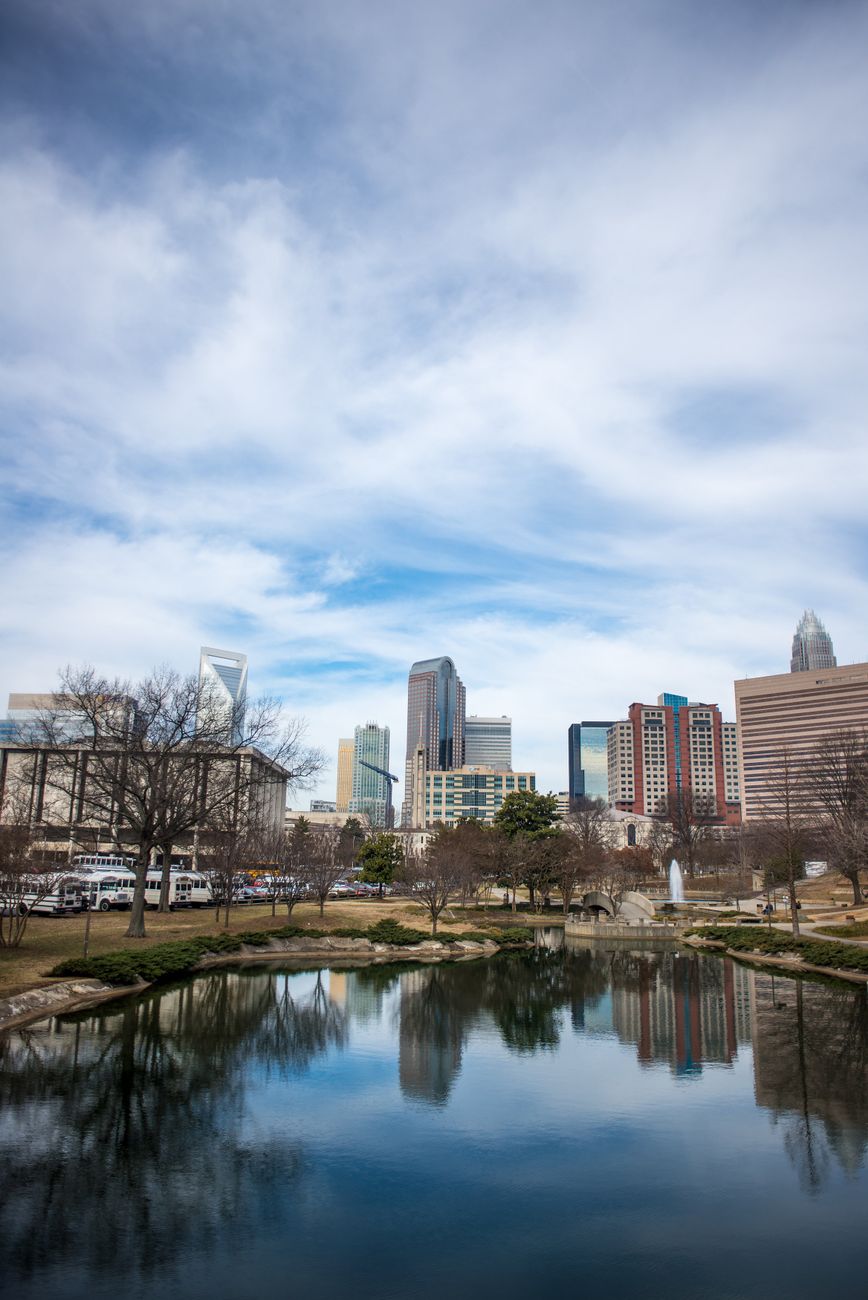
Charlotte's visible LGBTQ+ community emerged prominently in the 1990s and 2000s, developing alongside the city's rapid growth into the Southeast's biggest banking hub. As a magnet for young professionals and newcomers, the city built up an increasingly open queer life — from underground social networks to established venues, community organizations, and one of the largest Pride celebrations in the region. That progression continues today, even as advocates keep pushing for stronger legal protections at the state level.
Neighborhoods and Where to Stay
Charlotte doesn't have a single Castro-style gayborhood; its LGBTQ+ life is spread across a few east-side neighborhoods and, increasingly, South End. Plaza Midwood, strung along Central Avenue just east of Uptown, is the city's most established queer neighborhood — a laid-back, artsy stretch of dive bars, coffee shops, tattoo studios, and drag-friendly music venues. Neighboring NoDa (North Davidson) has a bohemian arts-district feel and is home to Chasers, a gay dance bar that's been part of the scene for decades.
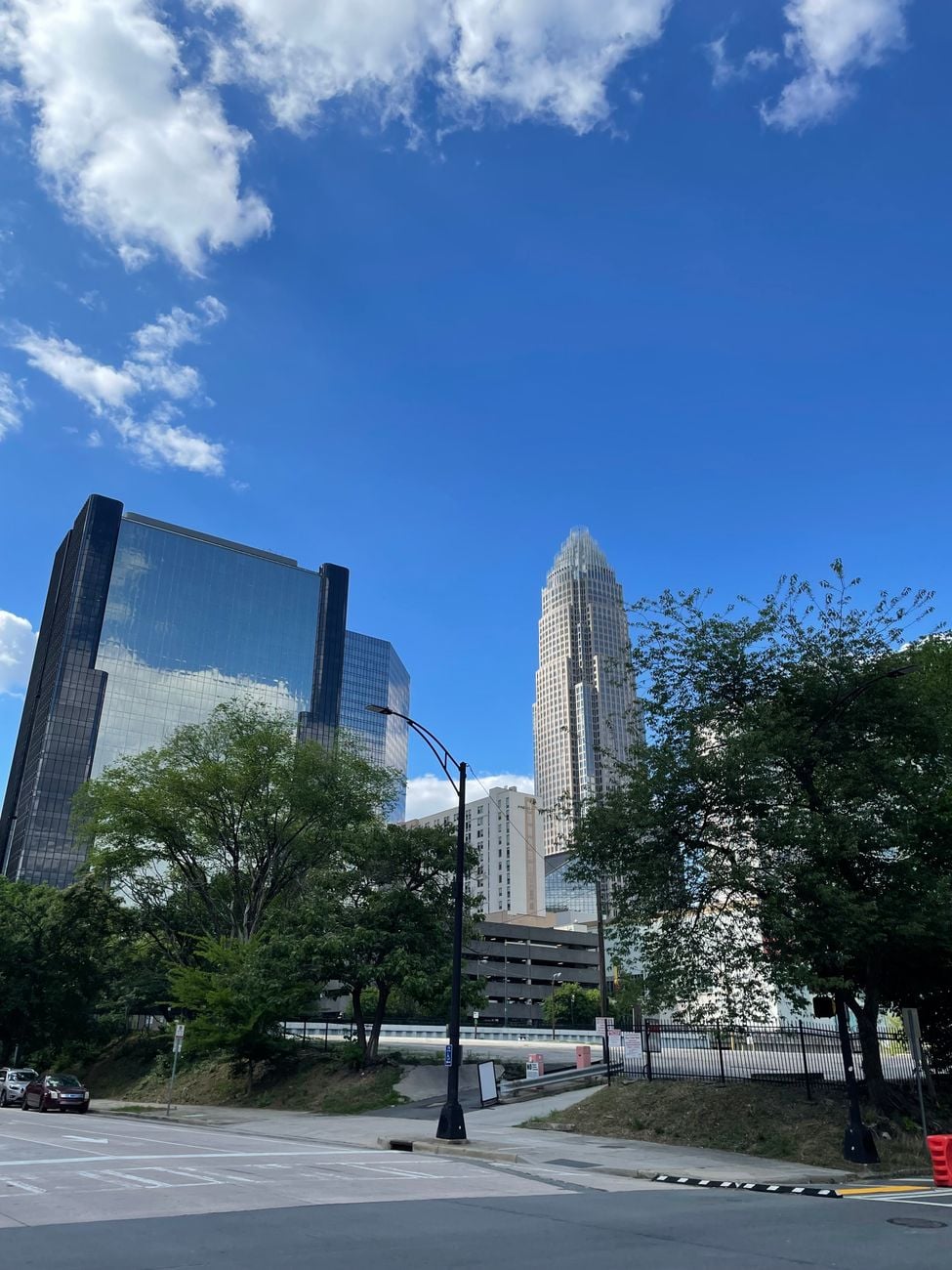
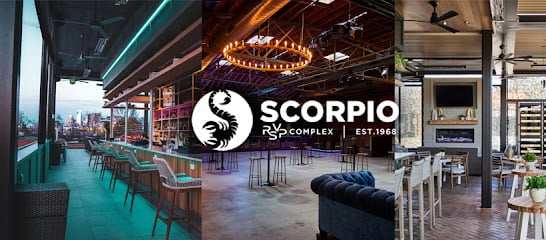
South End, the fast-growing district just south of Uptown, became a nightlife anchor when The Scorpio — North Carolina's oldest gay club — relocated into the RSVP complex there in 2024. Hotels in South End and adjacent Uptown put visitors within easy reach of both the club scene and the city's restaurants, breweries, and galleries. Elizabeth and Dilworth are leafy, gay-friendly residential areas known for inclusive restaurants and popular drag brunches, while Uptown itself hosts the Charlotte Pride festival each summer.
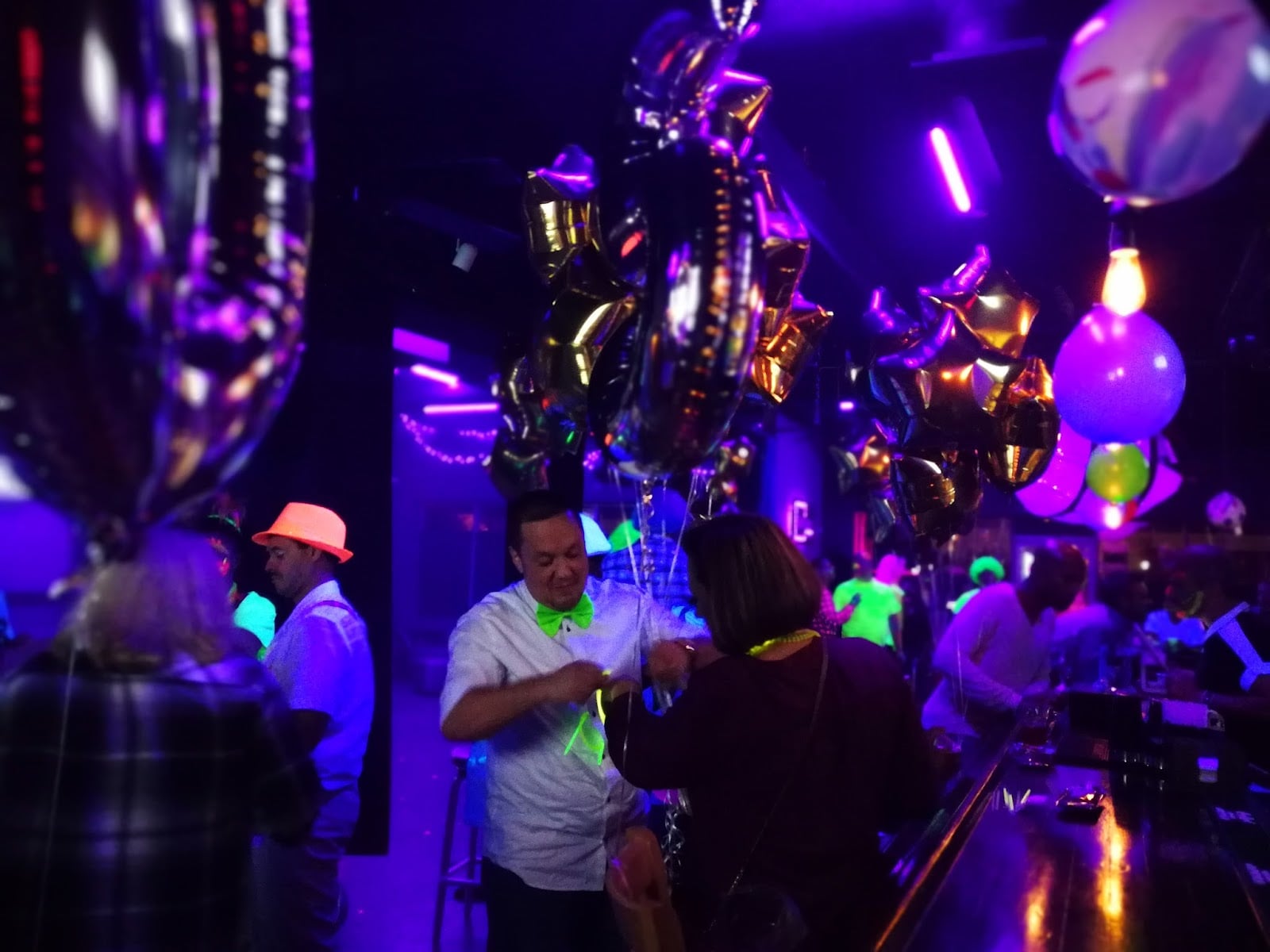
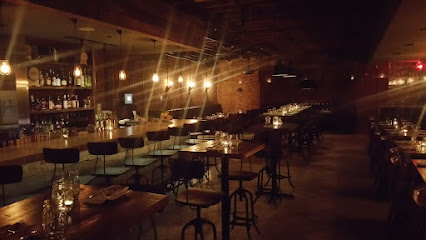
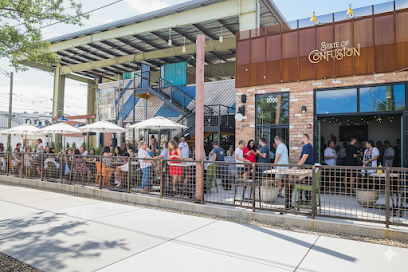
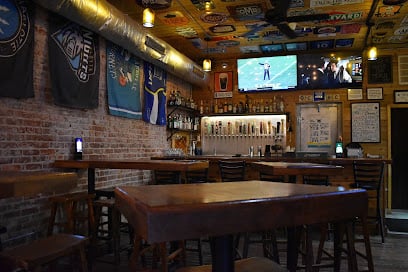
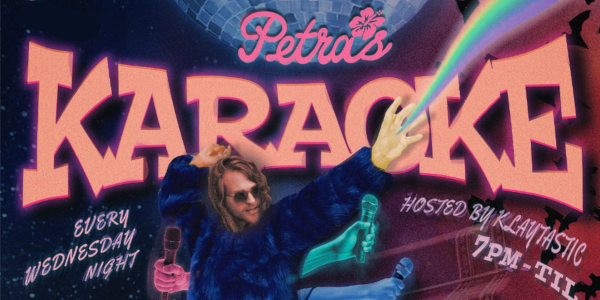
Charlotte's gay nightlife is compact but genuine. The Scorpio, in South End's RSVP complex, is the flagship — a multi-level club with drag shows, dance floors, and rooftop bars, running in one form or another since 1968. Chasers in NoDa is a long-running dance bar with drag and DJ nights, while the Woodshed Lounge, west of Uptown, is the city's leather-and-bear bar. On South Boulevard, Argon (a video and dance lounge) and the adjoining Sidelines Sports Bar & Billiards round out the dedicated venues. Beyond the gay bars, Plaza Midwood spots such as Petra's and Snug Harbor host heavy LGBTQ+ programming — drag, karaoke, and themed nights — as gay-friendly rooms rather than exclusively gay ones. Hours and events shift often, so check social media before heading out.
Beyond the bars, Charlotte has LGBTQ+-owned shops such as White Rabbit on Central Avenue, welcoming coffee shops, and two gay men's spas. The community also keeps up active social groups and sports leagues — including bowling and softball — that welcome visitors.
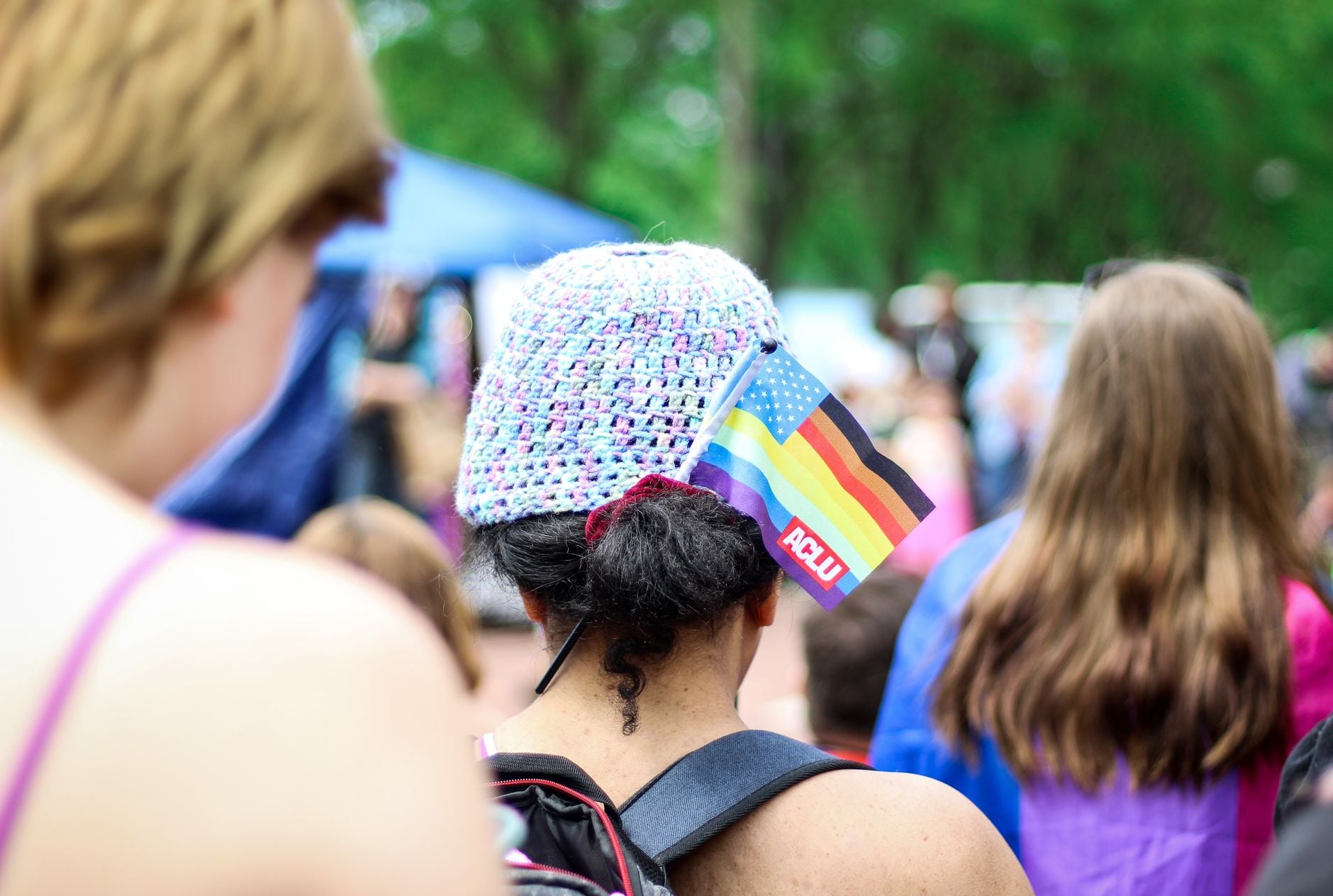
Charlotte Pride, held each August in and around First Ward Park in Uptown, is the flagship celebration and the largest LGBTQ+ Pride in the Carolinas — a free two-day festival with hundreds of community and vendor booths, multiple stages, and a Sunday parade down Tryon Street that draws crowds in the hundreds of thousands. Charlotte Black Pride runs separately in July, and Reel Out Charlotte, the city's LGBTQ+ film festival, screens each spring. Local organizations keep event calendars worth checking on arrival.
Transit and Getting Around
Charlotte is a car-dependent city, though Uptown and South End are increasingly walkable and linked by the LYNX Blue Line light rail. The wider CATS (Charlotte Area Transit System) bus network exists but is more limited than in transit-heavy cities. Rideshare services are widely available and are often the most convenient way to get between neighborhoods and venues, particularly after a night out.
Food and Dining
Charlotte's restaurant scene has grown considerably, with South End, Plaza Midwood, and Uptown offering diverse cuisines and styles. The city has strong barbecue traditions, farm-to-table kitchens, and plenty of international options, and many establishments are LGBTQ+ owned or explicitly welcoming. Casual cafes, food halls, and breweries popular with the community round things out.
Charlotte is generally considered safe for LGBTQ+ travelers, particularly in Uptown, South End, Plaza Midwood, and NoDa, where the community is visible and accepted. Same-sex marriage is legal nationwide, and Charlotte has a citywide nondiscrimination ordinance. As with any big city, standard precautions apply — stay aware of your surroundings, avoid isolated areas late at night, and use reliable transportation. North Carolina's state-level politics are more conservative than the city itself, so travelers may want to be a little more mindful outside the central districts.
Weather varies a lot by season. Summers are hot and humid (often 85-90F / 29-32C), while winters are mild with occasional ice or light snow. Spring and fall are the most comfortable times to visit, so pack accordingly and stay hydrated in summer.
Day Trips and Attractions
Beyond the city, Charlotte offers easy access to the outdoors. The Blue Ridge Mountains are roughly 90 minutes northwest, popular for hiking and scenic drives, with Chimney Rock State Park and the LGBTQ+-friendly mountain town of Asheville among the favorite day trips. Lake Norman, just north of the city, is a go-to for boating and lakeside recreation. In town, don't miss the U.S. National Whitewater Center, the Levine Museum of the New South, and the city's gardens and greenways.
Practical Information
Charlotte Douglas International Airport (CLT) is one of the busiest hubs in the country, about 15 minutes from Uptown by rideshare or rental car. Local LGBTQ+ life is well documented by QNotes, the Carolinas' long-running queer newspaper, which is a good source for current events and venue news.
Note that North Carolina has not passed comprehensive statewide LGBTQ+ nondiscrimination protections, though Charlotte's local ordinance provides broader coverage in employment, housing, and public accommodations. Charlotte is widely regarded as one of the state's most progressive cities on LGBTQ+ issues, with a supportive local government and business community. As always, verify current venue details and event dates before your trip.
Frequently asked questions
Yes. Charlotte is widely regarded as one of North Carolina's most welcoming cities for LGBTQ+ visitors, with a citywide nondiscrimination ordinance and a visible, active community - especially in central neighborhoods like Plaza Midwood, NoDa, South End, and Uptown. Same-sex marriage is legal nationwide. As in any big city, use normal precautions at night; North Carolina's state-level politics are more conservative than the city itself, but travelers rarely run into problems in Charlotte's central districts.
Plaza Midwood, along Central Avenue just east of Uptown, is the most established queer neighborhood, full of laid-back bars and drag-friendly music venues. Neighboring NoDa (North Davidson) is an artsy district home to the gay dance bar Chasers. South End, south of Uptown, has become a nightlife hub since The Scorpio moved there, while Elizabeth and Dilworth are gay-friendly residential areas known for inclusive restaurants and drag brunches.
Charlotte Pride takes place in mid-August - the 2026 festival runs Saturday and Sunday, August 15-16, centered on First Ward Park in Uptown, with the parade down Tryon Street on the Sunday. It's a free event and the largest LGBTQ+ Pride celebration in the Carolinas. Charlotte Black Pride is held separately in July.
Both. Charlotte has several dedicated gay venues - The Scorpio (North Carolina's oldest gay club, in South End's RSVP complex), Chasers in NoDa, the Woodshed Lounge (leather and bears), and Argon and Sidelines on South Boulevard. Alongside them, gay-friendly spots in Plaza Midwood such as Petra's and Snug Harbor run regular drag and themed nights for a mixed crowd.
The Scorpio is the flagship club, with drag shows, dance floors, and rooftop bars. Chasers is a long-running NoDa dance bar, the Woodshed Lounge is the city's leather-and-bear bar, and Argon (a video and dance lounge) sits next to the gay-owned Sidelines Sports Bar & Billiards on South Boulevard. For a more laid-back evening, Plaza Midwood's Petra's and Snug Harbor host LGBTQ+ nights.
Charlotte is North Carolina's largest city and home to tens of thousands of LGBTQ+ residents. It hosts Charlotte Pride, the largest LGBTQ+ Pride celebration in the Carolinas, which draws crowds in the hundreds of thousands each August.
Your privacy choices.
We use cookies to run GayOut and, with your consent, measure usage. Learn more
Your privacy choices
We use cookies to keep GayOut running, remember your preferences, and (with your permission) measure how the site is used. You can accept all, reject all, or pick what you allow. Learn more
Essential
Required for sign-in, fraud prevention, CSRF protection and remembering your language. Cannot be disabled.
Always on
Remembers your favourites, dark mode and other interface preferences across visits.
Helps us understand which pages people visit (Google Analytics, server-side stats) so we can improve.
Used by campaign tracking pixels. None are active right now, reserved for future use.
Install GayOut
Add GayOut to your home screen for faster access, offline favourites, and Pride alerts.







 Gay Bars & Clubs
Featured
(601)
Gay Bars & Clubs
Featured
(601)