Marriage equality since Obergefell v. Hodges (26 June 2015). The Respect for Marriage Act (December 2022) provides a congressional floor, requiring federal recognition of all valid same-sex and interracial marriages regardless of future Supreme Court rulings. Bostock v. Clayton County (2020) held that Title VII of the Civil Rights Act prohibits employment discrimination on the basis of sexual orientation and gender identity. No comprehensive federal anti-discrimination law in housing or public…
Greensboro: A Traveler's Guide to North Carolina's Piedmont Pride
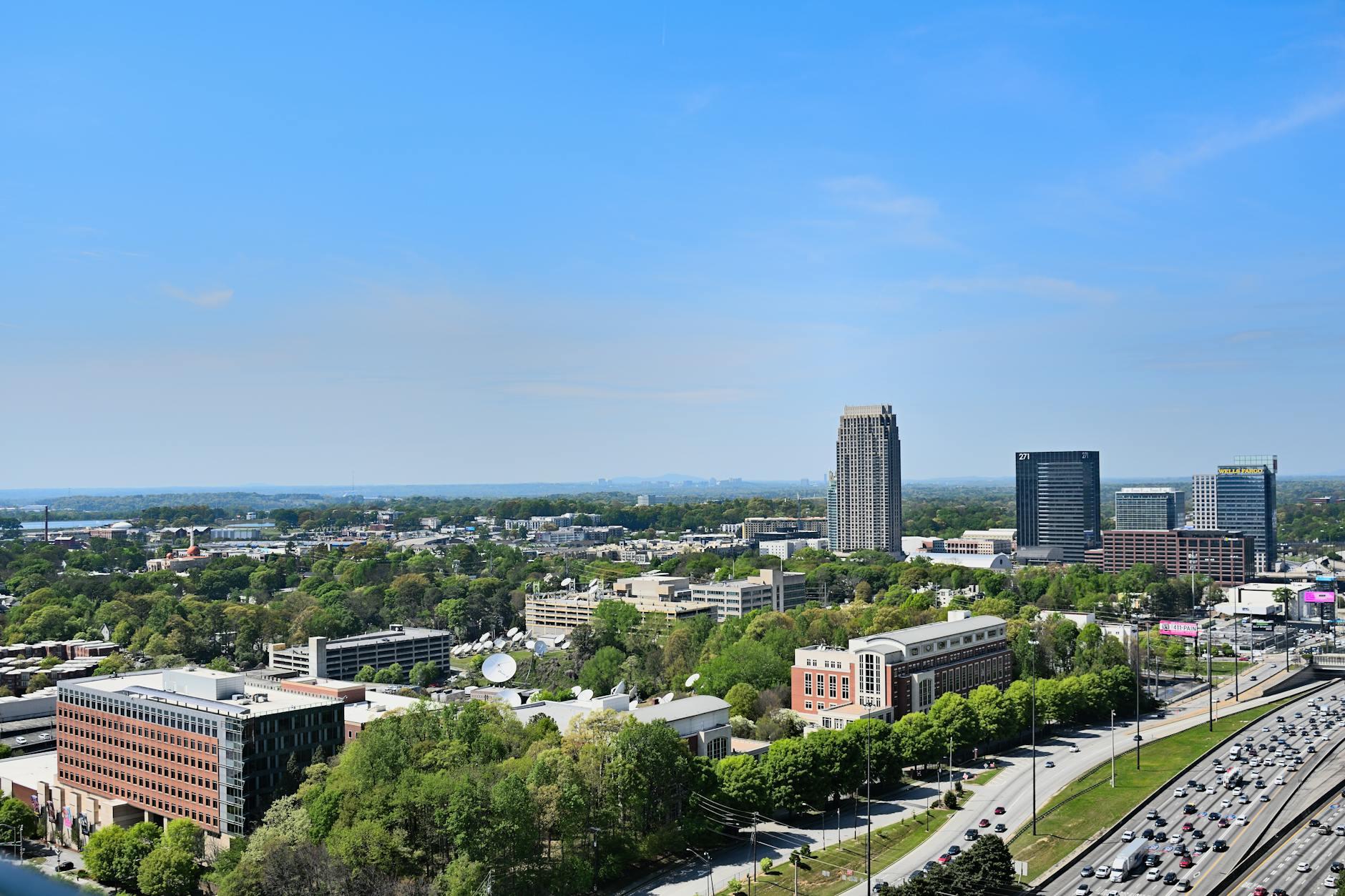
Greensboro, North Carolina's third-largest city, has emerged as an increasingly welcoming destination for LGBTQ+ travelers seeking authentic Southern culture paired with genuine acceptance. Nestled in the Piedmont region between Charlotte and Raleigh, this city of roughly 290,000 residents offers a distinctly different experience from high-profile gay destinations—one rooted in historic civil rights movements, university culture, and genuine community building.
Historical Context and Community Development
Greensboro's LGBTQ+ history is intertwined with its broader civil rights legacy. The city is famous for the 1960 Woolworth's lunch counter sit-ins, a pivotal moment in the fight against segregation. This deep history of social activism created fertile ground for LGBTQ+ organizing decades later. While North Carolina's statewide laws have sometimes lagged behind progressive values, Greensboro itself has consistently moved toward greater inclusion and protection for LGBTQ+ residents and visitors.
The community organized its first Pride celebration in the 1990s, which has since grown into the annual Greensboro Pride Festival, held each September. The 2026 edition marks its 20th anniversary and the return of the Pride Parade for the first time in nearly three decades. This event reflects the city's evolution from a traditional manufacturing hub to a more diverse, culturally engaged metropolitan area. University presence, particularly from the University of North Carolina at Greensboro (UNCG), Elon University, and Guilford College, has contributed to the city's progressive atmosphere.
Neighborhoods and Geographic Layout
Downtown Greensboro is the heart of the city's LGBTQ+ scene and the primary area for visitors. The downtown district has undergone significant revitalization in recent decades, with restored historic buildings housing restaurants, galleries, and entertainment venues. This is where most queer-friendly businesses cluster and where Pride events take place.
College Hill, named for its proximity to several educational institutions, is a residential neighborhood with a strong queer presence and excellent walkability. This area has seen increasing investment and hosts independent cafes, bookstores, and cultural venues. The neighborhood radiates a college-town vibe with good bones for exploring on foot.
Four Seasons and other downtown neighborhoods offer more upscale dining and retail, while the Irving Park area, historically significant, continues to evolve. Most LGBTQ+ travelers will spend the majority of their time downtown and College Hill, where infrastructure, dining, and entertainment options are concentrated.
Venues and Nightlife
Greensboro's gay bar and club scene is smaller than major metropolitan areas, but it does exist. Chemistry Nightclub (2901 Spring Garden St), near the UNCG campus west of downtown, is the city's primary gay dance club, with drag shows, DJ nights, and a patio. Twist Lounge (435 Dolley Madison Rd) is a second dedicated LGBTQ+ venue with drag and dancing. Allied neighborhood bars such as the O on West Market Street and Westerwood Tavern round out the queer-welcoming nightlife. Hours and programming vary, so checking ahead is advisable.
Beyond dedicated gay venues, Greensboro's bar and restaurant scene is increasingly queer-friendly. Many downtown establishments, from craft cocktail bars to casual breweries, actively welcome LGBTQ+ patrons and have LGBTQ+ staff and ownership. This integration means the scene feels less segregated than in some older gay neighborhoods, which some travelers appreciate and others may find less specifically queer in atmosphere.
The city has a notable live music scene with venues like The Greensboro Coliseum Complex and smaller clubs hosting touring acts and local performers. Several LGBTQ+ musicians and performers have made Greensboro home or regularly perform here.
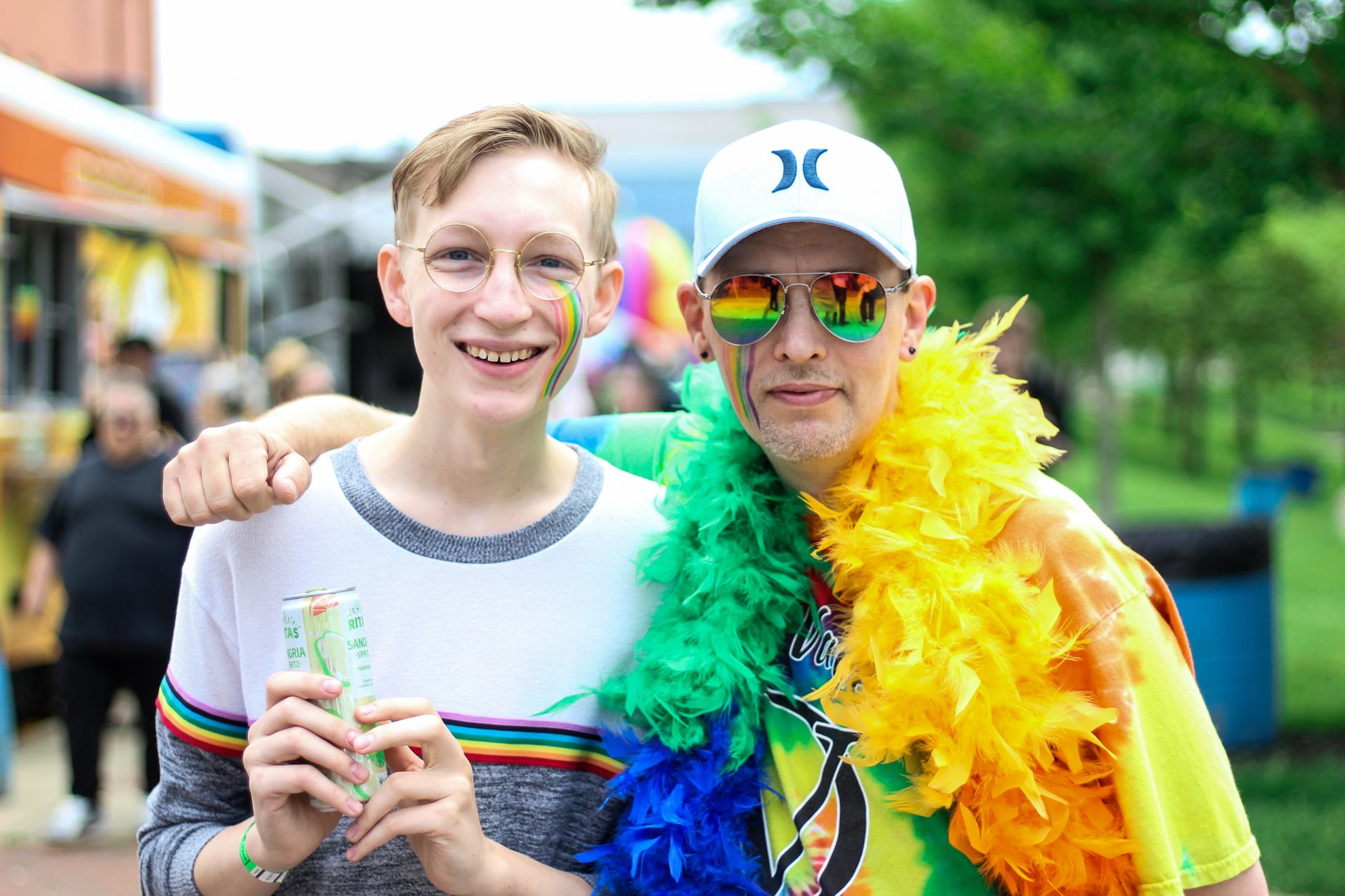
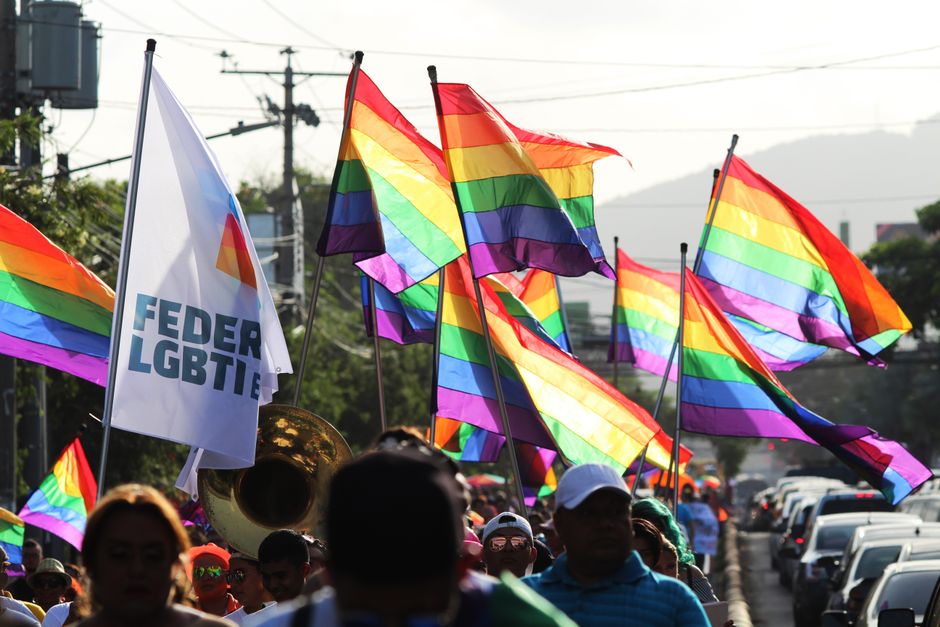
Greensboro Pride Festival, held each September in and around LeBauer Park on downtown Elm Street, is the city's signature LGBTQ+ event. Organized by the nonprofit IMPAQT GSO, it features live performances, local vendors, food trucks, and community organizations. The 2026 festival (Saturday, September 12) marks the 20th anniversary and brings back the Pride Parade for the first time in nearly thirty years, drawing several thousand participants.
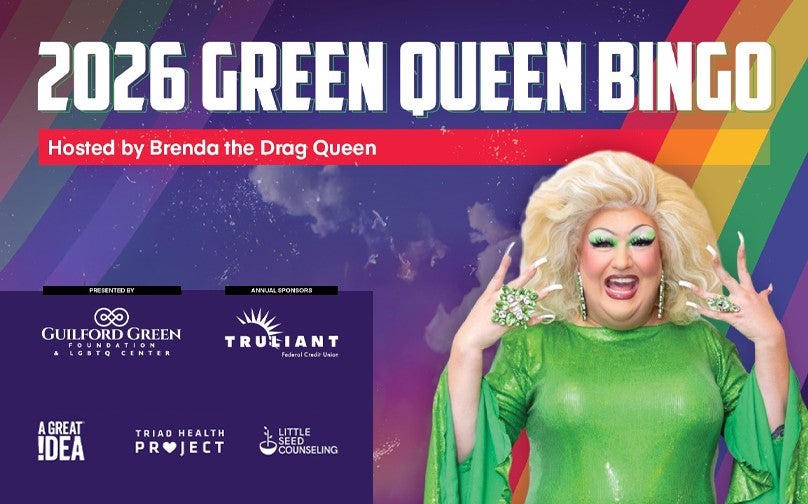
Beyond Pride, Greensboro hosts regular LGBTQ+-specific cultural events through organizations like the Guilford Green Foundation & LGBTQ Center (a downtown community resource on North Greene Street offering programming, support, and information). The city's independent theater scene often features LGBTQ+ performers and themes. Art galleries in downtown and College Hill frequently showcase LGBTQ+ artists.
The Weatherspoon Art Museum at UNCG offers free admission and features contemporary work, while the Greensboro Science Center appeals to families. These institutions actively participate in Pride programming and broader LGBTQ+ cultural events.
Where to Stay
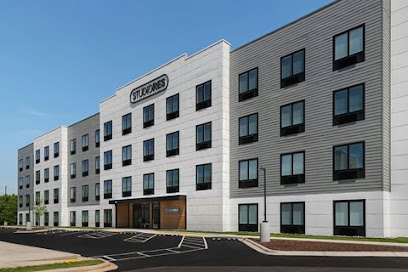
Downtown Greensboro offers several hotel options convenient for visitors. The Grandover Resort & Spa is a larger, upscale choice on the city's outskirts with golf and spa facilities. For downtown convenience, numerous chain and independent hotels provide access to restaurants, nightlife, and Pride events on foot or via short rideshares.
For travelers seeking more intimate experiences, LGBTQ+-friendly bed-and-breakfasts and Airbnb properties are available, particularly in College Hill and historic neighborhoods. Many local hosts are explicitly welcoming and knowledgeable about queer-friendly businesses and events.
Greensboro's food scene has expanded dramatically in recent years. Downtown restaurants range from casual to upscale, with cuisines spanning global options. Many establishments are LGBTQ+-owned or staffed and enthusiastically welcoming.
Notable dining areas include the downtown restaurant district along Elm Street and South Elm, featuring everything from farm-to-table concepts to ethnic cuisine. The College Hill area offers excellent cafes and casual restaurants with a younger, artsy clientele.
Greensboro's traditional Southern food is available throughout the city, while contemporary interpretations by progressive chefs reflect the city's evolution. The craft beverage scene includes local breweries and distilleries, many with queer ownership or strong community ties.
Transportation and Navigation
Greensboro is accessible via Piedmont Triad International Airport (PTI), which connects to major hubs. The city is approximately 90 minutes from Raleigh and 2 hours from Charlotte via I-40 and I-85, making it possible to combine with visits to larger metropolitan areas.
Within the city, a car is helpful but not essential for downtown and College Hill exploration. Uber and Lyft operate throughout Greensboro. The city has limited public transit, though a downtown trolley service and local bus system provide some car-free options. Walking and biking are viable in central neighborhoods.
Day Trips and Regional Exploration
From Greensboro, several worthwhile day trips enhance a visit. The nearby Guilford Courthouse National Military Park offers historic sites and beautiful grounds. The Greensboro Science Center and the aforementioned Weatherspoon Museum can occupy several hours.
The Blue Ridge Mountains are roughly 90 minutes away, offering hiking, scenic driving, and small town charm. Asheville, known for its progressive culture and vibrant LGBTQ+ scene, is approximately 2 hours west and makes an excellent extended trip from Greensboro.
To the east, Raleigh and Durham (Research Triangle) offer larger urban amenities, more extensive gay scenes, and cultural attractions. A strategic visit combining Greensboro with Triangle cities provides diverse experiences.
Safety and Community Resources
Greensboro is generally a safe city with normal urban precautions applicable. LGBTQ+ travelers should experience no particular challenges in downtown areas, College Hill, or at Pride events. The local police department has participated in Pride celebrations and maintained professional relationships with community organizations.
The Guilford Green Foundation & LGBTQ Center (guilfordgreenfoundation.org, 121 North Greene Street downtown) serves as the region's primary community resource, offering information, programming, support groups, a queer library, and connections to local services. Staff can provide current recommendations for venues, events, and neighborhood specifics. Community members are generally welcoming to visitors seeking authentic local knowledge.
Healthcare and practical services for LGBTQ+ travelers are available through several hospitals and clinics. Cone Health is the primary health system. Pharmacies throughout the city dispense medications without discrimination.
Best Times to Visit
September, during Greensboro Pride Festival, offers the most visible and celebratory atmosphere, though it brings crowds and requires advance booking for accommodations. Spring and early fall provide pleasant weather, smaller crowds, and access to all venues and attractions.
Winter is milder than in northern regions but less ideal for outdoor exploration. Summer heat and humidity are typical for the region but manageable for most travelers.
Who This City Is For
Greensboro appeals to LGBTQ+ travelers seeking authentic Southern culture, genuine community experiences, and a slower pace than major metropolitan hubs. It's ideal for those exploring the American South's evolution, families seeking progressive small-to-medium city life, academics and students drawn to university culture, and travelers interested in civil rights history and social justice movements.
It's less suitable for those seeking large gay nightlife districts, extensive circuit party scenes, or the anonymity of major gay destinations. Instead, Greensboro offers visibility within a mainstream cultural context—genuine integration rather than segregation—which reflects both progress and a different type of community dynamic.
Conclusion
Greensboro represents the New South: a city grappling thoughtfully with tradition and progress, where LGBTQ+ community is increasingly visible and welcomed without being isolated into separated neighborhoods or venues. For travelers seeking to understand contemporary American attitudes toward LGBTQ+ inclusion, to experience progressive values in a traditional region, or simply to visit a genuine, unpretentious city with good food, cultural offerings, and authentic Southern warmth, Greensboro offers compelling reasons to visit.
Frequently asked questions
Greensboro's LGBTQ+ scene is small but genuine, centered on a walkable downtown and the College Hill / Spring Garden corridor near UNC Greensboro. The main gay venue is Chemistry Nightclub, and the Guilford Green Foundation & LGBTQ Center on North Greene Street anchors community life. Many downtown bars, breweries, and restaurants are explicitly queer-welcoming, so the scene feels integrated rather than segregated.
Greensboro Pride is held each September. The 2026 edition — its 20th anniversary — takes place Saturday, September 12, 2026, in and around LeBauer Park on downtown Elm Street, organized by the nonprofit IMPAQT GSO. It features a festival plus the return of the Pride Parade for the first time in nearly three decades.
Downtown Greensboro is the primary hub for LGBTQ+ social life and culture, with most Pride events and queer-friendly nightlife. The College Hill and Spring Garden area near UNC Greensboro has a younger, student-oriented atmosphere, while Fisher Park and Westerwood are popular leafy residential neighborhoods with a visible LGBTQ+ presence.
Greensboro's dedicated LGBTQ+ nightlife centers on Chemistry Nightclub (2901 Spring Garden St), the city's main gay dance club with drag shows and DJ nights, and Twist Lounge (435 Dolley Madison Rd), an LGBTQ+ lounge with drag and dancing. Allied, queer-welcoming neighborhood bars such as the O (West Market St) and Westerwood Tavern round out the options. The scene is smaller than in Charlotte or the Research Triangle.
Greensboro is generally safe for LGBTQ+ travelers, with normal urban precautions. Downtown, College Hill, and Pride events are welcoming, and the city has a long civil-rights legacy and active LGBTQ+ community organizations. North Carolina statewide protections are uneven, but the city itself is progressive and inclusive.
Greensboro's LGBTQ+ history grew from underground social networks into a visible public community, shaped by the city's civil-rights legacy (the 1960 Woolworth's sit-ins) and its universities. The first Pride was organized in the mid-2000s and has grown into today's IMPAQT GSO–run September festival, celebrating its 20th anniversary in 2026.
Your privacy choices.
We use cookies to run GayOut and, with your consent, measure usage. Learn more
Your privacy choices
We use cookies to keep GayOut running, remember your preferences, and (with your permission) measure how the site is used. You can accept all, reject all, or pick what you allow. Learn more
Essential
Required for sign-in, fraud prevention, CSRF protection and remembering your language. Cannot be disabled.
Always on
Remembers your favourites, dark mode and other interface preferences across visits.
Helps us understand which pages people visit (Google Analytics, server-side stats) so we can improve.
Used by campaign tracking pixels. None are active right now, reserved for future use.
Install GayOut
Add GayOut to your home screen for faster access, offline favourites, and Pride alerts.







 Gay Bars & Clubs
Featured
(187)
Gay Bars & Clubs
Featured
(187)