Marriage equality since Obergefell v. Hodges (26 June 2015). The Respect for Marriage Act (December 2022) provides a congressional floor, requiring federal recognition of all valid same-sex and interracial marriages regardless of future Supreme Court rulings. Bostock v. Clayton County (2020) held that Title VII of the Civil Rights Act prohibits employment discrimination on the basis of sexual orientation and gender identity. No comprehensive federal anti-discrimination law in housing or public…
Kihei: A Gay Guide to Maui's Laid-Back South Shore
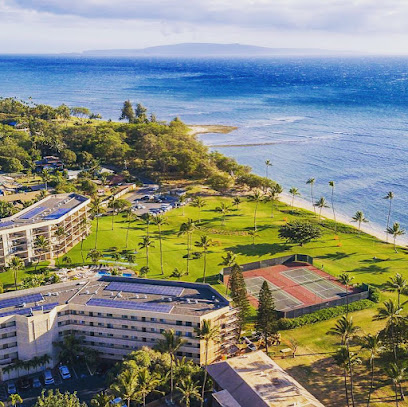
Kihei is a relaxed, six-mile-long beach town on Maui's sunny south shore, about 20 minutes from Kahului Airport and a world away from the high-rise gay scenes of the mainland or even Honolulu. There is no gayborhood here and no full-time gay club — Maui's LGBTQ+ life is dispersed across the island and built around beaches, resorts, an easygoing aloha culture and a close-knit community rather than a strip of bars. For gay travelers who want warm water, great snorkeling and genuine welcome over big nightlife, Kihei is one of the most comfortable bases in Hawaii.
A Note on Safety and the 2023 Fires
Hawaii has been LGBTQ+-friendly in law and in spirit for a long time: same-sex marriage has been legal statewide since December 2013, and the state has strong anti-discrimination protections covering employment, housing and public accommodations on the basis of sexual orientation and gender identity. Maui, and Kihei in particular, reflects the islands' live-and-let-live ethos. Note for trip planning: the devastating August 2023 wildfires struck Lahaina in West Maui. Kihei, Wailea and Makena on the south shore were not damaged and have operated normally throughout; visiting South Maui directly supports the island's recovery.
Where the Scene Is
Kihei is a linear town strung along South Kihei Road, which runs parallel to the ocean. The nearest thing to a social hub is Kihei Kalama Village, a cluster of bars and grills around 1913 South Kihei Road that locals nickname the "BARmuda Triangle." Wailea, an upscale resort enclave, sits about five miles south; Wailuku and Kahului, the island's civic center, are 15–20 minutes north. There is no dedicated gay quarter anywhere on Maui — the scene is a network of welcoming venues, beaches and annual events rather than a fixed neighborhood.
Nightlife
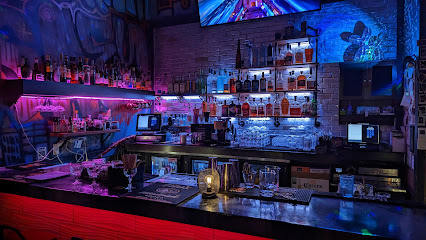
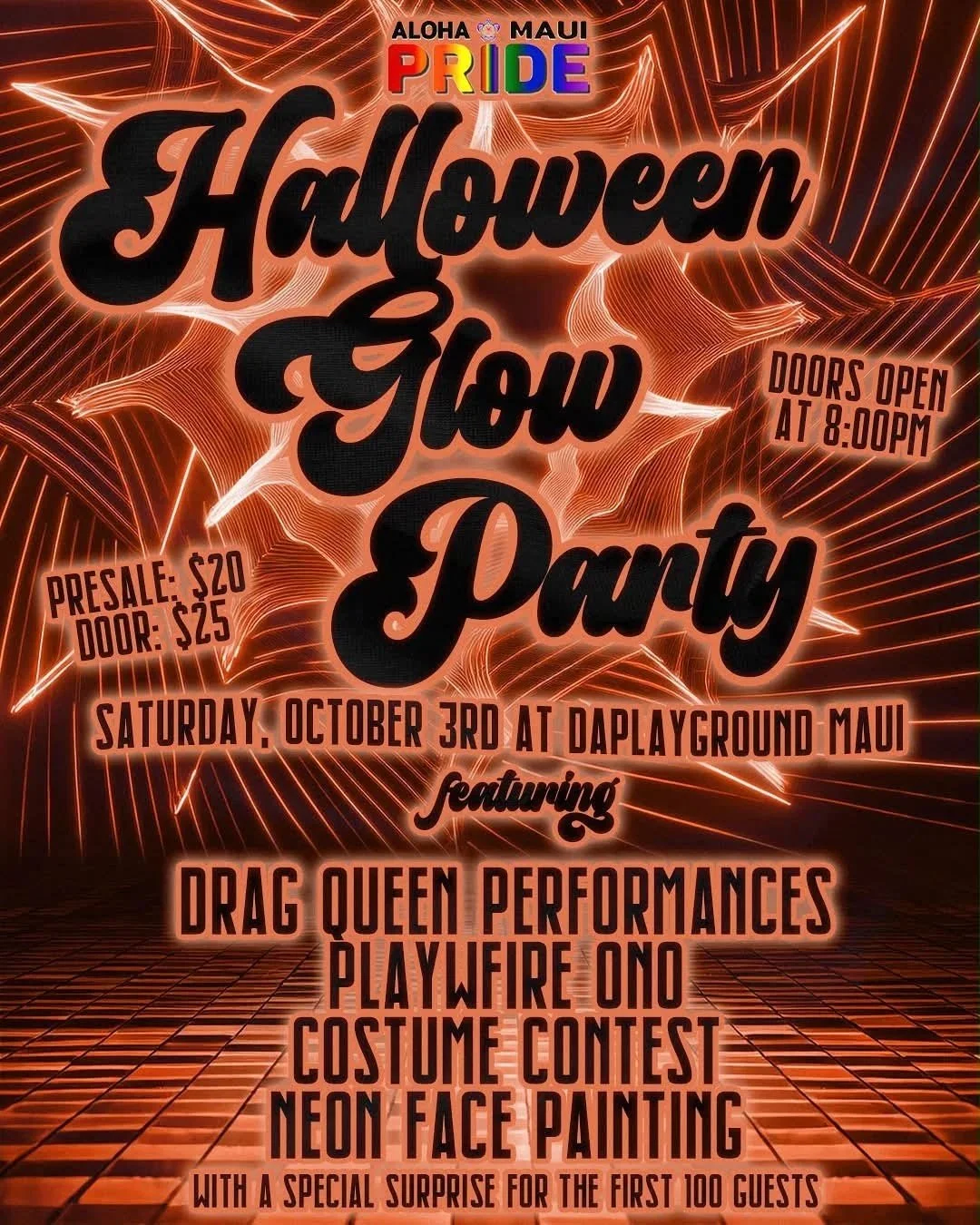
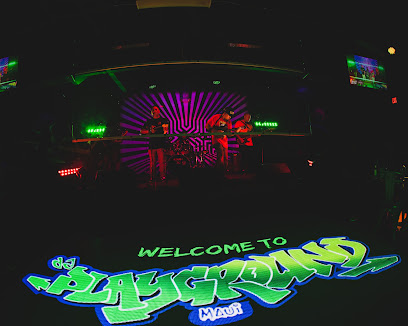
Kihei is not a nightlife destination, and that is part of its charm. There is no exclusively gay bar on the island, but there are real anchors. Vibe Bar Maui, a small craft-cocktail lounge in Kihei Kalama Village, is the closest thing to a gay bar in town and is consistently the first result travelers turn up when searching for a gay night out on Maui — casual, mixed and friendly. For actual queer nightlife, the island's main venue is da Playground Maui in Wailuku, a live-music and dance club about 20 minutes north that hosts a drag show on the last Sunday of each month and an LGBT dance party every second Thursday. Because schedules and covers change, it is worth checking each venue's social channels before heading out.
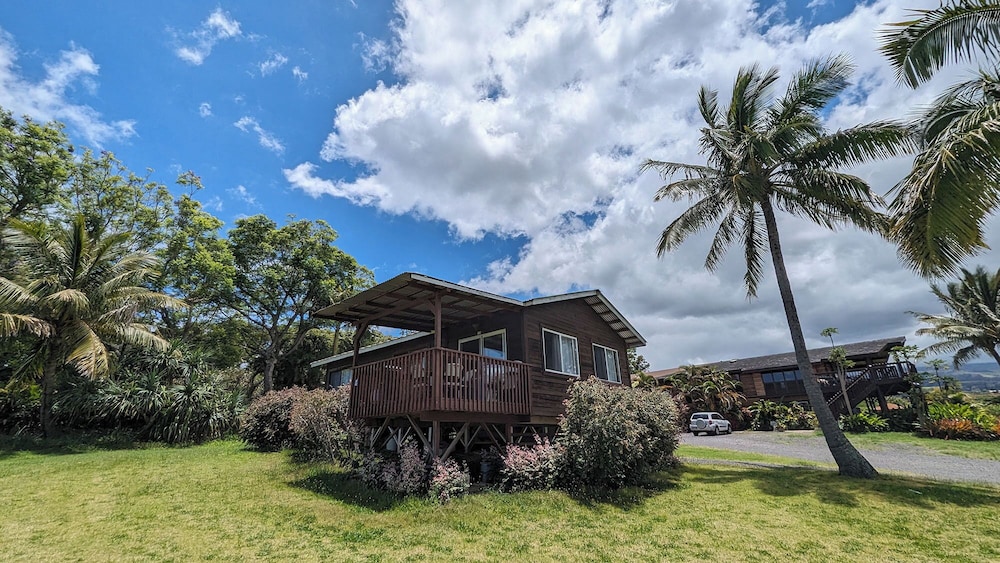
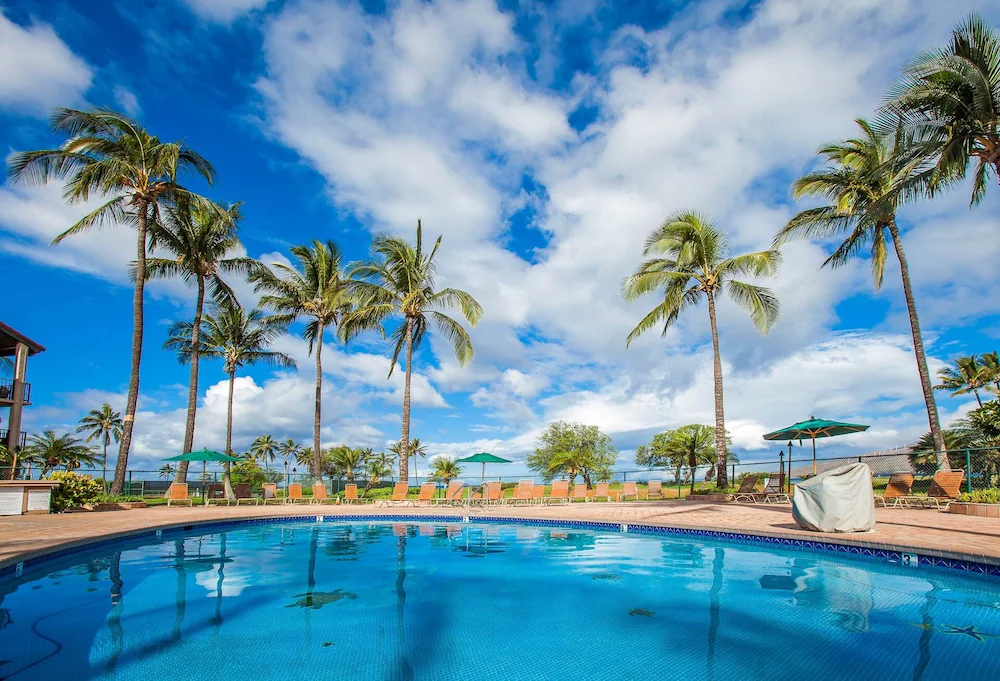
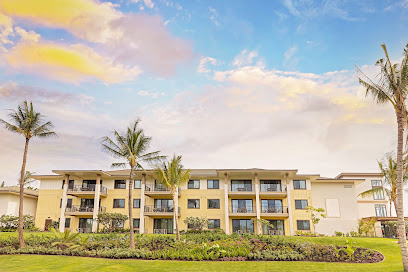
For years, the property at 551 South Kihei Road was the Maui Sunseeker — Hawaii's largest gay-owned and -operated resort, an adults-only, clothing-optional stay that even hosted dozens of same-sex civil unions in 2012. It was sold and rebranded as Kohea Kai Resort Maui in 2016, and the new owners retired the gay branding and the clothing-optional areas. Kohea Kai remains an intimate, LGBTQ+-welcoming beachfront boutique hotel, but travelers looking for the old gay-resort experience should know that era has ended; today the island's gay-owned lodging is limited and most visitors choose a welcoming condo or boutique inn.
Beaches
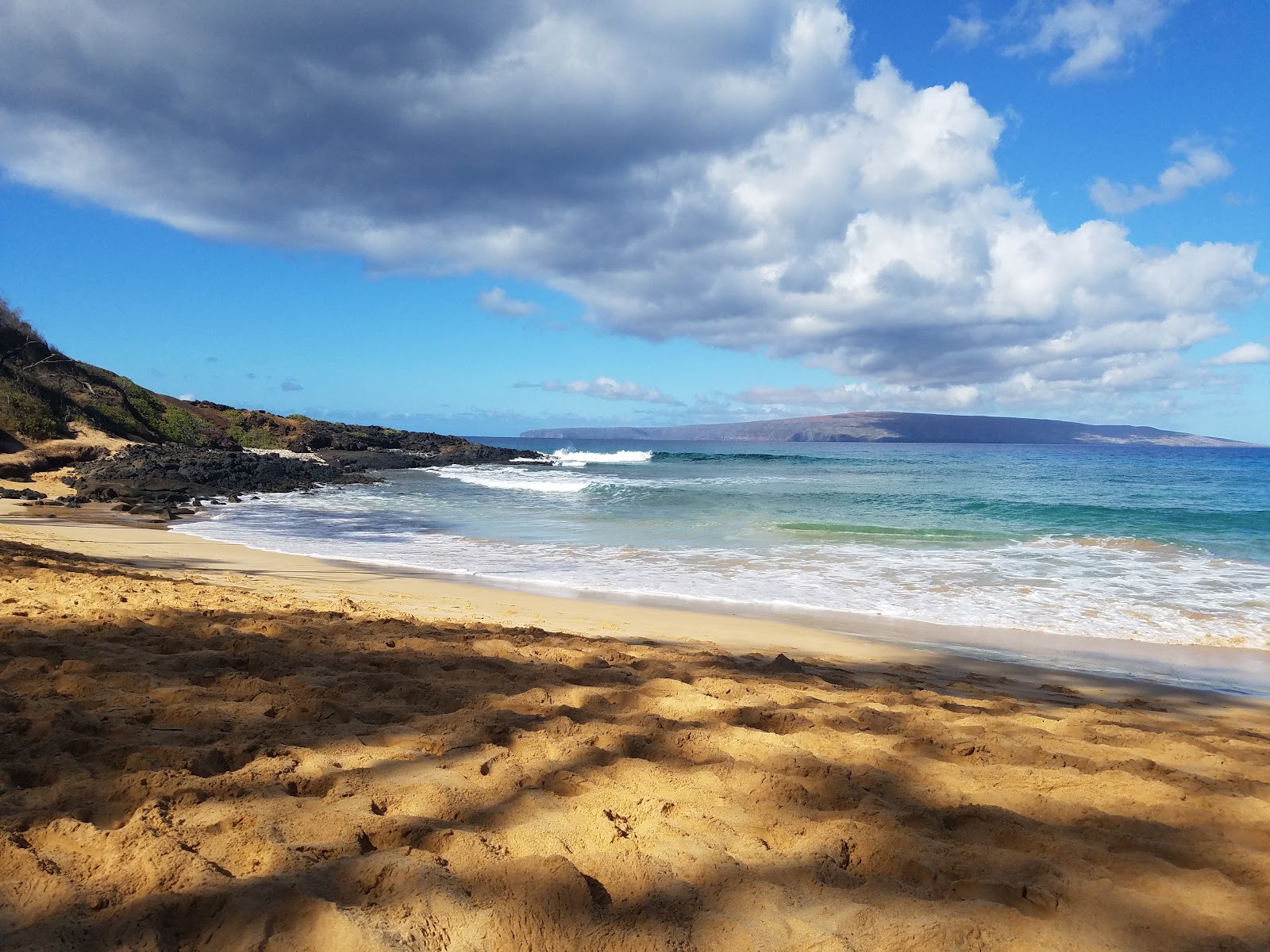
Beaches are Kihei's real draw, and Maui has a genuinely famous gay one: Little Beach at Makena, tucked on the far side of the Puʻu Olaʻi cinder cone inside Makena State Park, about 15 minutes south of Kihei. Reached by a short scramble over the rock from the north end of Big Beach, Little Beach is Maui's long-standing clothing-optional beach and the traditional gathering spot for the island's gay crowd, especially at the Sunday sunset gatherings. Nudity is technically illegal in Hawaii but has historically gone unenforced here; be aware that Makena State Park now charges a parking and entry fee for non-residents and enforces afternoon closures, so check current park rules before you go. Elsewhere, Wailea's Ulua and Mokapu beaches offer superb snorkeling, and the calm south-shore water is ideal for swimming, stand-up paddleboarding and kayaking. Whale watching off Kihei is exceptional from December through April, and boat tours to Molokini Crater are among the best snorkel trips in Hawaii.
South Kihei Road is lined with casual, welcoming restaurants, from poke counters and plate-lunch spots to sit-down grills like Three's Bar & Grill and the neighboring venues of the BARmuda Triangle. Wailea's resorts, five minutes south, add more upscale options. As across Maui, LGBTQ+ visitors are welcomed as a matter of course.
Pride and Community
Maui's LGBTQ+ community rallies each June for Maui Pride, produced by the volunteer group Aloha Maui Pride together with the Maui AIDS Foundation. The centerpiece is the free Maui Pride Festival on Market Street in historic Wailuku (held in mid-June), alongside a month of mixers, film nights and family events across the island. The Maui AIDS Foundation, based at 1935 Main Street in Wailuku, is the island's longest-running HIV/AIDS and LGBTQ+ support organization and a reliable point of contact; PFLAG Maui also serves families across the county. For a bigger bar-and-club scene, Honolulu on Oʻahu is a short inter-island flight away, but most LGBTQ+ visitors to Maui come precisely for what Kihei does best: sun, sea and an unhurried, genuinely welcoming island pace.
Frequently asked questions
Yes. Kihei and South Maui are welcoming for LGBTQ+ travelers. Hawaii has had marriage equality since 2013 and strong anti-discrimination protections, and the islands' aloha culture means visitors generally report warm, easygoing treatment. South Maui was unaffected by the 2023 Lahaina fires.
No. There is no distinct gay neighborhood in Kihei or anywhere on Maui; the LGBTQ+ community is dispersed island-wide. The nearest social cluster is Kihei Kalama Village around 1913 South Kihei Road, nicknamed the "BARmuda Triangle."
Low-key. There is no full-time gay bar, but Vibe Bar Maui in Kihei Kalama Village is the closest thing in town, and da Playground Maui in Wailuku hosts the island's queer nightlife with a drag show on the last Sunday monthly and an LGBT dance party every second Thursday.
Not an exclusively gay one. Vibe Bar Maui in Kihei is the most gay-associated bar in town, and da Playground Maui (Wailuku) runs regular queer nights. The historic Maui Sunseeker gay resort was rebranded Kohea Kai in 2016 and is no longer gay-branded.
South Kihei Road is lined with casual, welcoming restaurants — poke counters, plate-lunch spots and grills such as Three's Bar & Grill in the Kihei Kalama Village cluster. Wailea's resorts, five minutes south, add upscale options. LGBTQ+ guests are welcomed as standard across the island.
Yes. Maui Pride is held each June, produced by Aloha Maui Pride with the Maui AIDS Foundation. The centerpiece is the free Maui Pride Festival on Market Street in historic Wailuku, alongside a month of community events across the island.
Your privacy choices.
We use cookies to run GayOut and, with your consent, measure usage. Learn more
Your privacy choices
We use cookies to keep GayOut running, remember your preferences, and (with your permission) measure how the site is used. You can accept all, reject all, or pick what you allow. Learn more
Essential
Required for sign-in, fraud prevention, CSRF protection and remembering your language. Cannot be disabled.
Always on
Remembers your favourites, dark mode and other interface preferences across visits.
Helps us understand which pages people visit (Google Analytics, server-side stats) so we can improve.
Used by campaign tracking pixels. None are active right now, reserved for future use.
Install GayOut
Add GayOut to your home screen for faster access, offline favourites, and Pride alerts.



 Gay-Friendly Bars & Clubs
Featured
(102)
Gay-Friendly Bars & Clubs
Featured
(102)