Marriage equality since Obergefell v. Hodges (26 June 2015). The Respect for Marriage Act (December 2022) provides a congressional floor, requiring federal recognition of all valid same-sex and interracial marriages regardless of future Supreme Court rulings. Bostock v. Clayton County (2020) held that Title VII of the Civil Rights Act prohibits employment discrimination on the basis of sexual orientation and gender identity. No comprehensive federal anti-discrimination law in housing or public…
Long Beach's landmark leather and cruise bar on Broadway — a neighbourhood institution with decades of history, a loyal leather community, and the authentic atmosphere of the best American gay…
One of the most popular gay bars in its neighbourhood, they also offer very affordable prices for their drinks. It is the perfect place to chill, shoot some pool and play darts.
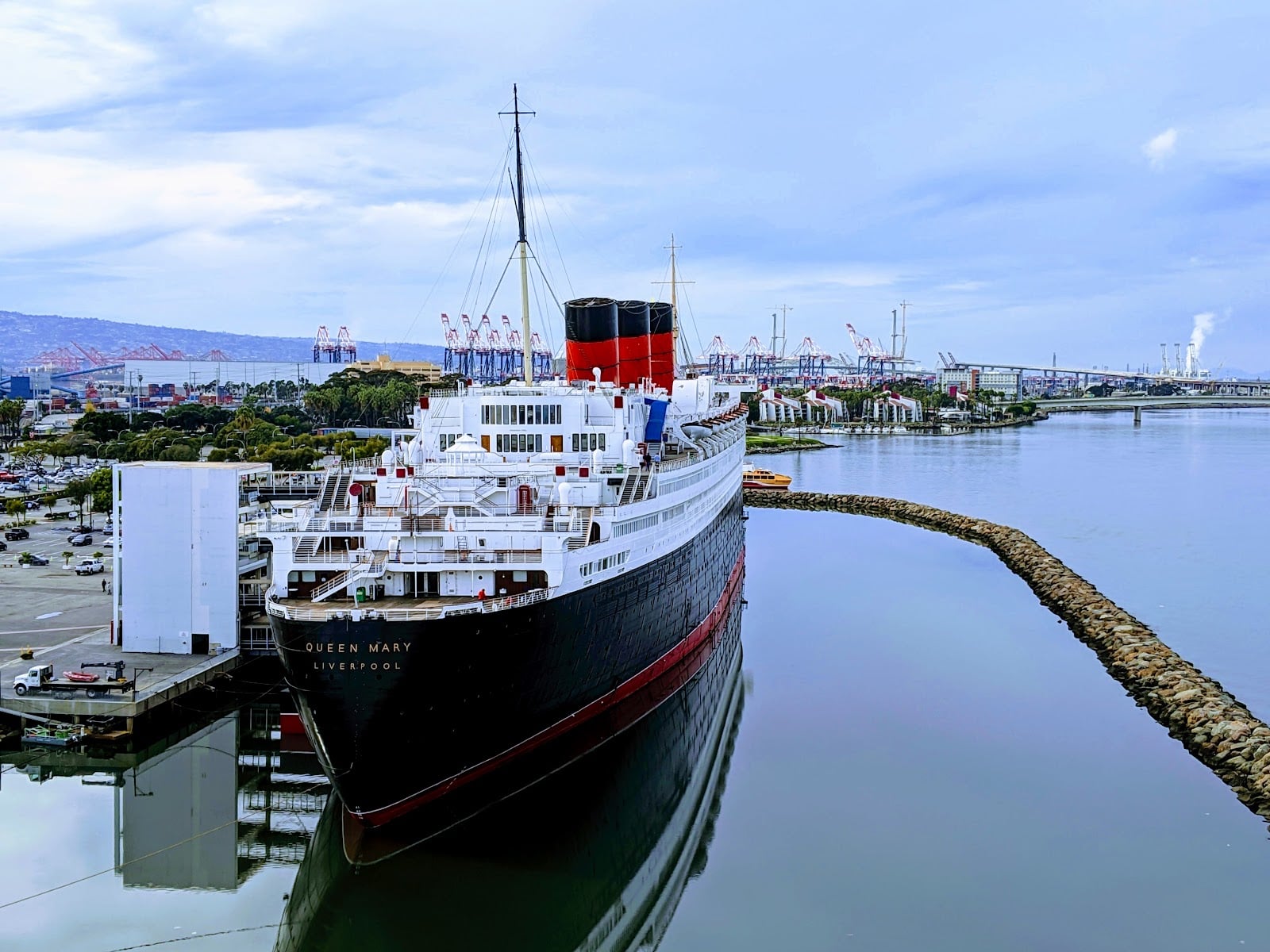
The Queen Mary is a floating hotel, aboard on an famous 1936 ocean liner moored at Long Beach. They have many different bars and restaurants that you can enjoy while on board.
Named as the Southern California's leading Latino advocacy group, they offer many programs that can help you. One of their priorities is the awareness of LGBT youth, gay/bisexual men and HIV positive.
The main goal of this organization is to increase awareness and to promote PRIDE and a greater sense of self-worth within the community and they also produce the first annual Long Beach Lesbian & Gay…
This organizations serves more than 21,000 people annually, they will offer legal assistance, youth services, social activities and HIV prevention programs.
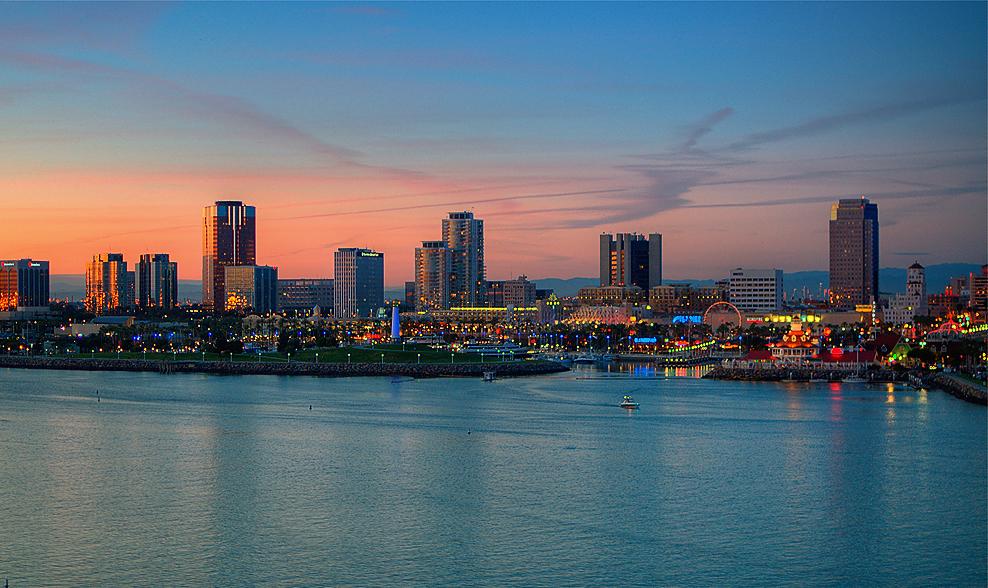
Long Beach has established itself as a notable LGBTQ+ destination on the Southern California coast. The city combines a beach town feel with urban services and a welcoming atmosphere for the queer community. Its manageable size allows for easy navigation between distinct neighborhoods.
The LGBTQ+ community in Long Beach has grown significantly since the 1980s and 1990s, when it began to be recognized as a more inclusive option compared to some neighboring areas. The community navigated challenges, including the AIDS crisis, which ultimately fostered stronger advocacy and visibility. Today, Long Beach has openly LGBTQ+ elected officials, a substantial Pride celebration, and businesses that are known to be welcoming.
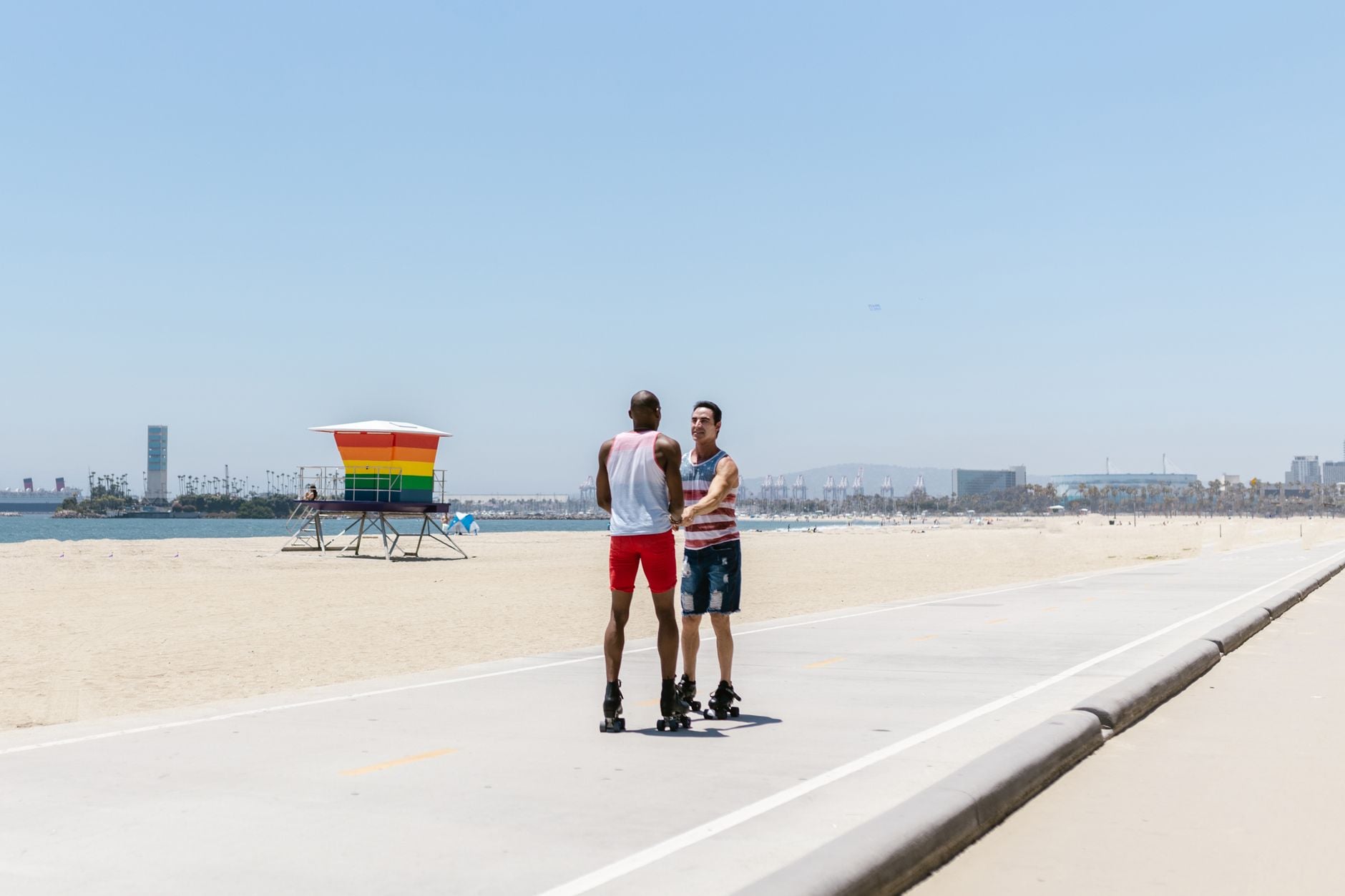
Alamitos Beach is central to Long Beach's gay scene, and the adjacent Broadway Corridor is the heart of the nightlife. East Broadway between roughly Alamitos and Cherry avenues holds the city's cluster of gay bars, and in 2024 the city formally designated an LGBTQ+ Cultural District along Broadway (from Alamitos to Junipero). This walkable neighborhood attracts LGBTQ+ residents and visitors with its beach access, casual dining and relaxed environment. The area's beachfront paths are popular for walking and observing the surroundings, and it serves as a gathering spot during warmer months.
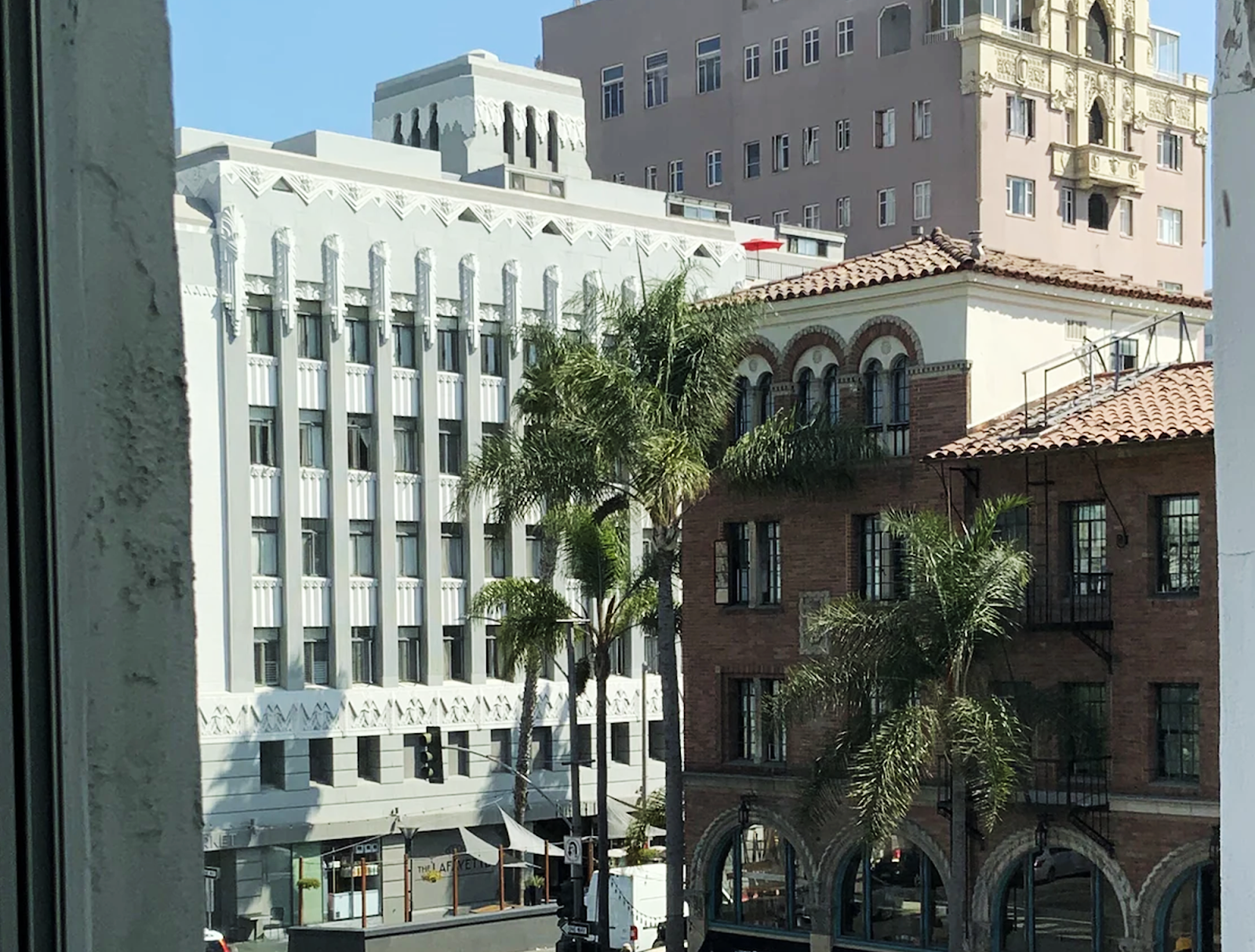
Downtown Long Beach has undergone revitalization and now features restaurants, bars, galleries, and cultural spaces with an inclusive ethos. Pine Avenue is a main street with numerous dining and entertainment choices. Nearby, the Retro Row district offers vintage shops, independent eateries, and bookstores that appeal to those interested in alternative culture and shopping. The Arts District and surrounding areas host galleries, theaters, and creative venues that often feature LGBTQ+-focused events and performances.
Long Beach's nightlife options cater to a range of tastes. The specific venues available can change, so checking current listings before visiting is advisable. The city's proximity to Los Angeles also makes it common for visitors to explore nightlife in both areas. Most of the dedicated gay bars sit along the Broadway Corridor a couple of blocks inland — spots like The Falcon, The Mineshaft, Broadway Bar, Sweetwater Saloon and Hamburger Mary's — while nearby Alamitos Beach adds casual beachfront cafes and restaurants with an inclusive clientele.
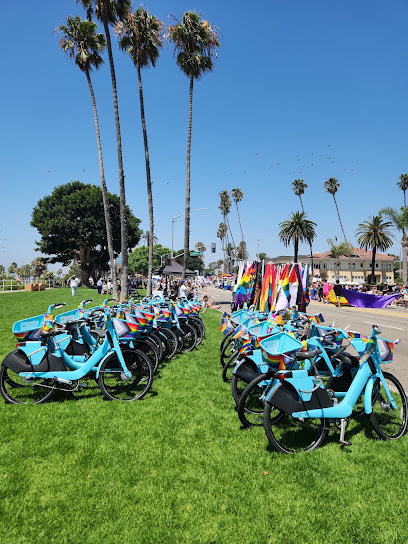
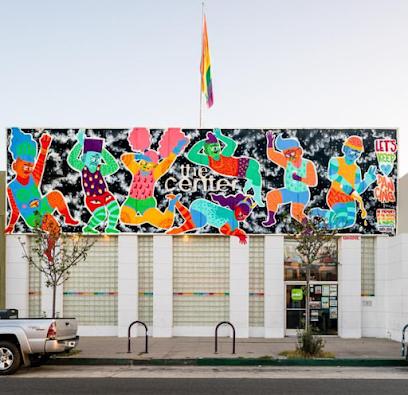
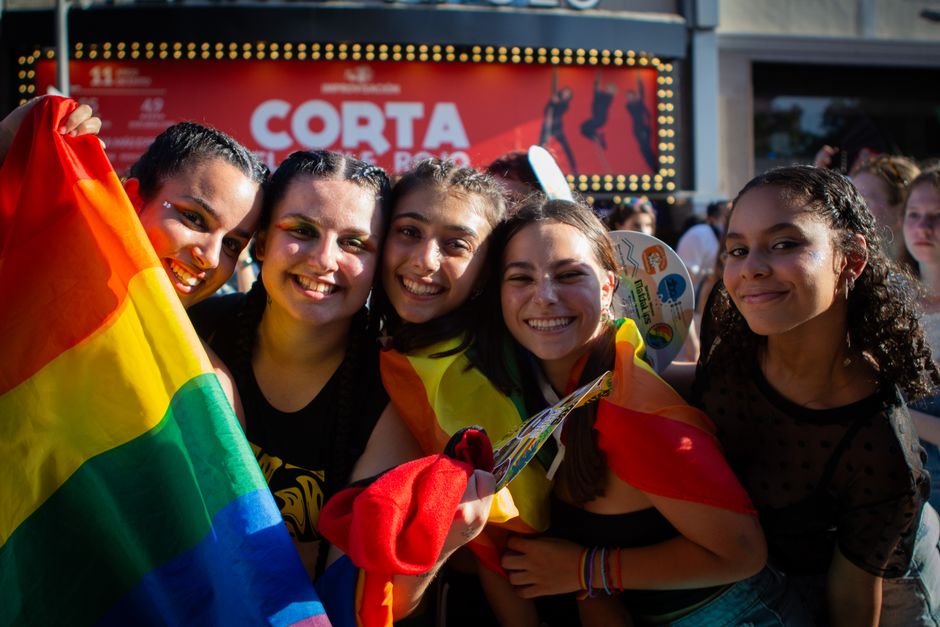
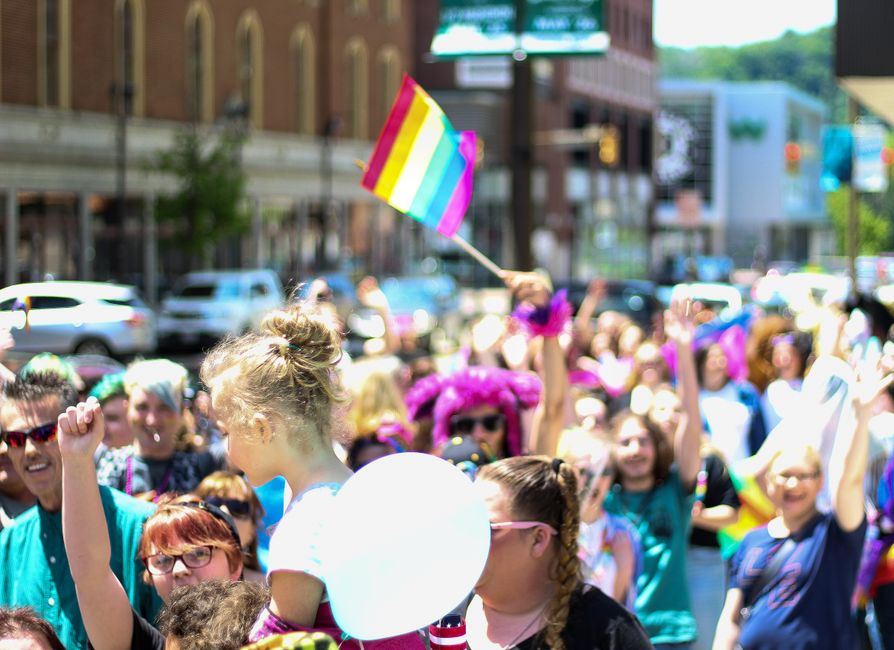
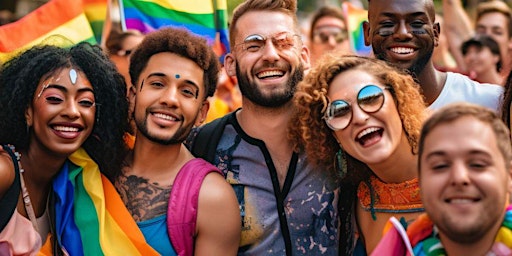
Long Beach Pride, typically held in May, is one of California's largest Pride celebrations. The parade runs along Ocean Boulevard through downtown, while the two-day festival takes place at Marina Green and the Shoreline waterfront, with multiple stages, community booths, food vendors and headline performances. Beyond Pride, Long Beach hosts various summer events and parties. The LGBTQ Center Long Beach and other community groups organize year-round events such as film screenings, meetings, wellness activities, and social gatherings.
Where to Stay
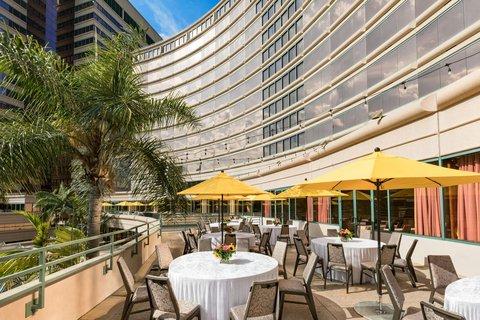
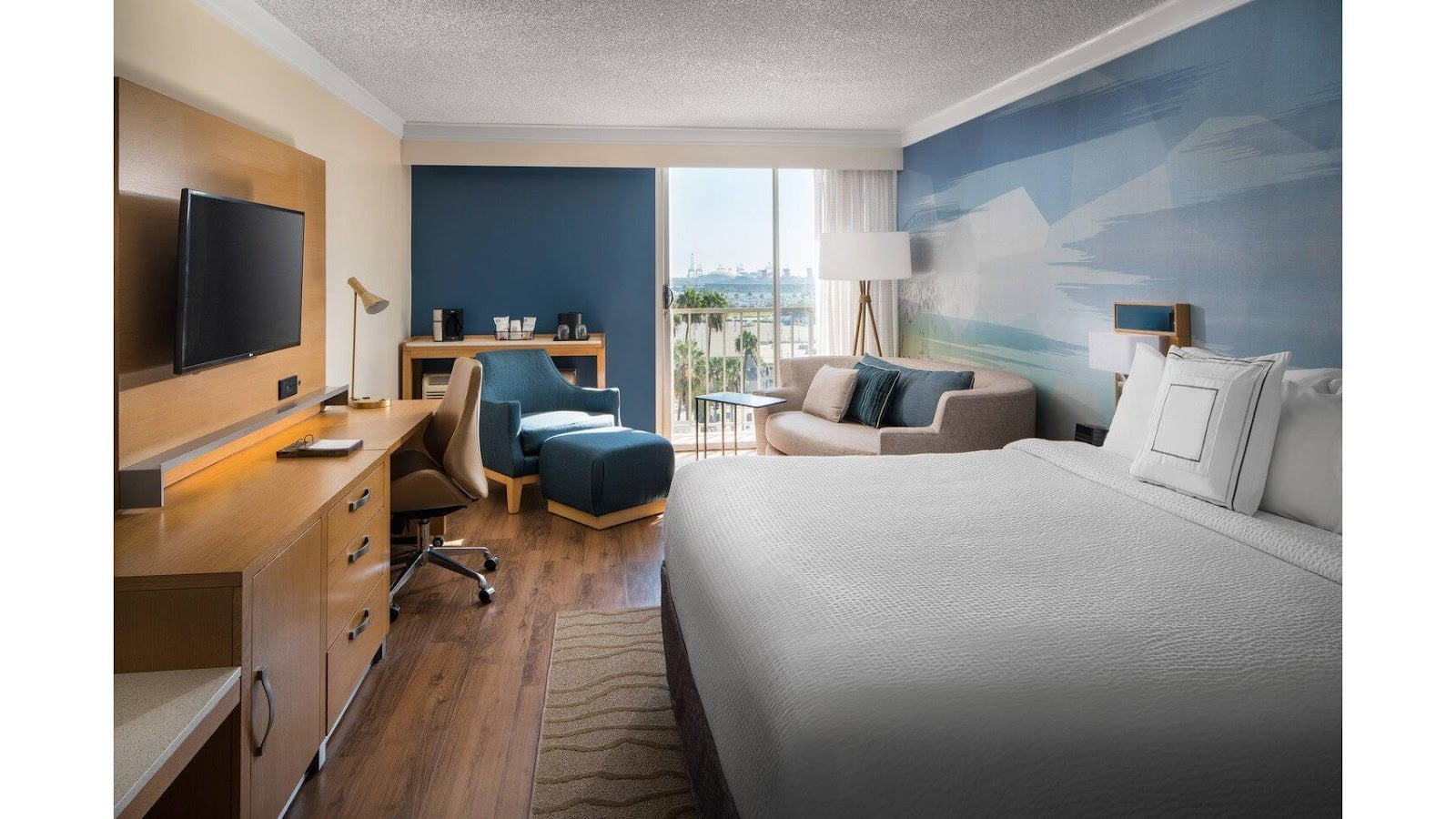
Accommodation options include beachfront hotels near Alamitos Beach and downtown hotels within walking distance of dining and entertainment. Beachfront stays offer direct beach access and ocean views, while downtown locations provide proximity to restaurants and cultural attractions. Some hotels are noted for being welcoming to LGBTQ+ guests. Chain hotels are widely available, and vacation rentals can be an option for groups or longer stays.
While Long Beach is car-friendly, with most visitors driving or renting vehicles, street parking can be limited in popular areas. Parking structures and lots are available. Public transit includes Long Beach Transit buses and the Metro Blue Line to Los Angeles, though service frequency can be lower than in some other cities. The beach areas and downtown are walkable, but distances can be considerable. Ride-sharing services operate throughout the city.
Long Beach's dining scene reflects Southern California's multicultural influences. Alamitos Beach and downtown areas offer a range of restaurants from casual cafes to fine dining. Fresh seafood is a local specialty. The city is also known for its Mexican food, Vietnamese cuisine, and contemporary American restaurants. Many establishments are LGBTQ+-owned or actively welcoming.
The main beach in Long Beach is a significant attraction, though water quality can vary, and swimming is not always recommended. Rosie's Dog Beach is a popular spot for dogs and their owners. The beach promenade is ideal for walking, biking, and people-watching. The Long Beach Waterfront provides recreational opportunities and parks. The Queen Mary, docked in the harbor, offers tours and entertainment.
Long Beach's location allows for easy access to broader Southern California attractions. Los Angeles is about 25-40 minutes north, making day trips feasible. Orange County beaches and attractions are accessible to the south. The greater Los Angeles area offers numerous museums, entertainment venues, and other points of interest.
Long Beach is generally considered a safe city for LGBTQ+ travelers, especially in areas with a strong community presence. Standard urban safety precautions are advised. Downtown and beach areas are typically safe, but visitors should remain aware of their surroundings. The visible and established LGBTQ+ community contributes to a welcoming environment in most mainstream venues.
The ideal times to visit include May for Pride and the summer months for beach weather, though Long Beach is accessible year-round. The weather is generally mild, with warmer temperatures from June through September. Summer is busier and more expensive, while shoulder seasons offer fewer crowds. Booking accommodations in advance is recommended, particularly around Pride. A typical visit might last two to four days, allowing time for beach activities, dining, entertainment, and potential day trips to Los Angeles or nearby attractions.
The Broadway Corridor is the heart of Long Beach's LGBTQ+ scene — East Broadway between roughly Alamitos and Cherry avenues, running through the Alamitos Beach neighborhood just inland from the shore. In 2024 the city formally designated an LGBTQ+ Cultural District here. Downtown and the East Village Arts District also have a visible queer presence. (Belmont Shore's Second Street is a pleasant, gay-friendly shopping and dining strip, but it is not the gay bar district.)
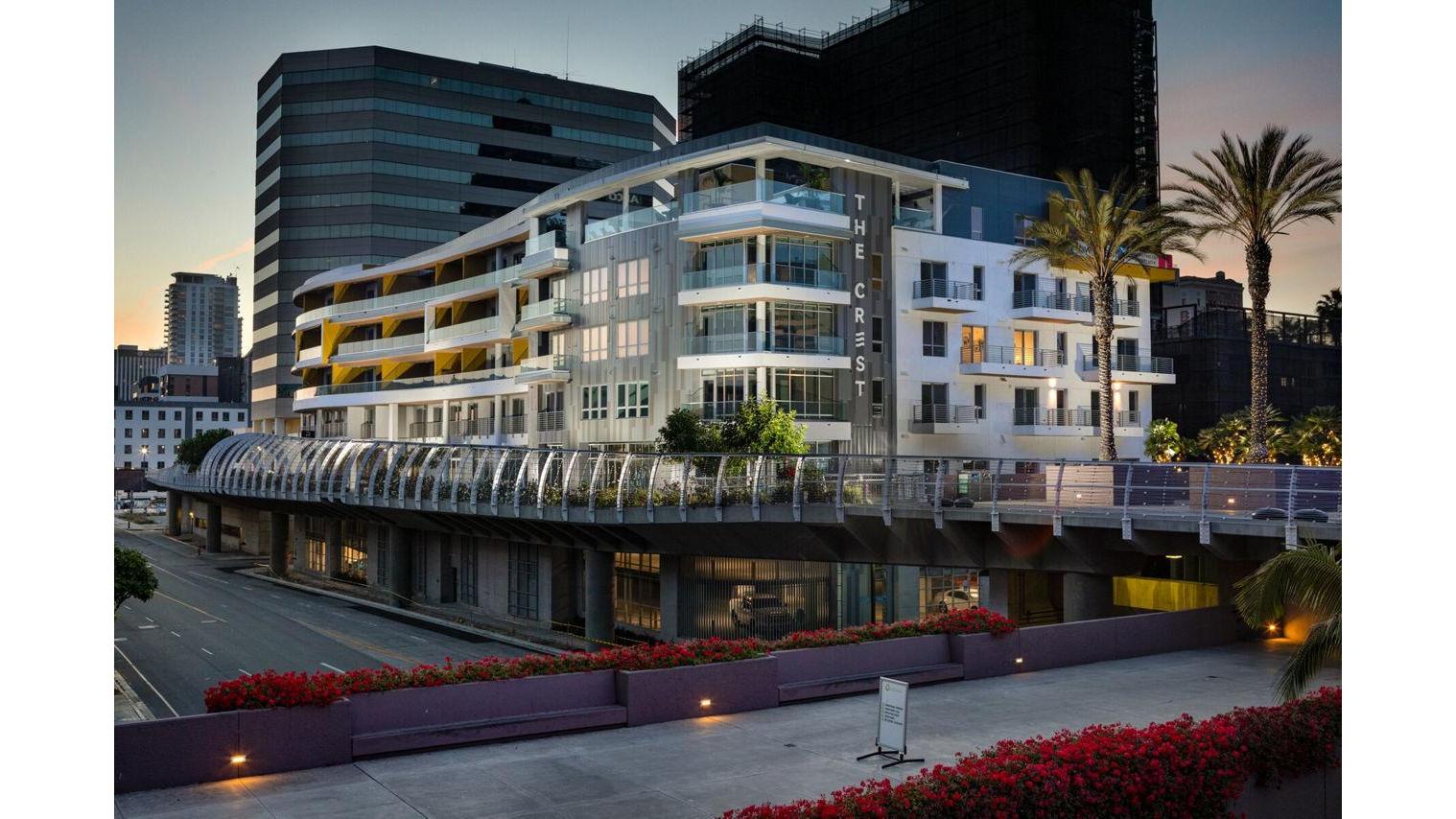
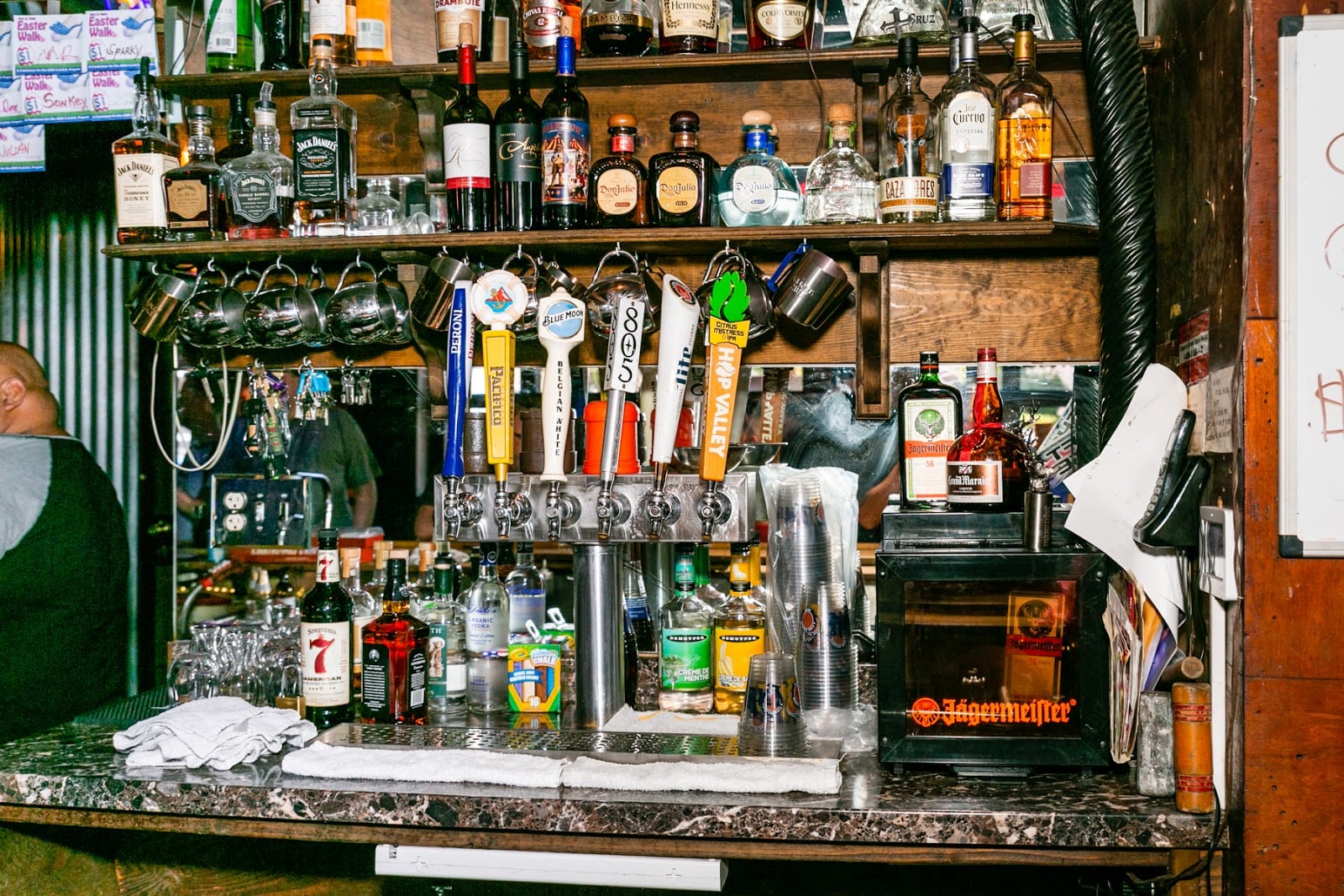
Almost all of Long Beach's gay bars are on the Broadway Corridor: The Falcon, The Mineshaft, The Men's Room, Broadway Bar and Sweetwater Saloon along East Broadway, with Hamburger Mary's (drag shows) downtown on Pine Avenue and The Silver Fox nearby on Redondo. Que Sera (E 7th St) adds live music, and WERK on E Pacific Coast Hwy is the main late-night dance club. North Long Beach has The Crest and Falcon North.
Long Beach Pride is held in May and is one of California's largest Pride celebrations. After a stint in August, it returned to its traditional May weekend in 2024. The parade runs along Ocean Boulevard downtown and the festival takes place at Marina Green on the waterfront.
Long Beach has a welcoming community atmosphere and a history of progressive local government that supported the growth of visible gay businesses and cultural institutions. The scene reflects decades of community building and activism.
Long Beach's gay scene is described as more intimate than larger metro areas, but it provides genuine community connection alongside quality nightlife and cultural offerings.
The guide mentions that properties in Belmont Shore tend toward pricier rentals and purchases, reflecting the neighborhood's desirability, but does not specifically list LGBTQ+ friendly hotels.
Your privacy choices.
We use cookies to run GayOut and, with your consent, measure usage. Learn more
Your privacy choices
We use cookies to keep GayOut running, remember your preferences, and (with your permission) measure how the site is used. You can accept all, reject all, or pick what you allow. Learn more
Essential
Required for sign-in, fraud prevention, CSRF protection and remembering your language. Cannot be disabled.
Always on
Remembers your favourites, dark mode and other interface preferences across visits.
Helps us understand which pages people visit (Google Analytics, server-side stats) so we can improve.
Used by campaign tracking pixels. None are active right now, reserved for future use.
Install GayOut
Add GayOut to your home screen for faster access, offline favourites, and Pride alerts.















 Gay Bars & Clubs
Featured
(94)
Gay Bars & Clubs
Featured
(94)