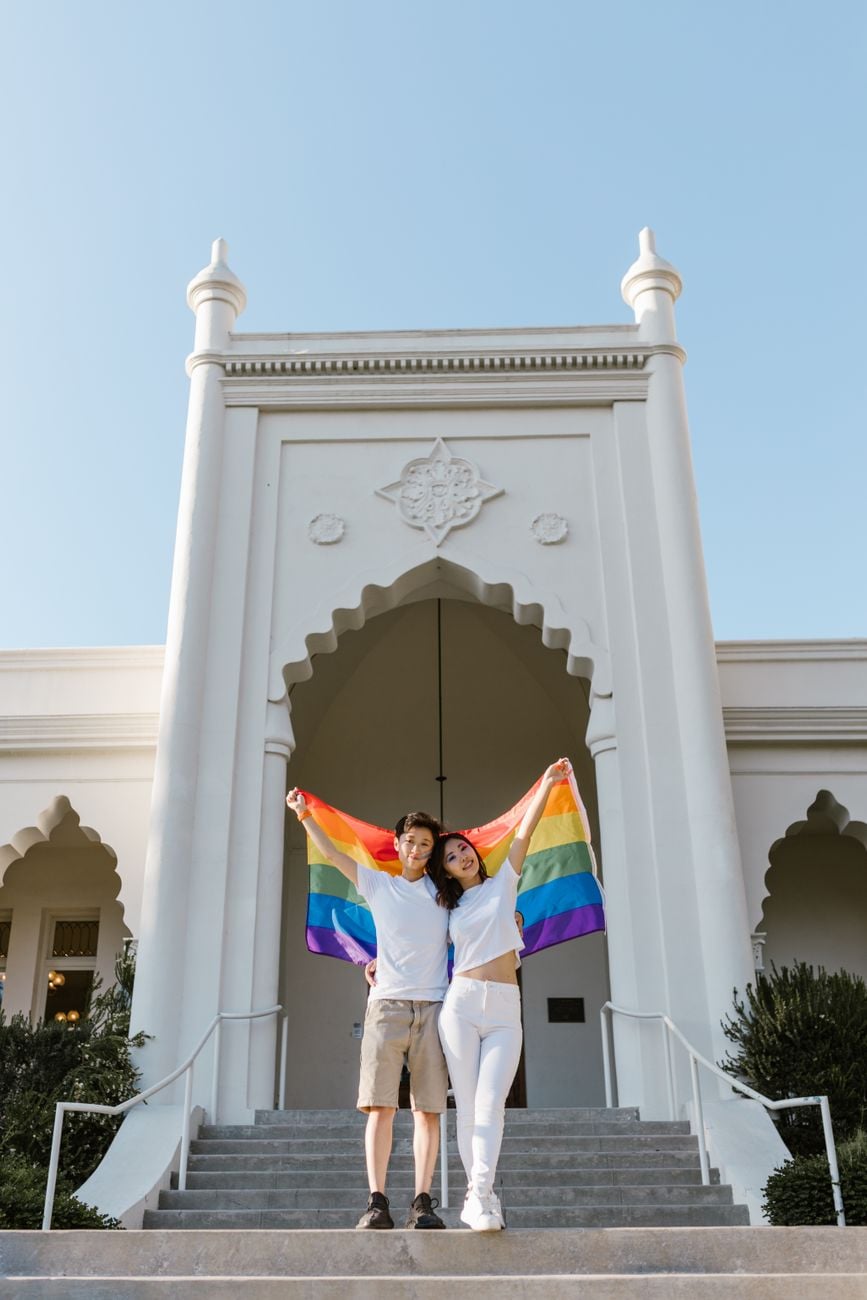
Marriage equality since Obergefell v. Hodges (26 June 2015). The Respect for Marriage Act (December 2022) provides a congressional floor, requiring federal recognition of all valid same-sex and interracial marriages regardless of future Supreme Court rulings. Bostock v. Clayton County (2020) held that Title VII of the Civil Rights Act prohibits employment discrimination on the basis of sexual orientation and gender identity. No comprehensive federal anti-discrimination law in housing or public…
Never miss a gay event in Monterey
One email a week — the weekend lineup, parties and deals. No spam, unsubscribe anytime.
Weekly event updates. Notifications appear on your lock screen.
On iPhone: first add GayOut to your Home Screen (Share → Add to Home Screen), then open it from there to enable notifications.
Monterey has a long history as a fishing and agricultural community on California's Central Coast, and like much of California, it has become increasingly progressive and LGBTQ+-friendly over recent decades. The city's tourism industry and relatively educated population have contributed to a welcoming atmosphere. While Monterey doesn't have the concentrated gay nightlife of major metropolitan areas, the community is visible, organized, and actively engaged in civic life. LGBTQ+ individuals and families are well-integrated throughout the area, and local businesses openly welcome queer travelers.
Neighborhoods and Layout
Monterey is a compact city, making it easy to navigate. Downtown Monterey centers around Alvarado Street, which runs from the waterfront and contains most restaurants, shops, and entertainment venues. The Cannery Row area, famous for John Steinbeck's novel, is now a tourist destination with shops, restaurants, and galleries. Nearby Pacific Grove, a charming coastal town about five miles away, has a quieter, more residential character with beautiful coastal walks and a strong LGBTQ+ community presence. Carmel-by-the-Sea, about ten miles south, is an upscale artistic community with galleries, fine dining, and beautiful beaches; it has a well-established LGBTQ+ presence and is popular with queer travelers seeking luxury accommodations and dining. Del Monte Forest and the 17-Mile Drive offer scenic natural areas within the region.
Venues and Nightlife
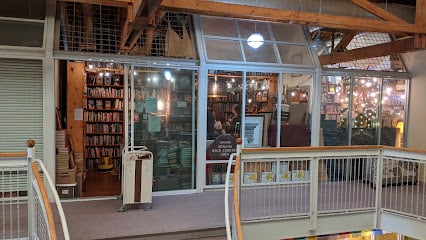
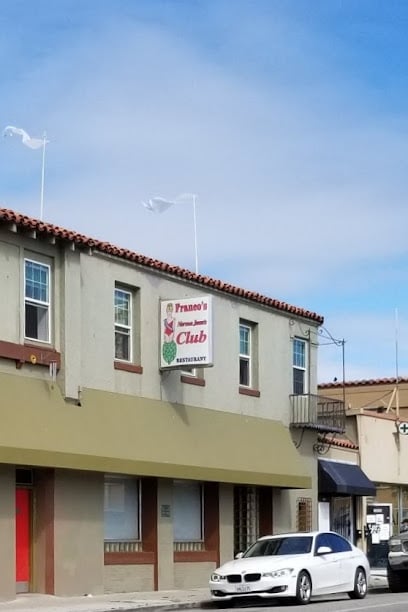
Monterey's nightlife is more subdued than in larger California cities, and there is no dedicated gay bar on the Peninsula itself; the last one, After Dark, closed in the late 1990s. Today the county's only remaining dedicated gay nightclub is Franco's Norma Jean's, about fifteen minutes north in Castroville, best known for its Saturday-night drag shows. On the Peninsula, downtown Monterey's Alvarado Street holds most of the queer-friendly dining and drinking options, and Old Capitol Books hosts a monthly Rainbow Lounge LGBTQ+ social. Travelers looking for a fuller gay-bar scene head about 45 minutes north to Santa Cruz, home to the long-running Blue Lagoon. Many local LGBTQ+ residents and visitors simply gather at the welcoming restaurants and cafes throughout downtown.
Monterey Peninsula Pride, held in late June, is the region's signature LGBTQ+ event. Organized by the nonprofit Monterey Peninsula Pride (founded 2017), the parade steps off around 11am down Alvarado Street in downtown Monterey and culminates in a celebration at Custom House Plaza with community booths, live entertainment and dozens of local organizations. The event has grown steadily in recent years. Year-round, community life is anchored by several local organizations rather than a single center: Monterey Peninsula Pride maintains a countywide LGBTQ+ resource directory, Old Capitol Books downtown hosts the monthly Rainbow Lounge social in partnership with Pride, and The Epicenter in nearby Salinas runs the OUR GENTE program for LGBTQ+ youth.
Where to Stay
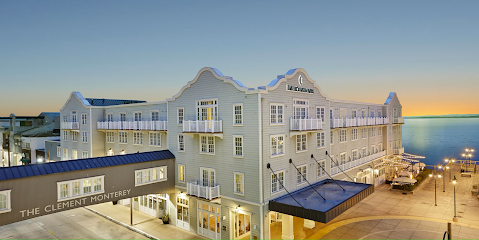
Monterey offers accommodations ranging from budget to luxury. Downtown hotels on or near Alvarado Street provide convenient access to restaurants and waterfront attractions. Monterey Plaza Hotel & Spa is a waterfront luxury option popular with couples. Motels and vacation rentals are available throughout the area. Pacific Grove and Carmel offer additional options; some small inns and bed-and-breakfasts in these communities are LGBTQ+-owned or LGBTQ+-friendly. Visitors should research specific properties for welcoming policies. Many couples choose to stay in Carmel for its romantic reputation and upscale amenities, then day-trip to Monterey for attractions.
Monterey is generally a safe, welcoming destination for LGBTQ+ travelers. The area has no known safety concerns specific to queer visitors. The city is in a progressive region of California with strong legal protections for LGBTQ+ individuals. Standard travel precautions apply, such as being aware of surroundings and following local guidance.
Transportation
Monterey Regional Airport serves the area with connections to major US cities. Visitors without rental cars can use local buses operated by Monterey-Salinas Transit (MST), which covers the Monterey Peninsula. The downtown area is walkable. Taxis and rideshare services (Uber, Lyft) are available. Visitors planning to explore beyond downtown (Big Sur, wine country, etc.) should arrange rental cars or guided tours.
Food and Dining
Monterey has an excellent food scene reflecting its coastal location, agricultural region, and tourism industry. Fresh seafood is abundant; restaurants range from casual to fine dining. Downtown Alvarado Street has numerous options from casual taquerias to upscale establishments. The region's proximity to Salinas Valley provides fresh produce featured in many menus. Carmel has particularly renowned fine dining establishments and is a destination for culinary tourism. Vegetarian and vegan options are readily available throughout the area.
Attractions and Day Trips
The Monterey Bay Aquarium is one of California's premier attractions, world-renowned for its exhibits and conservation work. Cannery Row offers shopping and dining in a historic location. The Monterey Bay waterfront provides scenic walks, whale watching tours (seasonal), and access to beaches. Point Lobos State Natural Reserve, about five miles south, offers dramatic coastal scenery and hiking trails. Big Sur, one of California's most spectacular coastal areas, is about 90 minutes south and popular for day trips featuring dramatic cliffs, beaches, and hiking. Carmel-by-the-Sea, approximately 10 miles south, offers art galleries, boutiques, and fine dining in a charming village setting. Wine Country is accessible for day trips to Salinas Valley and Santa Cruz Mountains vineyards. Santa Cruz, about 40 miles north, is a beach town with boardwalk amusement park, surf culture, and LGBTQ+-friendly scene.
Seasonal Considerations
Monterey has mild weather year-round. Summer (June-September) offers warmest conditions and busiest tourism season. Spring (March-May) and fall (September-November) provide pleasant weather with fewer crowds. Whale watching season is generally December through May. Winter can be cool and rainy but is still visitable. Monterey Pride in June combines the event with good weather, drawing many LGBTQ+ visitors.
Tips for LGBTQ+ Visitors
Monterey is welcoming and straightforward for LGBTQ+ travel. The small, integrated community means gay-specific venues may be limited, but mainstream businesses are inclusive. Couples traveling together will find the area very comfortable. Visitor centers and local chambers of commerce provide current information on events and businesses. Social media and LGBTQ+ travel sites offer updated venue and community information. The surrounding region (Pacific Grove, Carmel, Big Sur) extends options for day trips and expanded stays.
Frequently asked questions
Yes, Monterey is generally safe and inclusive for LGBTQ+ travelers. The city benefits from a progressive California attitude and a cosmopolitan visitor base.
Monterey's LGBTQ+ scene is integrated rather than concentrated in one neighborhood. Downtown Monterey, particularly around Alvarado Street and Cannery Row, is where most social venues and services are located.
There is no dedicated gay bar on the Monterey Peninsula itself. The nearest is Franco's Norma Jean's, Monterey County's only gay nightclub, about 15 minutes north in Castroville, known for its Saturday drag shows. In Monterey, Old Capitol Books on Alvarado Street hosts a monthly Rainbow Lounge LGBTQ+ social, and downtown's bars and cafes are welcoming. For a fuller gay-bar scene, Santa Cruz (about 45 minutes north) has the long-running Blue Lagoon.
The LGBTQ+ community in Monterey is modest compared to major urban centers but is visible, welcoming, and well-integrated. It is relatively small but engaged, with strong connections to local industries.
Monterey Peninsula Pride takes place each year in late June. The parade steps off around 11am down Alvarado Street in downtown Monterey and ends with a festival at Custom House Plaza. It is organized by the nonprofit Monterey Peninsula Pride (peninsulapride.org).
Yes, Pacific Grove, located north of Monterey, has a more visible queer community and is popular with LGBTQ+ visitors. Carmel-by-the-Sea, about 10 miles south, has historically had a visible and established LGBTQ+ community.
Your privacy choices.
We use cookies to run GayOut and, with your consent, measure usage. Learn more
Your privacy choices
We use cookies to keep GayOut running, remember your preferences, and (with your permission) measure how the site is used. You can accept all, reject all, or pick what you allow. Learn more
Essential
Required for sign-in, fraud prevention, CSRF protection and remembering your language. Cannot be disabled.
Always on
Remembers your favourites, dark mode and other interface preferences across visits.
Helps us understand which pages people visit (Google Analytics, server-side stats) so we can improve.
Used by campaign tracking pixels. None are active right now, reserved for future use.
Install GayOut
Add GayOut to your home screen for faster access, offline favourites, and Pride alerts.


 Gay Bars & Clubs
Featured
(13)
Gay Bars & Clubs
Featured
(13)