Marriage equality since Obergefell v. Hodges (26 June 2015). The Respect for Marriage Act (December 2022) provides a congressional floor, requiring federal recognition of all valid same-sex and interracial marriages regardless of future Supreme Court rulings. Bostock v. Clayton County (2020) held that Title VII of the Civil Rights Act prohibits employment discrimination on the basis of sexual orientation and gender identity. No comprehensive federal anti-discrimination law in housing or public…
Great little local vibe bar. Stopped in for a drink on a Saturday afternoon after a museum tour. The bartender made one of the best bloody Marys I've ever had.
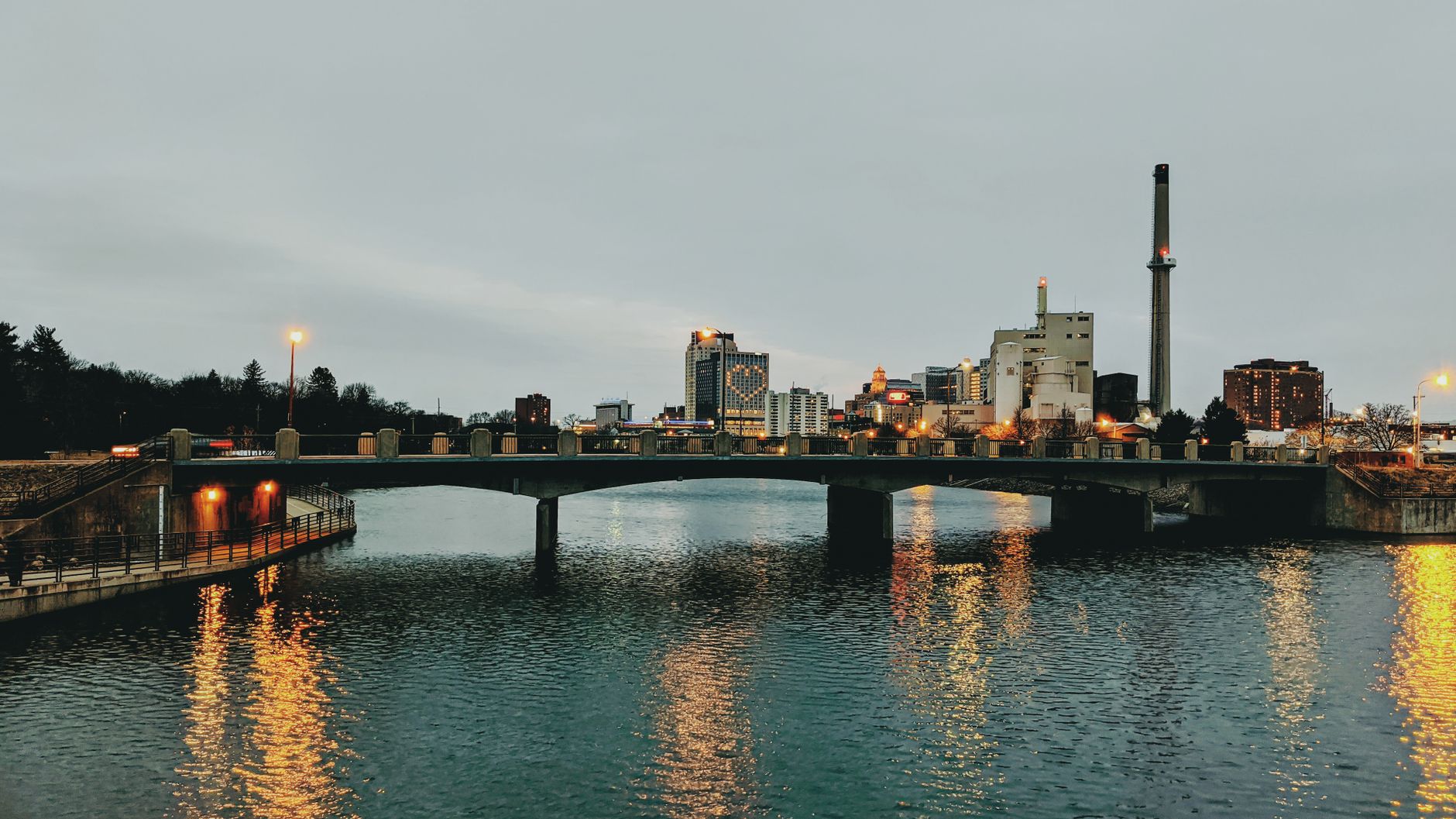
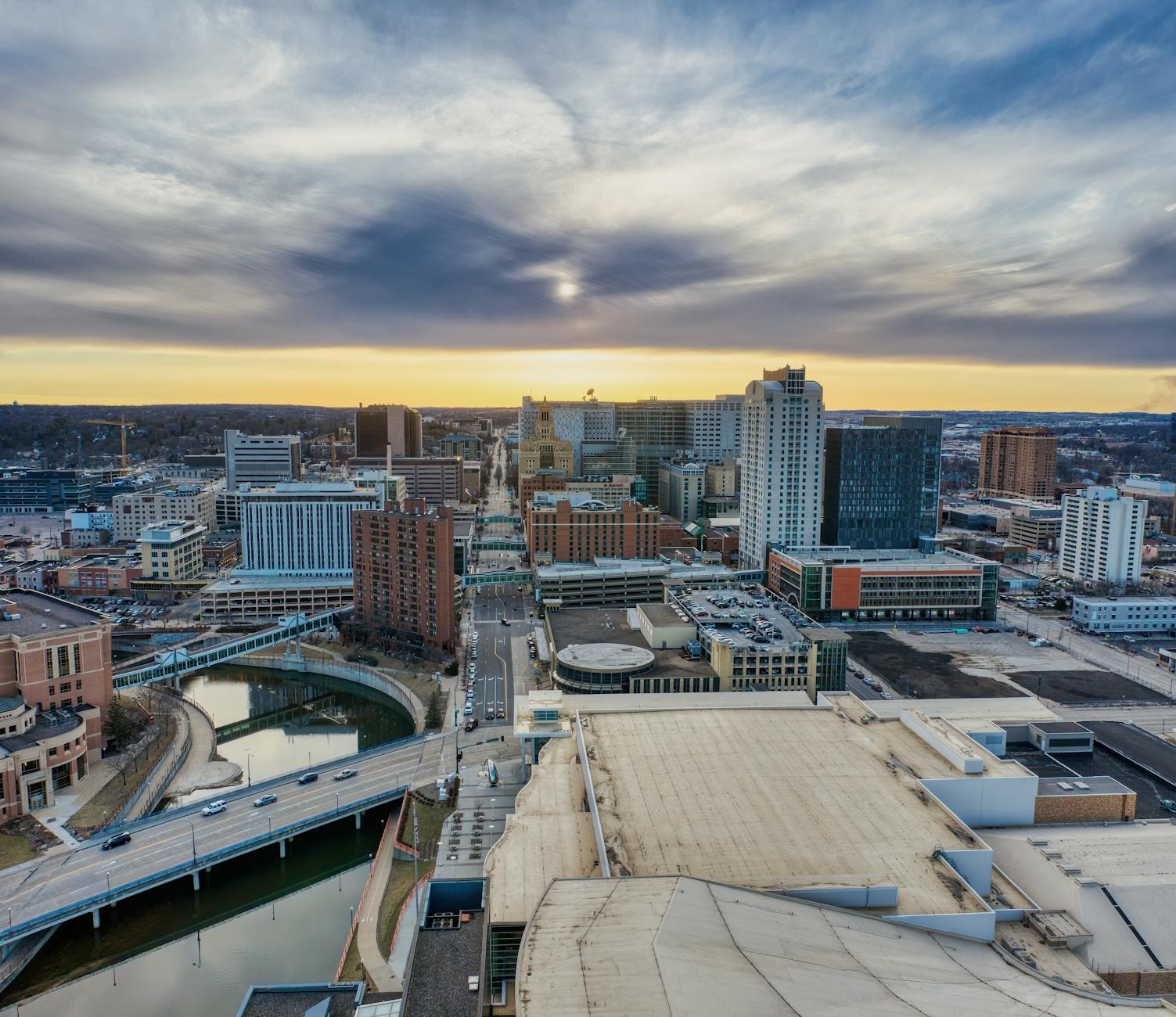
Rochester sits on the south shore of Lake Ontario in western New York, a mid-sized city (about 211,000 people) with a proud progressive streak — the home of Frederick Douglass and Susan B. Anthony — and, for its size, a genuinely durable LGBTQ+ scene. It isn't a big-city gayborhood with block after block of clubs, but it has real, dedicated gay venues, a well-established community-health network, and a summer Pride that draws tens of thousands. Two large universities, the University of Rochester and Rochester Institute of Technology (RIT), keep the city young and open-minded.
History of Rochester's LGBTQ+ Scene
Rochester's organized queer life goes back decades. The Gay Alliance of the Genesee Valley (later the Out Alliance) was founded in 1973 and for years published The Empty Closet, one of the oldest continuously running LGBTQ+ newspapers in the country. The Out Alliance suspended operations in 2020, but the community it helped build carried on: Trillium Health grew into the region's leading LGBTQ+ and HIV care provider, and a new generation of bars and events has kept the scene visible. The same year the city's oldest gay bar marked its 50th anniversary — a reminder that Rochester's queer institutions have real staying power.
Neighborhoods
Rochester doesn't have a single gay village; the scene is spread across a handful of walkable, welcoming districts. The South Wedge, just south of downtown along South Avenue, is the most concentrated LGBTQ+-owned business corridor — home to queer-friendly cafés, shops and the coffeehouse Equal=Grounds — and hosts the Pride festival grounds nearby at Highland Park. Monroe Avenue is the city's most bohemian strip, lined with bars, vintage stores and the newest queer nightclub. The Neighborhood of the Arts (NOTA), around University and Atlantic Avenues, holds the city's oldest gay bar and its main dance club. Park Avenue and the East End round out the friendly, gay-comfortable districts with restaurants, galleries and nightlife.
Bars & Nightlife
Rochester's dedicated gay bars are small in number but distinct in character. Forum 73 (670 University Ave, NOTA) is the city's oldest gay bar — it opened in 1973 as the Bachelor Forum and rebranded as Forum 73 in 2026, keeping its status as the friendly, gay-owned neighborhood anchor. ROAR (621 Culver Road) is the main LGBTQ+ dance club, opened in 2019 to fill the void left by earlier closures; expect drag brunches, karaoke, trivia and themed nights. Flora (190 Monroe Ave) is the newest addition — a queer nightclub that opened in late 2025 with DJs, dance nights and performance. Beyond the dedicated venues, mixed and gay-friendly spots such as Lux Lounge in the South Wedge regularly host LGBTQ+ nights.
Rochester is home to Rochester Spa & Body Club (109 Liberty Pole Way, downtown), a men's bathhouse that has operated since 1961. All-male and open around the clock on weekends, it is the only gay sauna between Buffalo, Syracuse and the Canadian border, drawing visitors from across the region. It remains a genuine fixture of the local scene rather than a wellness spa.
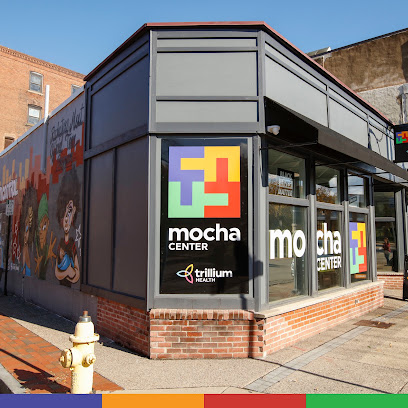
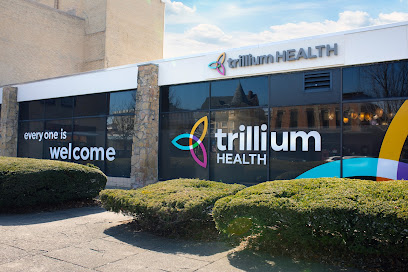
Trillium Health (259 Monroe Ave) is the hub of LGBTQ+ life in Rochester — a federally qualified health center offering affirming primary care, HIV prevention and sexual-health services, and the organizer of the city's Pride celebration. Its MOCHA Center program (founded 1996) serves LGBTQ+ people of color with wellness, youth and community programming. ImageOut, the Rochester LGBTQ+ Film Festival, has screened queer cinema every October for more than three decades. Both RIT (Women, Gender & Sexuality Resource Center) and the University of Rochester (LGBTQ Life, in the Burgett Intercultural Center) run active campus resource centers, and PFLAG Rochester supports families locally.
Pride & Events
Rochester Pride Parade & Festival — organized by Trillium Health — takes place in July, not June. In 2026 it falls on Saturday, July 18: the parade steps off on South Avenue and marches to Highland Park (1440 South Ave), where the festival runs through the afternoon with a main stage, vendors and community booths. It draws roughly 20,000 people and keeps a family-friendly, daytime focus. Rochester Black Pride and the October ImageOut film festival round out the annual calendar, and queer nightlife, drag and reading-series events run year-round at venues and community spaces around the city.
Where to Stay
Downtown Rochester puts you within reach of the gay bars, the bathhouse and the Pride route. The Strathallan (Tapestry by Hilton) on East Avenue, the Inn on Broadway, the Hyatt Regency and the Hilton Garden Inn Downtown are all central choices, while the Woodcliff and other suburban properties suit drivers. The East End and South Wedge also offer short-term rentals with more neighborhood character.
Rochester is generally safe and welcoming for LGBTQ+ travelers. New York State has strong legal protections, including marriage equality and the Gender Expression Non-Discrimination Act (GENDA) covering discrimination in employment, housing and public accommodations, and the city has its own inclusive ordinances. Standard urban common sense applies at night. Rural stretches of upstate New York can be more conservative, so use normal discretion when venturing well outside the city.
Getting Around & Day Trips
Greater Rochester International Airport (ROC) is about 10 minutes from downtown. The city is easy to drive, with the South Wedge, Monroe Avenue and East End all walkable; RTS buses and ride-share fill the gaps. Don't leave without trying a Rochester "garbage plate," the city's beloved late-night specialty. For day trips, the Finger Lakes wine country (Seneca and Cayuga Lakes) lies 45 minutes to 90 minutes south with many LGBTQ+-friendly wineries; Highland Park dazzles at the May Lilac Festival; and Letchworth State Park, the "Grand Canyon of the East," is about an hour southwest. Ithaca, an hour south, has its own visible queer community and college-town energy.
Frequently asked questions
Rochester has a welcoming LGBTQ+ community and has seen a steady progression toward inclusion. While the city lacks the more volatile historical conflicts seen in larger cities, it's always advisable for travelers to be aware of their surroundings.
The scene is spread across a few walkable districts rather than one gay village. The South Wedge (along South Avenue) has the most LGBTQ+-owned businesses; Monroe Avenue is the bohemian bar strip and home to the newest queer club; and the Neighborhood of the Arts (NOTA) holds the oldest gay bar and the main dance club. Park Avenue and the East End are also gay-friendly.
Rochester Pride Parade & Festival takes place in July (not June). In 2026 it is Saturday, July 18: the parade marches down South Avenue to Highland Park, where the festival runs through the afternoon. It is organized by Trillium Health and draws around 20,000 people.
Rochester has three dedicated gay bars — Forum 73 (the oldest, in NOTA), the dance club ROAR on Culver Road, and the new queer nightclub Flora on Monroe Avenue — plus Rochester Spa & Body Club, a men's bathhouse open since 1961. The scene is community-oriented and less commercial than big cities, with strong drag and queer-event programming year-round.
The provided guide does not mention any LGBTQ+-specific hotels in Rochester. However, many establishments throughout the city are actively welcoming to LGBTQ+ visitors.
Rochester's LGBTQ+ scene is described as friendly and community-oriented, reflecting the city's character. It has established itself through bars, community centers, and advocacy organizations, with a visible presence reflected in its Pride celebrations and venues.
Your privacy choices.
We use cookies to run GayOut and, with your consent, measure usage. Learn more
Your privacy choices
We use cookies to keep GayOut running, remember your preferences, and (with your permission) measure how the site is used. You can accept all, reject all, or pick what you allow. Learn more
Essential
Required for sign-in, fraud prevention, CSRF protection and remembering your language. Cannot be disabled.
Always on
Remembers your favourites, dark mode and other interface preferences across visits.
Helps us understand which pages people visit (Google Analytics, server-side stats) so we can improve.
Used by campaign tracking pixels. None are active right now, reserved for future use.
Install GayOut
Add GayOut to your home screen for faster access, offline favourites, and Pride alerts.





 Gay Bars & Clubs
Featured
(545)
Gay Bars & Clubs
Featured
(545)