Geelong, Australia's gateway to the Great Ocean Road, is a relaxed coastal alternative to Melbourne for LGBTQ+ travellers. Located about 75 kilometres southwest of Melbourne on Corio Bay, Victoria's second-largest city (around 250,000 people) blends a revived waterfront, a growing small-bar and dining scene, and an organised, visible queer community that punches above the city's size.
History and Community Development
Geelong's LGBTQ+ community became far more visible over the past decade as acceptance and legal protections strengthened across Australia. The clearest turning point was the founding of Geelong Rainbow Inc. in 2018 — a volunteer-run umbrella organisation that connects queer residents across the greater Geelong (G21) region and runs the annual Geelong Rainbow Festival. Around the same time the Geelong Pride Film Festival launched (2018), quickly becoming one of regional Australia's largest LGBTIQA+ film events. Today the scene is modest compared with Melbourne's, but it is community-driven, with social groups, youth support, sporting clubs and a steady calendar of events rather than a strip of dedicated venues.
Neighbourhoods and Areas
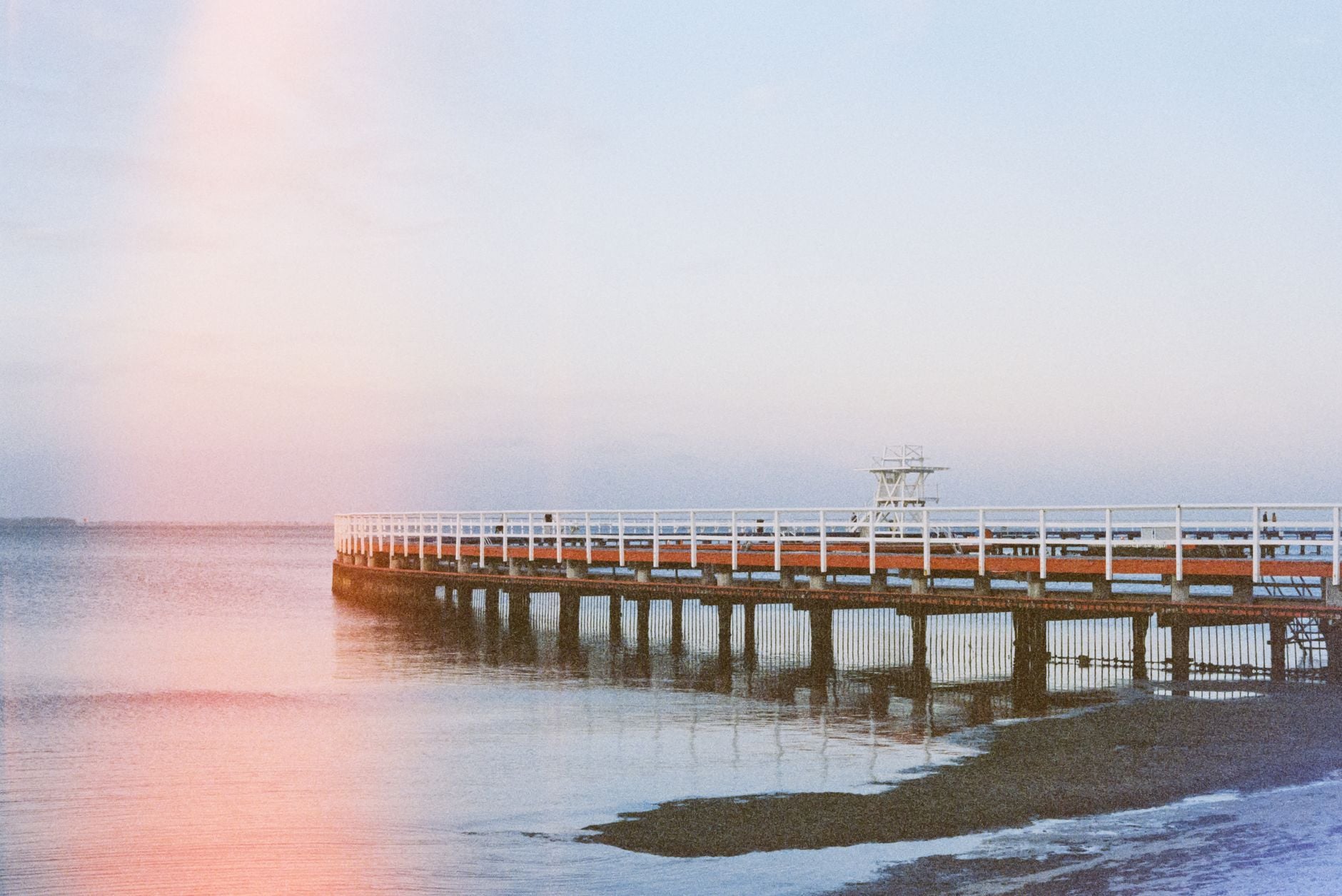
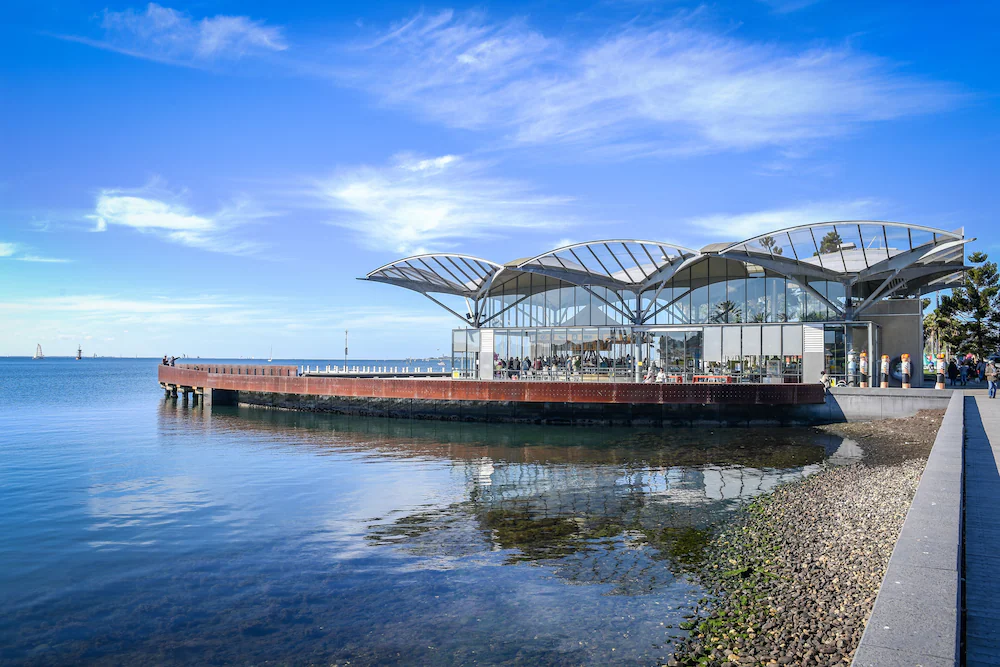
The city centre is the hub for hospitality and nightlife. The Little Malop Street "eat street" and the streets around Malop, Moorabool and James Streets hold most of Geelong's small bars, live-music rooms and clubs, all within easy walking distance. The revitalised Waterfront precinct along Corio Bay — Eastern Beach, Cunningham Pier and the carousel — is the daytime and event heart of the city and hosts many community celebrations. Geelong West (around Pakington Street, known locally as "Pako") is a café-and-bar strip popular with a diverse, younger crowd, while East Geelong and Newtown are leafy residential suburbs where many LGBTQ+ residents live. Geelong has no dedicated gay village; the scene is integrated across these central areas.
Venues and Entertainment
Geelong does not have a dedicated gay bar or club — the city is small enough that queer nightlife runs through welcoming mixed venues and pop-up events rather than permanent LGBTQ+ establishments. Piano Bar Geelong (Little Malop Street) is a late-night live-music and cocktail room that programmes drag performers and hosts Pride Film Festival events. Captain Bar (Malop Street, beside sister venue There There) has run All Out Discotheque, a recurring queer club night of drag, DJs and dancers, and is one of the more reliable central spots for an LGBTQ+ night out. The Deck Geelong (Gheringhap Street) has hosted queer dance parties such as The Coast is Queer. For a full night of dedicated gay clubs, most locals still make the 60–80 minute train trip to Melbourne's Smith Street (Fitzroy/Collingwood) or St Kilda. There is no gay sauna in Geelong; the nearest bathhouses are in Melbourne.
Pride and Events
Geelong has two flagship LGBTQ+ events, both worth planning around. The Geelong Rainbow Festival, organised by Geelong Rainbow Inc., is the city's Pride celebration and is usually held in early February at Johnstone Park in the CBD, featuring a Pride March and Fair Day, a cabaret launch, community stalls and performances. The Geelong Pride Film Festival screens LGBTQ+ cinema each May across venues including the Pivotonian Cinema, Village Cinemas Geelong and Platform Arts, and is one of the largest regional queer film festivals in the country. Throughout the year, community groups run social dinners, youth activities and sporting events. Geelong Rainbow Inc. is the best single source for what is on.
Where to Stay
Geelong has a solid spread of accommodation from budget motels to waterfront hotels. The city centre and Waterfront put you within walking distance of the small-bar strip — the Novotel Geelong on Eastern Beach and Oaks Geelong are central options, with numerous motels in Newtown, Belmont and Corio for lower budgets. During the Rainbow Festival and Pride Film Festival, central rooms book out early, so reserve ahead. Beachside towns on the Bellarine Peninsula (Ocean Grove, Barwon Heads) and the Surf Coast (Torquay) offer holiday rentals for a more relaxed coastal base.
The Geelong region's best-known clothing-optional and gay-popular beach is Point Impossible, on the Surf Coast near Torquay about 25 kilometres southwest of the city — one of Victoria's oldest legal clothing-optional beaches (designated 1983). Closer in, the Eastern Beach swimming enclosure and the Bellarine Peninsula beaches are family-friendly. Australia is broadly safe and accepting for LGBTQ+ visitors; secluded natural areas are used discreetly and are unsupervised, so take standard precautions.
V/Line regional trains connect Geelong Station to Melbourne's Southern Cross in roughly 60–80 minutes, making Geelong an easy day trip or overnight base from the capital. Within the city, local buses cover the suburbs, the flat CBD is highly walkable, and taxis and ride-share operate throughout. Avalon Airport, between Geelong and Melbourne, handles some domestic and low-cost flights.
Safety and General Atmosphere
Australia is a safe country for LGBTQ+ travellers, with marriage equality (2017) and strong anti-discrimination protections in employment, accommodation and services. Geelong is a welcoming regional city; the CBD and Waterfront are well-lit and busy, and standard urban precautions apply late at night. Same-sex couples can expect to move through the city comfortably.
Food and Dining
Geelong's dining scene has grown quickly, with Little Malop Street, the Waterfront and Pakington Street (Geelong West) offering everything from casual cafés to contemporary Australian and multicultural restaurants. Many venues are LGBTQ+-welcoming, and the small-bar culture means there is plenty of choice for a relaxed evening.
Day Trips and Nearby Attractions
Geelong is the launching point for the Great Ocean Road, which begins just south of the city and leads to Bells Beach (about 20 kilometres away), the surf town of Torquay, and eventually the Twelve Apostles. The Bellarine Peninsula's wineries and beach towns, and the You Yangs ranges, are all within easy reach. The Geelong Gallery, the National Wool Museum and the painted waterfront Baywalk Bollards round out the in-town attractions.
Practical Information
Geelong runs on Australian Eastern Standard Time (UTC+10) with daylight saving from October to April. The currency is the Australian dollar and English is the primary language; prices are generally a little lower than Melbourne. For current LGBTQ+ event information, Geelong Rainbow Inc. and the two Pride festivals maintain up-to-date websites and social media.
Geelong offers LGBTQ+ travellers a laid-back, welcoming base with a revitalised waterfront, a growing small-bar scene and two strong Pride festivals. It is smaller and quieter than Melbourne, but its friendly community and coastal setting make it an appealing regional alternative — and a natural stop on the way to the Great Ocean Road.
Frequently asked questions
Geelong has an increasingly welcoming LGBTQ+ community and infrastructure. While it doesn't have dedicated gay bars or clubs, many venues actively welcome queer patrons and foster LGBTQ+-friendly atmospheres.
Central Geelong (the CBD) has the highest concentration of LGBTQ+-friendly bars, restaurants and hotels, especially around Little Malop Street and the Waterfront precinct on Corio Bay. Geelong West (Pakington Street) and the leafy suburbs of Newtown and East Geelong are also popular, diverse residential areas close to the action.
Geelong has two main LGBTQ+ celebrations. The Geelong Rainbow Festival — the city's Pride march and fair day, run by Geelong Rainbow Inc. — is usually held in early February at Johnstone Park in the CBD. The Geelong Pride Film Festival screens queer cinema each May at venues including the Pivotonian and Village Cinemas Geelong. (Neither is in spring, despite older listings.)
Geelong has no dedicated gay bar or club — the city is too small for exclusively LGBTQ+ venues. Instead, queer nightlife runs through welcoming mixed bars such as Piano Bar Geelong (which programmes drag) and Captain Bar (which has hosted the All Out Discotheque queer club night), plus pop-up events. For dedicated gay clubs, Melbourne is about 60–80 minutes away by train.
For dedicated gay nightlife, most locals head to Melbourne's Smith Street (Fitzroy/Collingwood) or St Kilda, about 60–80 minutes away by V/Line train. In Geelong itself, the scene is event-driven: watch for queer nights at central mixed venues like Captain Bar and The Deck, and time your visit around the Geelong Rainbow Festival (February) or the Pride Film Festival (May).
No — Geelong does not have a gay sauna or bathhouse. The nearest options are in Melbourne, roughly 75 kilometres northeast and reachable in about 60–80 minutes by train.
Your privacy choices.
We use cookies to run GayOut and, with your consent, measure usage. Learn more
Your privacy choices
We use cookies to keep GayOut running, remember your preferences, and (with your permission) measure how the site is used. You can accept all, reject all, or pick what you allow. Learn more
Essential
Required for sign-in, fraud prevention, CSRF protection and remembering your language. Cannot be disabled.
Always on
Remembers your favourites, dark mode and other interface preferences across visits.
Helps us understand which pages people visit (Google Analytics, server-side stats) so we can improve.
Used by campaign tracking pixels. None are active right now, reserved for future use.
Install GayOut
Add GayOut to your home screen for faster access, offline favourites, and Pride alerts.



 Gay-Friendly Bars & Clubs
(677)
Gay-Friendly Bars & Clubs
(677)