No national recognition of same-sex partnerships. Many municipalities issue partnership certificates. National same-sex marriage ruling is expected from courts. Social acceptance varies widely.
Yokohama has developed a discreet but thriving gay scene over the past two decades, growing alongside Japan's broader acceptance of LGBTQ+ visibility. Unlike Tokyo's famous gay districts that emerged in the 1970s, Yokohama's scene solidified more recently, becoming a secondary hub for gay nightlife in the Kanto region. The city's gay community remains relatively underground compared to Western cities, reflecting broader Japanese cultural attitudes toward LGBTQ+ life, but venues are welcoming and the atmosphere is generally relaxed and inclusive.
Key Neighborhoods and Areas
The main gay district is concentrated in Nishi-ku (West Ward), particularly around the Isezakichō shopping and entertainment area near Isezakichō Station on the Yokohama Municipal Subway's Blue Line. This neighborhood is easily navigable on foot and contains most gay bars, clubs, and related venues. The district sits within Yokohama's larger entertainment and shopping quarter, making it easy to blend gay nightlife with mainstream dining and shopping.
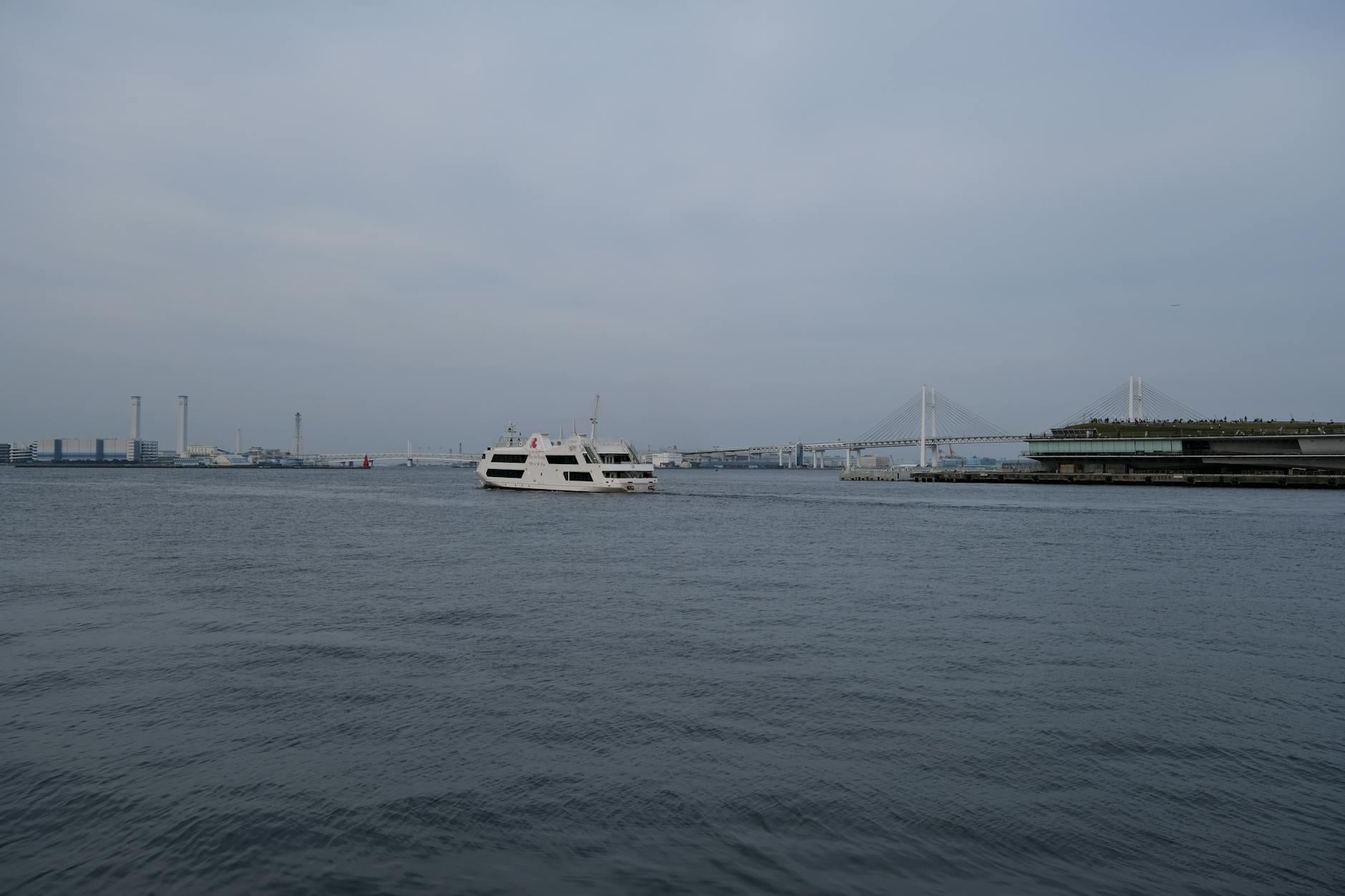
The Minato Mirai area, Yokohama's waterfront district, is about 15 minutes from the main gay district and offers museums, restaurants, and scenic views. While not primarily gay-oriented, it's a pleasant area for daytime exploration and some LGBTQ+-friendly restaurants and cafes are scattered throughout.
Venues and Nightlife
Yokohama's gay venues include intimate karaoke bars, standing bars, dance clubs, and saunas. Specific popular establishments have included gay bars in the Isezakichō area, though the exact landscape changes seasonally. The scene is less commercially developed than Tokyo's Shinjuku 2-chōme, with venues ranging from small neighborhood bars with regular clientele to larger clubs hosting DJ nights and dance events. Many bars cater to specific crowds—some are more oriented toward older men, others toward younger crowds or women, and several are explicitly welcoming to foreigners.
Gay saunas operate in the city, typically offering both day and evening hours with varying atmospheres. These establishments are commonplace in Japan and function as important social spaces within the gay community.
Pride and Events
Yokohama Pride, held annually in May, is one of Japan's major Pride celebrations. The event features a street parade through central Yokohama, live music and performances, community booths, and art installations. Recent celebrations have drawn 30,000+ participants. The exact dates vary year to year, typically falling in mid-May. Pride week often features special events at gay venues, making it an ideal time to visit for those interested in community celebration.
Other events vary throughout the year. Summer sometimes brings circuit parties or special club nights, though these are less formalized than Tokyo events. Checking local gay media, social media groups, and venue websites closer to travel dates is advisable for current event information.
Where to Stay
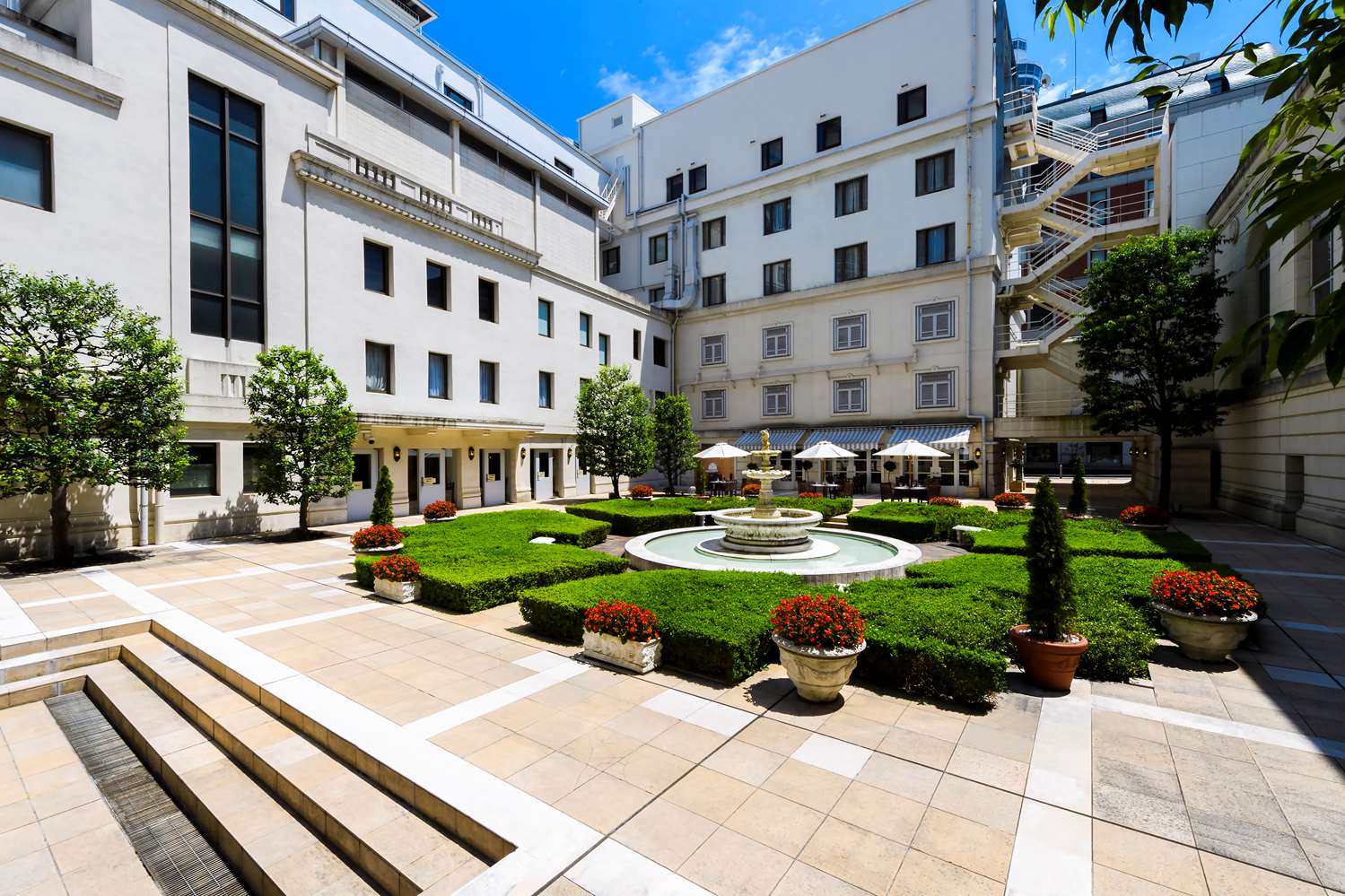
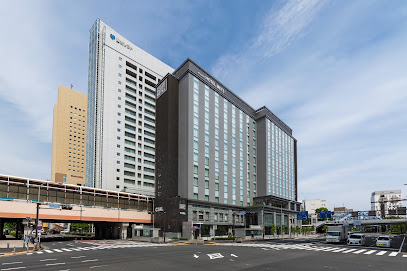
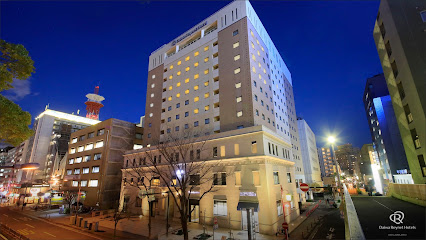
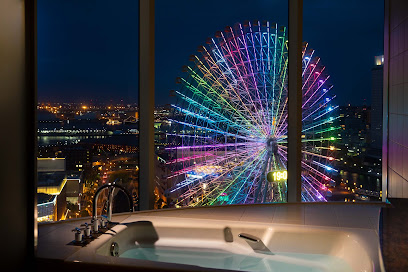
Yokohama has numerous hotels ranging from budget chains to luxury properties. The Isezakichō area and surrounding Nishi-ku have hotels within walking distance of gay venues, making nightlife-focused stays convenient. Minato Mirai also has upscale hotels near the waterfront, trading proximity to gay nightlife for waterfront views and proximity to museums.
For shorter stays, the Sakuragicho or Kannai stations offer central locations with good transit access to both the gay district and other parts of the city. Business hotels and capsule hotels provide budget options throughout the city.
Many travelers also stay in Tokyo and take day or weekend trips to Yokohama via train, which takes 25-40 minutes depending on starting point and train type.
Yokohama is extremely well-connected by train. The city's own municipal subway (Blue and Green lines) connects key areas, and multiple JR lines (Tokaido, Yokosuka, Sobu) serve the city from Tokyo and beyond. Isezakichō Station on the Yokohama Municipal Subway Blue Line is the primary station for accessing the gay district.
From Tokyo: The Tokaido Shinkansen (bullet train) takes about 30 minutes from Tokyo Station to Yokohama Station. Local JR trains are slightly slower but cheaper. Once in Yokohama, the subway or local trains provide access to neighborhoods.
The city is walkable in its core districts, and most gay venues are within 10-15 minute walks of each other in Nishi-ku. Taxis are available but expensive by local standards. IC transit cards (like Pasmo) work throughout the system and can be purchased at stations.
Food and Dining
Yokohama is renowned for ramen, particularly Yokohama ramen, a local style featuring soy-based broth and Chinese-style noodles. The Ramen Yokocho (Ramen Alley) near Yokohama Station is famous and always bustling.
The city also offers excellent seafood given its port location, conveyor-belt sushi (kaiten sushi) at various price points, and upscale restaurants in Minato Mirai. Isezakichō itself has numerous casual eateries, izakayas, and fast-food options mixed with the gay venues.
Many gay bars and clubs have food offerings, from light snacks to full meals, making it easy to eat and socialize in the same location. Vegetarian and dietary-specific options can be limited outside tourist areas, but most restaurants can accommodate basic requests with advance notice.
Day Trips and Nearby Attractions
Yokohama's location makes several day trips feasible:
Tokyo: 25-40 minutes by train. The capital's Shinjuku 2-chōme gay district is far larger and offers additional nightlife and cultural options.
Kamakura: 40 minutes by train. A historic coastal town with temples, shrines, beaches, and the famous Great Buddha statue. A popular weekend destination with some gay-friendly cafes and restaurants, though not a major gay destination.
Enoshima: Near Kamakura, a beachside island with shops, restaurants, and summer activities.
Nikko: 2+ hours by train, known for temples, national parks, and scenic hiking. Generally not gay-oriented but a beautiful nature destination.
Tokyo Disneyland and DisneySea: Located in adjacent Chiba Prefecture, both are major theme parks accessible from Yokohama.
Safety and Practical Considerations
Japan is generally very safe for LGBTQ+ travelers. Yokohama is a safe, well-policed city with low crime rates. However, Japan remains socially conservative regarding LGBTQ+ issues. While people are generally polite and non-confrontational, overt displays of affection between same-sex couples may attract attention or discomfort in some settings. Public displays of affection are generally uncommon in Japan regardless of sexuality.
Legal protections for LGBTQ+ people vary by region. Same-sex marriage is not legally recognized at the national level, though some municipalities have begun recognizing same-sex partnerships. Discrimination is not explicitly banned nationwide, though many companies have anti-discrimination policies. Transgender legal recognition is limited. These are not likely to affect travelers, but are worth knowing.
English proficiency varies. While major hotels, stations, and tourist areas have English signage and staff, many gay bars and small restaurants operate primarily in Japanese. Learning a few key phrases or using translation apps is helpful.
Visa requirements depend on nationality. Most visitors can enter visa-free for tourism for 90 days. Check requirements based on specific citizenship.
Cultural Notes
Japan's gay scene, including Yokohama's, operates with different norms than Western countries. Discretion is valued, and the scene is often less publicly visible. Many gay bars are small, intimate spaces rather than large clubs. Karaoke is a major social activity. Cover charges are common at bars and clubs, typically 500-3000 yen (5-30 USD), sometimes waived with drink minimum purchases.
Tipping is not customary in Japan and should not be offered, as it can be considered rude. Service charges are sometimes included in bills at restaurants.
Currency is Japanese Yen. Credit cards are accepted at larger establishments, but many smaller gay bars and some restaurants operate cash-only. ATMs at convenience stores (konbini) accept most international cards.
Best Time to Visit
Spring (March-May) and fall (September-November) offer pleasant weather. Yokohama Pride in May is ideal for those interested in attending. Summers are hot and humid; winters are mild by northern standards but can be gray and rainy. Golden Week (late April/early May) and Obon (mid-August) see significant domestic travel and higher prices.
Frequently asked questions
Yokohama has developed into one of Japan's most welcoming cities for LGBTQ+ travelers. The community atmosphere is surprisingly intimate and the city is increasingly accepting.
Isezaki Chojiro is the heart of Yokohama's gay scene, located in the Nishi ward. This narrow shopping street and surrounding alleyways have the highest concentration of gay bars, clubs, and karaoke establishments.
The Yokohama Rainbow Festival, established in the 2000s, attracts thousands of visitors each May.
Smaller bars dominate the district, often holding 20-30 people with intimate counter seating. Cover charges are modest (1,000-2,000 yen) and drinks are reasonably priced. Many feature karaoke facilities.
The broader Minato Mirai district is a modern waterfront area with museums and shopping, and while not gay-focused, it's a beautiful area for exploring. The Sakuragicho area near the station also has restaurants and bars catering to diverse crowds.
Staff typically speak limited English in the venues. However, locals are generally helpful to visitors.
Your privacy choices.
We use cookies to run GayOut and, with your consent, measure usage. Learn more
Your privacy choices
We use cookies to keep GayOut running, remember your preferences, and (with your permission) measure how the site is used. You can accept all, reject all, or pick what you allow. Learn more
Essential
Required for sign-in, fraud prevention, CSRF protection and remembering your language. Cannot be disabled.
Always on
Remembers your favourites, dark mode and other interface preferences across visits.
Helps us understand which pages people visit (Google Analytics, server-side stats) so we can improve.
Used by campaign tracking pixels. None are active right now, reserved for future use.
Install GayOut
Add GayOut to your home screen for faster access, offline favourites, and Pride alerts.



![[9/25Fri] La Noche – Women-only Latin Dance Night💃✨](https://secure.meetupstatic.com/photos/event/a/8/2/b/600_531823051.jpeg)


 Gay-Friendly Hotel
(260)
Gay-Friendly Hotel
(260)