Generally tolerant society but no legal recognition of same-sex relationships. A Sexual Orientation and Gender Identity Expression (SOGIE) bill has been pending in Congress for decades. Catholic Church influence is significant.
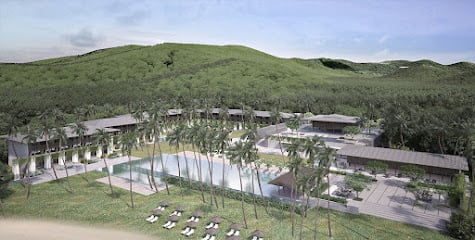
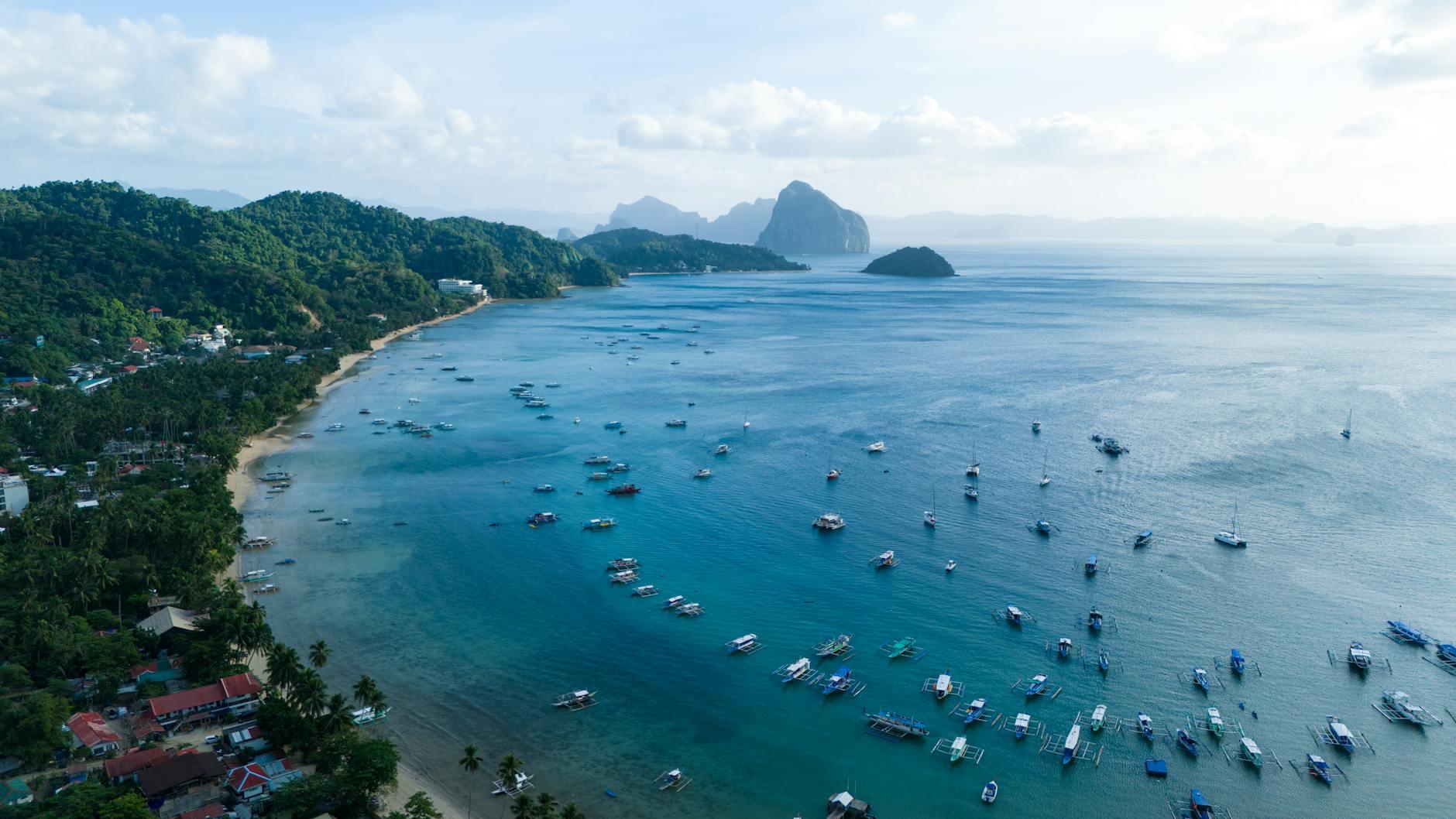
The Resort Bayview Hotel is a delightful property situated in the heart of Bacuit Bay in El Nido. The settlement offers all encompassing perspectives of the encompassing rain forests and estates.
All visitor lodging highlight attentive civilities to guarantee an unparalleled feeling of solace. The lodging's host of recreational offerings guarantees you have bounty to do amid your remain.
Reminiscent of explorer spots in southern Thailand, Squido's has a widescreen TV that is never turned off and a diversified menu. Squido's Hilltop , up a precarious flight of ventures around 1.
El Nido is not a destination with an established LGBTQ+ nightlife or dedicated gay scene. Instead, it functions as a nature-focused travel hub where queer visitors blend seamlessly into the general tourist population. Understanding what to expect helps LGBTQ+ travelers plan accordingly.
The Town and General Atmosphere
El Nido is a small coastal town in northern Palawan, accessible by a roughly 45-minute flight from Manila to Puerto Princesa, followed by a 4-5 hour drive or van ride north. The main street, Calachuchi Street, runs through the town center and is lined with restaurants, tour operators, and shops catering to tourists. The town has no distinct neighborhoods—it's compact enough to explore on foot in a few hours.
The general atmosphere is relaxed and tourist-oriented. The Philippines has a reputation for being relatively accepting of LGBTQ+ people in urban and tourist areas, and El Nido follows this pattern. Locals and business owners are accustomed to international visitors of all types, and casual same-sex couples will encounter no issues holding hands, dining together, or checking into hotels. The town prioritizes tourism revenue and maintains a welcoming posture to all visitors.
Accommodation
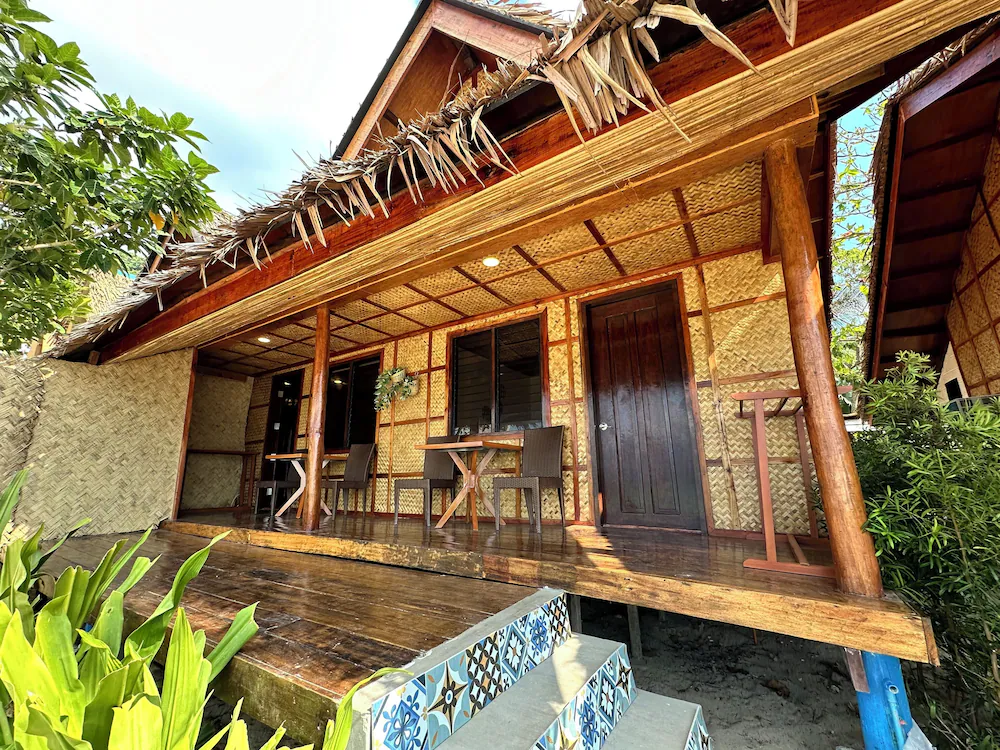
Accommodation options range from budget hostels to mid-range and upscale resorts. Popular choices include Lagen Island Resort, a private island resort with all-inclusive packages; El Nido Resorts' various properties; El Nido Boutique Hotel; Miniloc Island Resort; and numerous small guesthouses and budget hotels in town. Many properties explicitly welcome same-sex couples, and Philippine laws do not restrict same-sex guests from sharing rooms. When booking, couples can request a double bed or twin beds as preferred. Most mid-range and upscale properties have no issues with LGBTQ+ guests, though it remains advisable to book directly with properties rather than through certain third-party sites that may have restrictions.
El Nido's main draw is the Tour A, Tour B, Tour C, and Tour D system—full-day guided island tours operated by numerous tour companies. Tour A typically includes the Big Lagoon, Small Lagoon, and Shimizu Island. Tour B covers Miniloc Island, Secret Beach, and Entalula Beach. Tour C includes Helicopter Island and German Island. Tour D visits Pinagbuyutan Island and other sites. These tours are the primary activity for most visitors and operate year-round, weather permitting.
Other activities include snorkeling, scuba diving, rock climbing at the limestone cliffs, and kayaking. Several dive shops operate in town, and the area is known for excellent coral reefs and marine life. Private boat charters can be arranged for sunset cruises or customized island visits. These are all inclusive activities where LGBTQ+ travelers participate alongside other tourists with no complications.
Village tours and visits to nearby towns like Taytay are also available. The Manila Broadcasting Company (MBC) waterfall is accessible as a day trip.
Dining and Nightlife
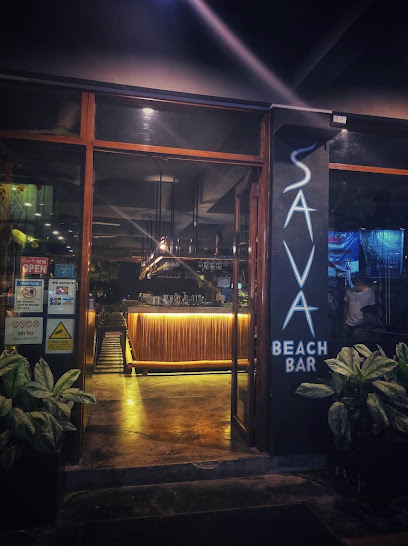
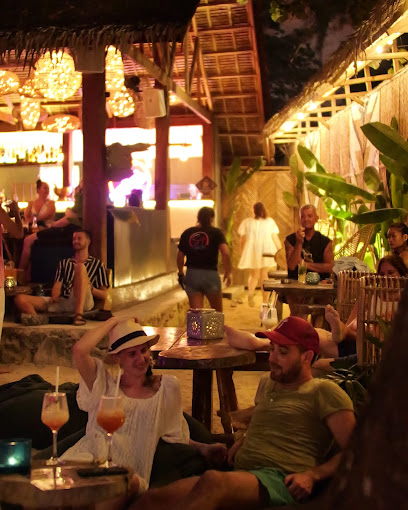
El Nido has numerous restaurants serving Filipino, Asian, and international cuisine. Popular spots include Abe Restaurant, Art Café, Diner's Bench, and many small eateries along the main street. Most restaurants are casual and welcoming. There are no dedicated gay bars or nightlife venues. The town's nightlife consists of low-key bars, some with karaoke, where tourists and locals mix informally. Visitors seeking nightlife should manage expectations—El Nido is a quiet town where people typically retire early to prepare for dawn tour departures.
El Nido is generally safe for LGBTQ+ travelers. The town is tourist-focused and accustomed to international visitors. Same-sex couples can move about comfortably without fear of harassment. That said, the Philippines does not have comprehensive anti-discrimination laws or marriage equality, so legal protections for LGBTQ+ people are limited compared to many Western countries. In practice, in El Nido's tourist ecosystem, this rarely impacts visitors.
Philippine law does not permit same-sex marriage, but cohabitation and romantic partnerships are not illegal or punishable. There are no laws specifically criminalizing same-sex relationships. The Catholic Church's influence is culturally significant, but religious opposition to homosexuality does not translate into street-level hostility in tourist areas like El Nido.
Basic safety tips: keep valuables secure, avoid isolated areas at night (though El Nido is safer than many destinations), use official taxis or pre-arranged transport, and purchase travel insurance. Medical facilities in El Nido are limited; serious health emergencies may require evacuation to Puerto Princesa or Manila.
Transportation
Getting to El Nido requires flying into Puerto Princesa (the capital of Palawan, about 240km south). Philippine Airlines, Cebu Pacific, and AirAsia operate flights from Manila, Cebu, and other cities to Puerto Princesa. Once in Puerto Princesa, several transport options exist: public vans (the cheapest option, departing throughout the day, roughly 4-5 hours); private van rental (around 3000-4000 PHP for a one-way trip); or a domestic flight to El Nido Airport, operated by Seair or other carriers (roughly 45 minutes, more expensive but faster).
Within El Nido, most attractions are accessed via organized tour operators or private boat hire. The town itself is walkable. Some visitors rent motorcycles or tricycles for local exploration, though this is not necessary for the main tourist activities.
When to Visit
El Nido has two main seasons: the dry season (November to May), when conditions are ideal for island tours and water activities, and the wet season (June to October), when tours may be canceled due to rough seas. December to February is peak tourist season and the most crowded period. April and May are hot but less crowded. Most travelers visit during the dry season.
There are no specific Pride events or LGBTQ+ festivals in El Nido. The Philippine Pride events occur in Manila (typically June, the global Pride month) and other major cities, not in El Nido.
Food
El Nido's food scene reflects its island location. Fresh seafood is readily available—grilled fish, prawns, and squid are staples. Adobo (braised meat), sinigang (sour stew), and other Filipino dishes appear on most menus. International options cater to tourists. Restaurants are casual and inexpensive, with meals ranging from 150-800 PHP depending on venue and choice. Vegetarian options exist but are limited; communicating dietary preferences to restaurant staff is advisable. Street food and small warungs offer cheap meals. Tap water is not reliably safe; bottled water should be purchased.
El Nido serves as a base for exploring northern Palawan. The islands of Miniloc, Lagen, and Matinloc are part of the tour circuit. Taytay, a colonial town about 45 minutes north, offers historical sites and a more traditional Filipino atmosphere. Calamian Islands to the north are accessible via longer boat rides. Puerto Princesa, to the south, is the nearest city and has more services and facilities.
Community and Connections
El Nido does not have a visible LGBTQ+ community center, meetups, or organized social groups. LGBTQ+ travelers are part of the general tourist population and may connect informally with other travelers through hostels or social circles, as anywhere. For community and social connection, visitors would need to travel to Cebu or Manila.
Conclusion
El Nido is a destination for LGBTQ+ travelers seeking natural beauty and adventure in a relaxed, welcoming atmosphere—not for those seeking an active gay scene. The town is safe and comfortable for couples and groups, with excellent outdoor activities and a laid-back vibe. Travelers should come for the islands, the diving, and the beauty, not expecting gay bars or organized LGBTQ+ spaces. That combination makes it an excellent choice for many queer travelers, particularly those who prioritize nature and tranquility over urban nightlife.
Frequently asked questions
The Philippines overall has a relatively progressive LGBTQ+ social scene. El Nido's LGBTQ+ presence is informal and embedded within the broader backpacker and tourism culture. Social interactions occur naturally through shared accommodations, group tours, and casual dining.
Unlike Manila or other major Philippine cities, El Nido did not develop a traditional gay neighborhood or dedicated LGBTQ+ nightlife infrastructure. The LGBTQ+ scene here is informal and embedded within the broader backpacker and tourism culture.
El Nido focuses on nature and outdoor adventure rather than nightlife or urban gay culture. The LGBTQ+ scene is informal and social interactions occur naturally through shared accommodations, group tours, and casual dining rather than through gay-specific venues.
El Nido's accommodation options range from budget hostels to boutique resorts, with several properties known for welcoming and social atmospheres that attract LGBTQ+ travelers. Budget-conscious visitors typically stay in hostels located along the main beachfront road, where common areas and group dining create natural socializing opportunities.
The provided guide does not mention specific dates or events for Pride celebrations in El Nido.
The LGBTQ+ presence in El Nido is largely transient, comprised of gay travelers, queer expats, and LGBTQ+ hostel and tour operators. It is not a large, formally organized community.
Your privacy choices.
We use cookies to run GayOut and, with your consent, measure usage. Learn more
Your privacy choices
We use cookies to keep GayOut running, remember your preferences, and (with your permission) measure how the site is used. You can accept all, reject all, or pick what you allow. Learn more
Essential
Required for sign-in, fraud prevention, CSRF protection and remembering your language. Cannot be disabled.
Always on
Remembers your favourites, dark mode and other interface preferences across visits.
Helps us understand which pages people visit (Google Analytics, server-side stats) so we can improve.
Used by campaign tracking pixels. None are active right now, reserved for future use.
Install GayOut
Add GayOut to your home screen for faster access, offline favourites, and Pride alerts.




 Gay-Friendly Bars & Clubs
(32)
Gay-Friendly Bars & Clubs
(32)