Same-sex marriage (Ehe für alle) legalised 1 October 2017. Civil partnerships (Lebenspartnerschaft) had been available since 2001. Joint adoption rights for same-sex couples since 2017. Strong federal anti-discrimination protections (AGG, General Equal Treatment Act 2006) covering employment, goods and services. Conversion therapy banned for minors 2020; full ban for adults proposed but not yet enacted as of 2026. Trans legal gender change requires psychological assessment and court order…
Münster holds a special place in LGBTQ+ Germany. While not as internationally recognized as Berlin or Cologne, this university city of around 300,000 people in North Rhine-Westphalia punches above its weight in terms of queer culture, activism, and community infrastructure. The city's progressive character stems partly from its large student population and its intellectual traditions, but also from decades of quiet, consistent LGBTQ+ organizing that has embedded queer life into the city's social fabric.
History of the Scene
Like most German cities, Münster's modern LGBTQ+ movement accelerated after decriminalization and the relaxation of social attitudes in the 1970s and 1980s. The city developed a reputation for activism and community organizing, with various groups working on visibility, legal rights, and social integration. Today, Münster is known as one of Germany's more gay-friendly mid-sized cities, with institutional support for Pride events and genuine social acceptance visible in everyday life. The community has grown from underground scenes in the 1980s to mainstreamed events and venues that operate openly.
Neighborhoods and Orientation
Münster's geography is relatively compact and easily navigable. The Altstadt (Old Town) is the historic heart, centered around the Prinzipalmarkt and dominated by the Münster Cathedral (Dom). This area contains many restaurants, cafés, and some LGBTQ+ venues. The Promenade, a beautiful tree-lined boulevard that rings the old city center, is where much of the city's leisurely social life happens—locals walk, cycle, and sit at outdoor cafés here.
The area around Schlossplatz (Palace Square) and the adjacent neighborhoods form the cultural hub, with museums, theaters, and gathering spaces. The Hafen (harbor district) has undergone revitalization and now contains some hip cafés and bars. The university areas, particularly around the Fürstbischöfliches Schloss (the university's main building), attract younger crowds.
Gay venues and community spaces are dispersed throughout the city rather than concentrated in a single "gay district," which is typical for mid-sized German cities. This means the LGBTQ+ scene is integrated into the broader cityscape rather than ghettoized.
Venues and Nightlife
Münster's gay bar scene is modest but welcoming. While specific venues change and new places open or close, the city typically has several established gay bars and café-bars. These establishments range from relaxed daytime cafés that serve the community (coffee, brunch, conversation) to evening venues with DJs and dancing. The scene is more intimate than what you'd find in larger cities, which many travelers appreciate for its authenticity and social quality.
Clubs in Münster occasionally host gay-themed nights or events, particularly around Pride season. The larger regional cities of Cologne and Düsseldorf, both within 60-90 minutes by train, have more extensive club scenes if travelers seek more intensive nightlife.
Café culture is central to Münster's LGBTQ+ social life. Many mainstream cafés and restaurants are genuinely welcoming and frequented by queer people and allies. The community also uses cultural spaces, bookshops, and academic settings for gathering and organizing.
Münster CSD (Christopher Street Day) is the major annual LGBTQ+ event, typically held in summer (usually July or August, with exact dates varying by year). The celebration includes a parade through the city center, information booths, live music, dancing, and celebrations that can draw 20,000–30,000 people. The event has the character of genuine community celebration rather than a hyper-commercialized spectacle, which reflects the city's culture.
The Pride organization involves various community groups, local government support, and volunteer networks. Unlike some larger Pride celebrations, Münster's retains a more grassroots, community-focused feel. Travelers planning to visit during Pride should book accommodations well in advance.
Beyond Pride, Münster hosts various LGBTQ+-related cultural events, film screenings, lectures, and community gatherings throughout the year. The universities host events, and advocacy organizations organize workshops and social gatherings. Local LGBTQ+ organizations and community centers serve as hubs for information and connection.
Where to Stay
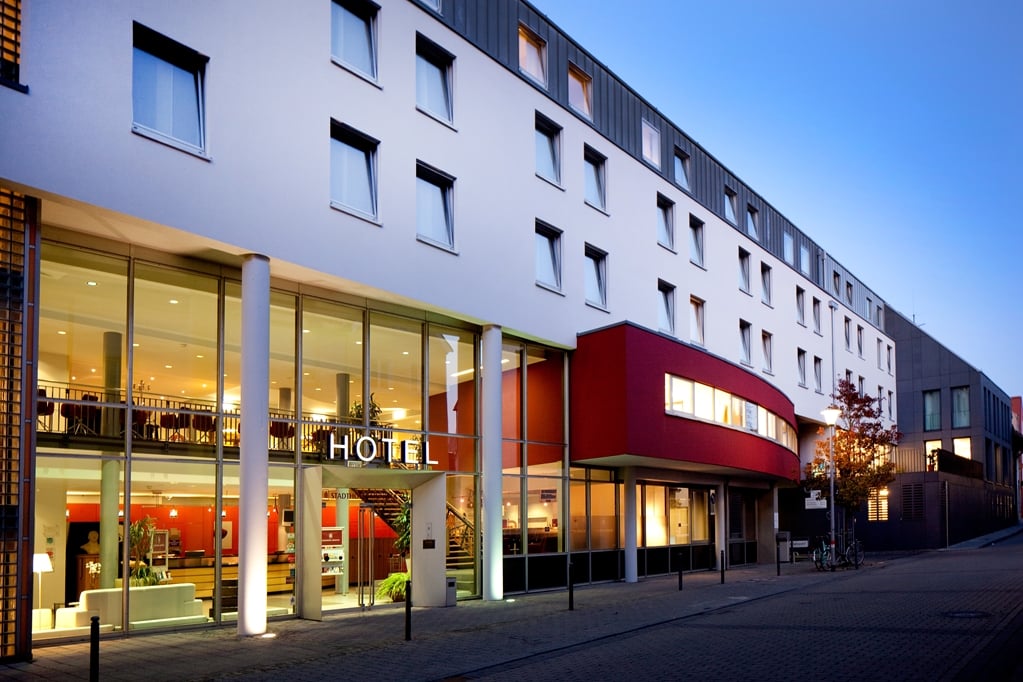
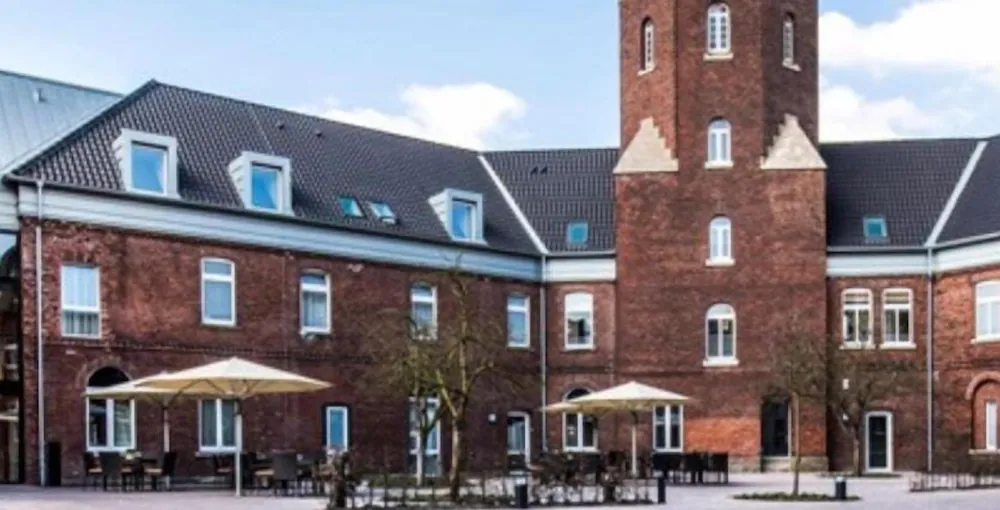
Accommodations in Münster range from budget hostels to upscale hotels. The Altstadt offers maximum convenience for exploring the historic center and accessing nightlife, with numerous hotels and guesthouses. Airbnb is also available throughout the city.
Some LGBTQ+-friendly guesthouses and hotels exist, though Münster's general climate of acceptance means that standard commercial accommodations are genuinely welcoming. The city is compact enough that staying anywhere central ensures easy access to the main attractions and social venues.
Germany overall is extremely safe and welcoming for LGBTQ+ travelers. Münster in particular has a progressive social environment where same-sex couples, visible queer people, and transgender individuals move through the city without harassment. Legal protections are strong, and discrimination is uncommon.
As in any city, travelers should use standard urban safety practices: be aware of surroundings, avoid isolated areas very late at night, and keep valuables secure. The city is exceptionally safe compared to many international destinations.
Transit and Getting Around
Münster is famous as a cycling city—it has an extraordinary cycling culture and infrastructure. Visitors should expect bicycles everywhere and be prepared to navigate around them as a pedestrian or cyclist. Bike rentals are abundant and inexpensive, and cycling is the easiest way to get around. The city's layout is very bike-friendly.
Public transit consists of buses and regional trains. The central train station (Münster Hauptbahnhof) connects the city to major German centers like Cologne (about 1 hour), Düsseldorf (about 1.5 hours), and beyond. Within the city, buses are reliable and frequent. Most travelers find walking and cycling sufficient for exploring.
Food and Drink
Münster's food scene reflects its position as a vibrant, cosmopolitan city. The Altstadt contains numerous restaurants ranging from traditional Westphalian cuisine (hearty, meat-focused) to international options. Turkish, Italian, Asian, and vegetarian restaurants are readily available. Café culture is strong, with many establishments serving coffee, breakfast, lunch, and evening drinks.
The city has a vegetarian and vegan scene that caters to diverse dietary preferences. Local restaurants are generally progressive and welcoming to all customers. Beer gardens and traditional German beer culture exist alongside modern craft beverage scenes.
Day Trips and Nearby Attractions
Münster's central location makes it ideal for exploring Westphalia. The countryside around the city offers picturesque villages, hiking, and cycling routes. Osnabrück, another university city about 45 minutes away, has its own LGBTQ+ scene and cultural attractions.
Cologne, about 1 hour away, offers one of Germany's largest and most famous Pride celebrations and an established gay scene. The regional train network makes day trips easy.
Other nearby attractions include the lakes of the Münster region, historic monasteries and castles, and traditional farm villages that showcase rural Westphalian culture.
Cultural and Intellectual Life
Münster's universities (University of Münster, Catholic University) drive intellectual and cultural activity. Museums include the Westphalian State Museum (Landesmuseum), Picasso Museum, and various smaller institutions. Theater, contemporary art galleries, and music venues offer regular programming.
The city's intellectual atmosphere and queer community intersect through academic LGBTQ+ organizations, cultural initiatives, and community events. For travelers interested in scholarship, activism, and progressive culture, this dimension of city life is appealing.
Community Resources
Various LGBTQ+ organizations operate in Münster, including community centers, advocacy groups, and social organizations. These provide information, support, and social opportunities for residents and can offer visitors insights into local community life. Tourist information offices can direct travelers to current resources.
Conclusion
Münster represents the best of German provincial queer culture—genuinely welcoming, integrated into broader social life, and free from either the invisibility of conservative regions or the commercialization of mega-cities. Travelers seeking authentic experience, beautiful surroundings, vibrant intellectual culture, and genuine community will find much to appreciate. The city rewards wandering, cycling, sitting in cafés, and engaging with locals. For LGBTQ+ travelers wanting to experience contemporary German life beyond Berlin, Münster offers rich rewards.
Frequently asked questions
Münster's LGBTQ+ scene is smaller and more discreet than in major cities like Cologne or Düsseldorf. However, it has grown steadily, especially in the last two decades, and is a visible part of the city's cultural calendar.
Münster's dedicated LGBTQ+ bars and clubs are concentrated in the Altstadt (Old Town), the historic heart of the city.
Münster is a university city with progressive values and has seen the emergence of gay rights activism since the 1970s. The establishment of Münster Pride has made the LGBTQ+ presence visible and celebrated.
Münster Pride was established in the early 2000s and marks a turning point in the city's LGBTQ+ presence, transforming it into a visible and celebrated part of the cultural calendar.
The Altstadt is where most LGBTQ+ venues are concentrated. The Kreuzviertel, southwest of the city center, is known as an alternative and artistic neighborhood that is queer-friendly and attracts many LGBTQ+ residents.
Münster is a compact and navigable city. It is extremely bike-friendly with extensive cycling infrastructure, and many visitors and residents navigate primarily by bicycle. Bike rentals are readily available.
Your privacy choices.
We use cookies to run GayOut and, with your consent, measure usage. Learn more
Your privacy choices
We use cookies to keep GayOut running, remember your preferences, and (with your permission) measure how the site is used. You can accept all, reject all, or pick what you allow. Learn more
Essential
Required for sign-in, fraud prevention, CSRF protection and remembering your language. Cannot be disabled.
Always on
Remembers your favourites, dark mode and other interface preferences across visits.
Helps us understand which pages people visit (Google Analytics, server-side stats) so we can improve.
Used by campaign tracking pixels. None are active right now, reserved for future use.
Install GayOut
Add GayOut to your home screen for faster access, offline favourites, and Pride alerts.



 Gay-Friendly Bars & Clubs
(57)
Gay-Friendly Bars & Clubs
(57)