Marriage equality since Obergefell v. Hodges (26 June 2015). The Respect for Marriage Act (December 2022) provides a congressional floor, requiring federal recognition of all valid same-sex and interracial marriages regardless of future Supreme Court rulings. Bostock v. Clayton County (2020) held that Title VII of the Civil Rights Act prohibits employment discrimination on the basis of sexual orientation and gender identity. No comprehensive federal anti-discrimination law in housing or public…
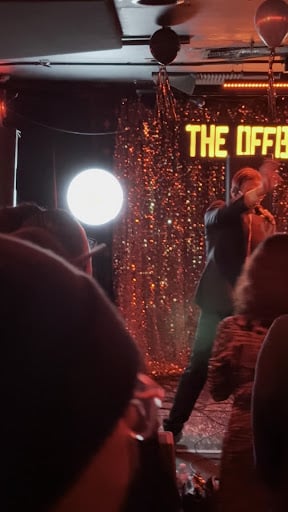
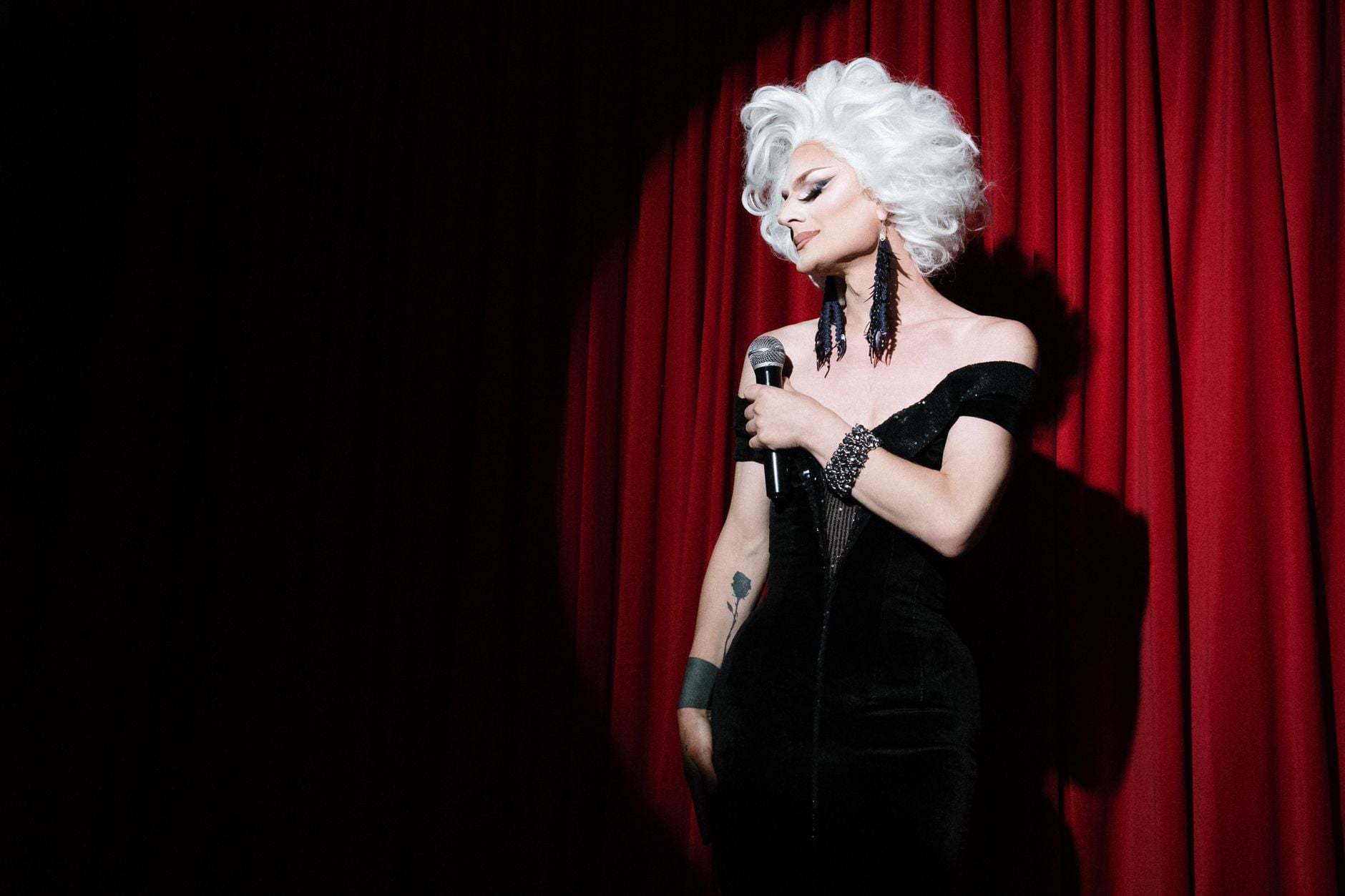
Silver Lake's essential indie gay bar — hipster crowd, cheap drinks, no attitude, and the anti-WeHo ethos that makes it one of the most beloved gay bars in Los Angeles.
This 2-floor low-rise hotel is half a block from the shops and restaurants on Hollywood Boulevard, a 3-minute walk from the Hollywood/Western metro stop and 1.
The home of Hollywood glamour, the historic Millennium Biltmore Hotel Los Angeles has been the choice of celebrities, presidents, and dignitaries, and the backdrop for many movies and TV shows.
This modern boutique hotel is a 4-minute walk from the high-end shopping and dining options at the Beverly Center, and about 2 miles from both West Hollywood nightlife and Beverly Hills.
Jared and this store (purchased 8/6). Literally. You have to admit, it's an odd sort of salesmanship where your customer lies down and pretends to sleep for multiple five minute intervals.
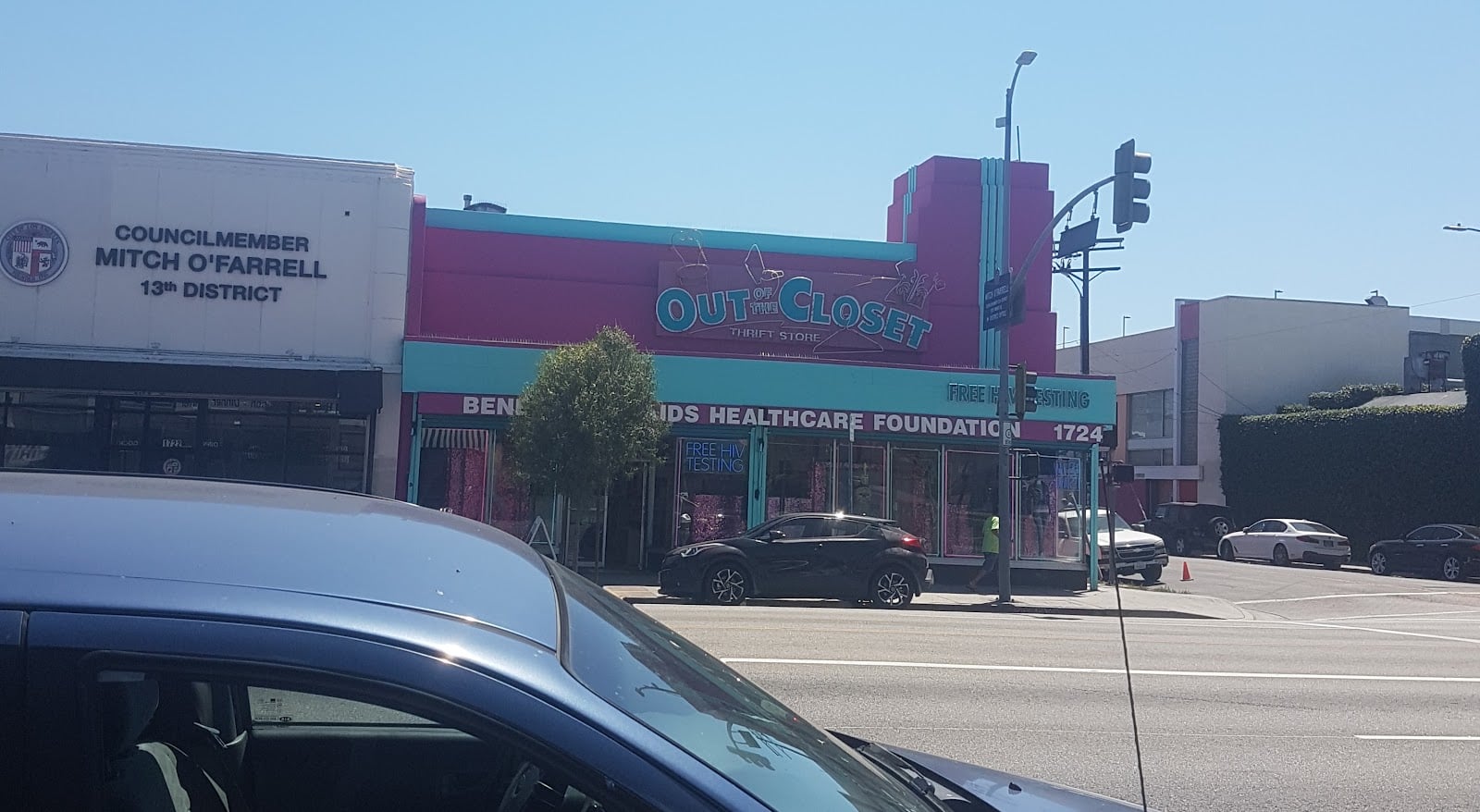
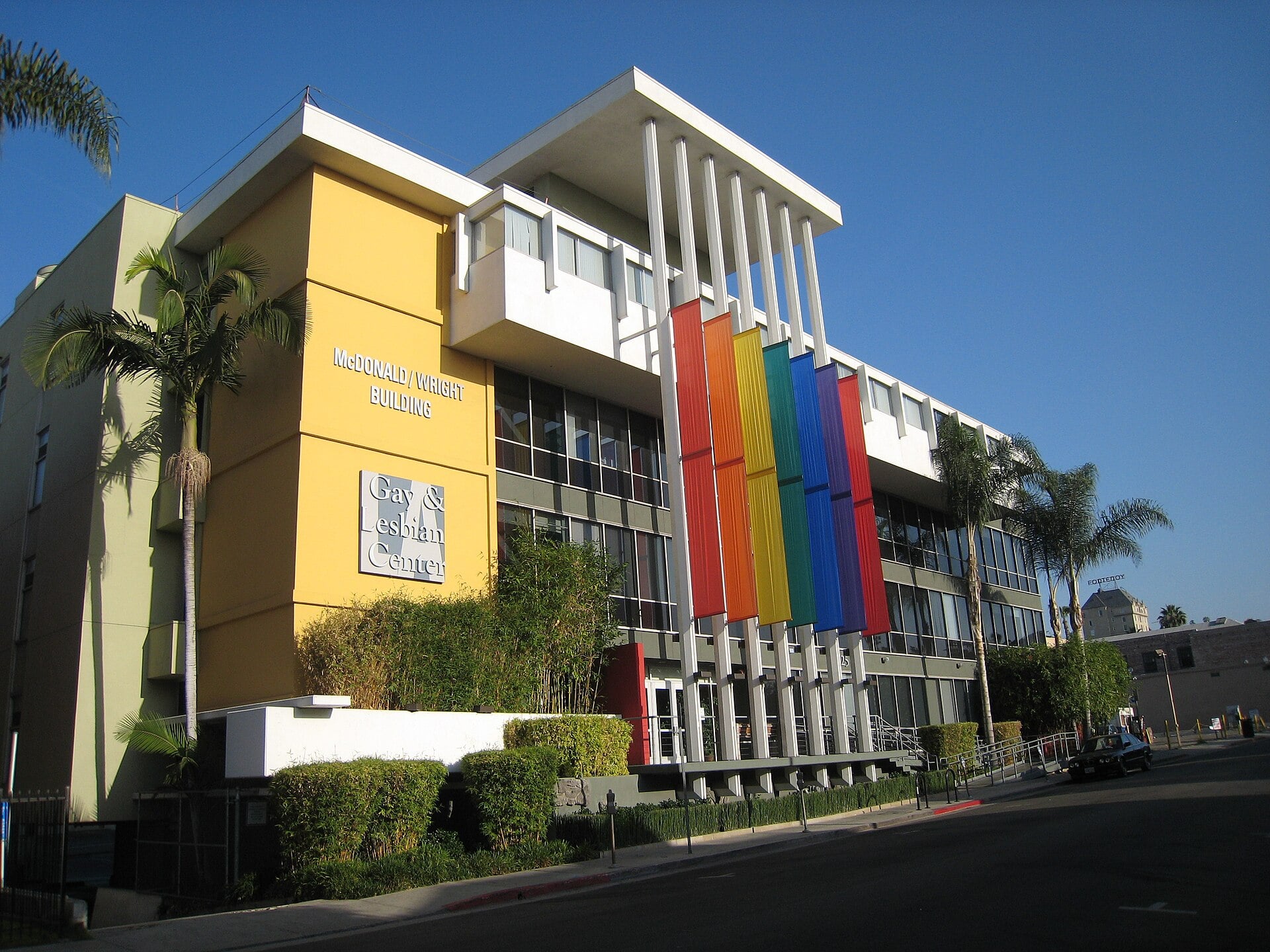
The largest LGBTQ+ organisation in the world — healthcare, social services, housing, legal services, youth programmes, and cultural space. The backbone of LA's LGBTQ+ community infrastructure.
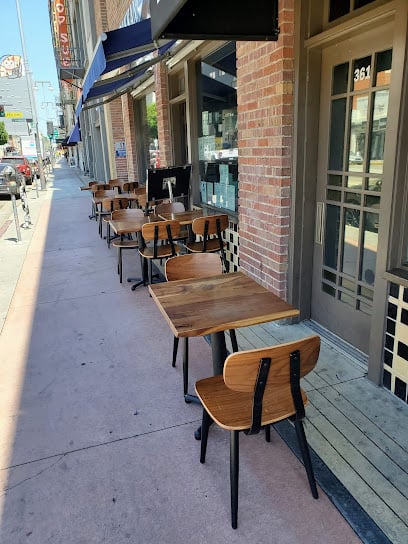
Site of the February 1967 Black Cat protest — among the first documented LGBTQ civil-rights demonstrations in the US, two years before Stonewall. Now a gastropub with the landmark plaque.
Los Angeles has a long history with the LGBTQ+ community, shaping its culture and identity for decades. The city's entertainment industry provided early opportunities for queer artists, fostering a unique environment where gay culture influenced mainstream entertainment. Following the 1969 Stonewall uprising, LA became a center for gay liberation movements in the 1970s and 1980s. The AIDS crisis deeply impacted the community but also spurred significant activism and cultural responses. Today, the LGBTQ+ population is integral to LA's fabric, evident in Hollywood's increasing representation and established queer neighborhoods.
Key Neighborhoods
West Hollywood (WeHo) is LA's most recognized LGBTQ+ neighborhood. Centered on Santa Monica Boulevard between La Cienega and Larrabee, it features a high concentration of gay bars, clubs, restaurants, and shops. This area has historically served as a refuge and continues to attract crowds, particularly on weekends. Boystown, the stretch of Santa Monica Boulevard between La Cienega and Doheny, is the most concentrated district for gay bars.
Downtown LA (DTLA) has grown a queer nightlife scene of its own, anchored by Precinct and a cluster of Latino LGBTQ+ bars, plus the DTLA Proud festival each August. (Long Beach, a separate city about 30 miles south, has its own sizeable scene and its own Long Beach Pride in May — worth a day trip, but covered on its own page.)
Silver Lake is an artsy neighborhood popular with queer artists and creative professionals. The area around Sunset Boulevard offers vintage shops, independent bookstores, art galleries, and cafes. It tends to attract a younger, more alternative crowd.
Los Feliz, east of Hollywood, is another artistic neighborhood with a growing queer community, featuring local bars, theaters, and creative spaces.
Downtown LA's Arts District has seen revitalization and increasingly attracts LGBTQ+ residents and businesses, with new galleries, coffee shops, and restaurants opening regularly.
Venues and Nightlife
West Hollywood's Santa Monica Boulevard is the densest strip of gay nightlife in the city. The Abbey is the landmark — a sprawling indoor-outdoor complex — with the adjoining Chapel for late-night dancing. Nearby you'll find long-timers like Trunks and Mother Lode, the gay sports bar Hi Tops, the drag-and-burgers institution Hamburger Mary's, and newer rooms like The Wild and Beaches.
The Eastside has a grittier, more local scene: Eagle LA and Faultline anchor the leather-and-bear crowd, while Akbar in Silver Lake draws an artsy, mixed queer crowd. Downtown LA's Precinct anchors a growing DTLA scene, and the city's Latino LGBTQ+ nightlife thrives at spots like Club Tempo, New Jalisco, the Silver Platter and Club Cobra out in the Valley.
Drag shows are common across the city, from Hamburger Mary's competitions to weekend revues throughout WeHo.
Los Angeles now has two major Pride celebrations in June. The LA Pride Parade, organized by Christopher Street West, moved to Hollywood in 2022 and runs along Hollywood Boulevard, paired with LA Pride in the Park. Separately, the City of West Hollywood runs WeHo Pride in early June, centered on Santa Monica Boulevard, with a parade, the Dyke March and the OUTLOUD music festival. Downtown adds DTLA Proud in late August.
Long Beach, a separate city to the south, holds its own well-loved Long Beach Pride in May. Circuit parties and club events run year-round across the city.
Accommodation
West Hollywood offers a range of hotels, from budget to luxury. The Mondrian is an upscale option, and The Standard Hollywood provides modern design. Smaller gay-friendly hotels are also available. Long Beach has waterfront hotels and downtown budget options. Airbnb is widely available throughout the city and should be booked in advance for Pride weekend.
Los Angeles is car-dependent, with most visitors renting vehicles or using rideshare services. West Hollywood is walkable within its main gay areas. Public transit is available but less extensive than in other major cities. Rideshare services are a reliable option. Travel between West Hollywood and Long Beach typically requires driving or using public buses, which are slower.
Food and Culture
LA boasts a diverse food scene. West Hollywood offers everything from casual eateries to fine dining, along with numerous coffee shops and cafes. Long Beach's food scene reflects its multicultural population. LGBTQ+-owned restaurants and businesses can be found in various neighborhoods. The city also has museums, some of which may feature LGBTQ+ art and history.
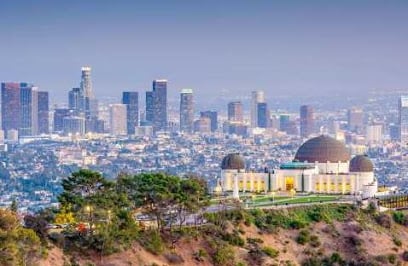
Beaches like Santa Monica and Malibu are about 30-45 minutes away. Griffith Observatory offers city views and hiking. The Getty Center and Getty Villa are major art museums. Joshua Tree National Park is approximately a two-hour drive and is a popular day trip destination.
Safety Considerations
West Hollywood and Long Beach's gay neighborhoods are generally safe and well-patrolled, especially during evenings and weekends. Standard urban precautions are advised, such as being aware of surroundings late at night and avoiding isolated areas. Most gay bars have security. General urban safety awareness is recommended throughout the broader LA area.
Weather and Timing
LA experiences mild weather year-round. Summer (June-August) is warm and sunny, coinciding with Pride season and peak visitor numbers. Fall and spring offer pleasant weather with fewer crowds. Winter is mild. The best time to visit depends on whether you prefer the energy of Pride season or a more relaxed experience. Weekends in West Hollywood are significantly busier than weekdays.
Los Angeles provides a diverse and accessible LGBTQ+ travel experience. The city's geography requires some planning, but its distinct neighborhoods, numerous venues, and welcoming community offer a rewarding visit. For first-time visitors, spending 3-4 days allows for exploration of multiple neighborhoods and a better understanding of the local scene.
West Hollywood (WeHo) is the most famous gay neighborhood, known for its concentration of gay bars, clubs, and shops. Silver Lake is popular with younger queer people and artists, offering a more bohemian feel. Los Feliz also attracts queer artists and progressives with a neighborhood-focused atmosphere. Long Beach has its own robust LGBTQ+ scene with a beach town experience.
Yes, West Hollywood is highly walkable, particularly along Santa Monica Boulevard where you'll find the highest concentration of gay bars, clubs, restaurants, and shops. Exploring the surrounding streets can reveal quieter residential areas.
Silver Lake is increasingly popular with younger queer people, artists, and creative professionals, offering independent bookstores, vintage shops, and cafes. It has a more bohemian, less commercialized feel than West Hollywood, attracting those seeking alternative culture.
Yes. The city's historic gay beach is the "Ginger Rogers" section of Will Rogers State Beach in Pacific Palisades, a gay sunbathing spot since the mid-20th century. Griffith Park's hillside trails above Los Feliz are a long-standing outdoor gay hangout too, and Venice Beach has a small gay section near the skate park.
Los Angeles hosts one of the largest and most visible LGBTQ+ populations in the United States, with communities spread across multiple neighborhoods and integrated throughout the broader city. The guide highlights West Hollywood's incorporation partly due to LGBTQ+ political organizing and the community's resilience.
West Hollywood offers extensive nightlife, centered on Santa Monica Boulevard, with a high concentration of gay bars and clubs. Silver Lake also has smaller LGBTQ+-friendly venues.
Your privacy choices.
We use cookies to run GayOut and, with your consent, measure usage. Learn more
Your privacy choices
We use cookies to keep GayOut running, remember your preferences, and (with your permission) measure how the site is used. You can accept all, reject all, or pick what you allow. Learn more
Essential
Required for sign-in, fraud prevention, CSRF protection and remembering your language. Cannot be disabled.
Always on
Remembers your favourites, dark mode and other interface preferences across visits.
Helps us understand which pages people visit (Google Analytics, server-side stats) so we can improve.
Used by campaign tracking pixels. None are active right now, reserved for future use.
Install GayOut
Add GayOut to your home screen for faster access, offline favourites, and Pride alerts.








 Gay Bars & Clubs
Featured
(335)
Gay Bars & Clubs
Featured
(335)