England has one of the most comprehensive LGBTQ+ legal frameworks in the world. Same-sex sexual activity was decriminalised in England and Wales in 1967 (Sexual Offences Act), with the age of consent equalised at 16 in 2001. The Civil Partnership Act 2004 introduced legal recognition for same-sex couples; the Marriage (Same Sex Couples) Act 2014 extended full marriage rights. The Equality Act 2010 provides comprehensive anti-discrimination protections covering sexual orientation and gender…
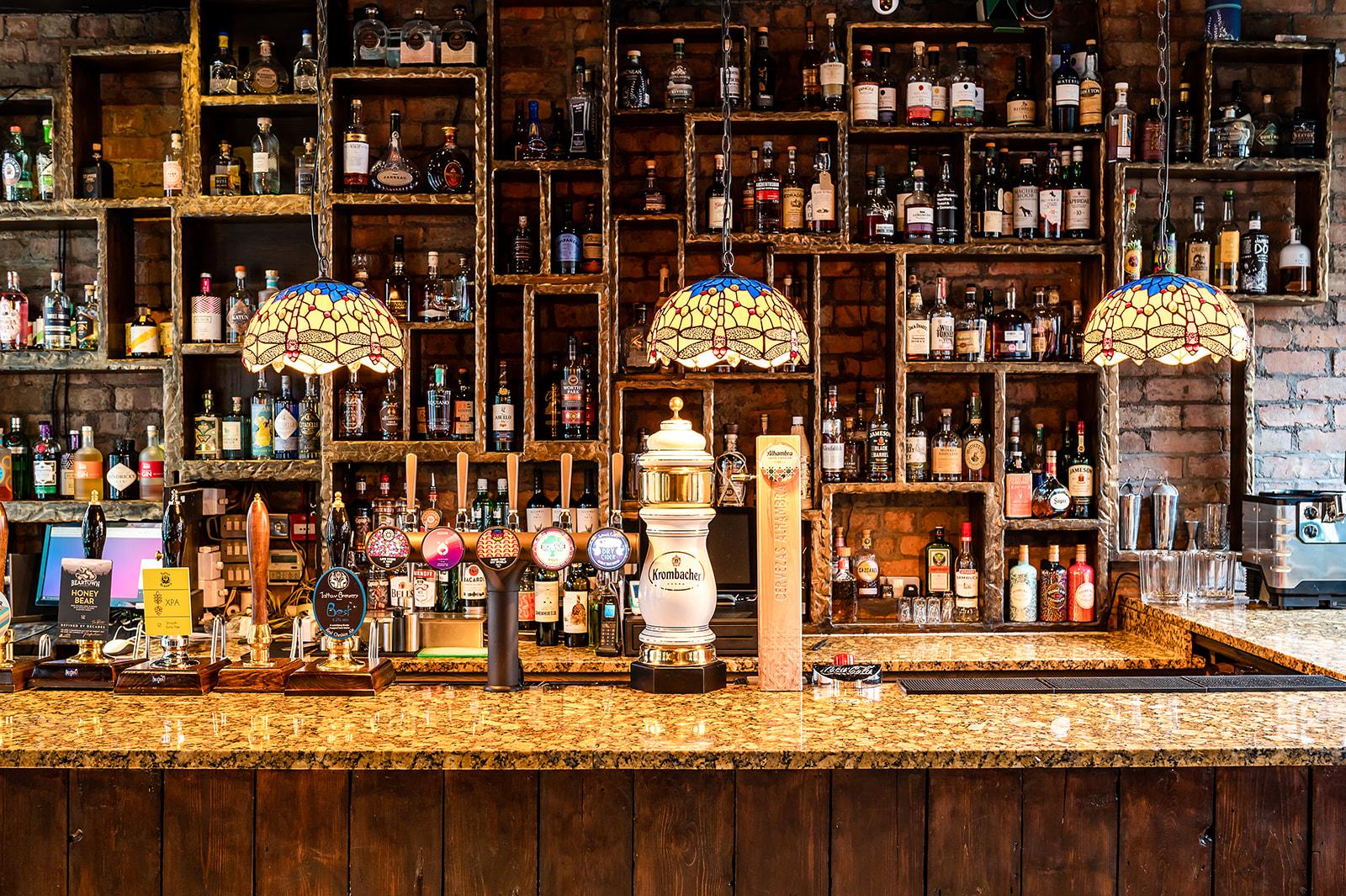
Popular men-only basement bar located just outside Manchester’s central gay district. The Company Bar has a limited and dark space and is particular popular with the leather and muscle crowd.
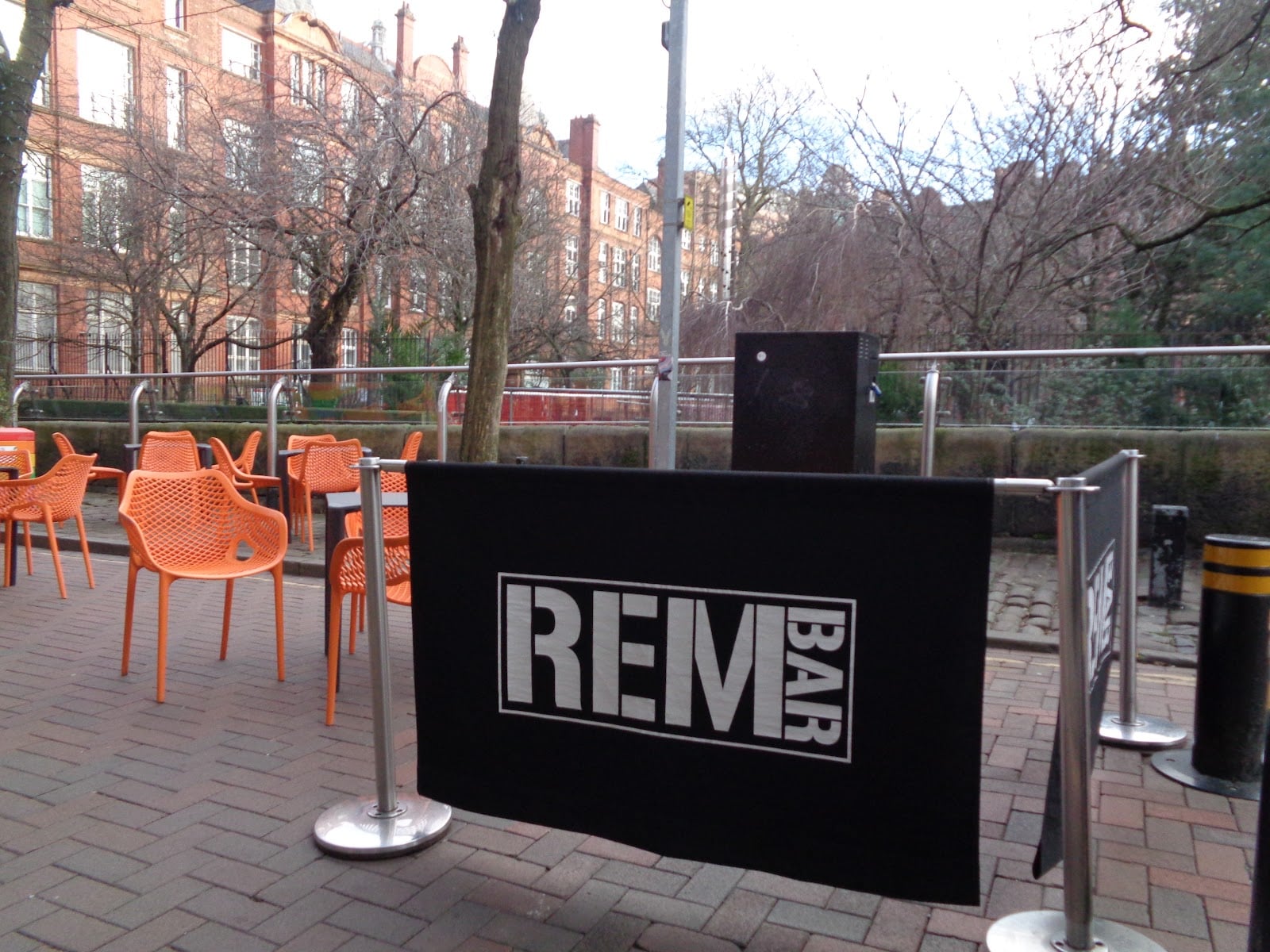
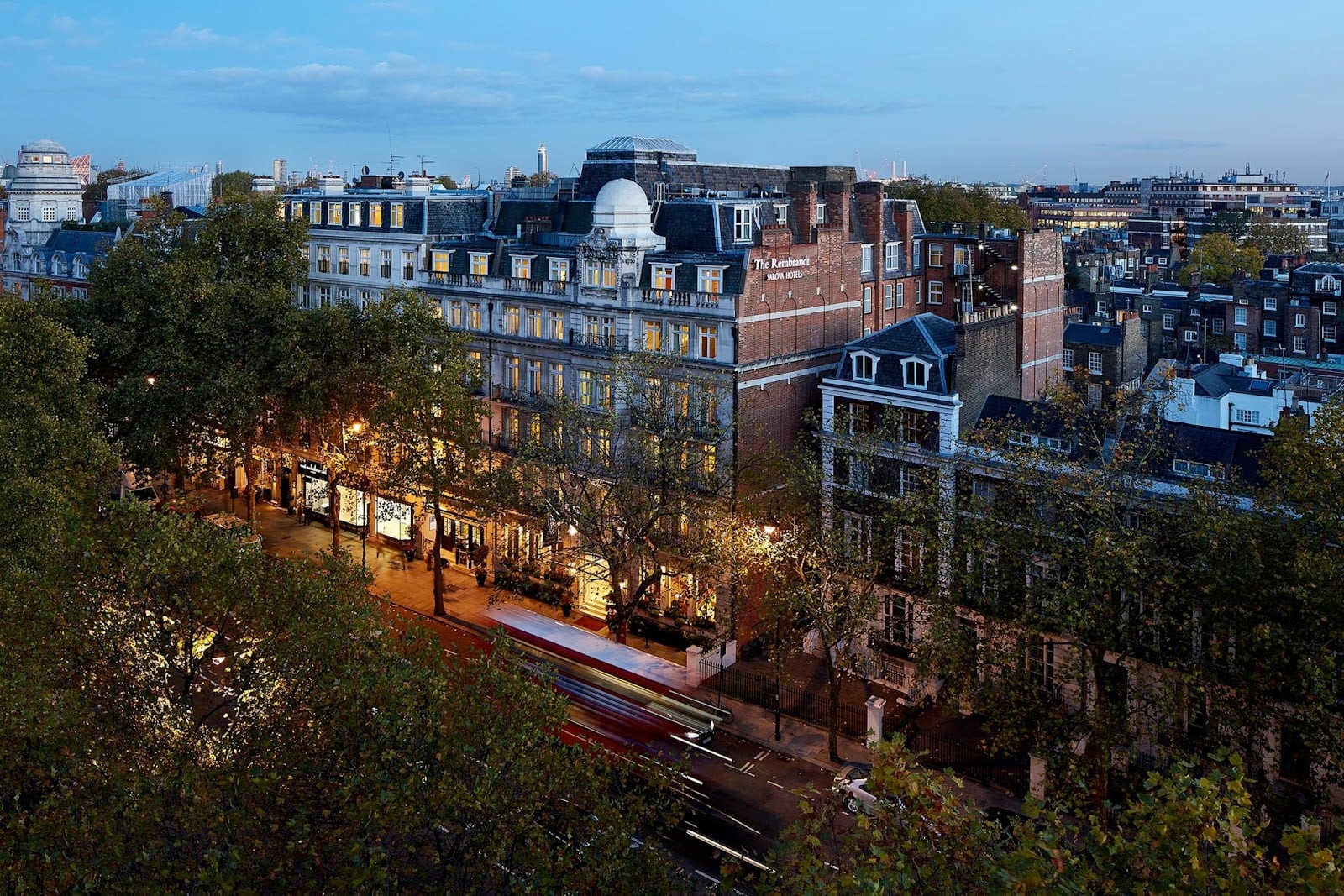
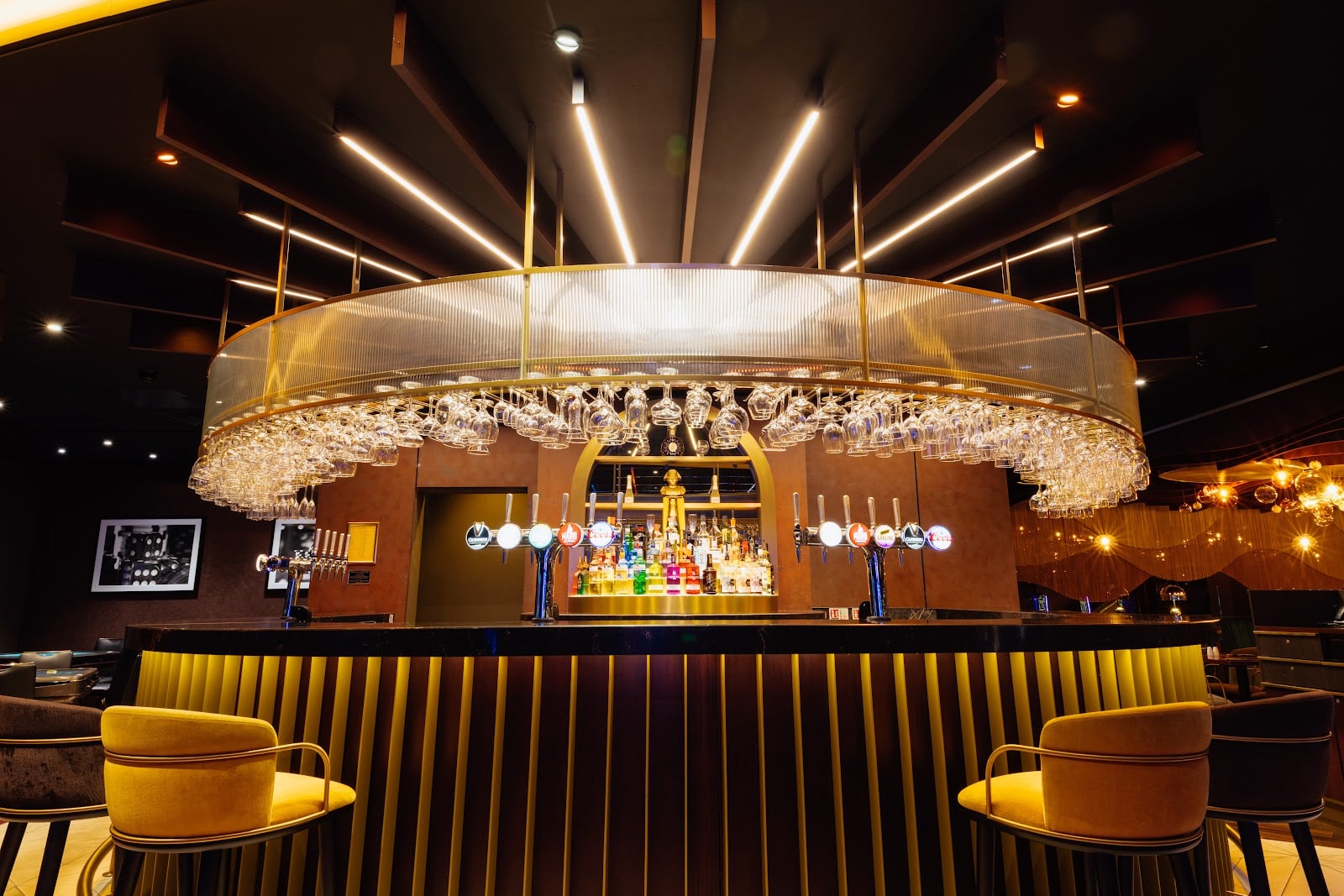
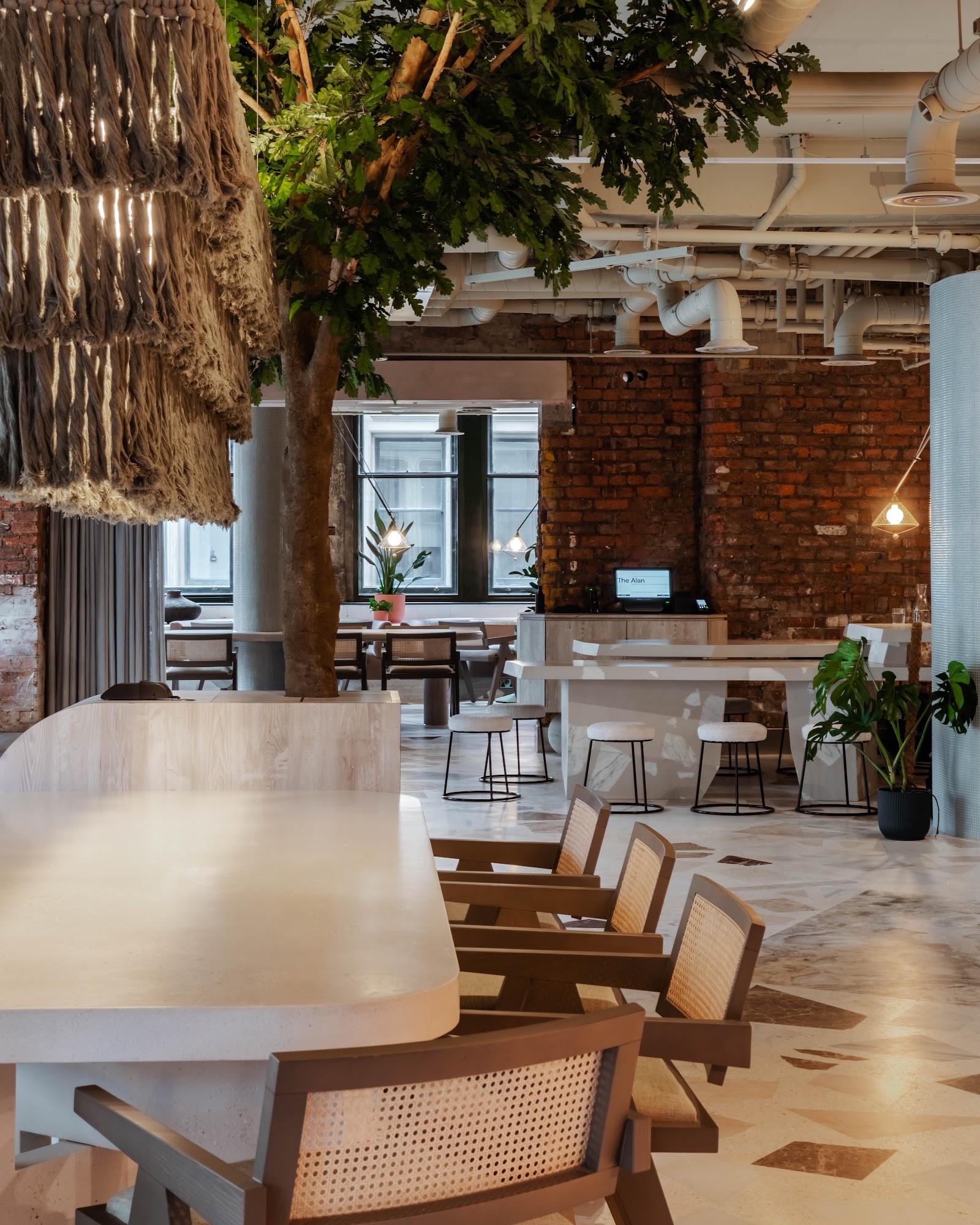
REM Bar belongs to Rembrandt Hotel, one of the oldest gay establishments in Manchester. The all-new REM Bar features classic modern decor, electric blue lighting with a dark and cruisy atmosphere.
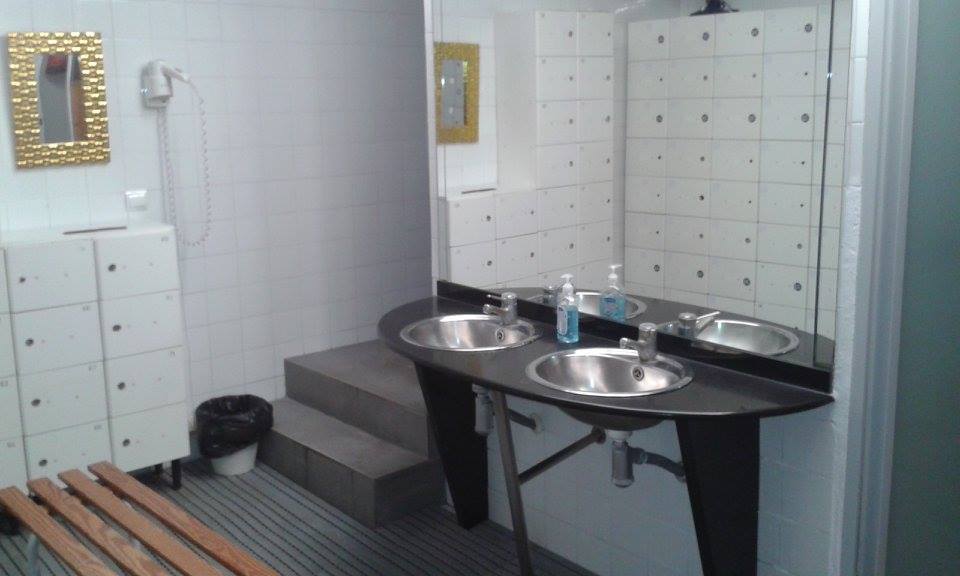
Gay sauna in the heart of Gay Village. Facilities at H2O include a Finnish sauna, steam room, jacuzzi, private cabins, video room, private lockers, showers and a café lounge area.
Keeping Manchester twisted RoB is a part of the successful chain of leather and fetish stores catering to gay men. They sell a wide variety of bondage, leather and rubber gear
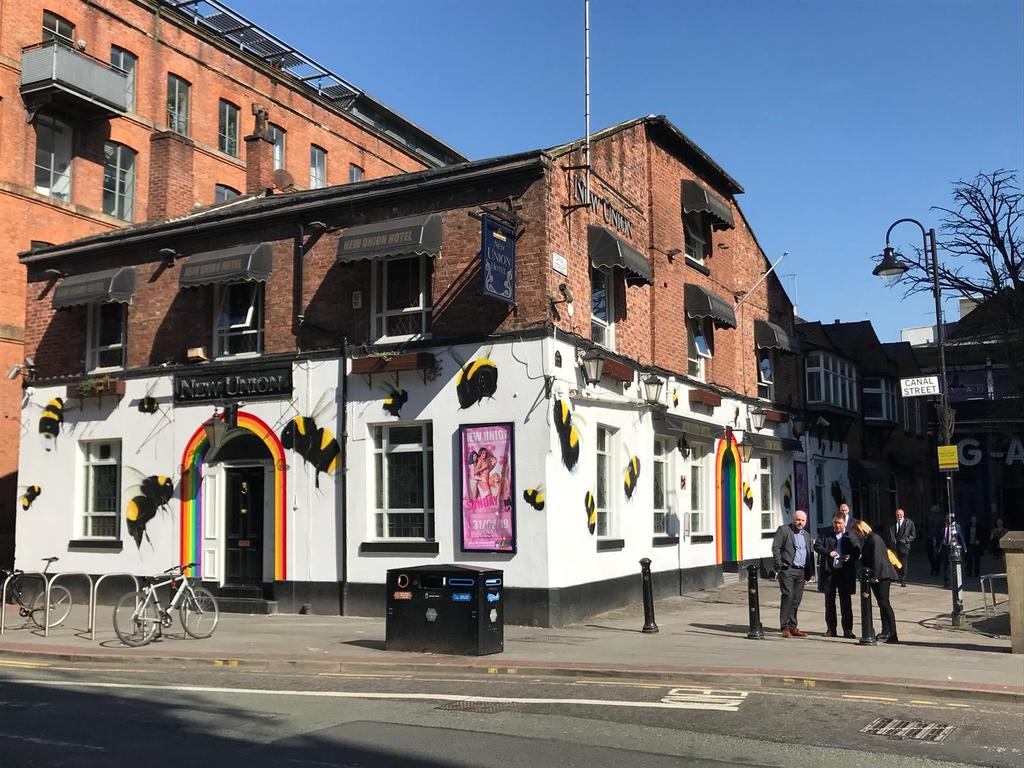
Manchester's oldest surviving gay pub, on Canal Street since the 1980s. A proper Manchester boozer — cheap drinks, drag nights, karaoke, a clientele that ranges from students to regulars who have…
Manchester's original gay hotel on Sackville Street at the edge of the Gay Village. Three-star, independently owned, bar and restaurant on site, steps from Canal Street.
Located opposite Oxford Road Station, this high-end Victorian hotel adjacent to The Palace Theatre is an 8-minute walk from the Manchester Central Convention Complex.
Italian cuisine in contemporary atmosphere One of the delights of the Village, Villaggio serves up excellent dishes such as Filleto alla Grigio (fillet steak with tomatoes and mushrooms), Penne…
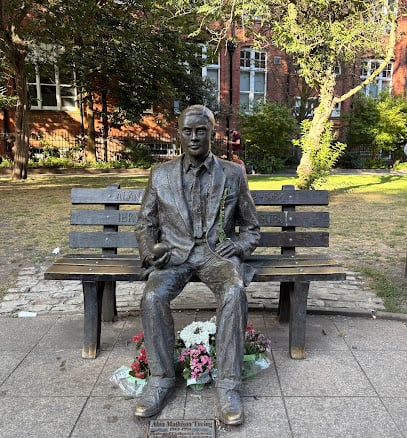
Glyn Hughes' bronze of Alan Turing seated with an apple, unveiled on his birthday in 2001 — between the university and the Gay Village, exactly where he belongs.
The UK's only permanent memorial to those lost to HIV/AIDS and those living with HIV — a decorated steel column overlooking Canal Street, erected 2000.
Manchester holds an important place in British LGBTQ+ history. The city was home to Alan Turing, the pioneering mathematician and computer scientist whose persecution under anti-homosexuality laws in the 1950s became a pivotal moment in debates around queer rights. The city also became a center of gay activism and culture from the 1970s onward, with the Manchester lesbian and gay community building institutions, media, and cultural spaces that influenced the broader movement.
The transformation of Canal Street from an industrial waterway to a gay quarter began in the 1980s and accelerated through the 1990s, driven partly by post-industrial regeneration and partly by the community's determination to create visible, safe public space. The section became officially recognized as the Gay Village, and while the terminology has evolved in modern discourse, Canal Street remains the symbolic and practical center of Manchester's LGBTQ+ scene.
NEIGHBORHOODS
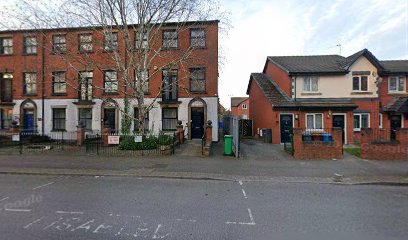
Canal Street and the surrounding Gay Village form the primary LGBTQ+ destination. This pedestrianized area runs roughly between Bridge Street and Portland Street, with the Rochdale Canal running alongside. The neighborhood is compact and walkable, with most venues within a few minutes' walk of each other. During the day, Canal Street has a relaxed cafe culture; at night it transforms into a bustling entertainment district.
The broader city center surrounding Canal Street is highly walkable and safe, with good lighting and regular foot traffic. Nearby neighborhoods like Deansgate and the Northern Quarter offer excellent restaurants, bars, and cultural venues with LGBTQ+-friendly establishments mixed throughout. The Northern Quarter, in particular, has become increasingly popular with younger LGBTQ+ residents and visitors seeking a more alternative atmosphere with independent cafes, vintage shops, and smaller venues.
KEY VENUES
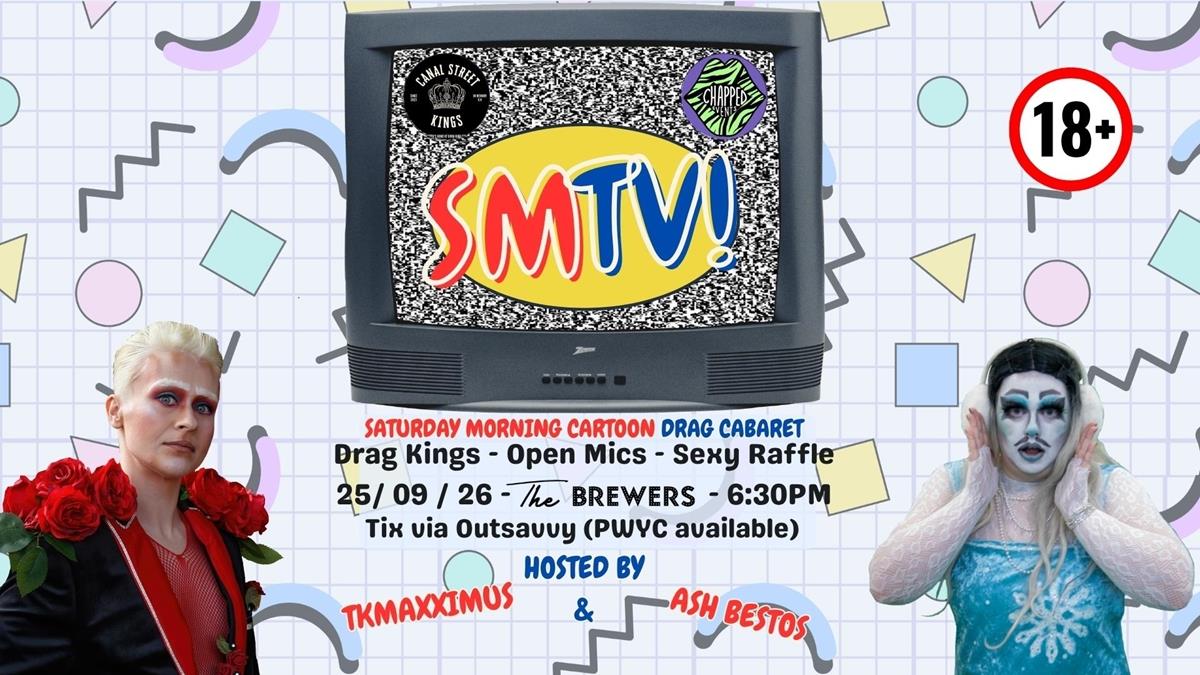
Canal Street and the streets immediately around it hold the densest concentration of gay venues in the UK outside London. Cruz 101 is the Village's flagship club, a long-running warehouse space playing commercial dance into the early hours, while G-A-Y draws a mixed, high-energy crowd most nights. Bloom, on the former AXM Club site on Bloom Street, is one of the newer big club rooms, and The New Union pairs a traditional pub with drag cabaret and a small hotel upstairs.
Along the canal itself, Via is the grande dame of the strip, a multi-level bar, club and cabaret venue open since the mid-1990s. Molly House brings a relaxed craft-beer and tapas feel, with the leather, men-only Company Bar downstairs, while Eagle Bar serves the leather, bear and fetish crowd from its industrial basement. New York New York, On Bar (in the former Manto space), Oscars, Iconic, Bar Pop and Napoleon's — one of the oldest gay venues in the country — round out the bars, and REM Bar on Sackville Street hosts cabaret at its Belinda Scandals showbar upstairs.
For quieter daytime drinks there are spots like Richmond Tea Rooms and Eden by the canal bridge, and the lesbian crowd has a long-standing home at Vanilla. The city's LGBTQ+ community infrastructure is anchored by the LGBT Foundation on Sackville Street, one of the UK's largest LGBTQ+ charities, alongside George House Trust (HIV support since 1985) and The Proud Trust, which runs the Manchester LGBT Centre.
Manchester's broader music and arts venues are highly LGBTQ+-inclusive. The Academy, O2 Apollo, and other major live music venues regularly host LGBTQ+ performers and events. The city's arts organizations, including the Royal Exchange Theatre and various galleries, actively program LGBTQ+ content.
MANCHESTER PRIDE
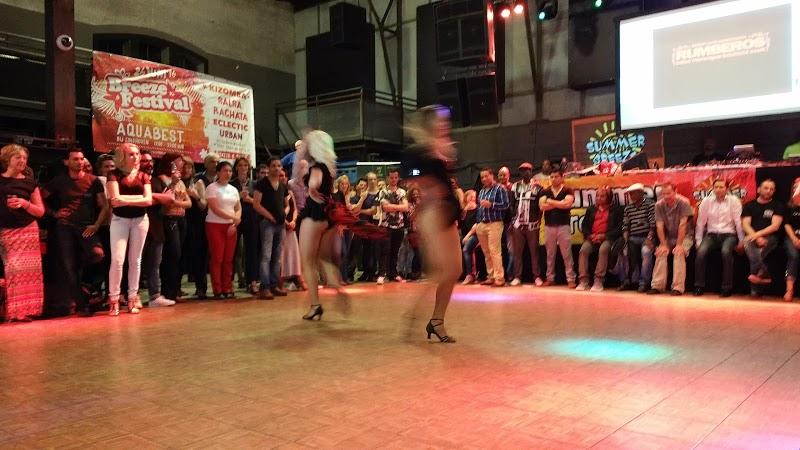
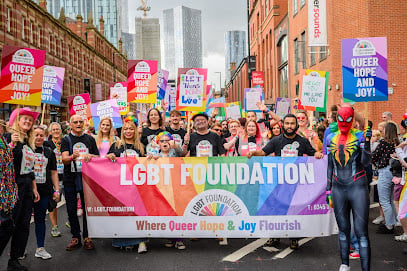
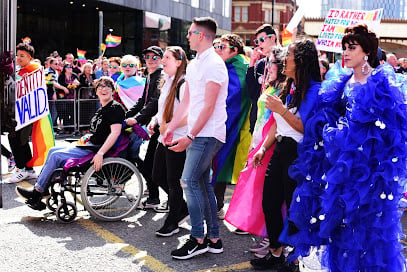
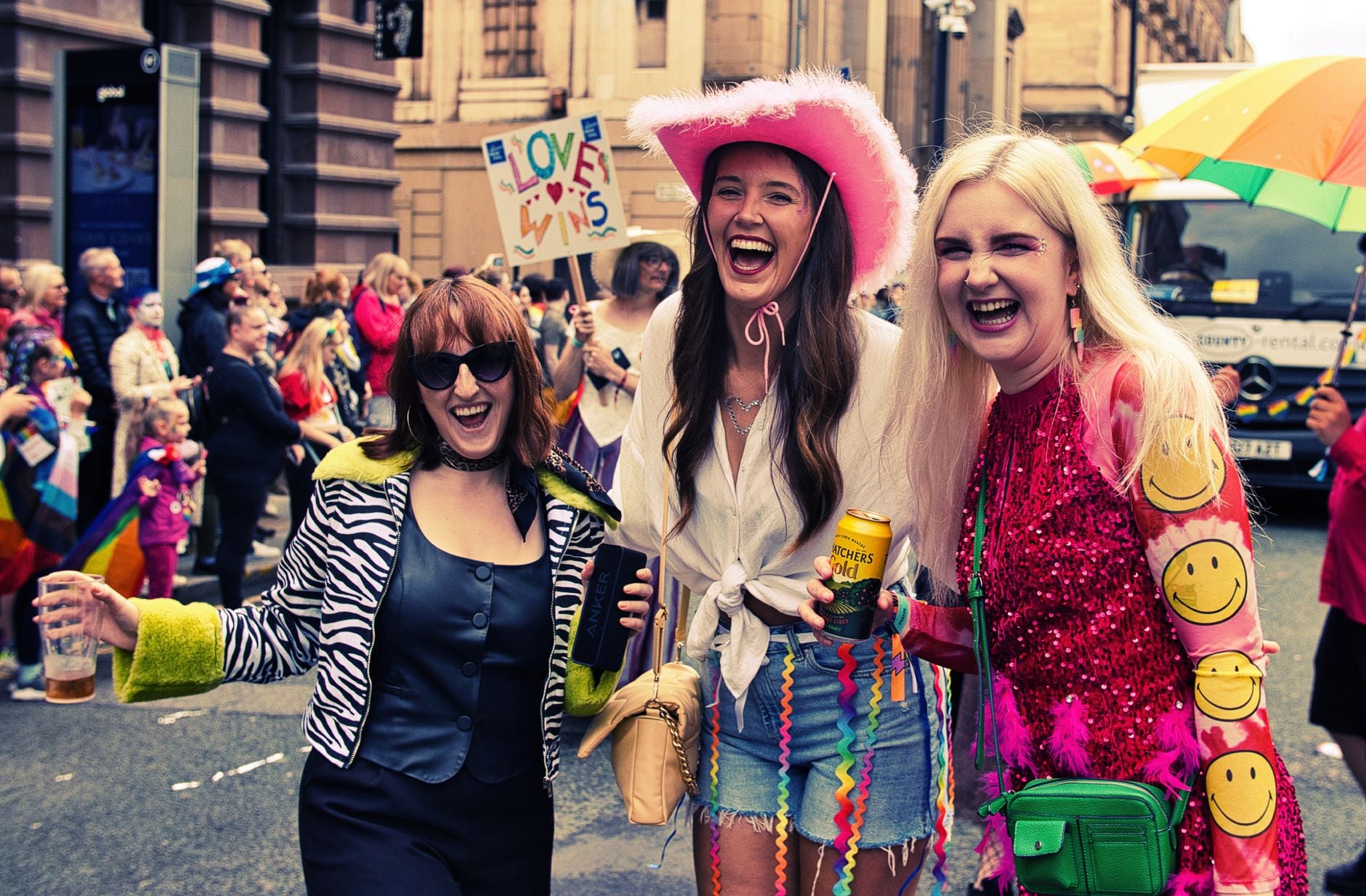
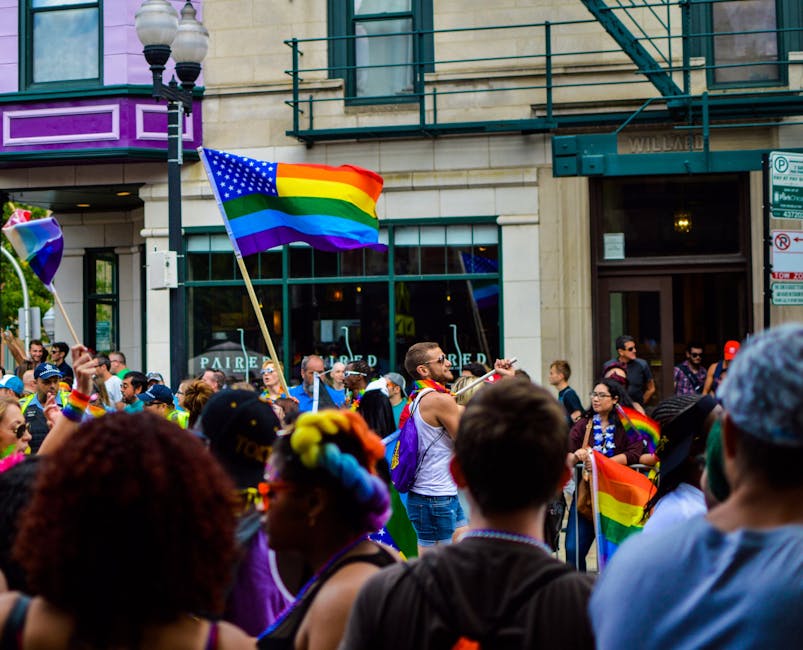
Manchester Pride takes place annually in August and is one of the UK's largest Pride celebrations outside London. The event has evolved into a multi-week festival with various events throughout the month, culminating in a massive street parade typically held in the final weekend of August. The parade attracts upwards of 500,000 visitors to the city, making it a major cultural event nationally. The parade route typically moves through the city center, and Pride Village, a ticketed festival area on Manchester Green near Canal Street, features live music, performances, and entertainment.
Pride & Events
Pride week includes a diverse range of programming: community workshops, film screenings, art exhibitions, club nights, theater performances, and more. The event has become increasingly professional and commercially significant over the decades, which brings both benefits (resources, safety measures, visibility) and critiques from some community members about commercialization.
Other regular events include Pride Live events and various club nights throughout the year. The city also hosts the Manchester Film Festival, which typically includes LGBTQ+ programming.
WHERE TO STAY
Visitors can stay directly on or near Canal Street in hotels like the New Union or Velvet, or various serviced apartments, which puts you in the heart of the action. However, these can be pricier and noisier due to nightlife.
Alternatively, staying in the broader city center—in areas like Deansgate, Spinningfields, or the Northern Quarter—provides easy access to Canal Street via short walks or the tram system, while offering a quieter base with more diverse neighborhood character. Hotels like the Premier Inn, Travelodge, and various mid-range chains are spread throughout the city center.
The Northern Quarter has become popular for LGBTQ+ visitors seeking a slightly less concentrated gay scene and more of a broader young, creative city vibe. This area is about a 15-minute walk from Canal Street and has excellent independent hotels, guesthouses, and Airbnb options.
Manchester city center is highly walkable, and most tourist attractions are within reasonable walking distance of each other. The Metrolink tram system connects the city center to outlying neighborhoods and Manchester Airport efficiently. Buses also serve the area comprehensively.
Canal Street itself is pedestrianized and can get very crowded on Friday and Saturday nights. Walking is the primary way to navigate the Gay Village, though the overall city center is flat and accessible.
TRANSIT TO MANCHESTER
Manchester Airport is a major international hub with direct flights from North America, Europe, and beyond. The Metrolink tram connects the airport directly to the city center in about 20 minutes. Alternatively, trains from London Euston take about 2 hours and arrive at Manchester Piccadilly station, which is within walking distance of Canal Street.
SAFETY
Manchester city center, including Canal Street and the broader Gay Village, is generally very safe with visible police presence, CCTV, and regular foot traffic. The area is well-lit and maintained. The nearby Deansgate and Spinningfields areas are similarly safe.
As in any city, standard urban safety practices apply: avoid isolated areas very late at night, travel with others when possible, and be aware of surroundings. Canal Street itself is secure and populated at all hours when venues are open.
The UK is a very safe country for LGBTQ+ travelers with strong legal protections and a welcoming cultural environment.
FOOD AND DRINK
Manchester has an excellent food scene beyond gay-specific venues. The city is known for its curry quarter, with several streets (particularly Curry Mile in Rusholme, south of the city center) offering outstanding South Asian cuisine. The Northern Quarter has numerous independent cafes, restaurants, and bars with diverse cuisines and LGBTQ+-friendly atmospheres.
On and around Canal Street, numerous restaurants and cafes serve everything from British fare to international cuisine. The Ivy Spinningfields and similar upscale venues are in nearby neighborhoods.
Manchester's pub culture is strong and welcoming; many pubs throughout the city center have LGBTQ+ customers and allies. The city also has a thriving coffee culture with many independent cafes, some of which have become informal community gathering spaces.
Manchester's location in Northwest England makes it a good base for exploring the region. The Peak District, a stunning area of natural beauty with hiking and villages, is accessible by car or train within 45 minutes to an hour. Towns like Buxton and Matlock in the Peak District offer outdoor recreation and picturesque scenery.
Liverpool, about 35 miles west, is accessible by train in roughly 35 minutes and offers its own LGBTQ+ scene, cultural attractions, and waterfront areas. The Lake District is roughly 90 minutes away by car and offers dramatic mountain scenery.
CHOICE OF VENUE AND CULTURE
Manchester's LGBTQ+ scene has a reputation for being more working-class and community-oriented than some other UK cities, with less pretension and more emphasis on fun and inclusivity. This manifests in the venue culture: dress codes are generally relaxed, prices are moderate, and the atmosphere tends toward genuine community gathering rather than posing or excessive commercialism, though the scene does vary by venue and night.
The city's creative, artistic reputation means there's significant overlap between the LGBTQ+ scene and broader arts and music communities. LGBTQ+ people are visible and integrated throughout the city's cultural institutions, not just contained within the Gay Village.
SUMMARY
Manchester offers visitors a substantial, genuine LGBTQ+ scene rooted in real community rather than primarily tourism. The city combines accessible urban pleasures—nightlife, restaurants, culture, shopping—with authentic queer community spaces and institutions. The scale is manageable and walkable; the atmosphere is welcoming; and the city's size makes it feel like a vibrant community rather than a gay theme park. The August Pride is a major event but not the sum total of the year-round scene. For travelers seeking an authentic British LGBTQ+ city experience with strong nightlife and cultural offerings, Manchester delivers.
Frequently asked questions
The main LGBTQ+ area is the Gay Village, primarily concentrated around Canal Street and the surrounding streets like Sackville Street and Little Sackville Street.
Manchester Pride is held annually in August and lasts for approximately ten days. It is one of Europe's largest pride celebrations.
The Gay Village has historically included a variety of venues such as dance clubs, quieter pubs, cocktail lounges, and leather bars. Specific venues can change, so checking current listings is recommended.
Yes, Manchester's LGBTQ+ scene is recognized as one of Europe's most welcoming and politically engaged. The Gay Village is a visible neighborhood that became a symbol of LGBTQ+ resilience and community pride.
Yes. Sackville Gardens, the small park beside Canal Street, is home to the Alan Turing Memorial, honouring the wartime codebreaker and computing pioneer, and the Beacon of Hope, the UK's first permanent memorial to people living with and affected by HIV and AIDS. The gardens are a quiet gathering place at the heart of the Gay Village.
Canal Street is pedestrianized and becomes a social hub, especially on weekend evenings when crowds gather outside bars and spill onto the street.
Your privacy choices.
We use cookies to run GayOut and, with your consent, measure usage. Learn more
Your privacy choices
We use cookies to keep GayOut running, remember your preferences, and (with your permission) measure how the site is used. You can accept all, reject all, or pick what you allow. Learn more
Essential
Required for sign-in, fraud prevention, CSRF protection and remembering your language. Cannot be disabled.
Always on
Remembers your favourites, dark mode and other interface preferences across visits.
Helps us understand which pages people visit (Google Analytics, server-side stats) so we can improve.
Used by campaign tracking pixels. None are active right now, reserved for future use.
Install GayOut
Add GayOut to your home screen for faster access, offline favourites, and Pride alerts.














 Gay Bars & Clubs
Featured
(222)
Gay Bars & Clubs
Featured
(222)