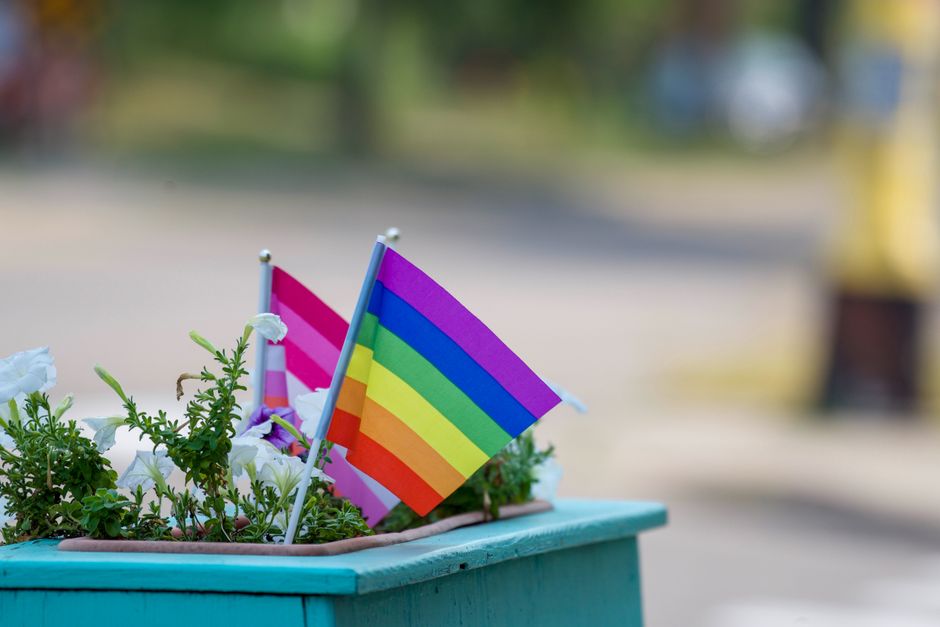
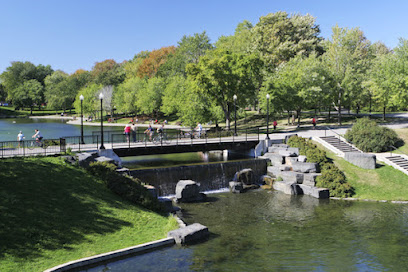
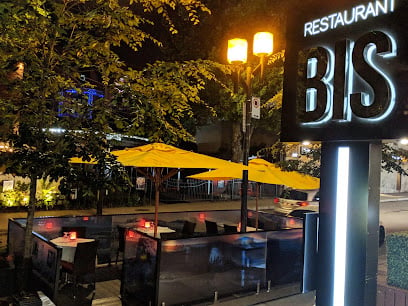
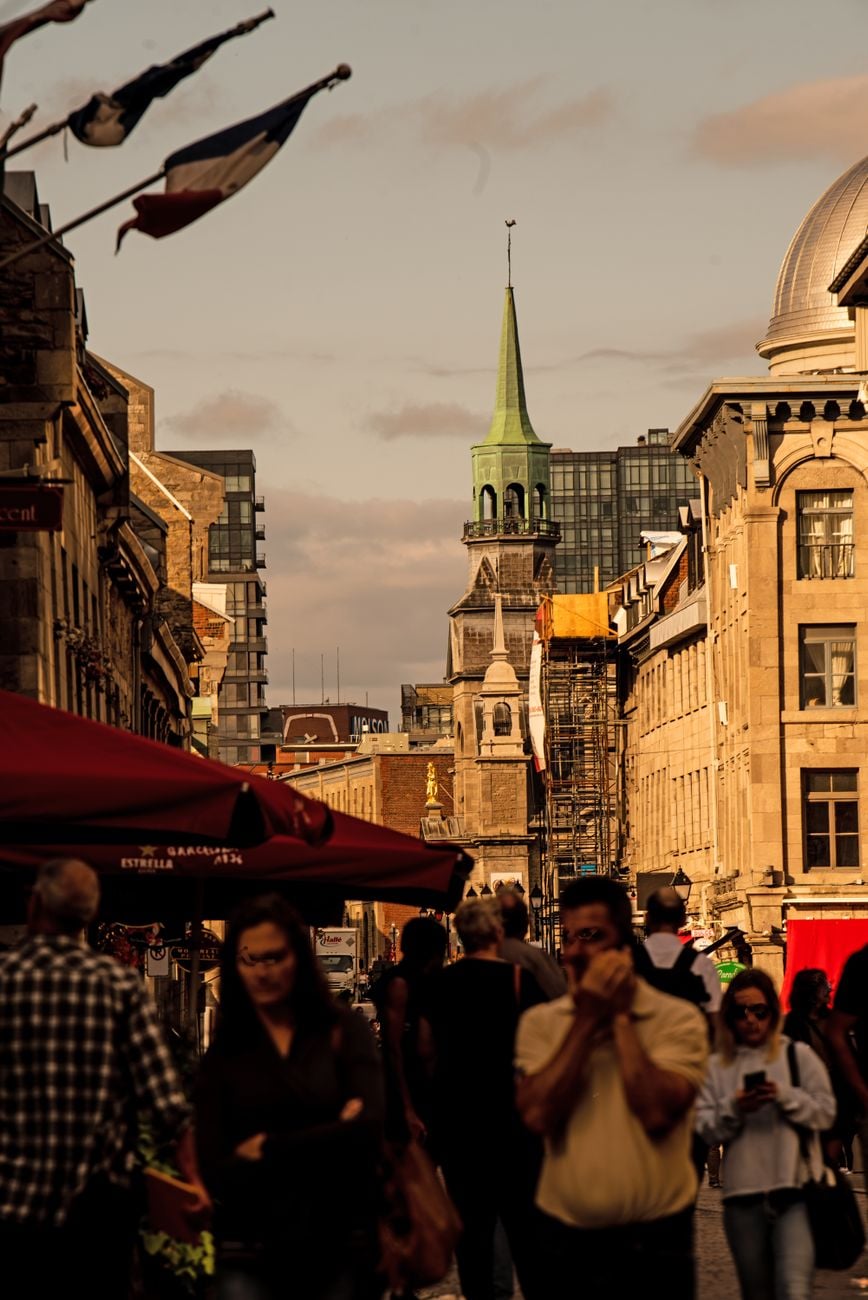
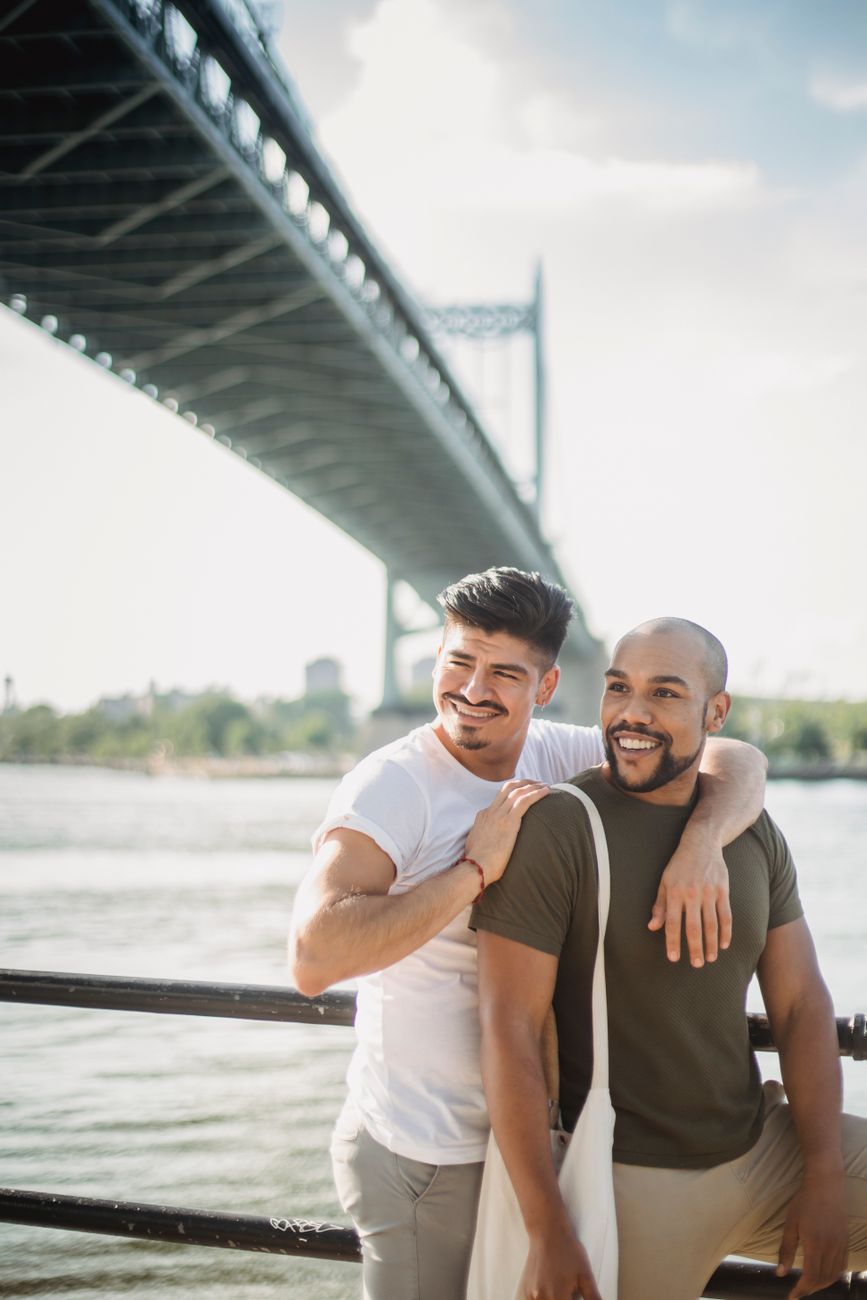


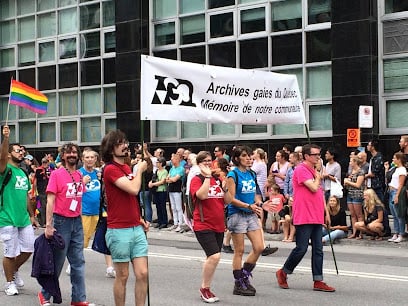
Montreal Pride in August is one of the biggest in North America. Summer is vibrant on the Village strip. Winters are cold but the scene continues indoors.
Montreal's LGBTQ+ community has a history extending back decades, with its modern focal point emerging in the 1970s and 1980s around Rue Sainte-Catherine Est in the Marais district. Quebec's distinct cultural landscape, influenced by French attitudes toward personal freedom, has contributed to the city's open approach to LGBTQ+ rights. Canada legalized same-sex marriage in 2005, and Montreal has been a significant center for LGBTQ+ visibility and advocacy. The city's queer community includes both English and French speakers, with distinct but interconnected social circles.
Neighborhoods
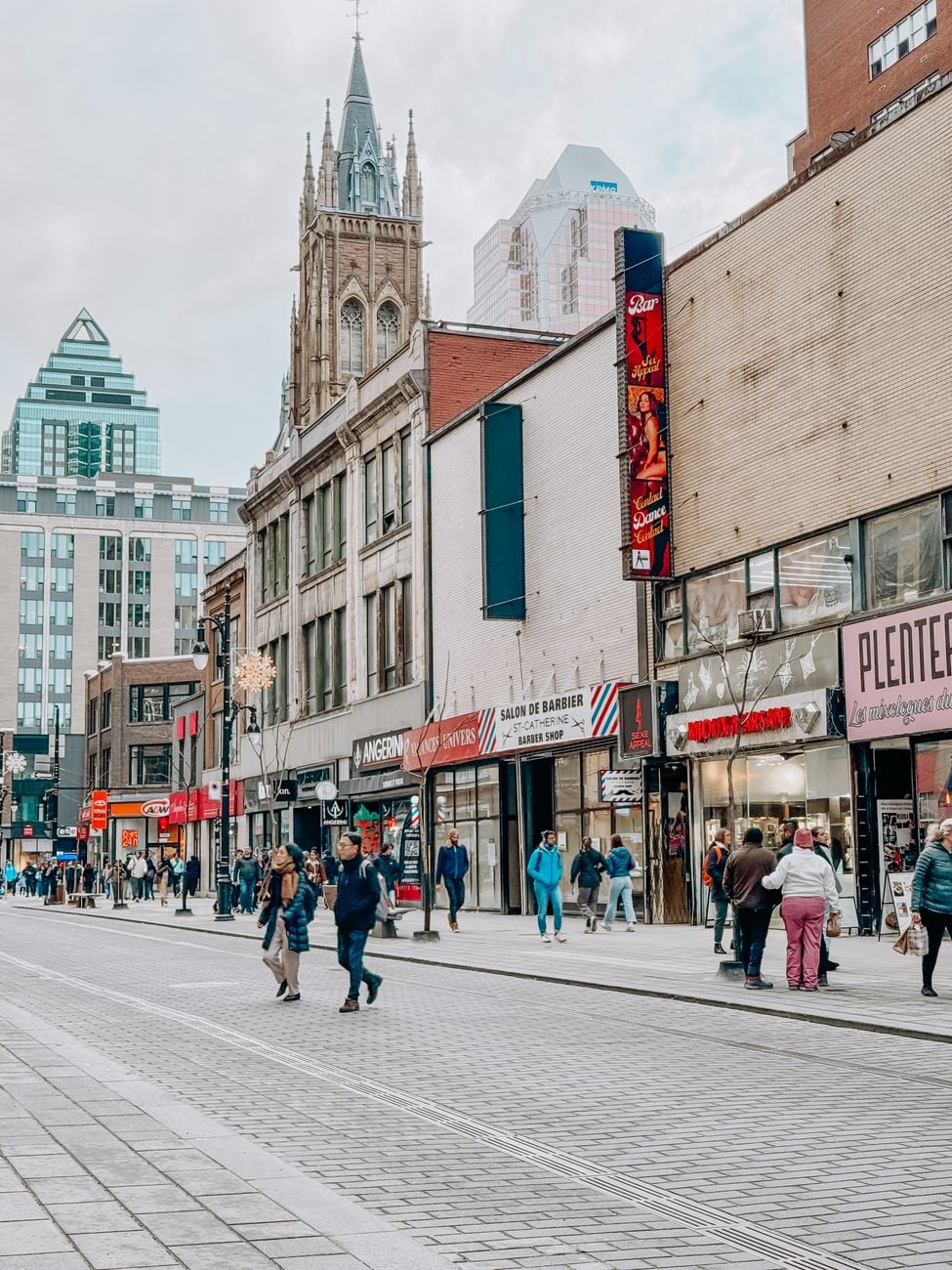
The Gay Village, known locally as Le Village Gai, is the primary LGBTQ+ hub. It's situated in the Marais district, stretching along Rue Sainte-Catherine Est between Rue Amherst and Boulevard de Maisonneuve. This area concentrates most LGBTQ+-focused bars, clubs, and businesses. The neighborhood has a street-level feel with outdoor seating on terraces during warmer months and considerable pedestrian activity. It is easily navigable on foot and generally feels secure, with a noticeable police presence during busy periods.
Downtown Montreal and the Plateau Mont-Royal also host LGBTQ+ populations and venues, though less concentrated than the Village. The Plateau is recognized for its artistic atmosphere, independent shops, and a younger creative demographic. Downtown offers more upscale dining and cultural establishments with welcoming environments.
Venues and Nightlife
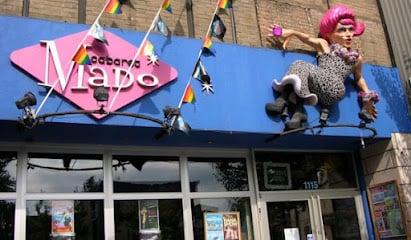
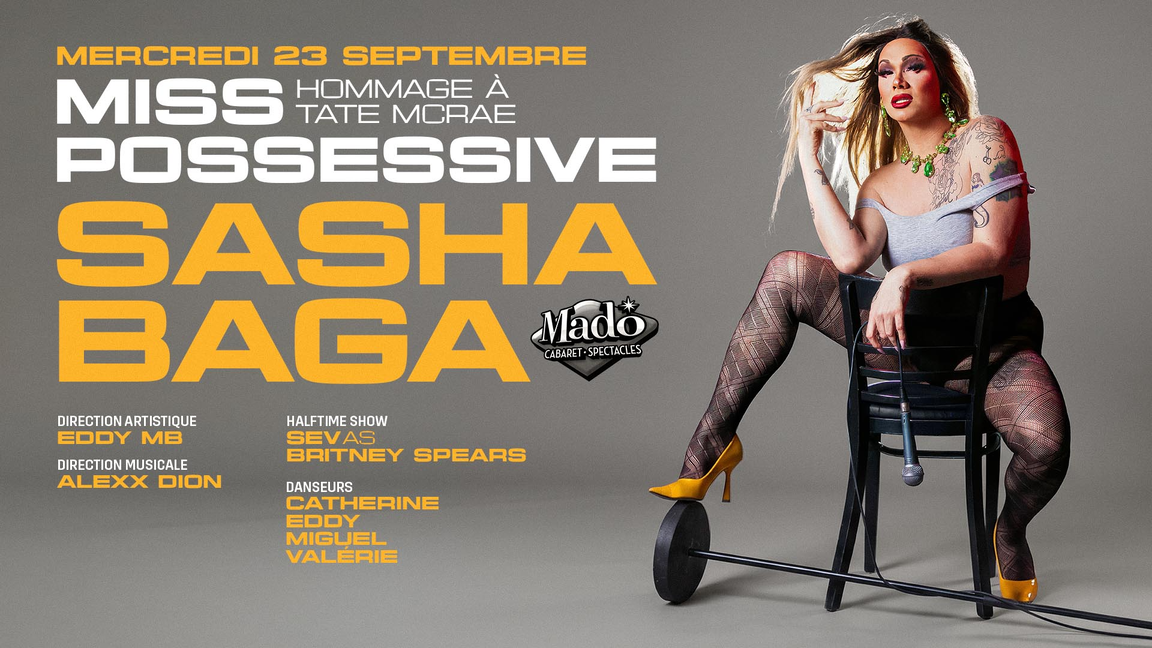
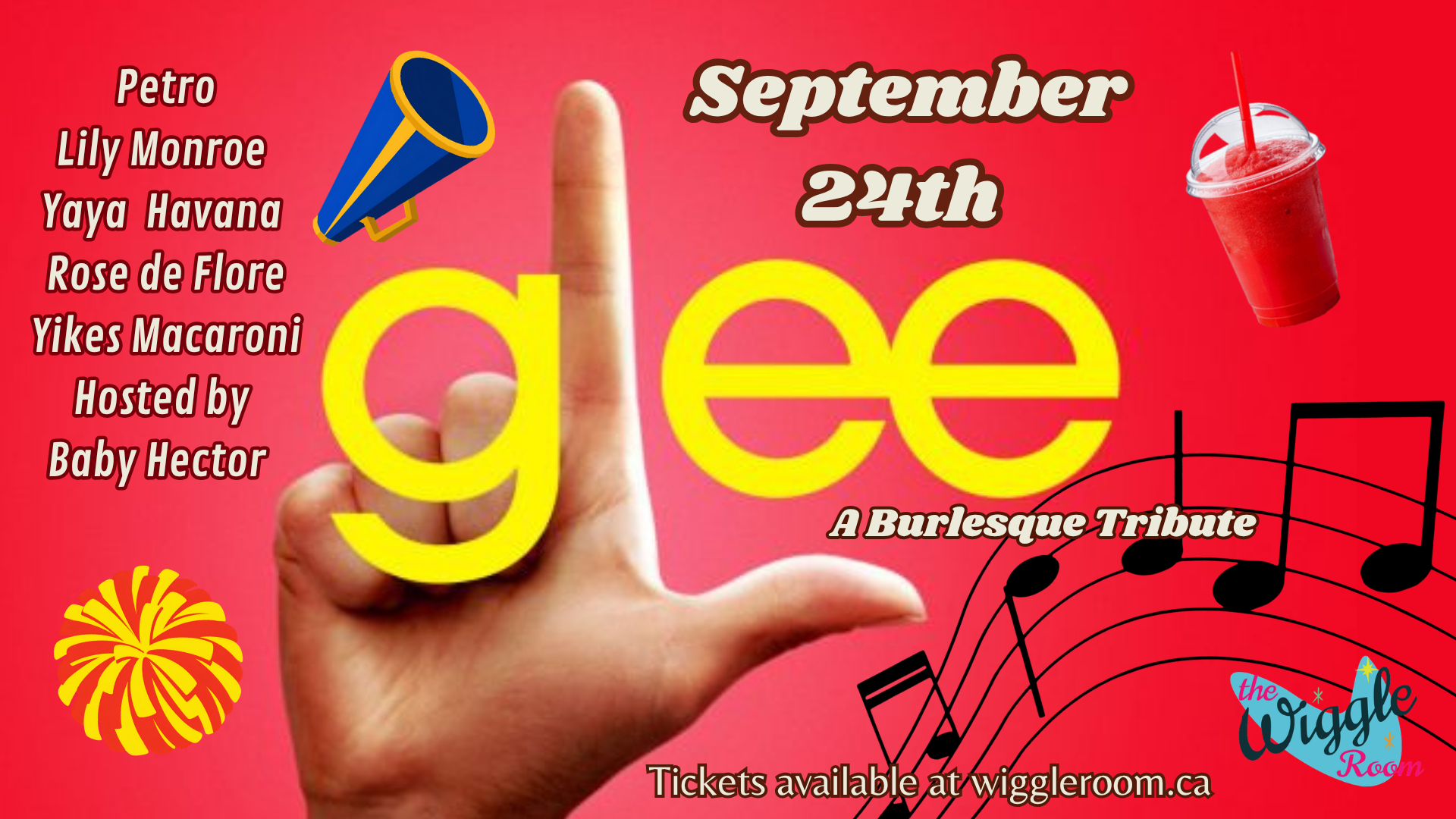
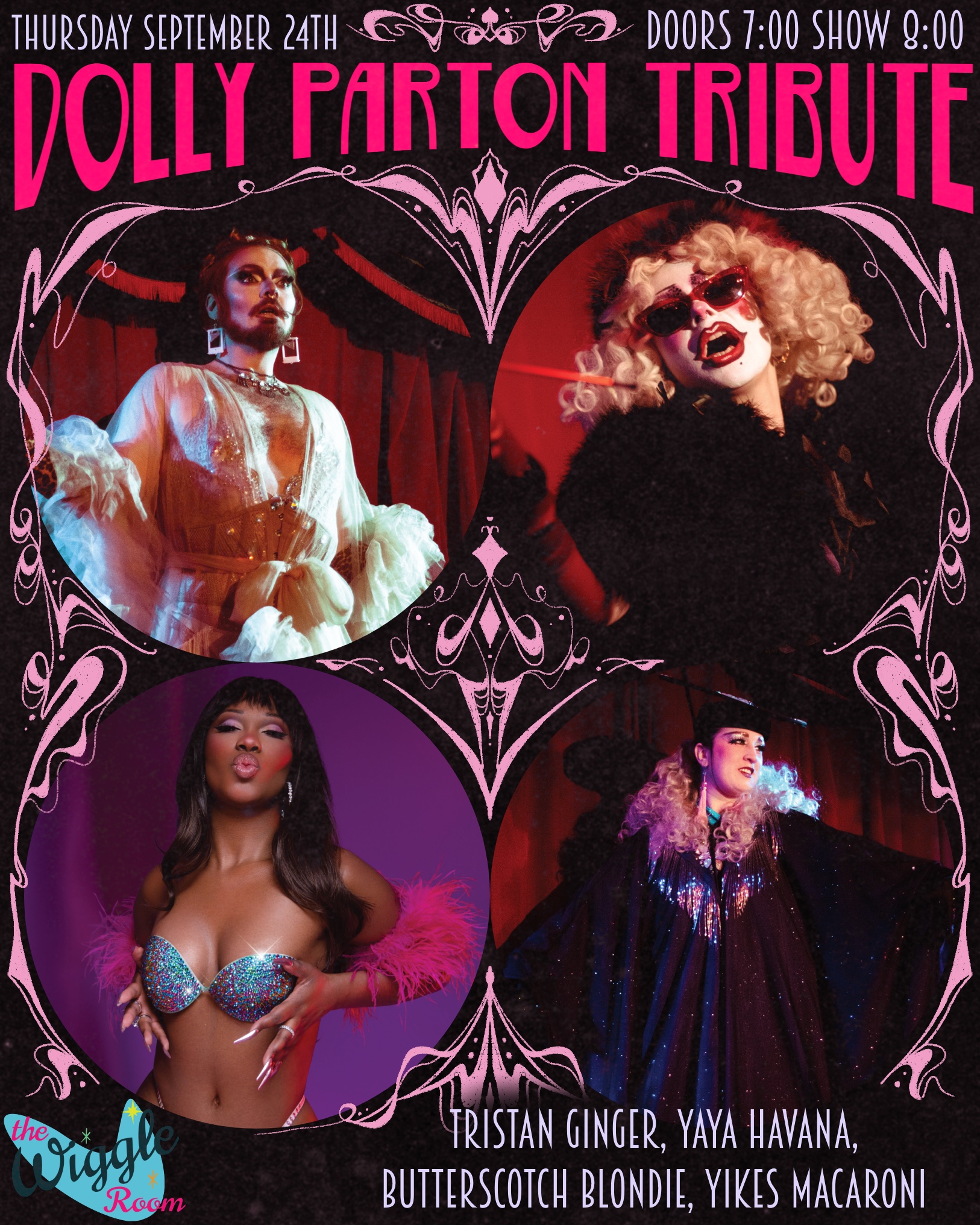
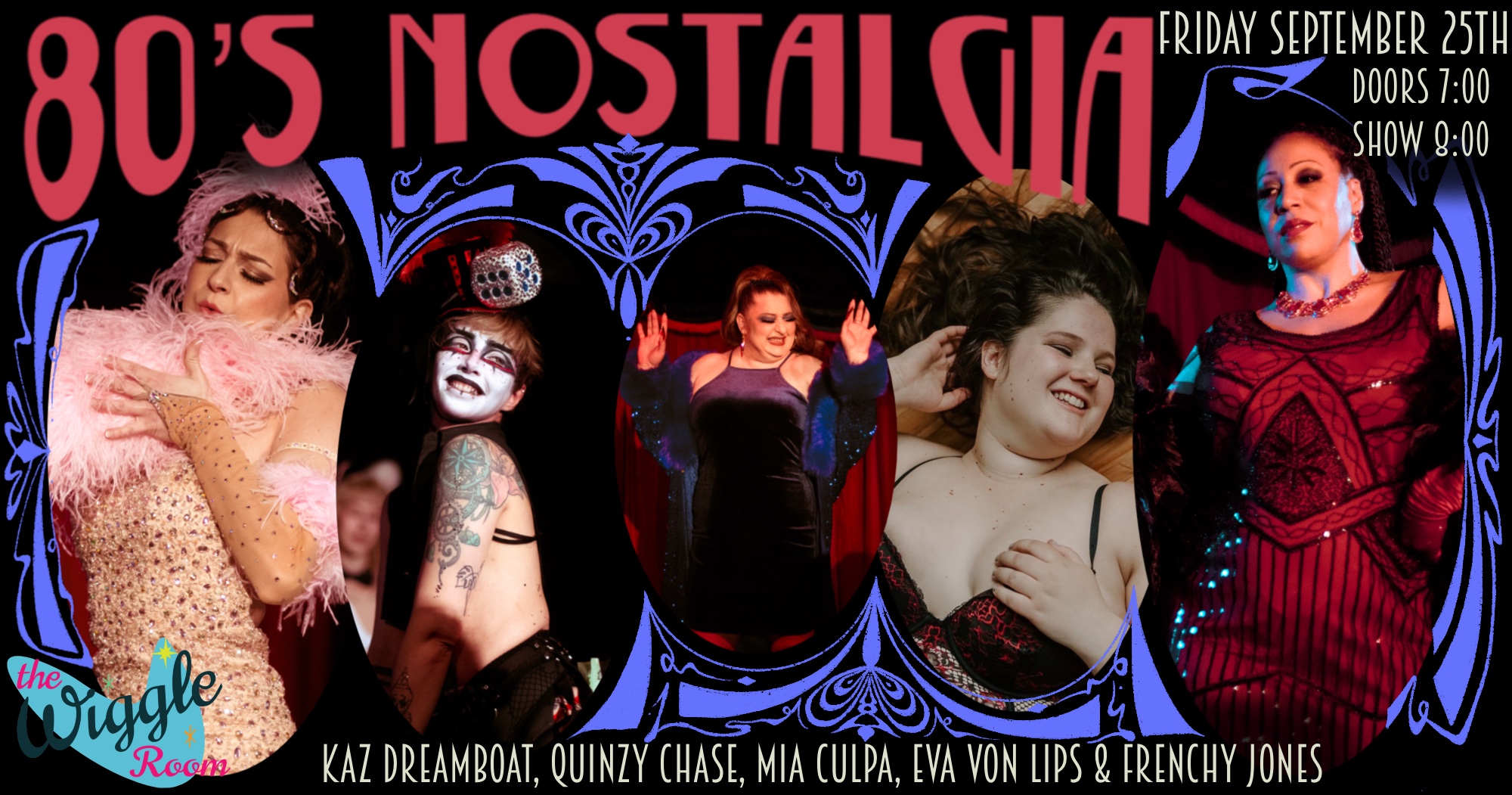
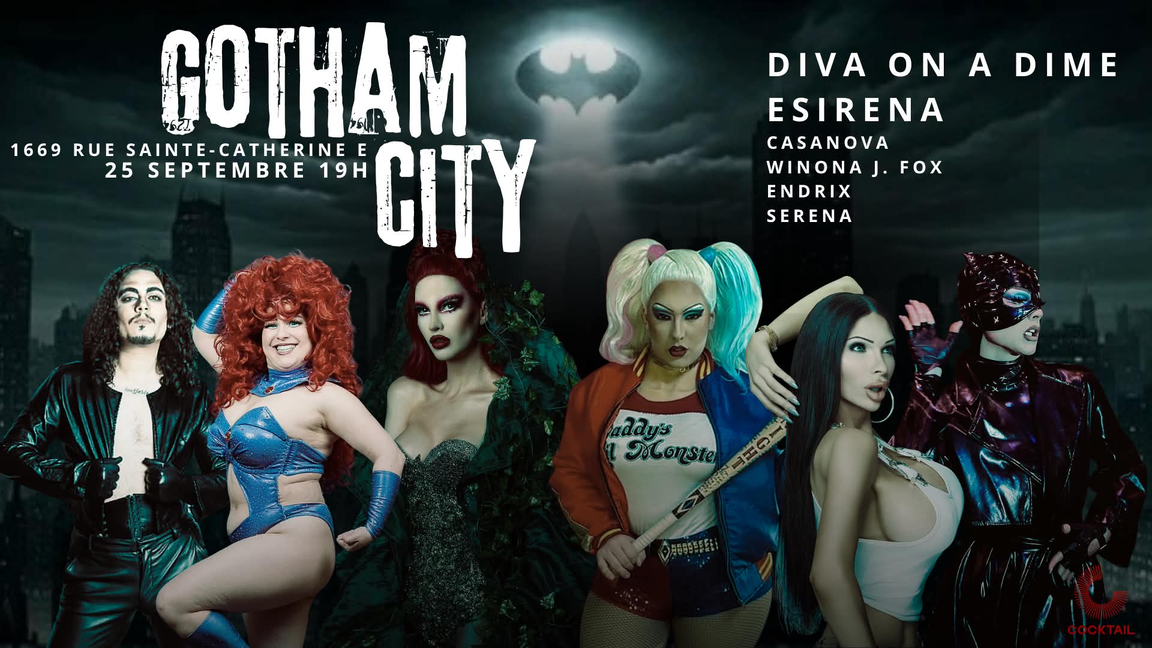
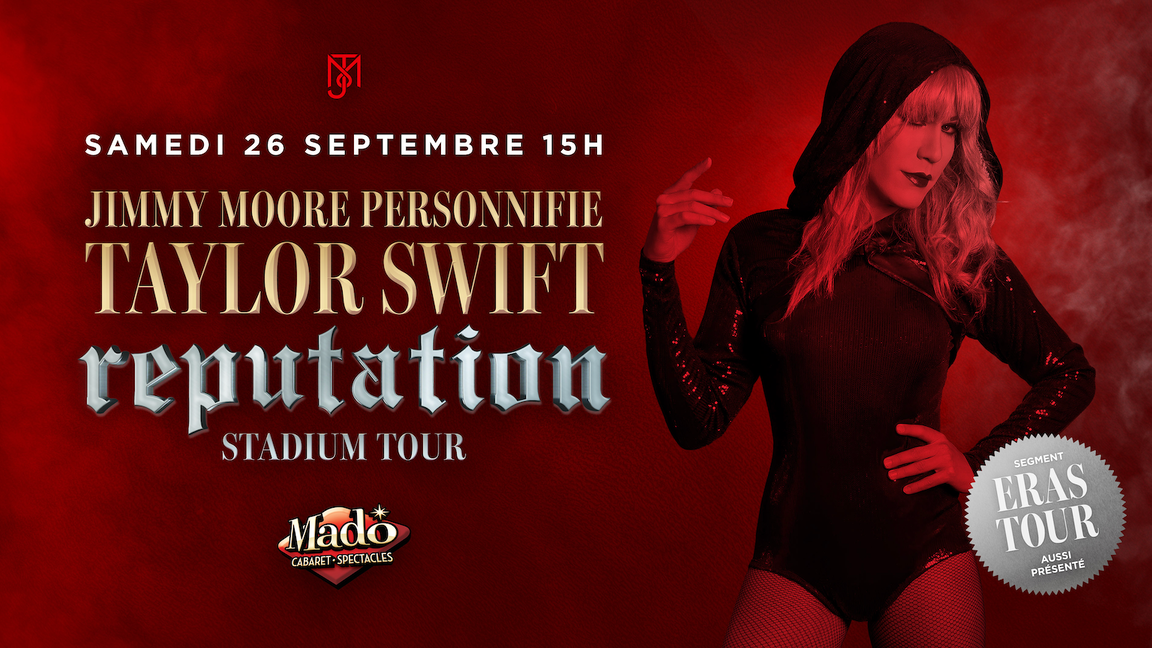
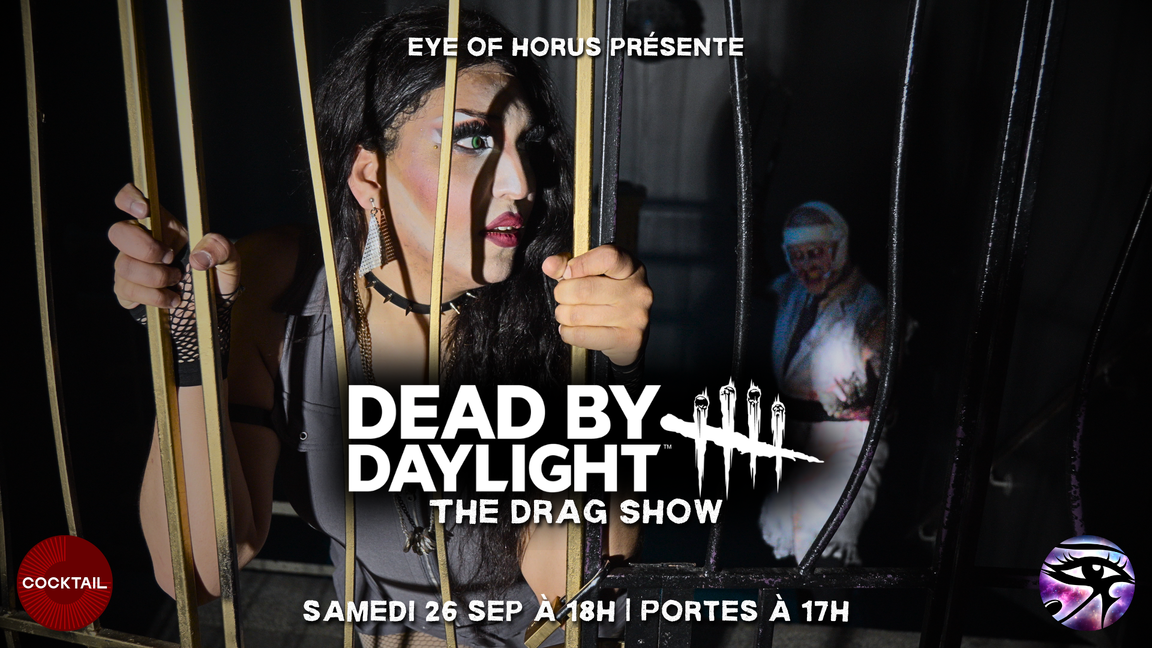
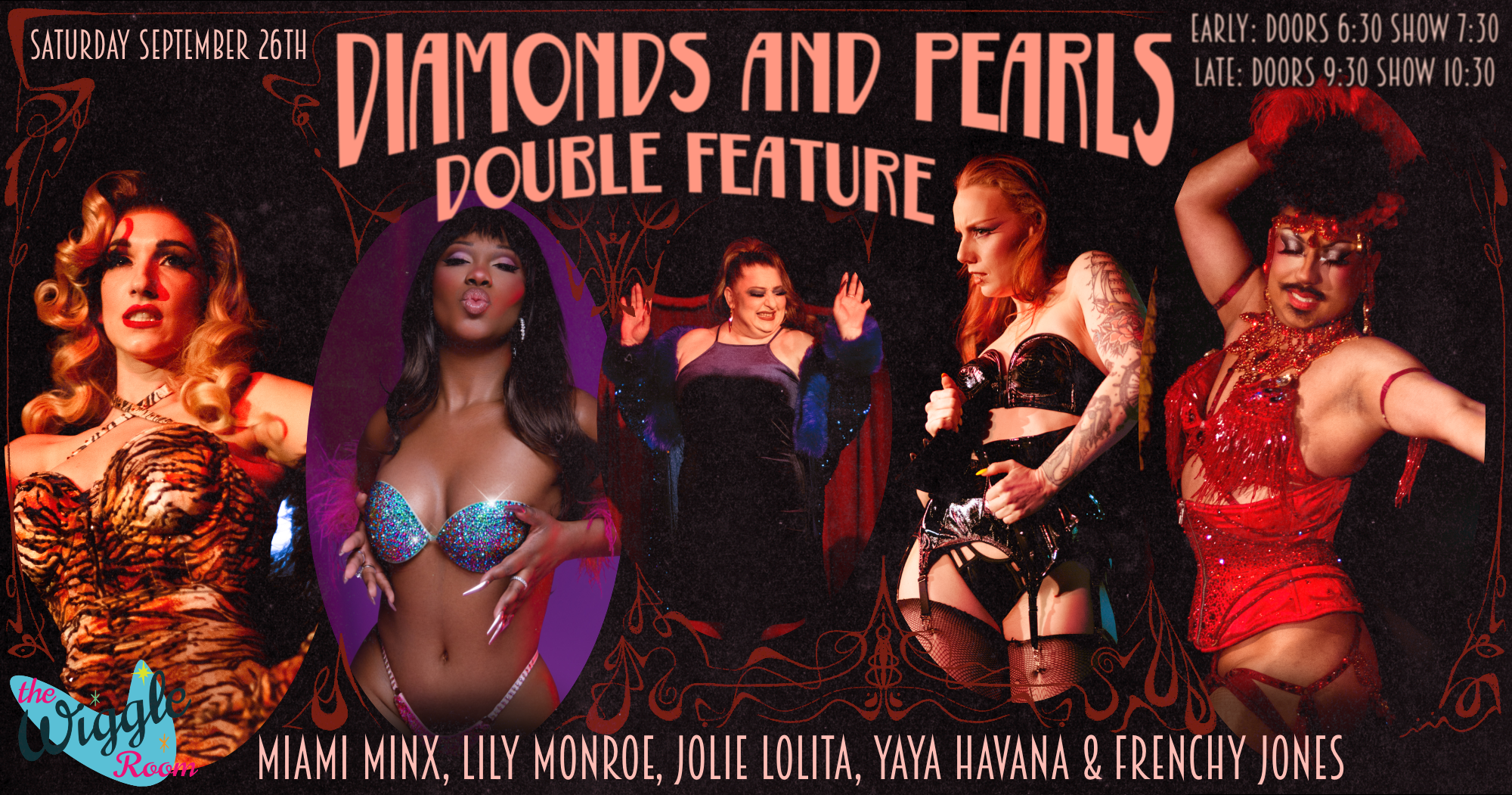
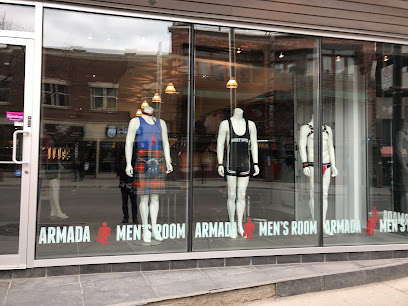
The Village hosts a variety of bars and clubs. Mado, a long-established drag venue and nightclub, and Stereo, a significant dance club, are notable examples, alongside numerous smaller establishments along Rue Sainte-Catherine. The bar scene ranges from relaxed neighborhood pubs to energetic dance venues. Most are within walking distance, facilitating bar hopping. Many venues feature drag performances, live music, or DJ sets, especially on weekends.
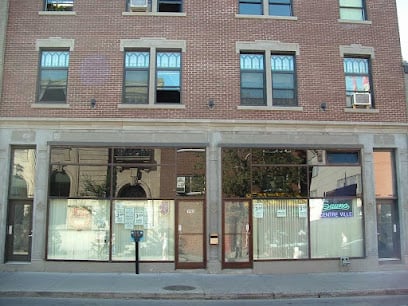
Beyond the Village, LGBTQ+-friendly venues can be found throughout Montreal. Information on current sauna options is best found through online research as these establishments can change. The nightlife scene is most active from Thursday through Sunday, with peak activity on weekends.
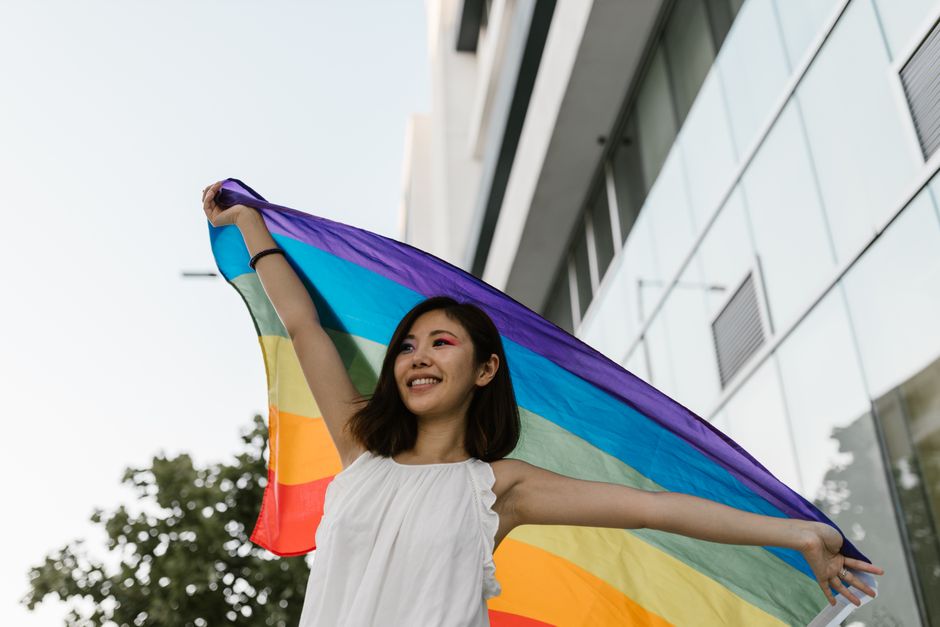
Montreal Pride Festival usually takes place in August and is a major North American LGBTQ+ celebration, attracting large crowds. The festival features multiple performance stages, parties, and a significant parade that typically travels through downtown and the Village. Pride week includes numerous associated parties and events at venues across the city.
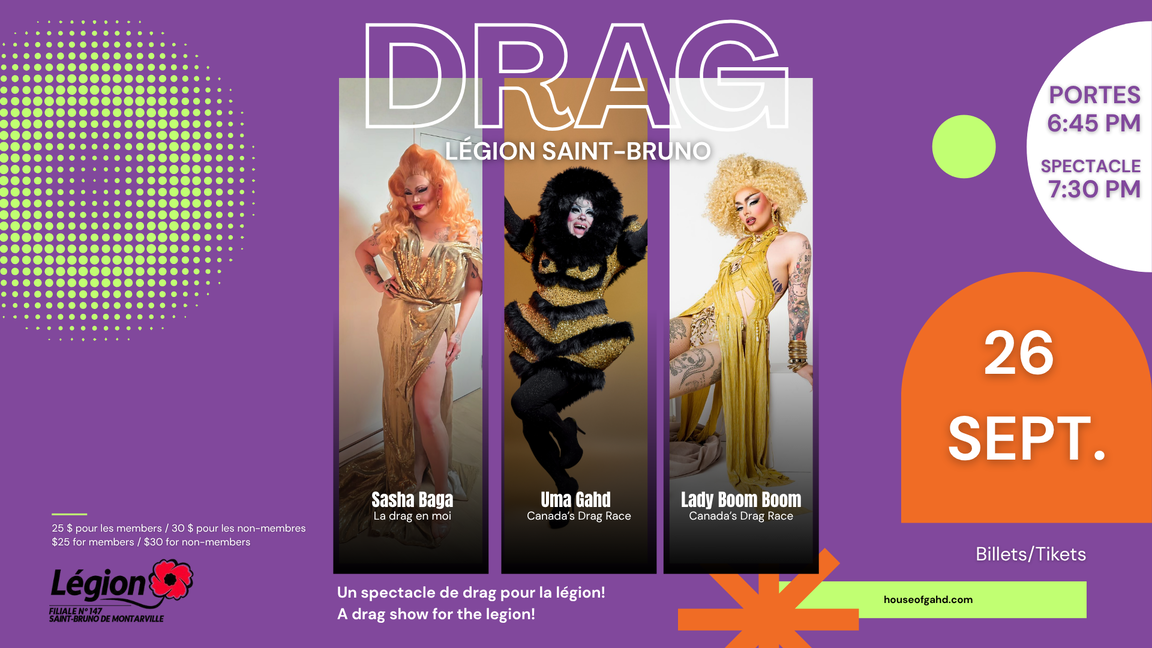
Other LGBTQ+-focused events include film festivals, various drag competitions and performances throughout the year, and community gatherings. The city's cultural programming often includes LGBTQ+-themed content at theaters and music venues.
Where to Stay
Many visitors choose to stay in or near the Gay Village for convenient access to venues and nightlife. Hotels, Airbnbs, and guesthouses are available in the area. Staying in the Village offers immersion in the queer scene, while some travelers may prefer downtown or the Plateau for different atmospheres.
Downtown Montreal provides mainstream hotel options within a short walk or metro ride of the Village. The Plateau offers boutique accommodations with a more residential and artistic character.
Montreal's metro system is an efficient way to travel between neighborhoods. The Village is easily accessible via the Beaudry metro station. Most LGBTQ+ venues are concentrated within the walkable Village area, though some are located downtown or in the Plateau. Taxis and rideshare services are readily available. The city is also bikeable during warmer months. Once oriented, most distances are manageable on foot.
Safety Considerations
Montreal is generally a safe city for LGBTQ+ travelers, with established legal protections and a visible queer community. The Gay Village feels secure, with a noticeable police presence. Standard urban safety practices are recommended: avoid isolated areas late at night, be aware of your surroundings, use registered taxis or rideshare services, and travel in groups when possible. Petty crime can occur in tourist areas, so it is advisable to secure belongings and avoid displaying excessive valuables. In nightlife settings, it is wise to look out for friends and avoid leaving drinks unattended.
Food and Culture
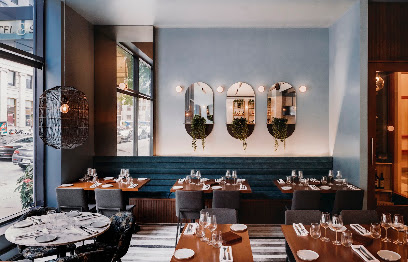
Montreal is celebrated for its culinary offerings. The Gay Village and surrounding areas feature a range of restaurants, from casual to fine dining. Local specialties like Montreal bagels and smoked meat are worth trying. The city's food culture blends strong Francophone traditions with international influences. Beyond dining, Montreal offers museums, galleries, live music venues, and cultural events. The city's creative energy is evident throughout its arts scene.
Day Trips
Accessible day or overnight trips from Montreal include the Laurentian Mountains, located about an hour north, offering outdoor recreation and scenic views. Old Quebec City, approximately three hours away by car or bus, provides historic architecture and its own LGBTQ+ scene.
Practical Information
Canada's currency is the Canadian dollar. Both English and French are widely spoken in Montreal, with French being more prevalent. Pierre Elliott Trudeau International Airport serves air travelers. Amtrak and VIA Rail provide train service, and the city is accessible by car and bus.
The best time to visit depends on individual priorities. August offers the Pride Festival and summer weather, though it is also peak tourist season. Summer generally (June-September) provides warm weather and outdoor activities. Winter can be cold but offers festive holiday programming and fewer crowds. Spring and fall offer moderate weather and fewer tourists.
Frequently asked questions
Montreal is considered a proudly queer city where LGBTQ+ identities are celebrated and integrated into mainstream culture. The Quebec provincial government has historically been supportive of LGBTQ+ rights and maintains progressive policies.
The Marais, also known as the Gay Village or Village Gai, is the epicenter of Montreal's LGBTQ+ scene. It is located on and around Rue Sainte-Catherine Est between Rue Berger and Boulevard de Maisonneuve.
Sky Pub and Club Sauna are among the more established venues in the Gay Village. The village has numerous casual bars, cafes, and venues that feature themed nights.
Yes, Downtown Montreal and areas near Mount Royal host additional bars and restaurants with welcoming atmospheres. The city's underground music scene also includes queer DJs and promoters who organize dance events in various venues.
The provided guide does not specify the dates for Montreal's Pride celebration.
Beyond nightlife, visitors interested in LGBTQ+ culture can explore exhibitions at the Musée des Beaux-Arts and other major museums. The city also has a thriving theater and comedy scene.
Your privacy choices.
We use cookies to run GayOut and, with your consent, measure usage. Learn more
Your privacy choices
We use cookies to keep GayOut running, remember your preferences, and (with your permission) measure how the site is used. You can accept all, reject all, or pick what you allow. Learn more
Essential
Required for sign-in, fraud prevention, CSRF protection and remembering your language. Cannot be disabled.
Always on
Remembers your favourites, dark mode and other interface preferences across visits.
Helps us understand which pages people visit (Google Analytics, server-side stats) so we can improve.
Used by campaign tracking pixels. None are active right now, reserved for future use.
Install GayOut
Add GayOut to your home screen for faster access, offline favourites, and Pride alerts.