Equador legalized same-sex marriage in 2019, a milestone that significantly bolstered LGBTQ+ rights and visibility in Quito. Prior to this, the community operated in a more cautious environment, though Quito has always been more progressive than many Ecuadorian cities. The capital's LGBTQ+ scene developed gradually through the 2000s and 2010s, with La Mariscal emerging as the primary gay neighborhood by the mid-2010s. Today, while Ecuador remains a Catholic-majority nation with some conservative attitudes in rural areas, Quito itself is notably accepting and cosmopolitan.
La Mariscal: The Heart of Gay Quito
La Mariscal (officially the neighborhood of Mariscal Sucre) is the undisputed center of Quito's LGBTQ+ scene. Located north of the historic center, this district spans roughly twenty blocks and encompasses most gay-friendly venues. The main commercial strips run along Calles Reina Victoria, Juan León Mera, and Amazonas. The neighborhood itself is vibrant and touristy, filled with backpacker hostels, restaurants, travel agencies, and shops—making it easy for LGBTQ+ visitors to blend in and move around freely.
Calles Reina Victoria and Juan León Mera host the densest concentration of gay venues. Walking these streets in the evening, one sees rainbow flags displayed at multiple establishments, making it easy for visitors to identify friendly spots. The neighborhood is generally safe, especially in the main commercial blocks; however, like any urban area, visitors should avoid flashing expensive items or walking alone late at night in poorly lit areas.
La Floresta, a historic residential neighborhood adjacent to La Mariscal, has also seen growing LGBTQ+ interest, with some boutique hotels, cafés, and restaurants catering to gay travelers. This area offers a more residential, less touristy feel while remaining close to main attractions.
Key Venues and Nightlife
Quito's gay bar and club scene is relatively modest compared to larger South American cities, but options exist for most tastes. Venues tend to be concentrated in La Mariscal and vary by night—some are busier on weekends, others cater to specific crowds on certain evenings.
Bars and lounges in La Mariscal range from casual beer bars where locals and expats mingle to upscale cocktail lounges. Many venues are small and intimate rather than massive clubs; this is typical for Quito given the city's population and tourism infrastructure. Specific venues change periodically due to market shifts, so checking current travel blogs, LGBTQ+ travel forums, or asking at your hotel is advisable before heading out.
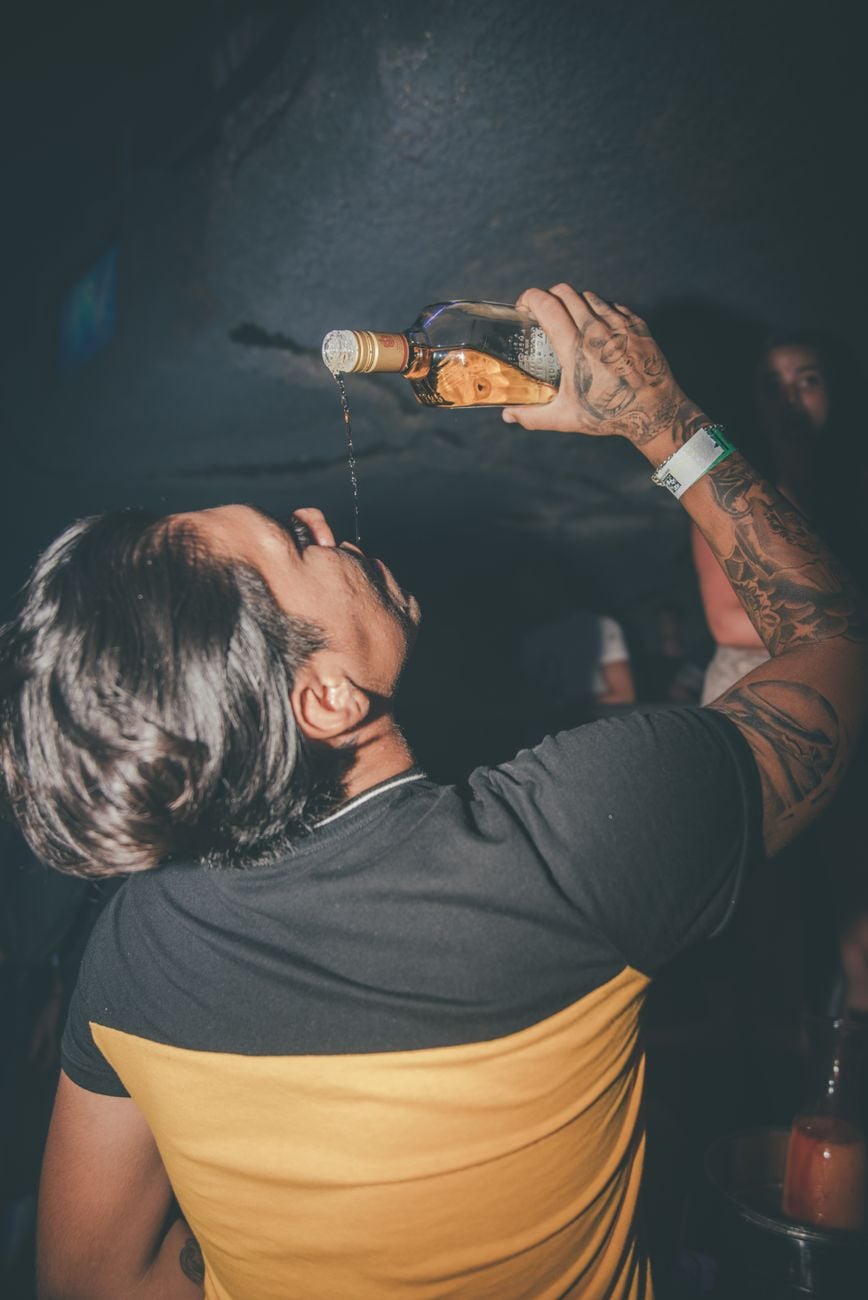
Dance clubs do exist in La Mariscal and operate primarily Thursday through Saturday nights, with some venues staying open until 3 or 4 AM. Ecuadorian music, reggaeton, and international dance hits are standard fare. Cover charges are typically modest (3-8 USD), and drinks are reasonably priced by international standards.
Saunas catering to men who have sex with men do operate in Quito, though they are not extensively advertised in tourist materials. These venues serve primarily local clientele and are best discovered through local LGBTQ+ networks or online travel forums.
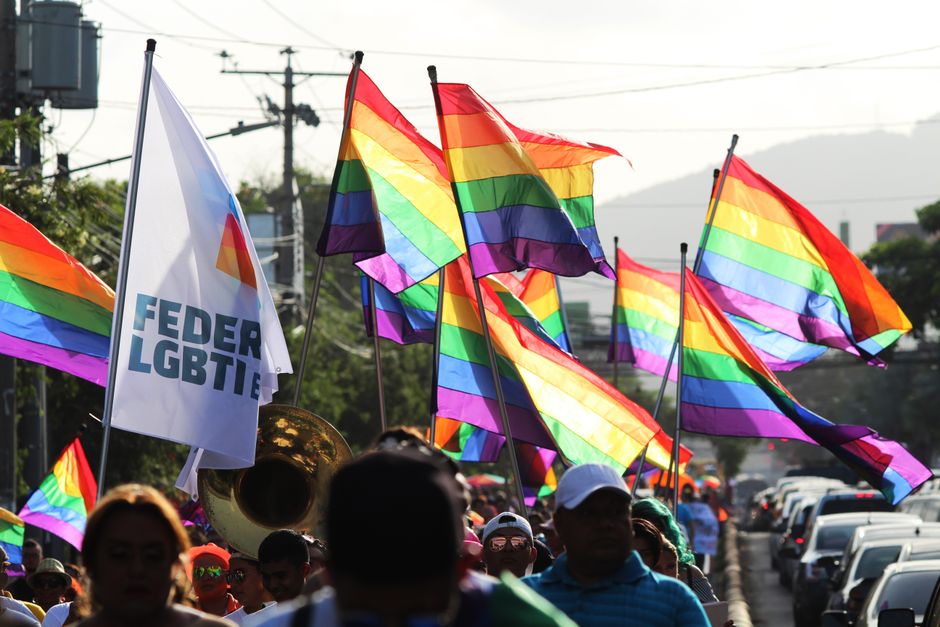
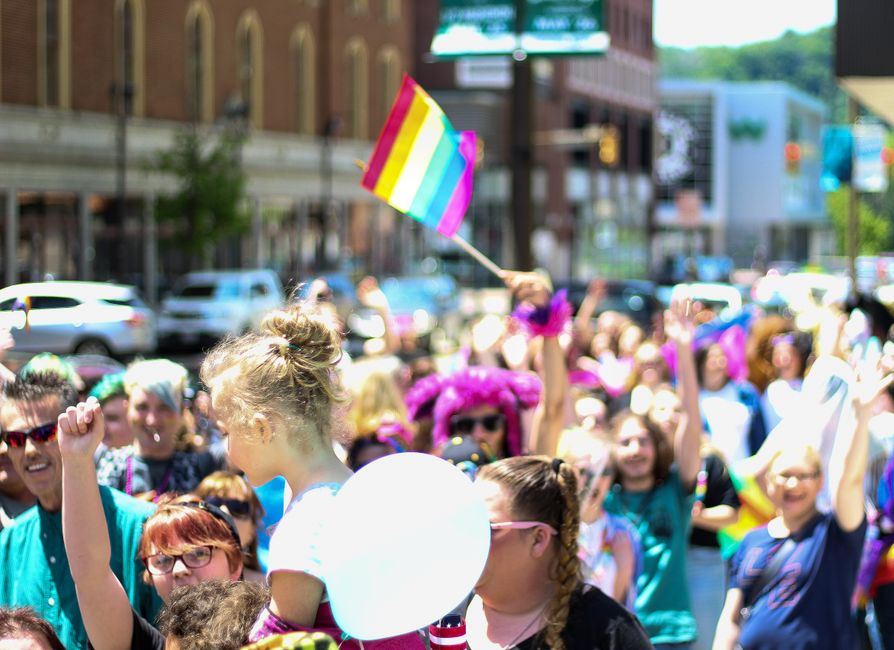
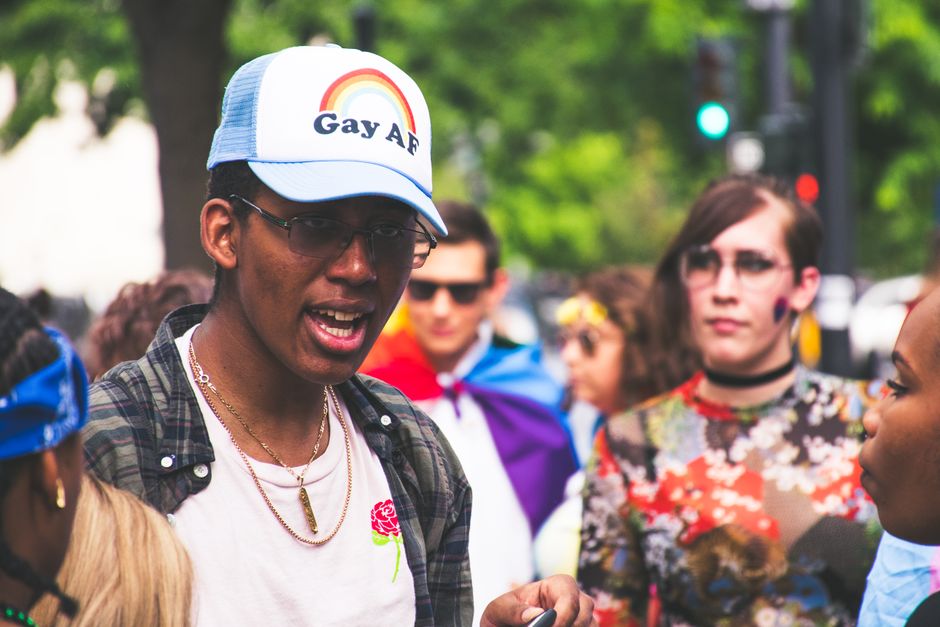
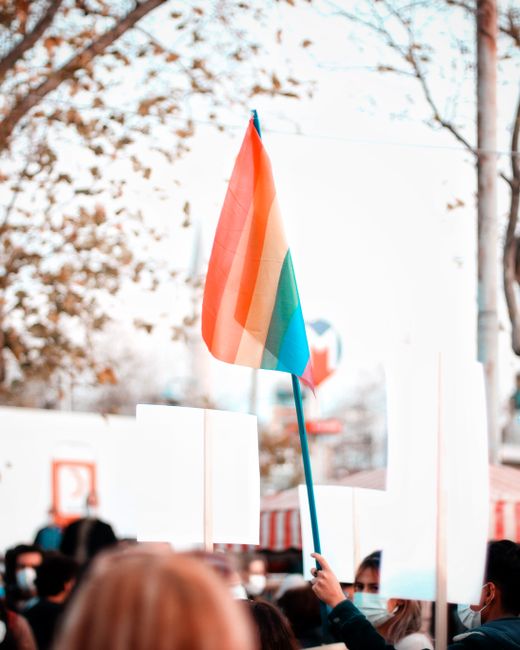
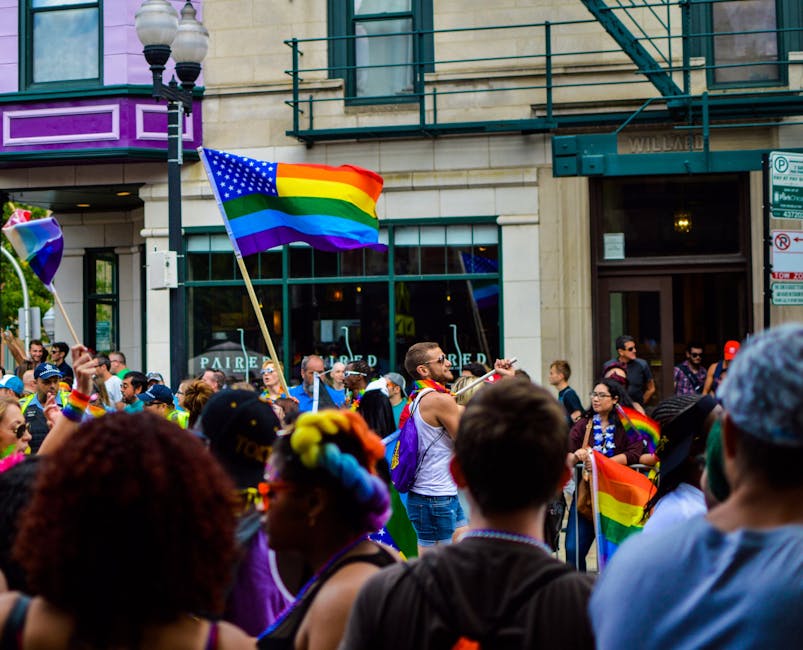
Ecuador's Pride celebration, known as Orgullo LGBTQ+, typically occurs in June and centers significantly on Quito. The pride parade, marches, and related events draw thousands of participants and supporters from across the country. Expect parades through main streets, cultural events, live music, and street parties. June dates shift slightly yearly, so checking current event calendars is necessary for exact dates.
Beyond June Pride, various cultural events, drag shows, and themed parties occur sporadically throughout the year. LGBTQ+ travel websites and social media groups focused on Quito maintain updated event calendars.
Where to Stay
La Mariscal offers numerous accommodation options ranging from budget backpacker hostels to mid-range hotels and boutique properties. Staying in La Mariscal ensures proximity to most gay venues and the neighborhood's nightlife and dining scene.
Several LGBTQ+-friendly guesthouses and small hotels operate in La Mariscal and La Floresta, though no exclusively gay hotels exist. LGBTQ+ travelers report feeling welcome at most mid-range and upscale properties; budget hostels are generally also welcoming, though may offer less privacy.
The historic center (Centro Histórico) is worth visiting during daytime for its architecture and cultural sites, but accommodation there is less convenient for accessing the gay scene. Hotels there cater more to cultural tourists and business travelers.
North Quito, including neighborhoods like Cumbayá and Tumbaco, contains upscale residential areas and some resort-style hotels, but these are removed from the gay scene and require taxi or Uber rides to reach La Mariscal.
Quito's food scene is strong overall, and La Mariscal especially features international cuisines catering to tourists. Ecuadorian specialties include ceviche, locro (potato stew), and fresh tropical fruits unavailable elsewhere. Local coffee is excellent; cafés throughout the neighborhood offer espresso, cappuccinos, and pastries.
Many restaurants in La Mariscal are LGBTQ+-friendly, with some clearly catering to gay clientele based on décor and staff. International cuisines—Italian, Spanish, Asian, vegetarian—are well-represented. Prices are moderate to reasonable; a meal with drink runs 10-20 USD at casual spots, 20-40 USD at nicer restaurants.
Safety Considerations
Quitooverall is reasonably safe for LGBTQ+ travelers compared to many global destinations. Ecuadorian law provides same-sex marriage rights and anti-discrimination protections. Quito's population, especially among younger generations and in cosmopolitan areas like La Mariscal, is notably accepting.
That said, general safety precautions apply: avoid displaying expensive jewelry, phones, or cameras; don't carry large amounts of cash; use official taxis or ride-sharing apps (Uber, Beat) rather than hailing cabs on the street; avoid isolated areas late at night; and be aware of surroundings in crowded areas where pickpockets operate.
Public displays of affection between same-sex couples are increasingly common and accepted in La Mariscal and the broader city, though some discretion may be wise in conservative neighborhoods or rural areas. The vast majority of LGBTQ+ travelers report feeling safe and welcome in Quito proper.
Transit and Getting Around
Quito's public transportation consists primarily of buses, which are inexpensive (0.30-0.50 USD per ride) but can be crowded and chaotic for unfamiliar travelers. Pickpocketing occurs on buses, so keep valuables secure and consider riding during daytime.
Uber and Lyft-equivalent ride-sharing apps (Uber operates in Quito; Beat is also popular) are reliable, affordable, and recommended for getting around, especially at night. Rides within La Mariscal or to the historic center typically cost 2-5 USD. Taxi apps reduce language barriers and provide security through tracking.
Many attractions in La Mariscal and La Floresta are walkable during the day. The historic center requires either a guided tour or careful navigation due to narrow, hilly streets; many organized tours operate from La Mariscal hotels.
Note that Quito's altitude (9,350 feet) causes altitude sickness (soroche) in some visitors. Spending a day acclimatizing, staying hydrated, avoiding alcohol initially, and considering coca tea all help.
Day Trips and Nearby Attractions
Quito serves as a base for several compelling day trips. The Mitad del Mundo (Middle of the World) monument marks the equatorial line and lies roughly 30 km north; most travelers take organized tours. The Amazon rainforest is accessible from Quito, with multi-day jungle lodge tours departing regularly; these appeal to adventurous travelers but require booking in advance.
Otavalo, a town 2.5 hours north, is famous for indigenous markets and textiles; day trips are common. The Galápagos Islands, while geographically part of Ecuador, require flights from Quito and substantial additional investment; however, many travelers use Quito as their staging point.
Nearby volcanic peaks like Pichincha can be visited on organized tours, though altitude and difficulty vary. Baños, a town east of Quito in the Tungurahua province, offers waterfalls, adventure activities, and a more rural Ecuadorian experience; it's roughly 3 hours away by bus.
Who Quito Is For
Quito works well for LGBTQ+ travelers seeking Andean culture, reliable urban infrastructure, and an emerging but genuine gay scene. It's ideal for those combining city exploration with Amazon or nature excursions, or using it as a gateway to Ecuador and South America. First-time travelers to Ecuador often feel comfortable in Quito; the city is manageable, welcoming, and substantially developed compared to rural areas.
The scene is smaller and less intense than cities like Buenos Aires or São Paulo, making Quito suitable for travelers preferring a lower-key, more integrated experience rather than a predominantly gay-focused itinerary. Quito appeals to cultural explorers, nature enthusiasts, and LGBTQ+ travelers seeking a destination combining history, geography, and emerging cosmopolitan culture.
Frequently asked questions
Quito is notably accepting and cosmopolitan. While generally safe, especially in the main commercial blocks of La Mariscal, visitors should avoid flashing expensive items or walking alone late at night in poorly lit areas, as with any urban area.
La Mariscal (officially Mariscal Sucre) is the undisputed center of Quito's LGBTQ+ scene. It's a vibrant and touristy district north of the historic center, with gay-friendly venues concentrated along Calles Reina Victoria, Juan León Mera, and Amazonas.
Quito's gay bar and club scene is relatively modest compared to larger South American cities. Options exist for most tastes, with venues often concentrated in La Mariscal and varying in popularity by night.
La Mariscal offers many gay-friendly venues and is filled with backpacker hostels, restaurants, and shops, making it easy for LGBTQ+ visitors to blend in. La Floresta, an adjacent residential neighborhood, also has boutique hotels, cafés, and restaurants catering to gay travelers.
The provided guide does not mention specific dates for Pride celebrations in Quito.
Ecuador legalized same-sex marriage in 2019, a significant milestone for LGBTQ+ rights and visibility. While Ecuador remains a Catholic-majority nation with some conservative attitudes in rural areas, Quito itself is notably accepting and cosmopolitan.
Your privacy choices.
We use cookies to run GayOut and, with your consent, measure usage. Learn more
Your privacy choices
We use cookies to keep GayOut running, remember your preferences, and (with your permission) measure how the site is used. You can accept all, reject all, or pick what you allow. Learn more
Essential
Required for sign-in, fraud prevention, CSRF protection and remembering your language. Cannot be disabled.
Always on
Remembers your favourites, dark mode and other interface preferences across visits.
Helps us understand which pages people visit (Google Analytics, server-side stats) so we can improve.
Used by campaign tracking pixels. None are active right now, reserved for future use.
Install GayOut
Add GayOut to your home screen for faster access, offline favourites, and Pride alerts.






 Gay-Friendly Bars & Clubs
(273)
Gay-Friendly Bars & Clubs
(273)