Marriage equality since Obergefell v. Hodges (26 June 2015). The Respect for Marriage Act (December 2022) provides a congressional floor, requiring federal recognition of all valid same-sex and interracial marriages regardless of future Supreme Court rulings. Bostock v. Clayton County (2020) held that Title VII of the Civil Rights Act prohibits employment discrimination on the basis of sexual orientation and gender identity. No comprehensive federal anti-discrimination law in housing or public…
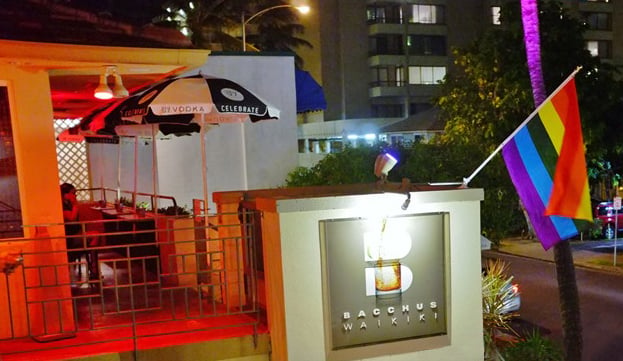
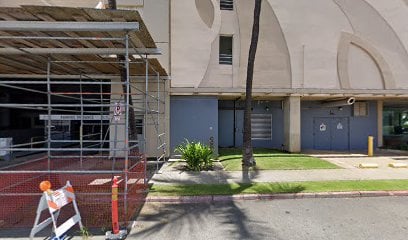
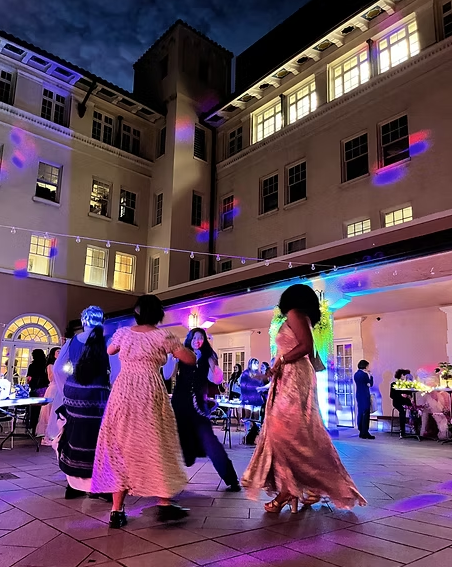
A very fun atmosphere here at Bacchus Waikiki! The location is tucked away on the 2nd floor of the building and has a dope outside deck with neon lights lighting it up.
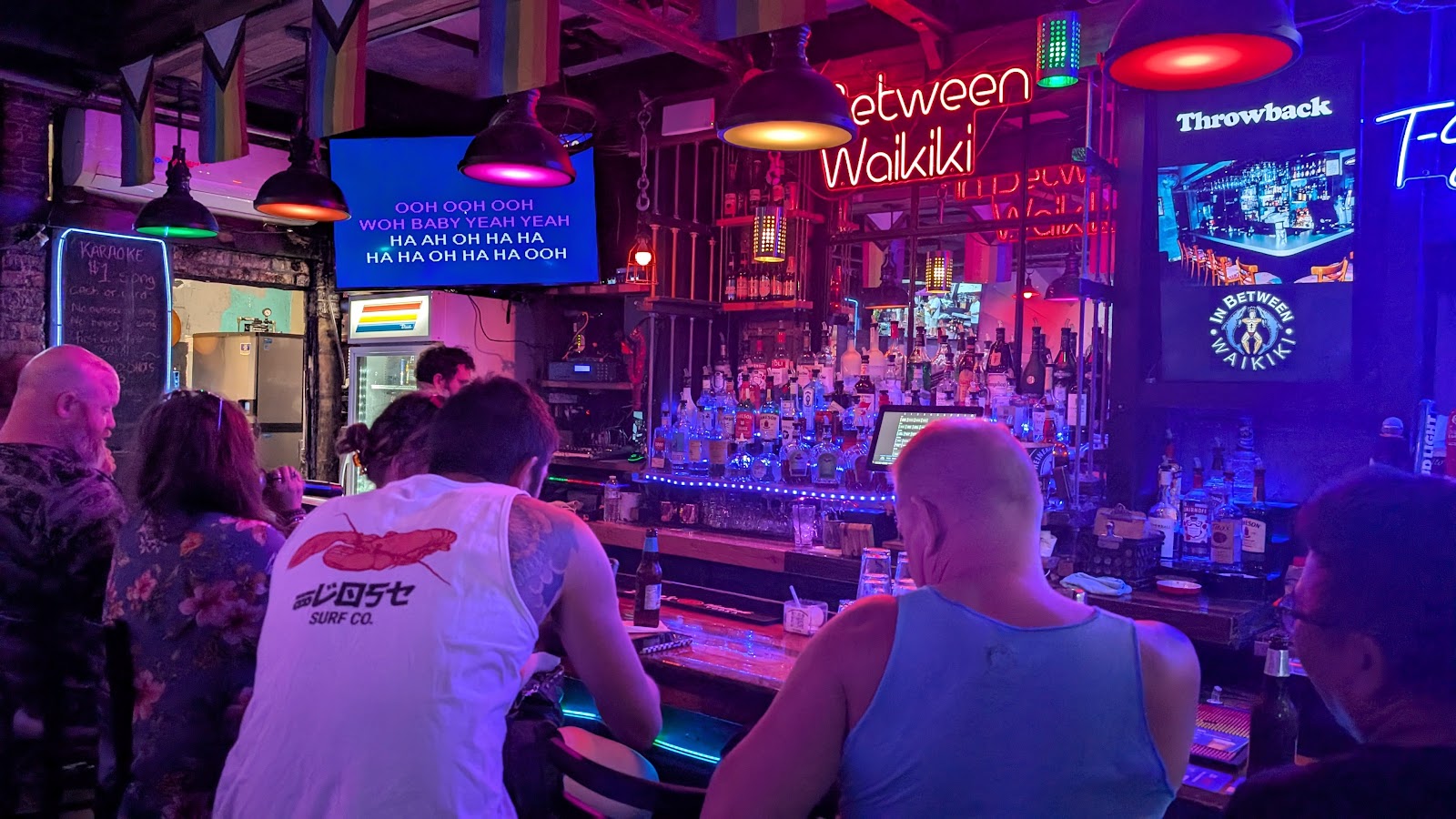
A tiny little karaoke bar hidden in an alley of Waikiki, this bar screams happiness and camaraderie. Featured in 50 Great Dates! (Oh, and try to visit on weekdays, cause weekends are packed.
Honolulu's LGBTQ+ history is connected to Hawaii's diverse cultural landscape and the historical acceptance of gender variance within traditional Hawaiian society. While Western colonization impacted these traditions, the modern LGBTQ+ community in Honolulu began to organize visibly in the 1970s and 1980s, with Pride events growing significantly since the 1990s.
Key Neighborhoods and Areas
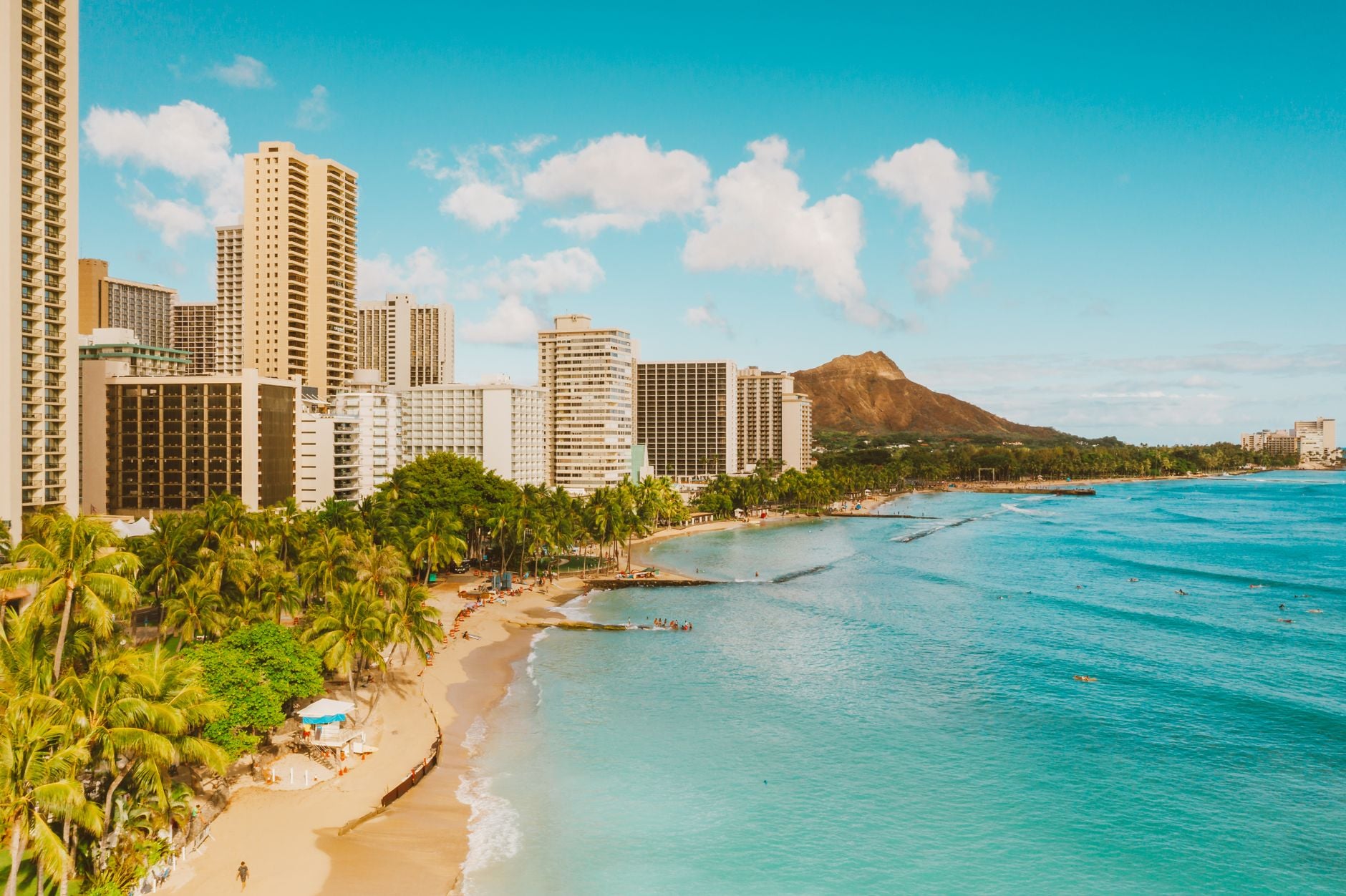
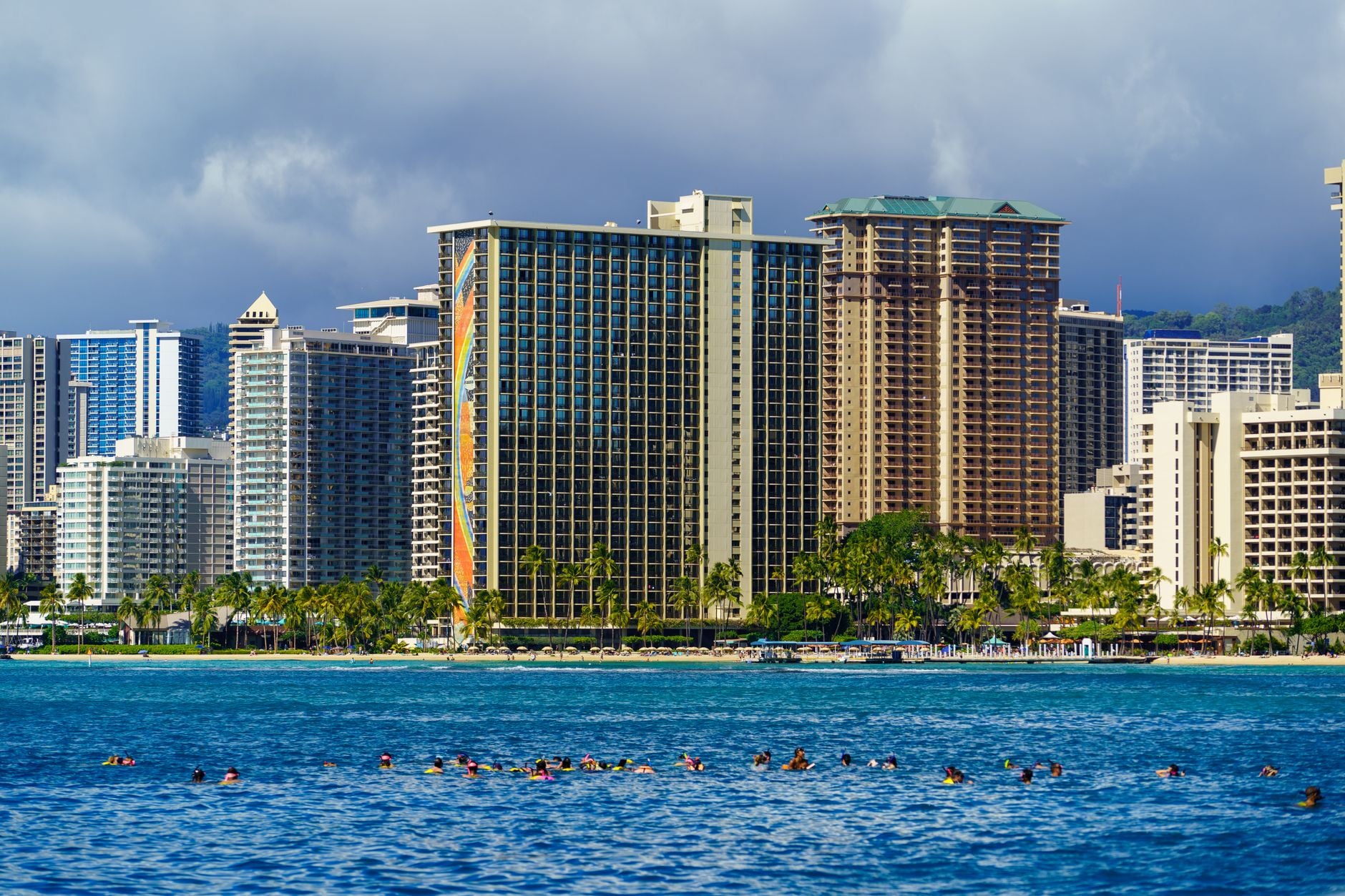
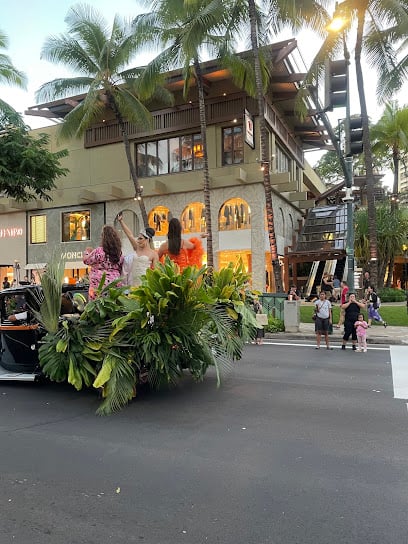
Waikiki is a primary hub for LGBTQ+ social life and tourism. This beachfront district features a concentration of LGBTQ+-friendly hotels, bars, and restaurants within walking distance. It is known for its beaches, commercial activity, and nightlife. While not exclusively an LGBTQ+ area, Waikiki is welcoming to LGBTQ+ visitors and residents.
Downtown Honolulu, particularly around Fort Street and Nuuanu Avenue, offers historic architecture, independent businesses, galleries, and dining. This area has a more local feel and fewer dedicated LGBTQ+ venues than Waikiki, but provides cultural attractions and dining options.
Kaimuki, a residential area inland from Waikiki, is a quieter neighborhood with some businesses that are LGBTQ+-friendly and a more residential community presence.
Venues and Nightlife
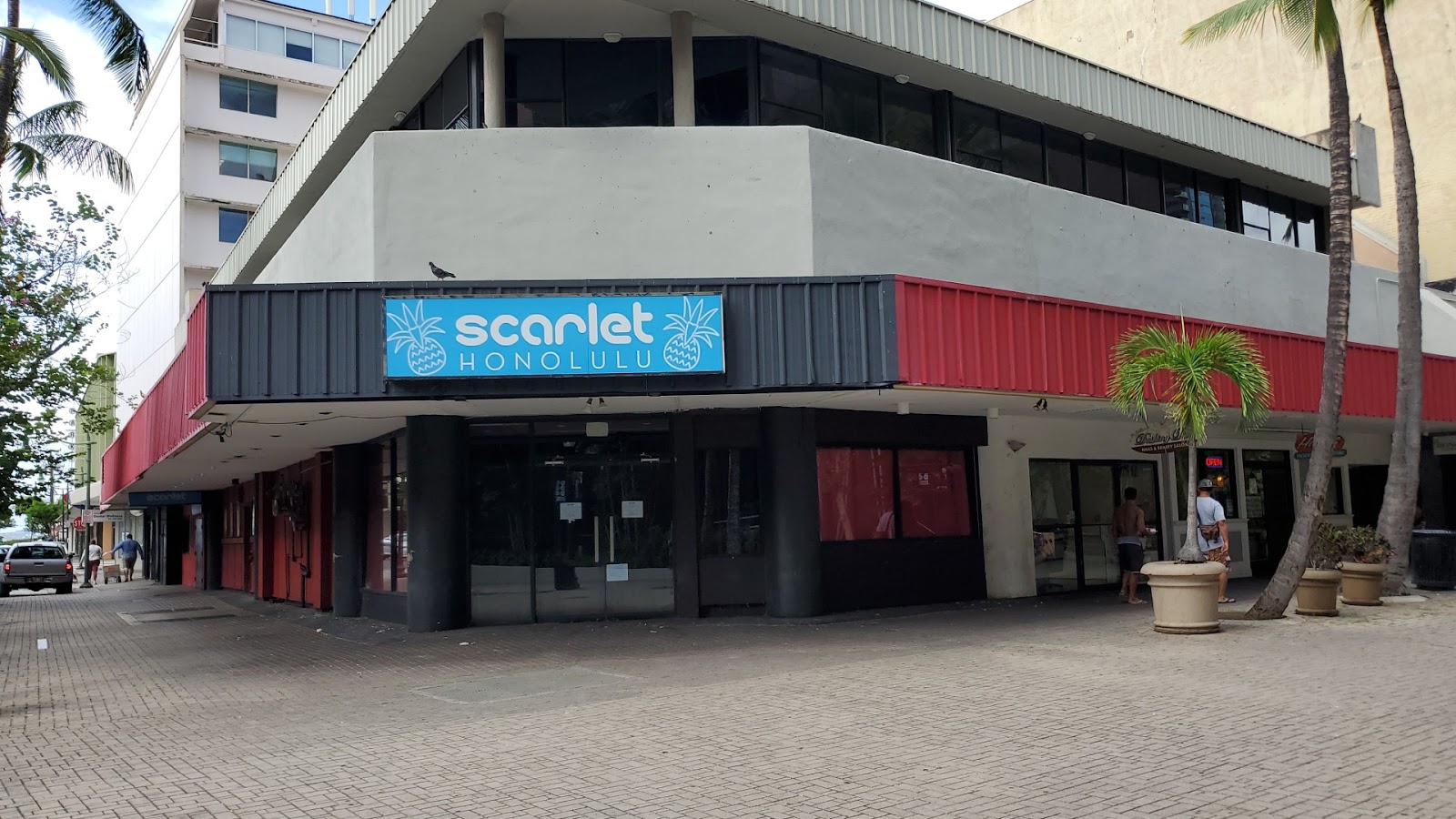
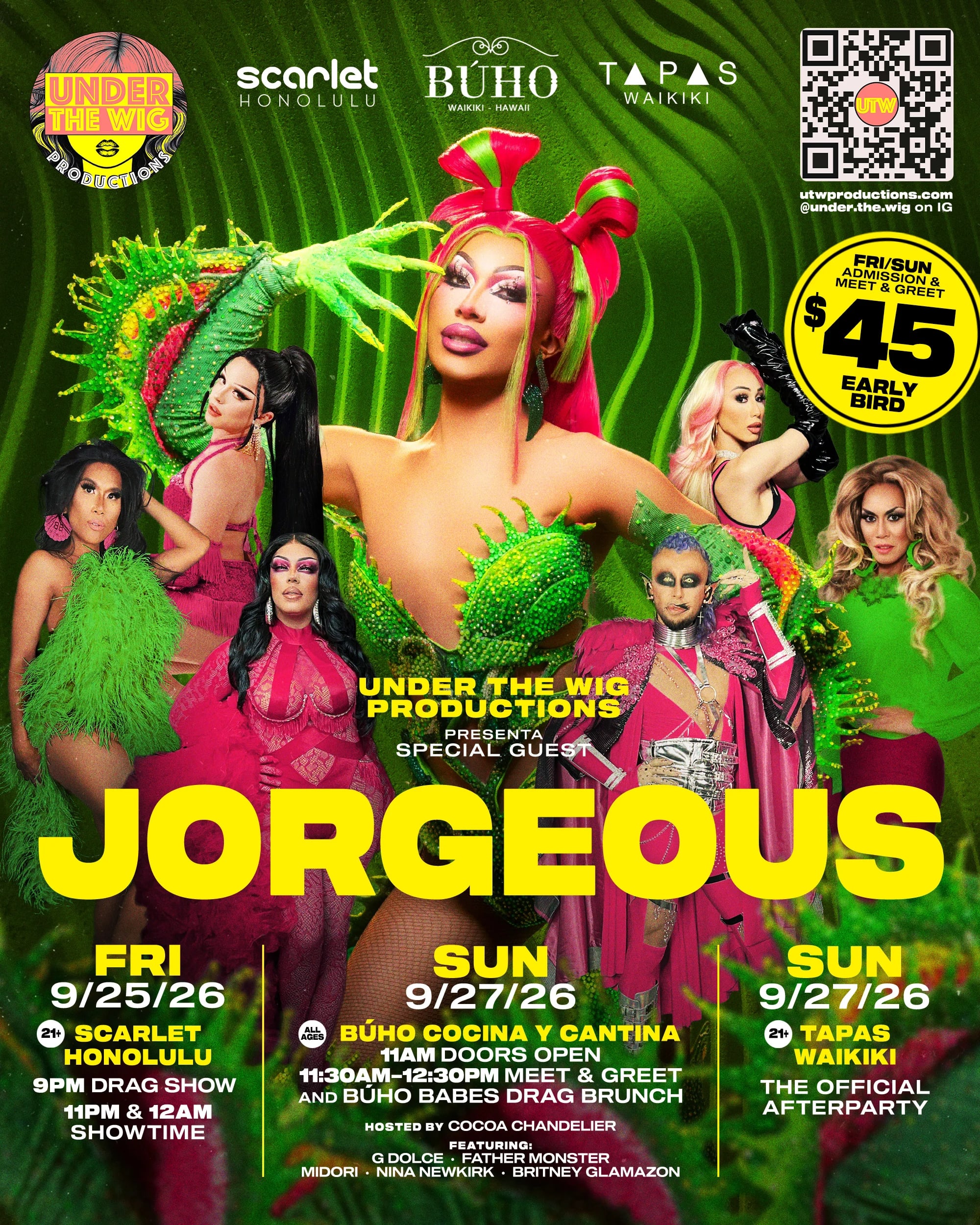
Honolulu has a compact but genuine gay bar scene, almost all of it walkable within Waikiki. Hula's Bar & Lei Stand (134 Kapahulu Avenue, on the second floor of the Waikiki Grand Hotel) is the island's flagship — a fifty-year institution with open-air Diamond Head views, DJs, drag brunches, and a crowd of locals and visitors. Nearby in Waikiki, Bacchus (408 Lewers Street) is a friendly two-level men's bar with drag, trivia and themed nights; Wang Chung's Karaoke Bar (2424 Koa Avenue) and In Between (2155 Lauula Street) are beloved, no-frills karaoke bars; and Tapas Restaurant & Lanai Bar (407 Seaside Avenue) pairs a gay bar with karaoke, pool and a lanai lounge. In Chinatown, Scarlet Honolulu (80 South Pauahi Street) is the city's largest LGBTQ+ dance club and drag venue, open on weekends. Atlas Honolulu (2012 South Beretania Street) and Chiko's Tavern (930 McCully Street) round out the scene with weekend parties and a longtime local LGBTQ+ dive.
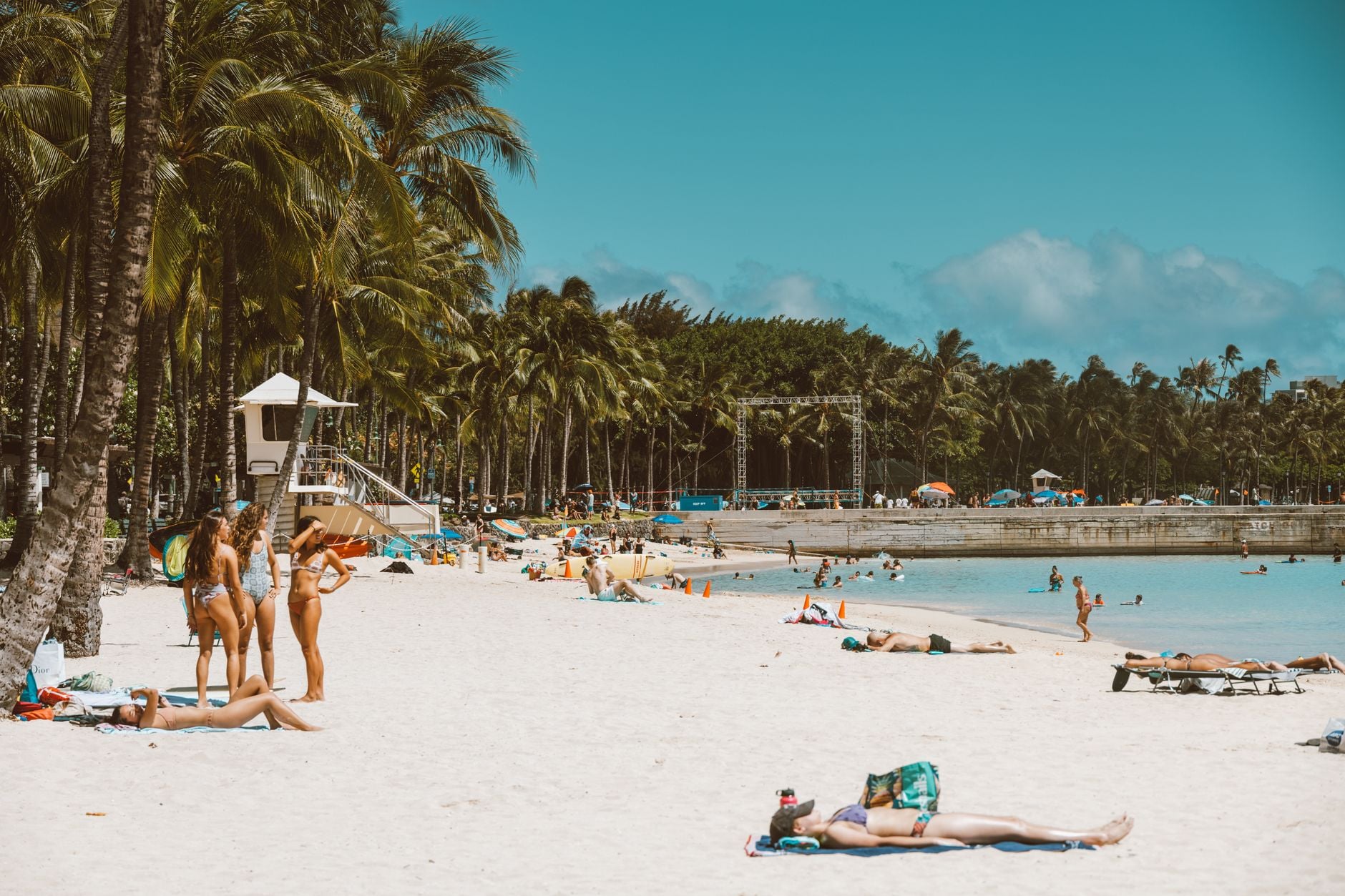
Honolulu has no dedicated gay sauna or bathhouse — the venues that once operated have closed without replacement, and the nearest options are on the U.S. mainland. Instead, the community's daytime gathering spot is Queen's Surf Beach in Waikiki, fronting Kapiolani Park across from the Honolulu Zoo, the recognised gay beach for decades. Diamond Head Beach, just east, is a quieter clothing-optional stretch.
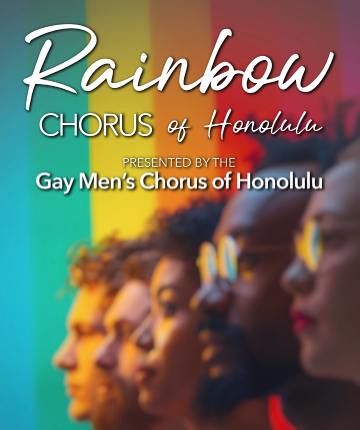
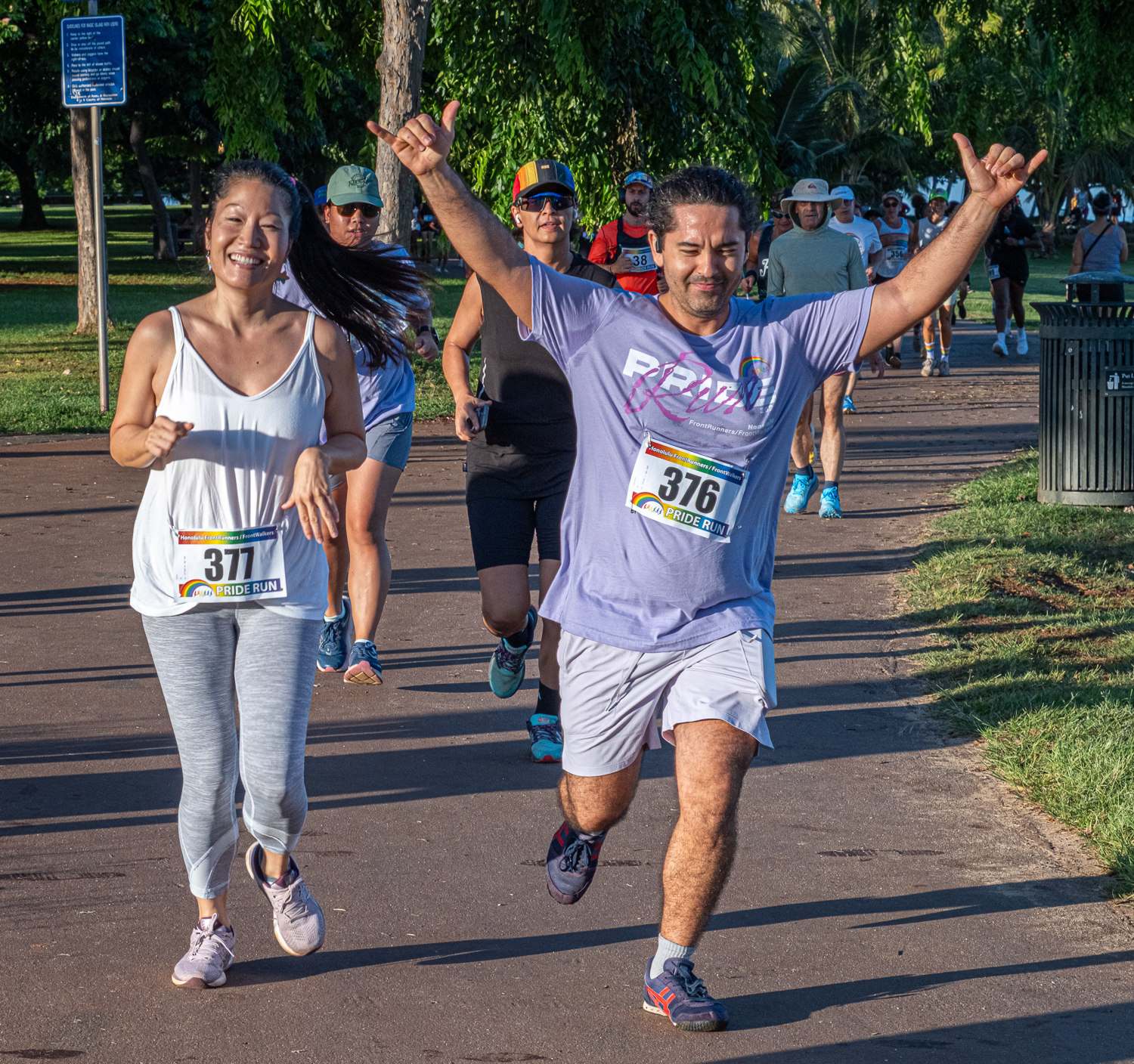
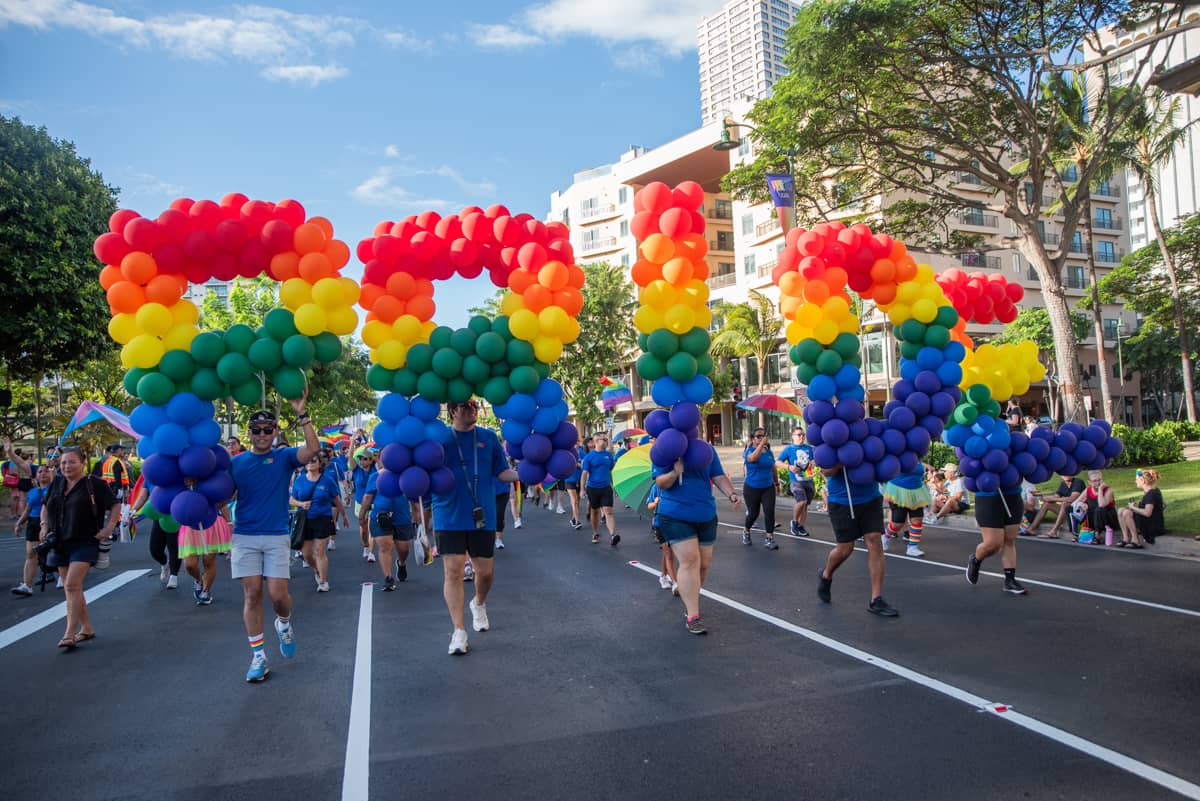
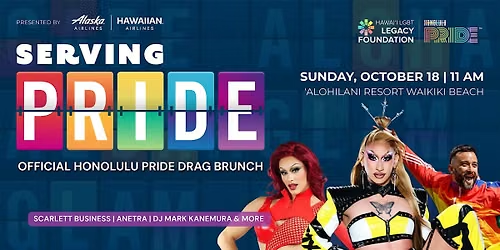
Honolulu Pride takes place each October, organised by the Hawaiʻi LGBT Legacy Foundation. In 2026 the parade runs on Saturday, October 17, down Kalakaua Avenue from Magic Island to the Tom Moffatt Waikīkī Shell, followed by a free festival at the Shell. The Foundation also runs the long-running Honolulu Rainbow Film Festival each July at the Hawaiʻi Theatre, plus the Rainbow Chorus of Honolulu and year-round community programming.
Throughout the year, various LGBTQ+ community events, film festivals, and cultural celebrations occur. The Honolulu Museum of Art and local theaters sometimes feature LGBTQ+-themed programming.
Where to Stay
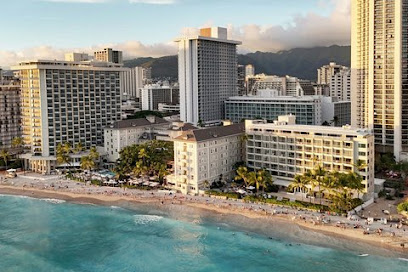
Waikiki offers a range of hotels that are welcoming to LGBTQ+ guests. Many mainstream hotels have adopted inclusive practices. Some properties specifically identify as LGBTQ+-friendly.
Hostels in Waikiki can provide a social atmosphere and are often frequented by international LGBTQ+ travelers. Most major hotel brands in tourist areas are generally welcoming.
Staying in Waikiki provides proximity to beaches, dining, shopping, and LGBTQ+ venues, though it is a highly tourist-oriented and often more expensive area. Accommodations in Downtown Honolulu offer a more local experience but require transit to beaches and main attractions.
Honolulu is generally safe for LGBTQ+ travelers. Hawaii has legal protections against discrimination based on sexual orientation and gender identity. Same-sex marriage has been legal in Hawaii since 2013. Public displays of affection between same-sex couples are generally accepted, particularly in Waikiki and downtown.
Standard travel safety practices are recommended, including being aware of surroundings and using official transportation. While less familiar with LGBTQ+ visitors, overt hostility is uncommon in residential neighborhoods.
Transit
TheBus is Honolulu's public transportation system, connecting most neighborhoods and attractions. It is an affordable option. Taxis and rideshare services are available.
Waikiki and downtown areas are walkable, with many LGBTQ+ venues in close proximity. Renting a car offers flexibility for exploring the island, though parking and traffic should be considered.
Food and Culture
Honolulu's food scene is a blend of Hawaiian, Asian, and international influences, featuring dishes like poke, fresh seafood, and fusion cuisine. LGBTQ+-owned and LGBTQ+-friendly establishments can be found throughout the city, particularly in Waikiki and downtown.
The city offers museums and galleries that explore Hawaiian history, arts, and culture.
Day Trips and Activities
Oahu provides numerous outdoor activities accessible from Honolulu. Hiking trails include Diamond Head, Makapuu Lighthouse Trail, and Manoa Falls Trail. Hanauma Bay is a marine sanctuary for snorkeling.
Pearl Harbor and its historic sites are popular for those interested in World War II history. The Polynesian Cultural Center showcases Pacific Islander cultures.
Group activities such as snorkeling, surfing lessons, and catamaran cruises are available and generally LGBTQ+-friendly.
When to Visit
Honolulu experiences warm weather year-round. December through February is slightly cooler and wetter, while June through August is hotter and drier. Honolulu Pride in October is a notable time for LGBTQ+ travelers.
To avoid peak tourist crowds and prices, consider visiting during the shoulder seasons, such as April-May or September.
Planning Notes
It is advisable to obtain travel insurance and ensure passports are valid. Hawaii's remoteness means bringing necessary medications and having travel insurance are prudent. Honolulu can be relatively expensive compared to mainland U.S. cities.
For the most current information on specific venues, events, and accommodations, consult local LGBTQ+ resources and travel websites before your trip, as details can change.
Frequently asked questions
Waikiki is the primary LGBTQ+ hub, containing most of the city's gay bars, clubs, and queer-friendly hotels. Downtown Honolulu also has a growing LGBTQ+ presence with community organizations and some queer-friendly businesses.
Yes — Honolulu has a compact but real gay bar scene concentrated in Waikiki. Flagship Hula's Bar & Lei Stand anchors it, alongside Bacchus, Wang Chung's Karaoke Bar, In Between and Tapas Restaurant & Lanai Bar in Waikiki, plus Scarlet Honolulu, the largest LGBTQ+ dance club, over in Chinatown. It is smaller than major mainland cities but genuinely local and welcoming.
Hawaii has enacted pro-LGBTQ+ legislation, including protections against discrimination. Marriage equality became legal in Hawaii in 2013.
Waikiki is the primary LGBTQ+ hub and contains most of the city's queer-friendly hotels. This beachfront neighborhood is highly touristy and walkable.
Honolulu's LGBTQ+ community has developed differently than major mainland cities, shaped by the islands' unique cultural context. The modern gay rights movement came to Hawaii somewhat later than to the mainland, but the community has steadily built visibility and acceptance.
Honolulu Pride is held each October, organised by the Hawaiʻi LGBT Legacy Foundation. In 2026 the parade is on Saturday, October 17, running from Magic Island to the Tom Moffatt Waikīkī Shell, followed by a free festival at the Shell. A separate Honolulu Rainbow Film Festival runs each July at the Hawaiʻi Theatre.
Your privacy choices.
We use cookies to run GayOut and, with your consent, measure usage. Learn more
Your privacy choices
We use cookies to keep GayOut running, remember your preferences, and (with your permission) measure how the site is used. You can accept all, reject all, or pick what you allow. Learn more
Essential
Required for sign-in, fraud prevention, CSRF protection and remembering your language. Cannot be disabled.
Always on
Remembers your favourites, dark mode and other interface preferences across visits.
Helps us understand which pages people visit (Google Analytics, server-side stats) so we can improve.
Used by campaign tracking pixels. None are active right now, reserved for future use.
Install GayOut
Add GayOut to your home screen for faster access, offline favourites, and Pride alerts.




 Gay Bars & Clubs
Featured
(845)
Gay Bars & Clubs
Featured
(845)