Everything worth knowing before you go.
Sioux Falls, South Dakota's largest city, has become a point of connection for the LGBTQ+ community in the Midwest. While South Dakota is a conservative state, Sioux Falls offers a more inclusive atmosphere for LGBTQ+ individuals and visitors.
The LGBTQ+ scene in Sioux Falls developed over time. For decades, community organizing was less visible. However, the 2010s saw increased openness, particularly among younger residents, leading to more organized efforts. The start of Pride celebrations in the early 2010s marked a significant shift. Local activists and business owners began creating explicitly welcoming spaces, and LGBTQ+ organizations formed to advocate and build community. Today, Sioux Falls is considered progressive for its region.
Downtown Sioux Falls is the central hub for LGBTQ+ social activity, with restaurants, bars, and cultural spots within walking distance. The Downtown District, generally bordered by 8th Street to the west and 4th Street to the east, with 6th Avenue and Minnesota Avenue as central north-south streets, contains most venues of interest. Falls Park, located next to downtown, is a popular gathering place with its waterfall and riverfront paths. Phillips Avenue is a main commercial street downtown, featuring restaurants, shops, and galleries that are increasingly LGBTQ+-friendly. The area around 10th and Phillips has seen new restaurants and venues open regularly.
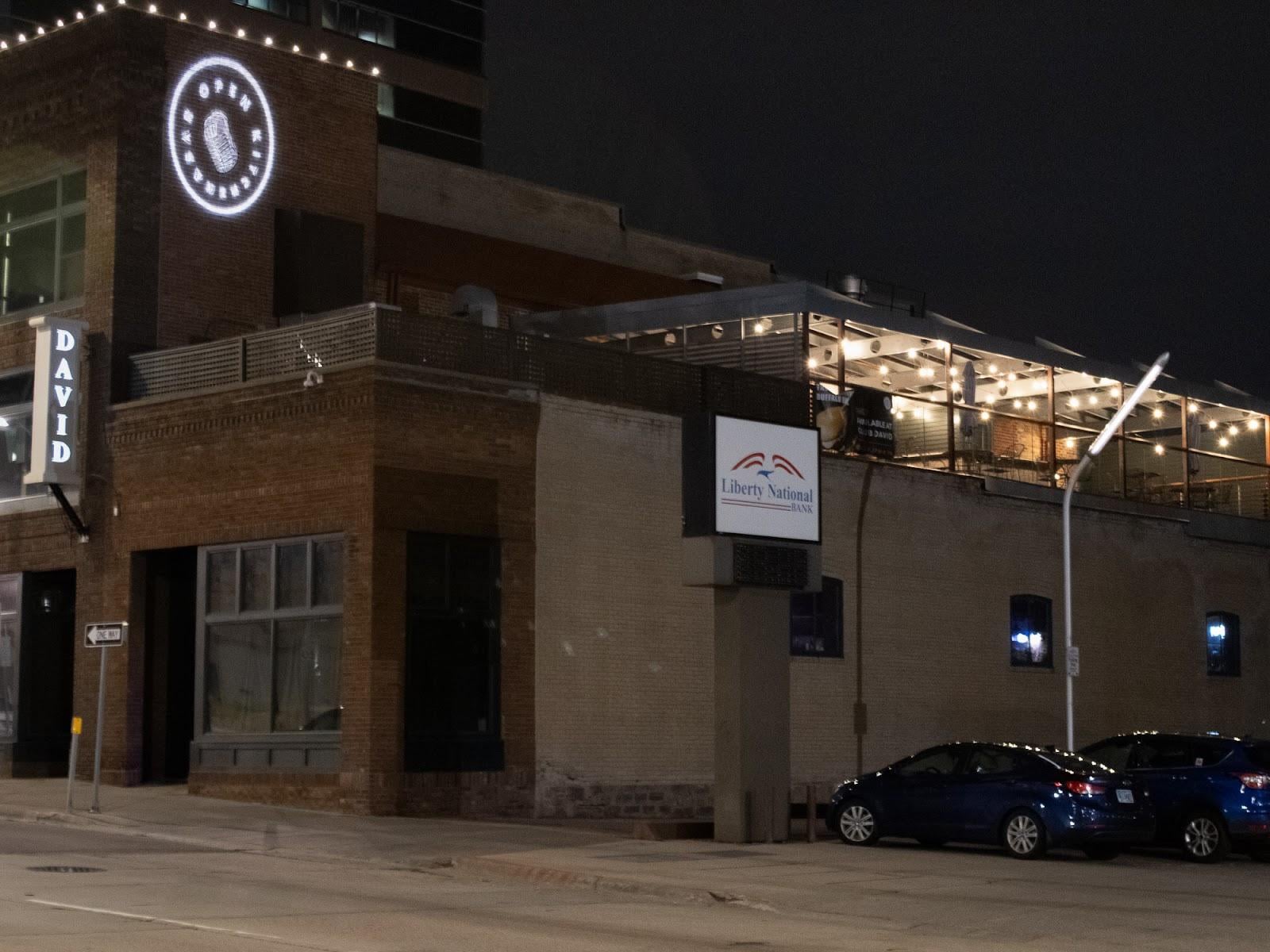
While Sioux Falls does not have a large concentration of exclusively LGBTQ+ bars, several establishments are known to welcome LGBTQ+ patrons and allies. The downtown area hosts various bars and restaurants where people gather. Some venues may host themed nights or LGBTQ+-friendly events, though it's advisable to check for current offerings upon arrival as these can change. The city's craft beer scene has expanded significantly, with many breweries throughout downtown and surrounding neighborhoods generally maintaining inclusive atmospheres. Many establishments now display pride flags and participate in community events.
Sioux Falls Pride Festival and Parade typically takes place in July. It includes a parade down Phillips Avenue, festival booths in a downtown park, live entertainment, and community organizations. Pride week often features additional social events at local bars and restaurants. The festival draws thousands of participants and is a significant regional Pride celebration. The South Dakota LGBT Film Festival, usually held in the fall, showcases LGBTQ+ cinema and attracts attendees from the region. Local LGBTQ+ organizations also host regular social events, meetings, and educational programs throughout the year.
Sioux Falls offers a range of hotels and accommodations. Downtown hotels provide convenient access to attractions and venues. Options include chain hotels and boutique choices, with most modern establishments adhering to non-discriminatory policies. Staying downtown offers walkability to restaurants, bars, and Falls Park, while other hotels provide easier highway access for visiting regional sites. Vacation rentals are also available through platforms like Airbnb, offering varied price points and accommodation styles.
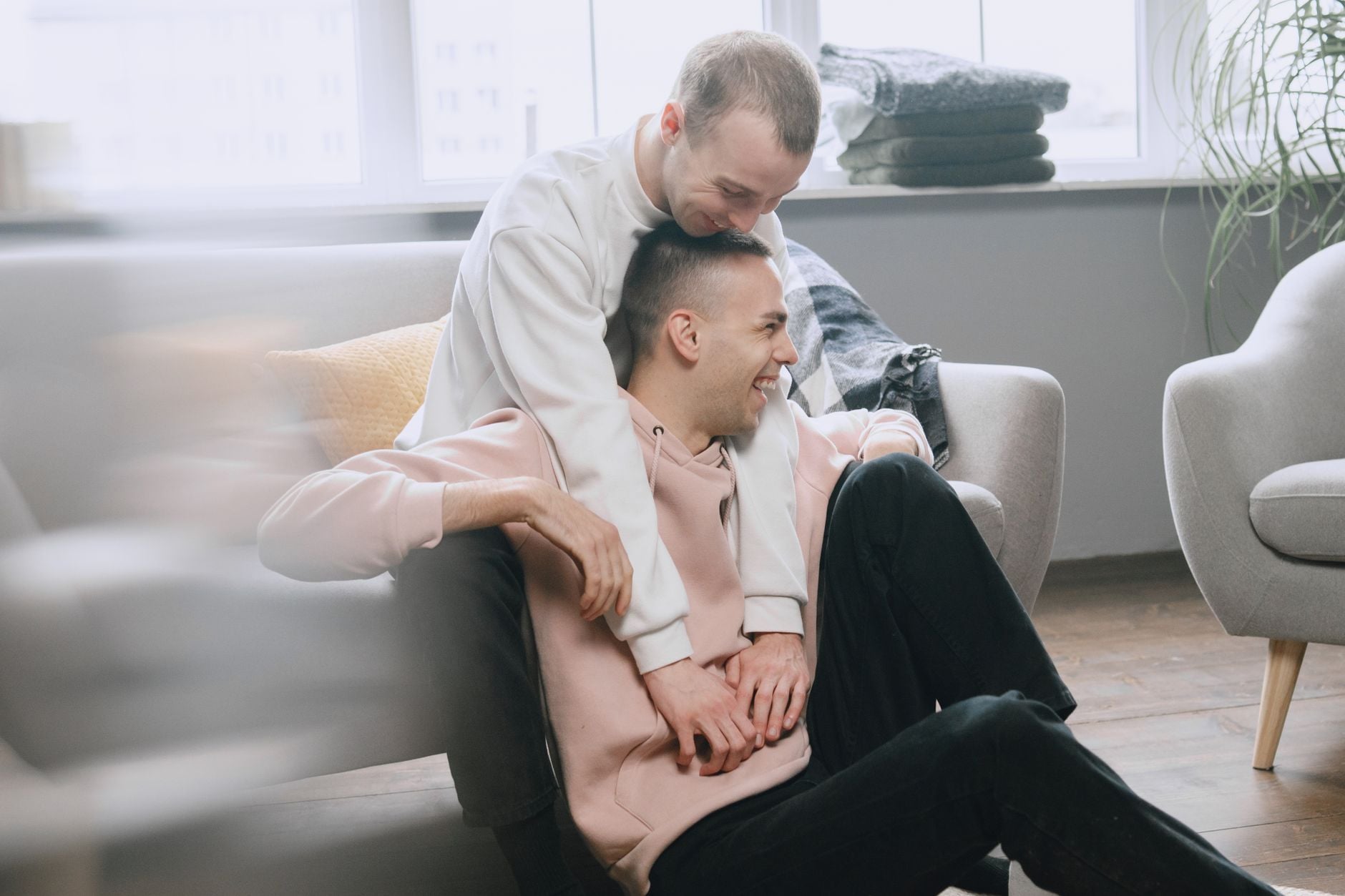
Sioux Falls is generally a safe city. LGBTQ+ travelers can expect to feel comfortable in downtown and most neighborhoods. Standard urban safety practices are recommended, such as being aware of your surroundings and using established transportation services at night. While South Dakota is politically conservative, Sioux Falls has developed a culture of acceptance. Public displays of affection between same-sex couples are generally accepted in downtown areas and at community events. Experiences may differ in smaller surrounding towns.
Sioux Falls is largely car-dependent, though downtown is navigable on foot. Rideshare services are available throughout the city. A few blocks of downtown are highly walkable, with restaurants, shops, and entertainment within easy reach. Public transit exists but is limited compared to major metropolitan areas. The city's bus system covers main corridors, making it possible to get around without a car with some planning.
Sioux Falls has a diverse and growing food scene. Downtown offers numerous restaurants with various cuisines, including farm-to-table, Asian fusion, Mexican, and Mediterranean. The city's focus on local and sustainable dining reflects broader regional trends. Many restaurants present visibly welcoming atmospheres and participate in community events. Phillips Avenue continues to be a central area for dining and entertainment.
Sioux Falls serves as a starting point for exploring South Dakota's attractions. Falls Park itself is a major draw, featuring waterfalls and riverfront walking trails. Within an hour's drive, visitors can find attractions like Big Stone Lake, state parks, and historic towns. The Loess Hills are about a 90-minute drive away, offering hiking and scenic views. For those interested in Native American history, several sites are accessible as day trips or longer excursions.
Local LGBTQ+ organizations offer resources, advocacy, and community events. These groups often host social gatherings, provide support services, and organize community initiatives. Information on connecting with the local community can typically be found through Pride organizations and community centers.
Sioux Falls offers a chance to experience community growth in a traditionally conservative region. It provides an alternative to larger, more bustling Pride destinations, focusing on authentic connections and the opportunity to explore the Great Plains. The city appeals to travelers seeking a different kind of Pride experience, those interested in regional LGBTQ+ community development, and visitors exploring South Dakota's natural attractions with an inclusive perspective.


 Gay-Friendly Bars & Clubs