Everything worth knowing before you go.
Canberra, Australia's capital, offers a welcoming LGBTQ+ scene focused on community rather than commercialism. As the capital of the Australian Capital Territory (ACT), this planned city has a history of progressive values, reflected in its approach to LGBTQ+ rights and a visible community.
Canberra's LGBTQ+ community developed uniquely due to the city's mid-20th century founding as a federal center. The ACT has historically been progressive on LGBTQ+ issues, with homosexuality decriminalized in 1976 and anti-discrimination protections introduced early. This legal framework fostered community organization and visibility. The community became more prominent from the 1980s, with Pride events emerging in the 1990s. Today, the community is organized with established venues, support networks, and annual Pride celebrations.
Canberra's geography is divided into districts, with the city center, Civic, serving as the main hub for commerce and entertainment. Civic hosts most LGBTQ+-friendly bars, clubs, and dining venues, making it the primary destination for visitors. The suburb of Dickson, north of Civic, also has venues and is easily accessible. Inner-south suburbs like Kingston and Manuka offer upscale dining and cultural options, some of which are LGBTQ+-friendly, though less explicitly focused than Civic. These neighborhoods are walkable with good public transport.
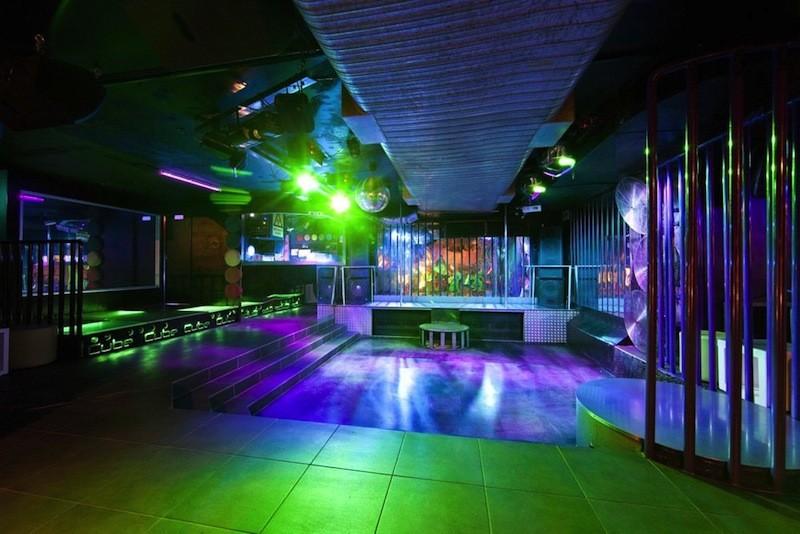
Canberra's LGBTQ+ nightlife is centered in Civic. Historically, Q Bar Canberra has been a significant venue, functioning as a social hub. The Basement, also in the city center, has been another notable spot. Beyond dedicated venues, Canberra's broader hospitality scene is generally welcoming to LGBTQ+ patrons, with many mainstream bars and clubs in Civic being inclusive. Café culture in the city is also notably inclusive. Information on bathhouse or sauna facilities is less prominent compared to larger Australian cities, though options may exist in surrounding areas.
Canberra Pride is the main annual LGBTQ+ event, typically held in September over several days or a weekend. It includes a Pride parade through central Canberra, live entertainment, markets, and various parties and dances. The event draws attendees from across Australia. Throughout the year, Canberra hosts other LGBTQ+ cultural events, such as film festivals and theater productions. National institutions like the National Library of Australia and the National Museum of Australia occasionally feature LGBTQ+-themed exhibitions.
For accommodation, staying in or near Civic offers convenient access to the LGBTQ+ scene and attractions. Civic has mid-range and upscale hotels known for their welcoming practices. Manuka and Kingston provide boutique accommodations and are close to dining and cultural venues. Airbnb and short-term rentals are available throughout the city, offering neighborhood-based stays.
Canberra is navigable without a car. ACTION local buses operate throughout the city with reasonable frequency. Taxis and rideshare services are available. The city center is compact and walkable. Given Canberra's spread-out nature, planning travel routes efficiently is advisable.
Canberra is generally a safe city with low crime rates. The ACT's strong anti-discrimination laws and progressive stance contribute to its safety for LGBTQ+ travelers. Public displays of affection are typically safe and unremarkable in city center areas and within the LGBTQ+ community. Standard travel precautions apply, such as being aware of your surroundings at night and using registered transport when traveling late.
Canberra's dining scene has grown, with concentrations of restaurants in Civic, Dickson, Manuka, and Kingston, offering diverse cuisines. Many restaurants are LGBTQ+-friendly, and café culture is strong, particularly in central areas.
Canberra's location provides access to natural attractions. The Snowy Mountains are about 1.5 to 2 hours south, offering hiking and skiing. The Murrumbidgee River provides opportunities for outdoor recreation. Tidbinbilla Nature Reserve, on the city outskirts, offers walking trails and wildlife viewing. Cultural attractions within the city include the Australian War Memorial, National Gallery of Australia, National Museum of Australia, and Parliament House, which are generally welcoming and sometimes host LGBTQ+ programming.
Canberra appeals to LGBTQ+ travelers seeking a different Australian experience, one that is more community-focused than larger cities. Visitors interested in Australian politics, culture, and history will find ample content. Those who prioritize outdoor activities combined with LGBTQ+ community engagement will appreciate the city's offerings. The city is welcoming to couples, groups, and solo travelers, and is suitable for those wishing to experience Pride in a community-centered setting or combine cultural tourism with social engagement.



 Gay-Friendly Bars & Clubs
(239)
Gay-Friendly Bars & Clubs
(239)