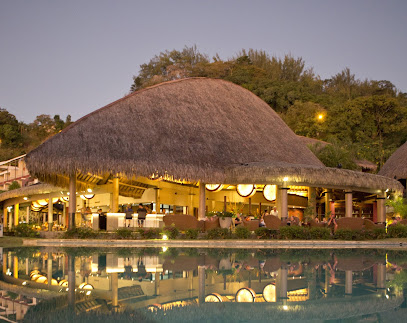
French Polynesia follows French law—same-sex marriage has been legal since 2013, with full anti-discrimination protection. But its real queer credentials go back much further. You won't find a gay ghetto or rainbow flags on every corner in Papeete, for the simplest reason: local culture never built closets in the first place. Gender diversity is woven into the islands' identity—their mana. There aren't any dedicated gay bars; what's here is arguably better: a society where the Western closet never quite fit, plus a modern movement giving it political shape.
Māhū and raerae—know the difference
These two words aren't interchangeable, and visitors should understand them. Māhū is an ancient, traditional Polynesian gender identity: a person born male who takes on a woman's social, family, and spiritual role. It's a respected, even sacred status that predates European contact by centuries. Raerae is a modern term from the early 1960s, referring mainly to transgender women, or to feminine gay men in a more Western mold. Using them correctly shows basic cultural respect—and understanding the distinction explains how deep queer Polynesia actually runs.
Cousins Cousines—and Pride with real roots
Cousins Cousines de Tahiti, founded in 2007, is French Polynesia's LGBTQIA+ association, active across all five archipelagos. Since 2023, it's organized Tahiti Pride Week annually (recent editions in early March): a marche des fiertés through Papeete, plus talks, screenings, and parties. With no commercial gay clubs, the community's nightlife happens through what the association and its orbit organize: cabaret evenings, drag shows, and pop-up parties. Trans performers headline mainstream stages here in a way Paris could envy. Check cousinscousines.pf before you fly; that calendar is your entry point.
The welcoming spots, by name
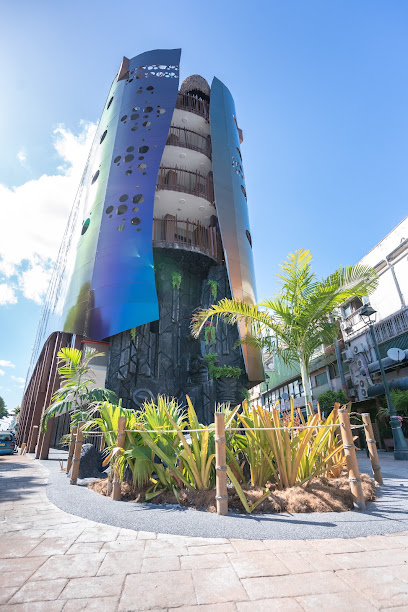
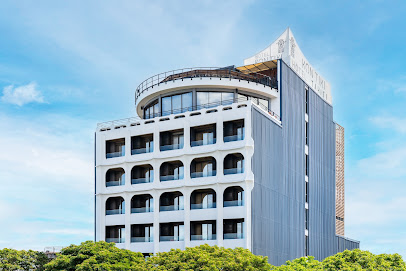
Place Vai'ete and its roulottes (food trucks) on the waterfront are Papeete's social heart after dark—open-air, buzzing, egalitarian, everyone at shared tables under the sky. Le Morrison's Café is the central rooftop bar-lounge above the shopping center: a mixed, cosmopolitan crowd, great music, unbeatable at sunset. Malabar Bistro is the chic, trendy bistro-bar downtown, drawing a young, artsy, open crowd. Le Retro on Boulevard Pomare is the historic café-bar on the main promenade—perfect for people-watching and easy daytime meetings. Café Maeva, upstairs in the Marché de Papeete, is where you feel the city's daily rhythm over morning coffee. And Le Royal Tahitien in Pirae, the historic hotel-restaurant just outside the center, hosts live Polynesian music nights where dancers from the community are a natural part of the stage.
A typical Papeete evening, the local way: sunset cocktail on Le Morrison's rooftop, then poisson cru—raw fish in coconut milk—at the roulottes of Place Vai'ete under the open sky, and a cold Hinano at Malabar to close.
Island-hopping—the practical part
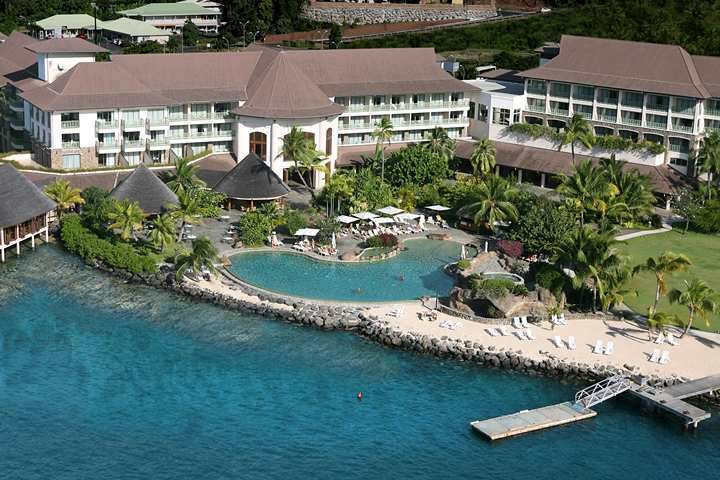
Papeete is the urban gateway; the honeymoon happens on the outer islands. Moorea is 30 minutes by ferry—Aremiti or Terevau, several sailings daily, no booking stress. Bora Bora is under an hour with Air Tahiti, whose multi-island passes make a two- or three-island trip dramatically cheaper than point-to-point tickets. The resorts treat same-sex couples as exactly what they are: high-value romantics. Overwater bungalow, couples' massage, sunset outrigger—nobody will blink.
The digital scene
The apps are active in Papeete and around the resorts, with the usual island discretion; many connections happen through the cabaret and association scene instead. The grid mixes locals, French expats, and resort staff—and a friendly message in French goes furthest.
Practical notes
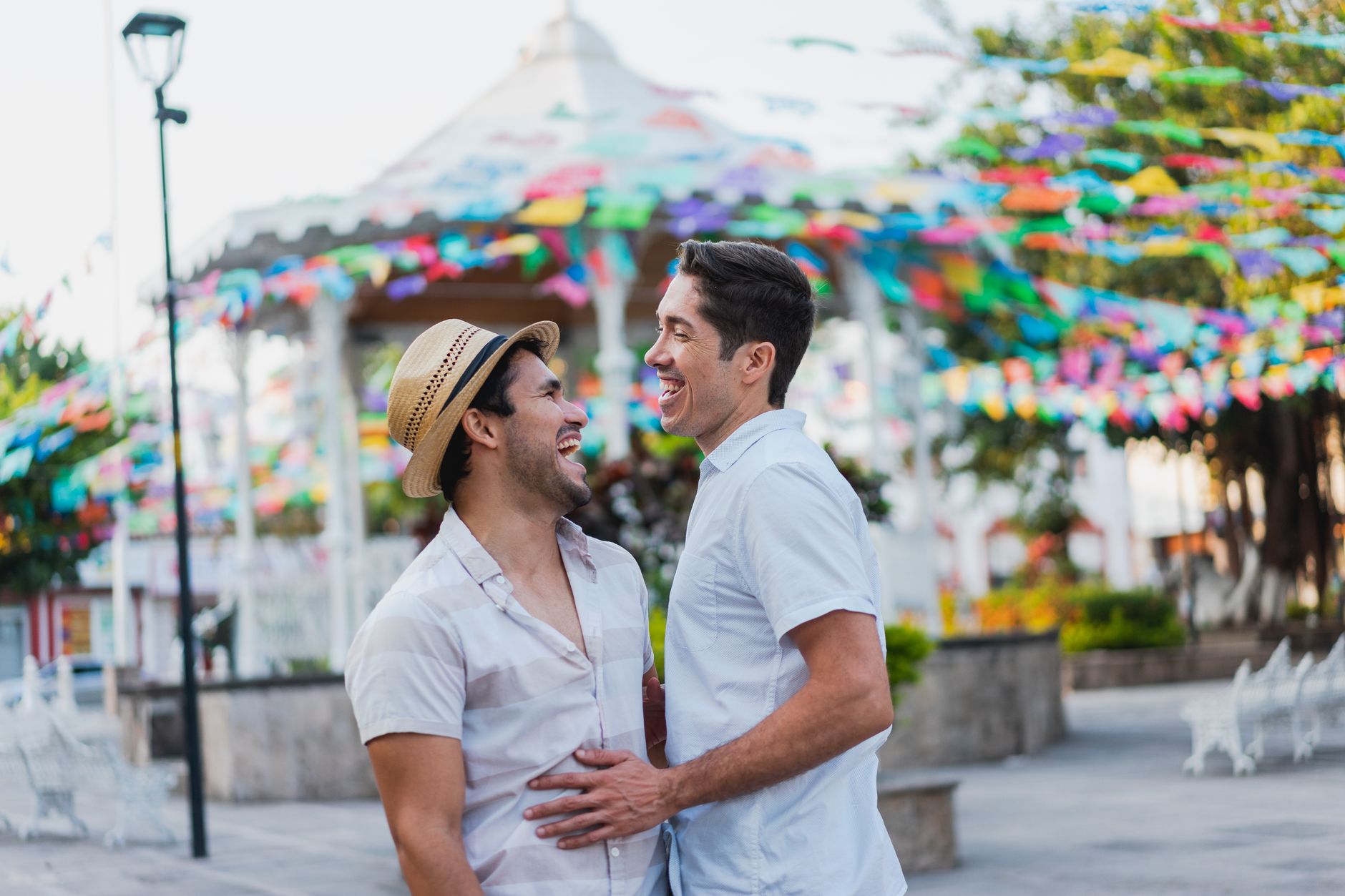
Holding hands at sunset by the Bora Bora pool, or wandering the Papeete market as a couple? Expect a wide smile and a warm 'Ia Ora Na'. LGBTQ+ tourism is received here with complete naturalness, in the capital and the resorts alike (outer villages are more traditional; read the room as anywhere). The CFP franc is pegged to the euro; prices are resort-high. Flights arrive at Faa'a from Paris, LA, San Francisco, and Auckland. Early March brings Pride Week in the capital; June-October is the dry-season sweet spot.
Frequently asked questions
Yes — Papeete has an active LGBTQ+ scene with bars, clubs and Pride events. Browse the venues on this page for the most-reviewed spots, and check the calendar for upcoming events.
We list the top-reviewed gay bars and clubs in Papeete on this page. Filter by category and rating to find dance clubs, cocktail bars, cruise bars and more — every venue is verified by the GayOut community.
Pride season (typically June–July in the northern hemisphere) is the most lively time, with parades and parties. Spring and early autumn are also great for sightseeing without summer crowds. Check the events calendar above for specific dates.
Yes — see the "Where to stay in Papeete" map above for hotels with current prices, including LGBTQ+ welcoming properties recommended by our community.
Papeete is generally safe for LGBTQ+ visitors in tourist and central areas. Standard travel-safety advice applies. Check the country page for an LGBTQ+ rights overview specific to French Polynesia.
Your privacy choices.
We use cookies to run GayOut and, with your consent, measure usage. Learn more
Your privacy choices
We use cookies to keep GayOut running, remember your preferences, and (with your permission) measure how the site is used. You can accept all, reject all, or pick what you allow. Learn more
Essential
Required for sign-in, fraud prevention, CSRF protection and remembering your language. Cannot be disabled.
Always on
Remembers your favourites, dark mode and other interface preferences across visits.
Helps us understand which pages people visit (Google Analytics, server-side stats) so we can improve.
Used by campaign tracking pixels. None are active right now, reserved for future use.
Install GayOut
Add GayOut to your home screen for faster access, offline favourites, and Pride alerts.


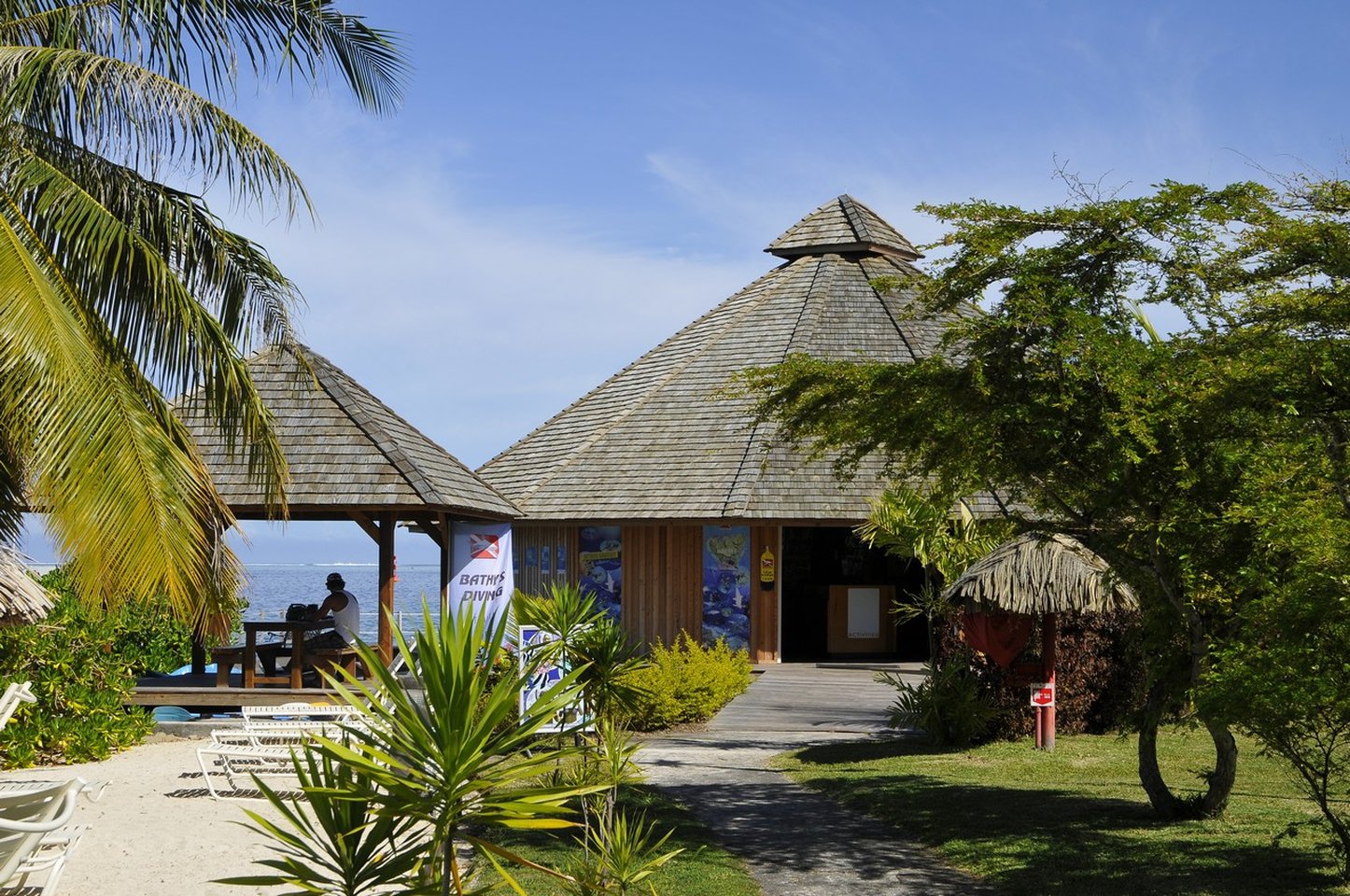 Gay-Friendly Hotel
(2193)
Gay-Friendly Hotel
(2193)