No national recognition of same-sex partnerships. Many municipalities issue partnership certificates. National same-sex marriage ruling is expected from courts. Social acceptance varies widely.
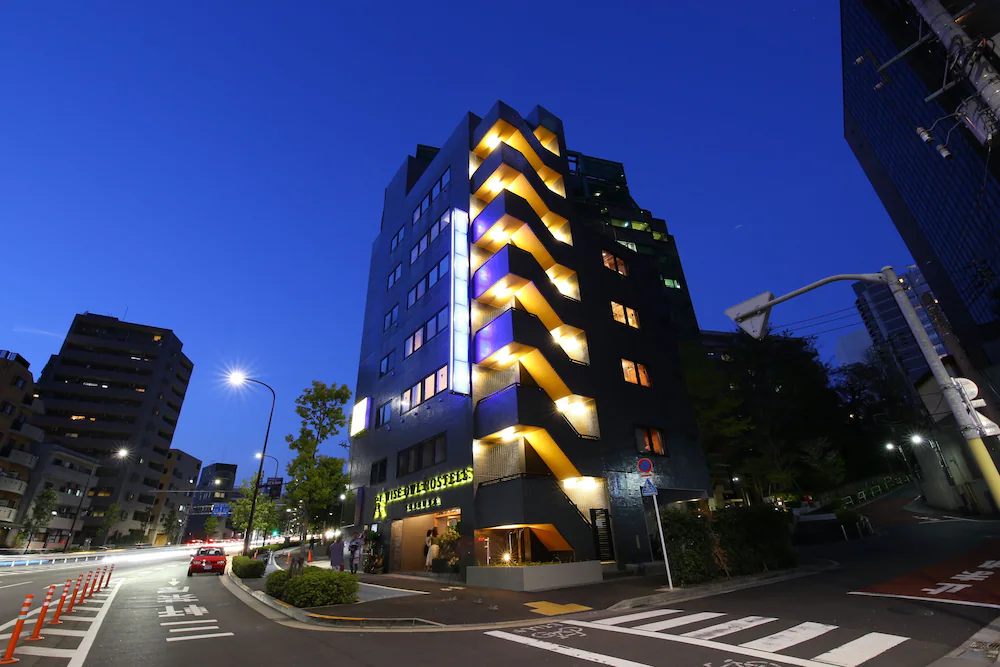
Discover MATSUMIZAKA hill, an inclusive and welcoming LGBTQ+ friendly hotel located in Tokyo's charming Meguro-ku, offering a comfortable stay for all travelers.
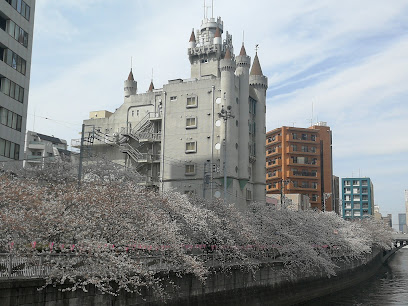
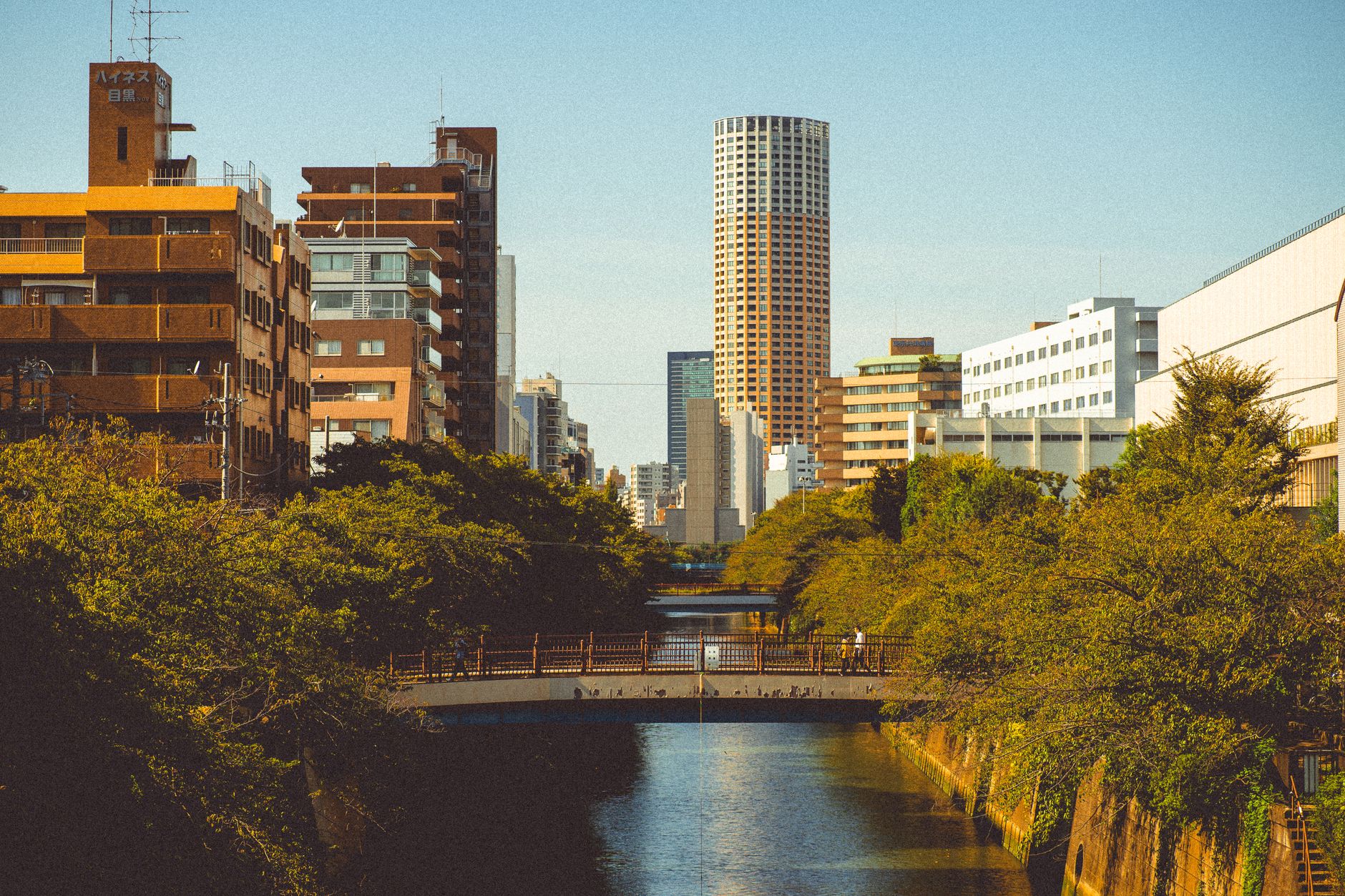
Meguro-ku (目黒区) is one of Tokyo's 23 special wards, a mostly residential, upscale area in the city's central-south. It is best known for the Meguro River cherry blossoms, the boutiques and cafés of Nakameguro, and leafy neighbourhoods such as Yutenji, Gakugei-daigaku and Komaba. Meguro-ku is not a gay entertainment district and has no dedicated gay bars, clubs or saunas of its own. What it offers LGBTQ+ visitors is a calm, comfortable and very safe base with excellent train links to the areas that do have a scene — Ebisu (one stop north, in Shibuya-ku), Shibuya, and Tokyo's main gay quarter, Shinjuku Ni-chōme.
HISTORY AND CONTEXT
Tokyo's visible gay scene developed from the 1970s and 1980s around Shinjuku Ni-chōme, which remains the largest concentration of LGBTQ+ venues in Asia. Meguro-ku, as a residential ward, never developed a bar scene of its own; instead it became a desirable place to live and, more recently, a fashionable place to eat and shop. Modern Tokyo Pride (formerly Tokyo Rainbow Pride) grew from events dating to the 1990s into Japan's largest Pride, and in 2022 the Tokyo Metropolitan Government introduced a same-sex partnership oath system in which Meguro-ku participates. Social attitudes in Tokyo are increasingly accepting, even though Japan still has no national marriage equality and only limited anti-discrimination protections.
NEIGHBOURHOODS AND AREAS
NAKAMEGURO (中目黒)
The heart of Meguro-ku's appeal: a stretch of the Meguro River lined with cherry trees, independent cafés, wine bars, design shops and small restaurants. It is a mixed, style-conscious area that is comfortable and welcoming rather than a gay district.
YUTENJI, GAKUGEI-DAIGAKU AND KOMABA
Quiet residential neighbourhoods with local izakaya, coffee shops and student life around Komaba (University of Tokyo). Pleasant to stay in, but without dedicated LGBTQ+ venues.
EBISU (恵比寿) — NOTE
Ebisu is often mentioned alongside Meguro because Ebisu Station is close by, but Ebisu is administratively part of the neighbouring Shibuya-ku, not Meguro-ku. Ebisu is an upscale dining and nightlife area with a small number of gay and gay-friendly bars tucked into its backstreets; those venues are covered under Shibuya on this site.
NIGHTLIFE — WHERE THE SCENE ACTUALLY IS
There are no dedicated gay bars within Meguro-ku itself. The nearest options are a short train ride away:
- Ebisu (Shibuya-ku), one stop north on the JR Yamanote Line, has a handful of small, conversation-focused gay bars.
- Shinjuku Ni-chōme (Shinjuku-ku), roughly 15–20 minutes by train, is Tokyo's dedicated gay district, with several hundred bars and clubs ranging from tiny "snack" bars to large events venues such as AiSOTOPE LOUNGE, EAGLE Tokyo and KING TOKYO. It is the obvious destination for a night out.
As with the rest of Tokyo, many small bars have cover charges (typically ¥1,000–3,000), some are members-only or Japanese-language oriented, and cash is often preferred. Checking current listings on Japanese gay sites or apps before visiting is wise, as venues change frequently.
PRIDE AND MAJOR EVENTS
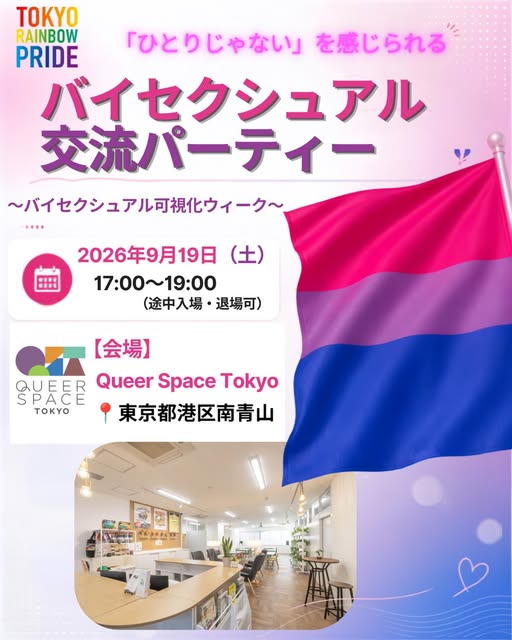
TOKYO PRIDE (formerly Tokyo Rainbow Pride) is Japan's largest LGBTQ+ event, held in early June and centred on Yoyogi Park in adjacent Shibuya-ku, with a festival and a parade through central Tokyo drawing well over 100,000 people. (The event moved from its former late-April/early-May slot to June from 2025 to align with global Pride Month.) Meguro residents and visitors take part easily thanks to the ward's central location. Other citywide events through the year include Rainbow Reel Tokyo (the LGBTQ+ film festival) and the Asian Queer Film Festival. There is no Pride event specific to Meguro-ku.
WHERE TO STAY
Meguro-ku is a practical, quiet base with good hotels near the Meguro River and the JR/subway lines, from design and business hotels to hostels. Staying here gives you fast access to Shibuya (a few minutes), Ebisu (one stop) and Shinjuku, while avoiding the busier nightlife districts. Japan places no legal restrictions on same-sex couples booking accommodation, and Tokyo hotels routinely treat all couples equally. Visitors who want to be closer to the nightlife may prefer Shibuya-ku or Shinjuku-ku (home to Ni-chōme).
Meguro-ku is served by the JR Yamanote Line (Meguro and Ebisu stations), the Tokyu Tōyoko and Meguro lines, and Tokyo Metro / Toei subway lines including the Hibiya and Namboku lines. From Nakameguro or Meguro, Shibuya is a few minutes away, Ebisu is one stop, and Shinjuku Ni-chōme is about 15–20 minutes. An IC card (Suica or Pasmo) makes travel simple, and English signage is common at major interchanges, though the ward itself is residential with less English than central tourist areas.
FOOD AND DINING
This is one of Meguro-ku's real strengths. Nakameguro and the wider ward are full of well-regarded restaurants, bakeries, coffee shops and wine bars, from ramen and sushi to modern Japanese and international cooking. The area is relaxed and welcoming to all visitors; it is a dining destination in its own right rather than a nightlife one.
DAY TRIPS AND NEARBY AREAS
SHINJUKU NI-CHŌME — Tokyo's gay district, about 15–20 minutes by train, and the natural place for an evening out.
SHIBUYA AND EBISU — adjacent to Meguro-ku, a few minutes away, for shopping, dining and the nearest gay-friendly bars.
HARAJUKU AND MEIJI SHRINE — fashion, street culture and one of Tokyo's most important shrines, just beyond Shibuya.
Longer trips to Kamakura or Nikkō (60–90 minutes) are popular for temples, shrines and scenery.
SAFETY AND PRACTICAL NOTES
Tokyo is one of the safest large cities in the world, and Meguro-ku is a quiet, low-risk residential ward. Violent anti-LGBTQ+ incidents are very rare. Public displays of affection of any kind are relatively reserved in Japan, but there is no hostility to same-sex couples in everyday settings. Drug laws are extremely strict, with prison and deportation for foreigners even for minor offences. Legal protections remain limited nationally — no marriage equality, incomplete anti-discrimination law — but Tokyo's partnership oath system (which Meguro-ku joins) offers same-sex couples some recognition. Tap water is safe, convenience stores are everywhere, and ATMs at convenience stores accept international cards.
CONCLUSION
Meguro-ku is not where Tokyo's gay nightlife happens, and this guide does not pretend otherwise. What it is, is an attractive, safe and well-connected residential ward — strongest on food, cherry blossoms and everyday comfort — from which Ebisu, Shibuya and Shinjuku Ni-chōme are all a short train ride away. For travellers who want a calm neighbourhood base with the whole city's scene within easy reach, Meguro-ku is a sensible and pleasant choice.
Frequently asked questions
Yes. Tokyo is one of the safest big cities in the world and Meguro-ku is a quiet, upscale residential ward where anti-LGBTQ+ incidents are very rare. Public displays of affection are reserved across Japanese culture generally, but same-sex couples encounter no hostility in everyday settings such as hotels, restaurants and trains. Note that Japan's legal protections are still limited nationally, though Tokyo operates a same-sex partnership oath system that Meguro-ku takes part in.
No. Meguro-ku is a residential ward with no dedicated gay bars, clubs or saunas of its own. The nearest options are a short train ride away: a handful of small gay-friendly bars in Ebisu (which is in the neighbouring Shibuya-ku, one stop north on the JR Yamanote Line), and Tokyo's main gay district, Shinjuku Ni-chōme, about 15–20 minutes away with several hundred venues.
Shinjuku Ni-chōme in Shinjuku-ku is Tokyo's gay quarter and the largest concentration of LGBTQ+ bars in Asia, with everything from tiny 'snack' bars to big events venues such as AiSOTOPE LOUNGE, EAGLE Tokyo and KING TOKYO. From Meguro or Nakameguro it is roughly 15–20 minutes by train. Ebisu, one stop away, also has a few smaller gay bars in its backstreets.
Ebisu is often mentioned together with Meguro because the stations are close, but Ebisu is administratively part of Shibuya-ku, not Meguro-ku. Ebisu is an upscale dining and nightlife area with a small number of gay and gay-friendly bars; on this site those venues are listed under Shibuya.
Tokyo Pride (formerly Tokyo Rainbow Pride) is Japan's largest LGBTQ+ event and is held in early June, centred on Yoyogi Park in adjacent Shibuya-ku, with a festival and a parade through central Tokyo. The event moved from its former late-April/early-May dates to June from 2025 to align with global Pride Month. There is no separate Pride event specific to Meguro-ku, but the ward's central location makes it easy to take part.
Yes, if you want a calm, well-connected base rather than to be in the middle of the nightlife. Meguro-ku offers good hotels near the Meguro River and the JR/subway lines, excellent restaurants and cafés, and fast trains to Shibuya (a few minutes), Ebisu (one stop) and Shinjuku. Travellers who want to walk to gay bars may prefer Shibuya-ku or Shinjuku-ku instead.
Your privacy choices.
We use cookies to run GayOut and, with your consent, measure usage. Learn more
Your privacy choices
We use cookies to keep GayOut running, remember your preferences, and (with your permission) measure how the site is used. You can accept all, reject all, or pick what you allow. Learn more
Essential
Required for sign-in, fraud prevention, CSRF protection and remembering your language. Cannot be disabled.
Always on
Remembers your favourites, dark mode and other interface preferences across visits.
Helps us understand which pages people visit (Google Analytics, server-side stats) so we can improve.
Used by campaign tracking pixels. None are active right now, reserved for future use.
Install GayOut
Add GayOut to your home screen for faster access, offline favourites, and Pride alerts.



 Gay-Friendly Hotel
(51)
Gay-Friendly Hotel
(51)