No national recognition of same-sex partnerships. Many municipalities issue partnership certificates. National same-sex marriage ruling is expected from courts. Social acceptance varies widely.
Massage service for men. La Vie En Rose Tokyo offers 60-min, 90-min, 120-min massage courses by Japanese male therapists. Open from noon until midnight. Outcall welcome!
Nakano City (中野区) is one of Tokyo's 23 special wards, sitting just west of Shinjuku across the Yamanote loop. While not traditionally recognized as Tokyo's primary LGBTQ+ district—that distinction belongs to Shinjuku 2-chome—Nakano has developed an increasingly visible and welcoming queer presence over the past decade. The neighborhood combines youth culture, creative industries, LGBTQ+-friendly attitudes, and excellent access to greater Tokyo.
History and Current Scene
Nakano's modern identity coalesced in the 1990s around Nakano Broadway, the iconic shopping center opened in 1966. The Broadway became a pilgrimage site for manga, anime, and otaku (geek) culture enthusiasts. This creative, countercultural milieu naturally attracted diverse populations, including LGBTQ+ individuals. Unlike Shinjuku's gay scene, which developed through explicit gay bars and clubs during the 1980s-90s, Nakano's queer community emerged more organically through shared interests in subculture and alternative lifestyles.
Today, Nakano functions as part of Tokyo's broader LGBTQ+ ecosystem rather than as a separate gay enclave. Many LGBTQ+ creatives—artists, manga writers, designers, fashion entrepreneurs—base themselves in Nakano because of affordable rents (relative to central Tokyo), the creative community, and lack of stigma. While fewer dedicated gay bars exist compared to Shinjuku, LGBTQ+ visibility in general nightlife spaces is notable.
Neighborhoods and Getting Around
Nakano Station—served by the JR Chūō (Rapid) and Chūō-Sōbu lines and the Tokyo Metro Tōzai Line—is the main hub, reaching Shinjuku in about four minutes. (The Marunouchi Line runs through the ward at different stations: Shin-Nakano, Nakano-sakaue and Nakano-fujimichō.) The station has North and South exits. The South Exit leads toward Nakano Broadway and the main shopping/nightlife area. The North Exit connects to residential neighborhoods and smaller bars.
The Nakano Broadway complex itself dominates the immediate area—a seven-story building mixing retail, restaurants, arcades, and entertainment venues. It's openly welcoming to LGBTQ+ customers and employees, and the diverse crowd reflects Tokyo's accepting urban culture.
Beyond Broadway, Nakano's neighborhoods include small streets with bars, restaurants, and shops. Most of the nightlife sits around the South Exit and along the streets toward Nakano-sakaue (one stop east on the Marunouchi Line), where the ward's small cluster of gay and mixed bars is concentrated. The surrounding neighbourhoods—Arai, Kamitakada, Yayoichō and Higashi-Nakano—are quiet and residential.
Venues and Nightlife
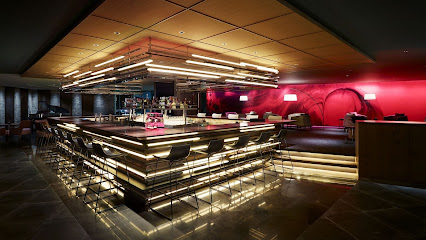
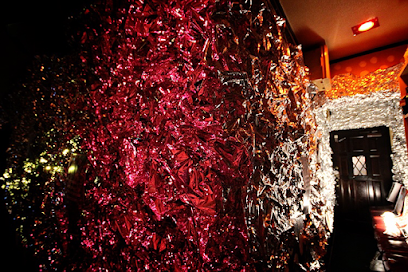
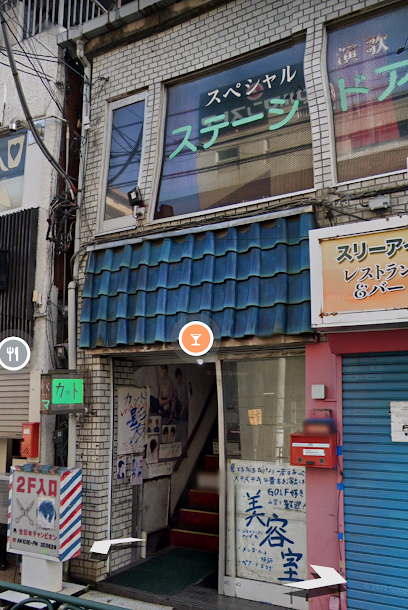
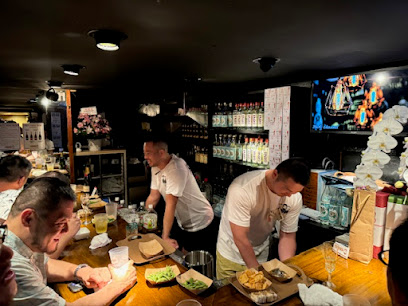
Nakano's LGBTQ+ scene is small but real. Rather than a single organised gay quarter like Shinjuku Ni-chome, the ward has a scattered handful of intimate gay counter bars. The oldest is Bar Zatta (near Araiyakushi-mae, open since 2000); more recent additions include PROUD SECOND (プラセカ) near the South Exit, Laf and BAR Soi2 and CREST around Nakano-sakaue, BAR トドメ in Chūō, and 東京Ken☆Ken☆ in Kamitakada. These are classic Tokyo upstairs counter bars—tiny, friendly, and locally run—rather than large clubs.
The South Exit area has the highest concentration of bars and small clubs. Visitors should explore side streets branching from the main thoroughfare; many small venues are hidden on upper floors of buildings. Nakano Broadway itself houses several bars and arcades in upper levels where diverse crowds gather.
For those seeking explicitly gay venues, Shinjuku 2-chome remains 3 minutes away by train and offers over 150 dedicated gay bars, clubs, and saunas. Many Nakano residents frequent Shinjuku for specific nights out, so the two neighborhoods function as complementary destinations.
Tokyo Rainbow Pride (rebranded Tokyo Pride in 2025) is Japan's largest LGBTQ+ event, held each June at Yoyogi Park in nearby Shibuya, with a parade through Shibuya and Harajuku (the 2026 edition runs 6–7 June). The festival attracts hundreds of thousands of participants and includes parades, stages, vendor booths, and celebrations across multiple days. Many Nakano residents and businesses participate, with local bars and shops hosting associated events.
Other events include smaller community gatherings, LGBTQ+ film festivals (Tokyo International LGBTQ+ Film Festival typically in spring), and various club events throughout the year. Nakano's creative community frequently hosts drag shows, queer art exhibitions, and performance events at small theaters and clubs.
Accommodation
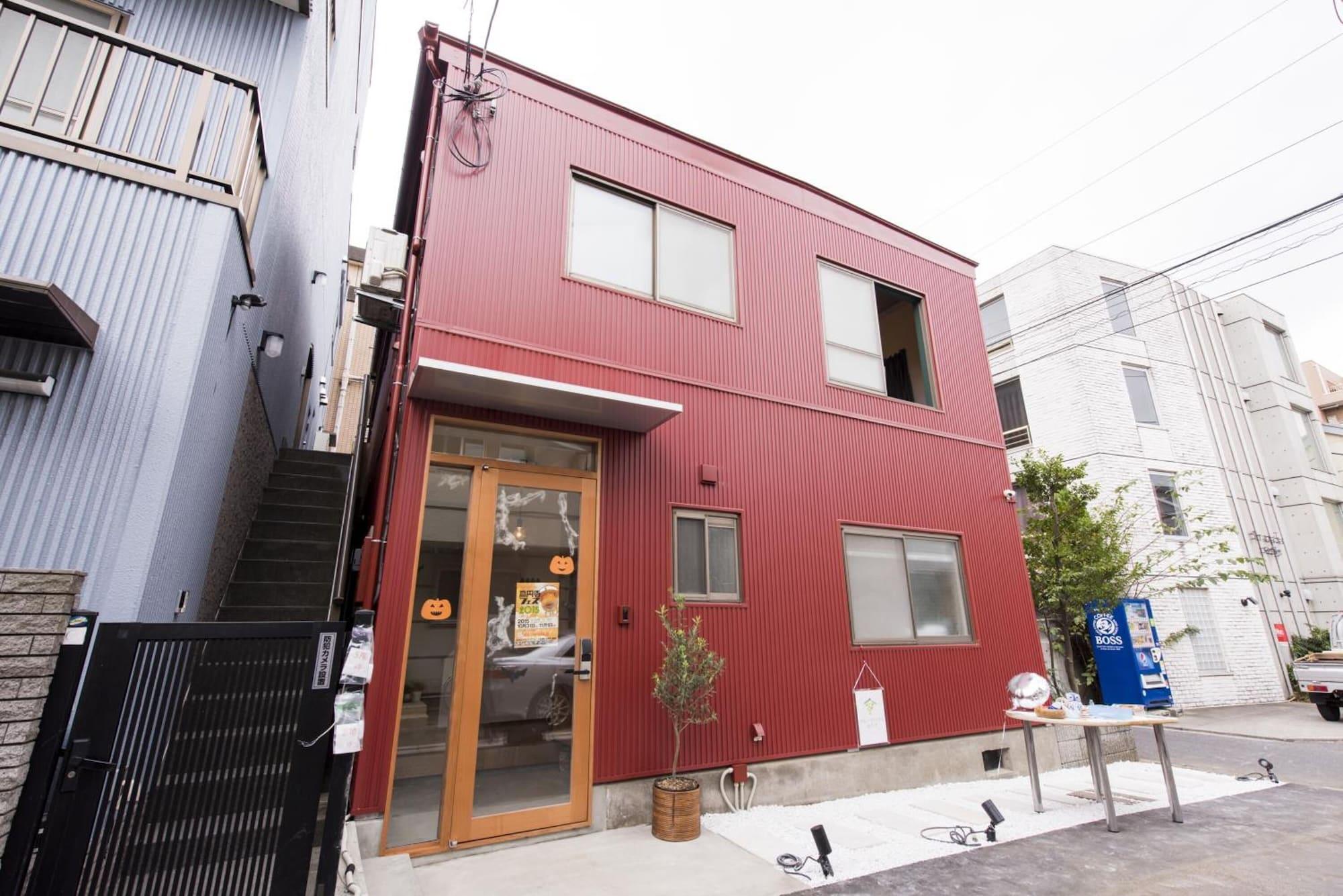
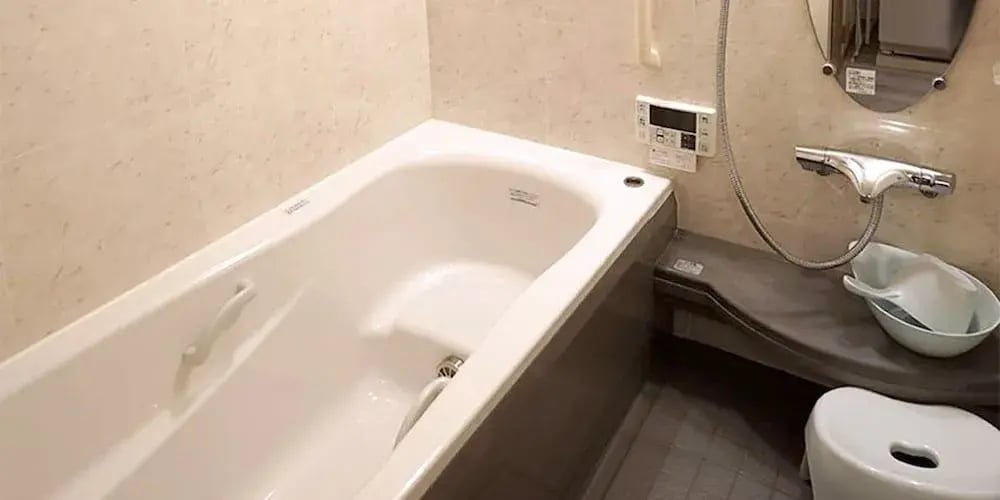
Nakano offers numerous hotels, hostels, and Airbnb options. Business hotels near Nakano Station provide affordable, clean rooms typical of Tokyo chains. Hostels cater to international backpackers and often have LGBTQ+-friendly atmospheres. Renting an apartment or guesthouse appeals to longer stays, with agencies facilitating short-term rentals.
Staying in Nakano offers advantages over Shinjuku: quieter nights, better value, proximity to diverse neighborhoods, and access to authentic local life. The area has far fewer explicit gay hotels than Shinjuku, but general accommodations are numerous and welcoming.
Nakano excels in casual dining. Ramen shops, conveyor-belt sushi restaurants, tonkatsu (pork cutlet) specialists, and izakayas fill every block. The area has excellent international options including Korean, Chinese, Thai, Vietnamese, and Indian cuisines. Vegan and vegetarian restaurants are increasingly common throughout Tokyo and present in Nakano.
Nakano Broadway has food courts and restaurants within the building. The surrounding streets offer everything from Michelin-starred establishments to ¥500 lunch sets. Late-night dining is plentiful, with many restaurants open until midnight or later.
Safety and Practical Information
Japan is exceptionally safe for LGBTQ+ travelers. While same-sex marriage is not yet legal nationally, Tokyo is highly progressive: Nakano ward has issued same-sex partnership certificates since 2018, and discrimination in public spaces is rare. Nakano is no exception—openly LGBTQ+ individuals and couples move through the neighborhood without harassment.
Tokyo's public transportation is excellent, clean, and extensively mapped in English. IC cards (Suica/Pasmo) enable seamless train, bus, and convenience store access. English signage in Nakano and the surrounding area is adequate, though learning a few Japanese phrases enhances interaction.
Daylight saving time is not observed. The climate varies seasonally; spring (March-May) and autumn (September-November) offer comfortable weather ideal for exploring.
Day Trips and Wider Tokyo
From Nakano, the entire Tokyo metropolitan area is accessible via the Marunouchi Line and connections. Nearby destinations include Shinjuku (2 minutes), Shibuya (15 minutes including transfers), Ginza (20 minutes), and the Imperial Palace area (15 minutes).
Shinjuku Gyoen National Garden lies a few kilometres east, an easy trip via Shinjuku, and offers beautiful landscaped grounds. Closer to home, Nakano's own back streets reward slow wandering. Harajuku and Omotesando, famous for youth fashion, are 15-20 minutes away and welcoming to LGBTQ+ visitors.
Beyond central Tokyo, the Marunouchi Line extends to suburban areas and connects to the national rail network for trips to Mt. Fuji, Hakone, Kamakura, and beyond.
Who Should Visit
Nakano suits travelers seeking authentic Tokyo experiences, manga and anime culture, alternative nightlife, and an integrated LGBTQ+ community. Those wanting a concentrated gay scene should combine Nakano with Shinjuku 2-chome. Families, solo travelers, and groups all find welcoming atmospheres and diverse activities.
The neighborhood offers a window into contemporary Tokyo culture where LGBTQ+ identity is simply one thread in a complex, creative, and progressive urban tapestry.
Frequently asked questions
Tokyo, including Nakano City, is remarkably safe for LGBTQ+ travelers. The neighborhood embodies casual acceptance, and queer individuals and couples can move through public spaces without significant social friction.
The Nakano Station area is the main hub. North of the station, Nakano Broadway and surrounding arcades offer shops and entertainment. South of the station, residential streets are quieter and more local.
Yes, on a small scale. Nakano has a scattered cluster of intimate gay counter bars—Bar Zatta (open since 2000), PROUD SECOND, Laf, CREST and BAR Soi2 around Nakano-sakaue, BAR トドメ in Chūō, and 東京Ken☆Ken☆ in Kamitakada. These are tiny, locally run neighbourhood bars rather than the dense, tourist-oriented gay quarter of Shinjuku Ni-chome, which remains only a few minutes away by train.
Nakano does not host its own Pride. Tokyo's main celebration is Tokyo Rainbow Pride (rebranded Tokyo Pride in 2025), held each June at Yoyogi Park in nearby Shibuya, with a parade through Shibuya and Harajuku. The 2026 edition runs 6–7 June, a short train ride from Nakano.
Nakano has no dedicated gay hotels, but it offers plenty of clean, affordable, LGBTQ-friendly business hotels and guesthouses near Nakano Station—options include Luana Hotel Nakano Ekimae, Court Residence Tokyo Nakano and Shinjuku Wanto House. Staying here means quieter nights and better value, with Shinjuku just one stop away.
Nakano offers a more organic, integrated queer community experience compared to the more intense, segregated gay district of Shinjuku 2-chome. It reflects younger LGBTQ+ individuals choosing to live and socialize in regular neighborhoods.
Your privacy choices.
We use cookies to run GayOut and, with your consent, measure usage. Learn more
Your privacy choices
We use cookies to keep GayOut running, remember your preferences, and (with your permission) measure how the site is used. You can accept all, reject all, or pick what you allow. Learn more
Essential
Required for sign-in, fraud prevention, CSRF protection and remembering your language. Cannot be disabled.
Always on
Remembers your favourites, dark mode and other interface preferences across visits.
Helps us understand which pages people visit (Google Analytics, server-side stats) so we can improve.
Used by campaign tracking pixels. None are active right now, reserved for future use.
Install GayOut
Add GayOut to your home screen for faster access, offline favourites, and Pride alerts.



![[9/25Fri] La Noche – Women-only Latin Dance Night💃✨](https://secure.meetupstatic.com/photos/event/a/8/2/b/600_531823051.jpeg)

![PROUD SECOND[プラセカPRSC]](https://www.gayout.com/uploads/venues/36633/dfs-700aa1194cbd.jpg) Gay Bars & Clubs
Featured
(7)
Gay Bars & Clubs
Featured
(7)