Never criminalized; same-sex ceremonies removed from prohibited list in 2015, but no partnership recognition or anti-discrimination law. Big-city scenes (Saigon, Hanoi) operate openly and police do not target gay venues; discretion advised outside nightlife areas.
Never miss a gay event in Hoi An
One email a week — the weekend lineup, parties and deals. No spam, unsubscribe anytime.
Weekly event updates. Notifications appear on your lock screen.
On iPhone: first add GayOut to your Home Screen (Share → Add to Home Screen), then open it from there to enable notifications.
Hoi An is a small, picturesque city in Quang Nam Province in central Vietnam, approximately 30 kilometers south of Da Nang. With a population of around 120,000, it is famous worldwide for its Ancient Town (Pho Co), a beautifully preserved example of Southeast Asian architecture from the 15th to 19th centuries. The city has become increasingly popular with international tourists seeking cultural experiences, culinary tourism, and access to nearby beaches.
The LGBTQ+ scene in Hoi An is understated compared to larger Vietnamese cities like Ho Chi Minh City or Hanoi. Vietnam has never criminalized same-sex sexual activity, and there is no legal prohibition against LGBTQ+ expression. However, same-sex marriage remains unrecognized, and social acceptance varies by region and generation. In Hoi An, the younger generation, tourism workers, and educated professionals tend to be more accepting. The city's international character and reliance on tourism have fostered a generally welcoming environment, though discretion may still be appreciated in more conservative settings.
History and Development of the LGBTQ+ Scene
Vietnam's modern LGBTQ+ rights movement gained momentum through the 2000s and 2010s. Major cities like Ho Chi Minh City developed visible gay scenes with bars, clubs, and cultural events. Hoi An, being smaller and primarily tourist-focused, never developed a dedicated gay district. Instead, LGBTQ+ travelers and residents rely on a network of gay-friendly cafes, restaurants, and accommodations scattered throughout the Ancient Town and surrounding areas.
Local LGBTQ+ activism in Hoi An is minimal compared to Hanoi or HCMC, where Pride marches and community centers operate. However, the city benefits from its tourism industry's need to be welcoming to international visitors of all orientations. Several guesthouse owners, restaurateurs, and tour operators are themselves LGBTQ+ or actively market to LGBTQ+ clients.
Key Areas and Neighborhoods
Ancient Town (Pho Co): This is the heart of tourist activity in Hoi An and where most visitor-oriented gay-friendly venues are located. The area is a compact, pedestrian-friendly labyrinth of narrow streets lined with shophouses, restaurants, cafes, and tailor shops. The Ancient Town is best explored on foot. Main thoroughfares include Tran Phu Street, Nguyen Hue Street, and streets running parallel to the Thu Bon River. Many gay-friendly cafes and bars have river views or terraces overlooking the picturesque old streets.
Cau Nhat (Japanese Bridge area): This small neighborhood on the western edge of the Ancient Town centers around the iconic Japanese Bridge, built in the 16th century. It is quieter and more residential than central areas but still contains some tourist infrastructure and is a pleasant walking destination.
Cam Thanh and Coconut Village: Just outside the Ancient Town, this area features traditional Vietnamese villages accessible by boat, with mangrove forests and local community-based tourism. Not specifically gay-focused, but popular with LGBTQ+ travelers interested in eco-tourism and cultural immersion.
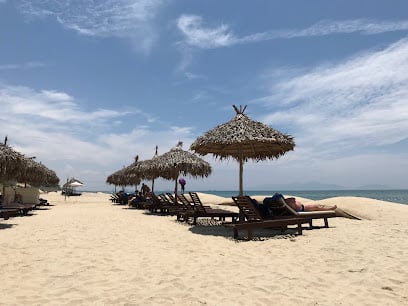
Cua Dai Beach: Located 5 kilometers east of the Ancient Town, this is a popular beach destination with hotels and water sports. Some beachside hotels and bars in this area are known to be gay-friendly.
Key Venues
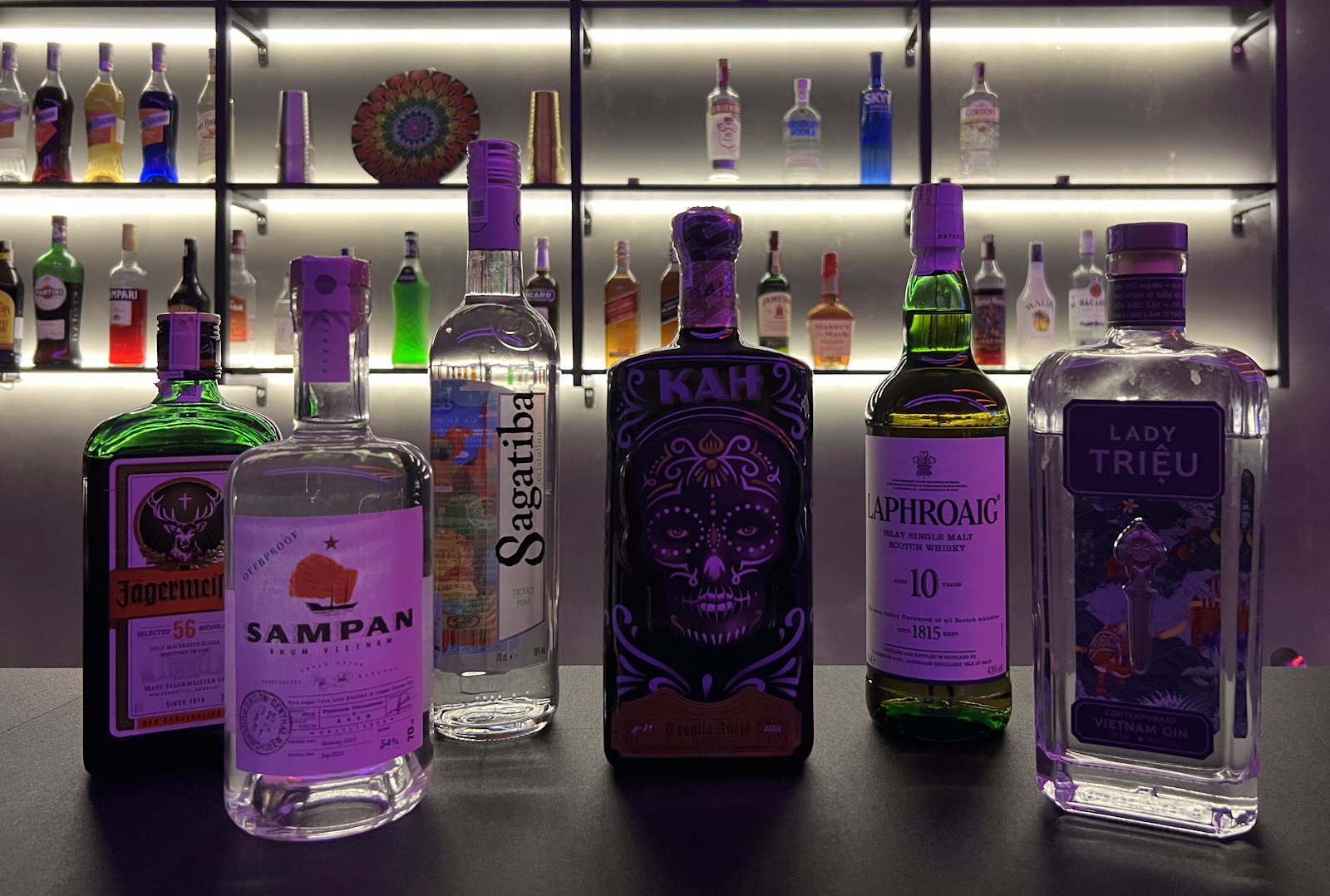
Bars, Drag and Nightlife: Hoi An's one dedicated LGBTQ+ venue is Living Colors LGBTQ+ Bar at 78 Ba Trieu, on the edge of the Ancient Town. This locally owned bar is the reliable heart of the town's queer nightlife, best known for weekend drag nights and drag bingo, affordable cocktails and a warm, come-as-you-are crowd.
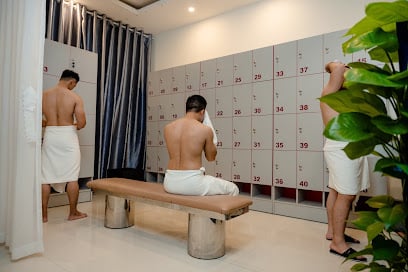
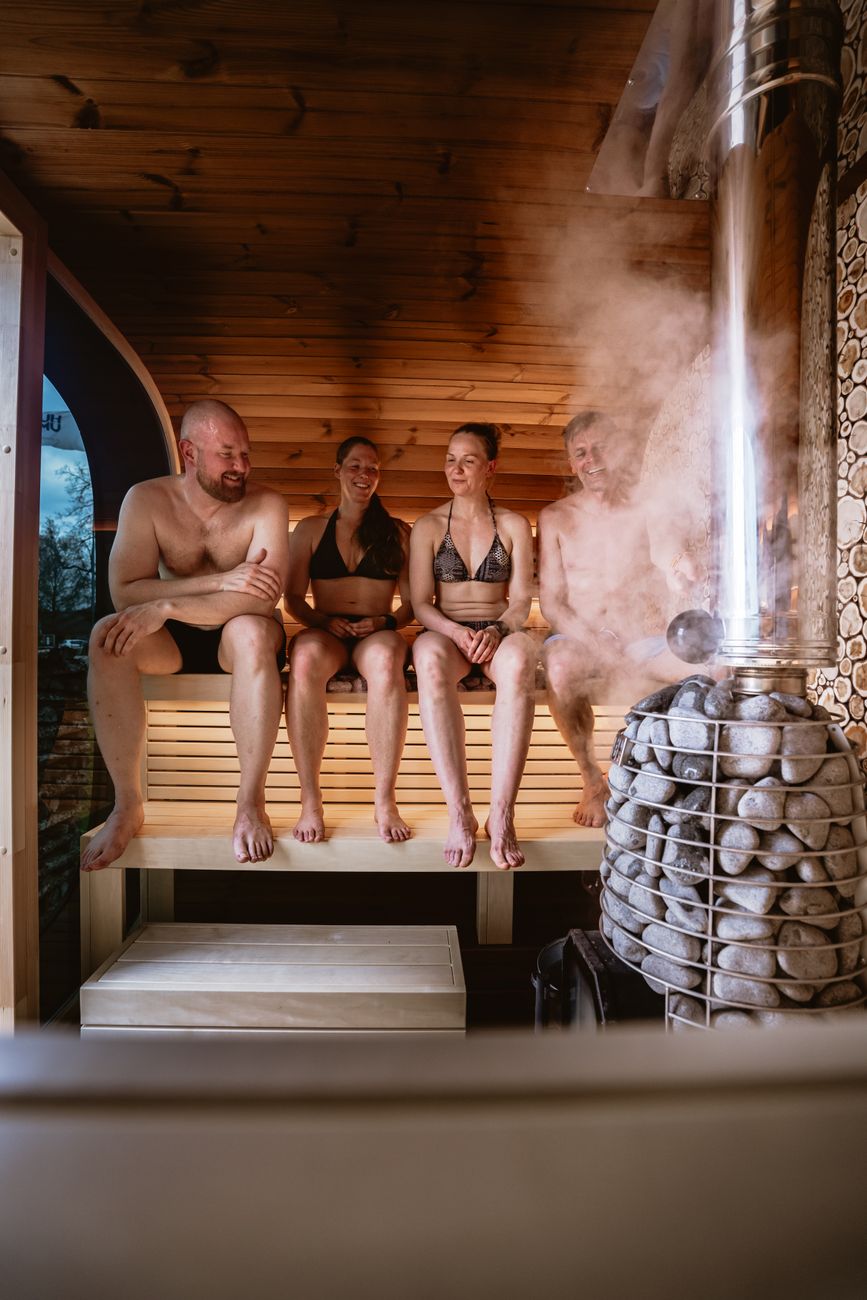
Gay Men's Spas: As across the rest of Vietnam, much of Hoi An's gay scene runs through men-only gay massage spas rather than bars. Rooster Hoi An Spa & Sauna For Men (240 Ly Thai To) is the main gay men's sauna, with dry and steam saunas, a jacuzzi and massage. Male Spa For Men (56 Ba Trieu) and VN Spa For Men (25/7 Duong 18 Thang 8) are further men-only gay massage spas listed in Vietnamese gay guides. For a relaxed meal, Am Vegetarian Restaurant & Hideaway is a gay-owned vegan spot on the green edge of town that features regularly in LGBTQ+ travel guides.
Cooking Schools: Hoi An is famous for cooking classes, and several operators are LGBTQ+-friendly and offer customized group experiences. Red Bridge Cooking School and Hoi An Cooking Class are well-regarded and welcoming to all tourists.
Where to Stay
Accommodations: Many guesthouses and boutique hotels in Hoi An actively cater to LGBTQ+ travelers. Gay-owned businesses such as Am Vegetarian Restaurant & Hideaway are part of Hoi An's small but welcoming LGBTQ+ community. Many boutique properties, while not exclusively gay, have built reputations for being particularly open and friendly. Many boutique hotels in the Ancient Town offer intimate, romantic settings suited to couples.
Tours and Experiences: Several tour operators offer LGBTQ+-specific or LGBTQ+-friendly tours, including cycling tours, lantern-making workshops, and day trips to nearby villages. These are typically arranged through guesthouses or online booking platforms.
Hoi An does not host a dedicated Pride festival or LGBTQ+ cultural event of its own; its main queer nightlife is the regular drag nights at Living Colors LGBTQ+ Bar. The nearest full Pride celebrations are the VietPride events in Hanoi and Ho Chi Minh City, usually held around September, several hundred kilometers away. Some LGBTQ+ travelers time visits to Hoi An around broader Vietnamese cultural events, such as Tet (Lunar New Year) in January/February, which features lantern festivals and celebrations throughout the city.
Rainbow flag sightings in Hoi An are rare outside of specifically LGBTQ+-owned businesses. However, the city's international character means most venues will not be hostile or discriminatory toward openly LGBTQ+ guests.
Getting Around
Transit: Hoi An is a small, walkable city. The Ancient Town is entirely pedestrian-friendly. For trips to outlying areas like beaches or villages, taxis, Grab (Southeast Asia's ride-hailing app), and bicycle rentals are readily available. Bicycles are a popular way to explore, and rental shops are ubiquitous. Motorbike rentals are also common, though driving standards are chaotic by Western norms.
From Da Nang Airport: The nearest airport is Da Nang International Airport (30 kilometers away), serving flights from Ho Chi Minh City, Hanoi, and select international destinations. Shuttle buses, private car services, and Grab rides connect the airport to Hoi An (approximately 45 minutes to 1 hour).
From Da Nang City: Buses run regularly between Da Nang and Hoi An (30-40 kilometers), taking 45 minutes to 1 hour.
Where to Stay
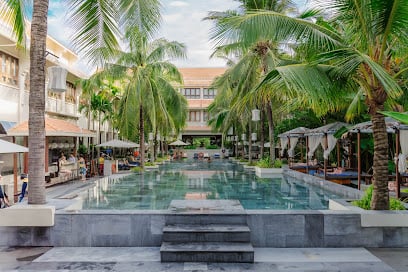
Ancient Town Hotels and Guesthouses: Staying within or immediately adjacent to the Ancient Town provides maximum walkability and atmosphere. Many properties are small, design-forward boutique hotels housed in converted shophouses. Options range from budget backpacker hostels to upscale colonial-style resorts. Prices are significantly lower than comparable properties in Western cities, typically ranging from $20-30 per night for guesthouses to $80-150+ for boutique hotels.
Beachfront Hotels: For those prioritizing beach access, hotels along Cua Dai Beach offer water sports, sunset views, and a more resort-oriented experience while remaining 15 minutes from the Ancient Town.
Recommendations for LGBTQ+ Travelers: Gay-owned spots such as Am Vegetarian Restaurant & Hideaway and the Living Colors LGBTQ+ Bar make good anchors for tapping into local knowledge and a friendly welcome. Many traveler review sites (TripAdvisor, Booking.com) include filters for LGBTQ+-friendly properties; reading recent reviews mentioning LGBTQ+ experiences is advisable. Smaller guesthouses often feature in LGBTQ+ travel guides and forums, where travelers share specific recommendations.
Hoi An is celebrated as Vietnam's culinary capital, famous for dishes like cao lau (a local noodle soup), banh mi (Vietnamese sandwiches), and fresh seafood. The dining scene is deeply tourist-oriented, with hundreds of restaurants ranging from street food stalls to upscale establishments.
Gay-Friendly Restaurants: Hoi An's dining scene is relaxed and welcoming across the board. Am Vegetarian, a small gay-owned vegetarian restaurant in the Old Town, is a standout for LGBTQ+ visitors, serving creative plant-based Vietnamese dishes in an intimate, friendly setting. Beyond it, the Old Town is full of casual, tourist-oriented cafes and restaurants where same-sex couples can dine comfortably without a second glance.
Cooking and Market Tours: Participating in a cooking class is a highlight for many visitors and can include a tour of the local market (Hoi An Central Market), where interactions with vendors and exposure to traditional Vietnamese ingredients enrich the experience.
Street Food: Exploring street food is safe and highly recommended. Areas around the night market offer skewers, soup, and local specialties at minimal cost. Many vendors are welcoming and communicative with tourists despite language barriers.
Cua Dai Beach: A gentle beach 5 kilometers east, suitable for swimming and water sports. Less crowded and more local than My Khe Beach in nearby Da Nang.
My Khe Beach (Da Nang): The most famous beach in central Vietnam, about 30 kilometers north. A more developed tourist destination with water sports, beach clubs, and restaurants.
Cam Thanh Coconut Village: A traditional village 4 kilometers south featuring mangrove forests, traditional boats, and opportunities for eco-tourism and interaction with local communities. Tours are available through guesthouses.
Da Nang: A larger city 30 kilometers north with modern attractions, including the Golden Hands Bridge, Bà Nà Hills (a mountain resort), and the Cham Museum. Half-day or full-day trips are popular.
Hoi An Islands (Cham Islands): Approximately 20 kilometers offshore, these islands are accessible by boat and popular for snorkeling and diving. Day trips can be arranged through tour operators.
Ta Cu Mountain and Linh Ung Pagoda: South of Hoi An, this mountain features a large standing Buddha statue, pagoda, and views over agricultural landscape. Accessible by motorbike or car.
Safety and Practical Considerations
Legal Status: Same-sex relationships are legal in Vietnam. However, same-sex marriage is not recognized. There is no legal protection against discrimination based on sexual orientation or gender identity in employment, housing, or services, though in practice, discrimination in tourism-oriented businesses is rare.
Social Attitudes: Younger, urban, and educated Vietnamese tend to be more accepting of LGBTQ+ people. Rural and older populations may hold more conservative views. Public displays of affection between same-sex couples may attract attention or disapproval in some contexts, though violence is very rare. In Hoi An, the international tourist character creates a relatively safe environment for LGBTQ+ travelers.
Health and Safety: Healthcare in Hoi An is adequate for routine issues. For serious medical needs, Da Nang has better facilities. Travel insurance is highly recommended. Tap water is generally not safe to drink; bottled water is widely available and inexpensive. Mosquito-borne illnesses (dengue fever, malaria) are present; insect repellent and appropriate clothing are advisable. Petty theft from tourists is rare but occurs; standard precautions (securing valuables, not flashing expensive items) are sensible.
Visa and Documentation: Many nationalities receive visa exemptions or can obtain visas on arrival in Vietnam. Checking current requirements with the Vietnamese consulate or immigration office is essential. For same-sex couples, no special documentation is required; each traveler enters on their own passport.
Cultural Sensitivity: Vietnamese culture values respect, modesty, and politeness. Dress codes at temples and pagodas require covered shoulders and knees. Removing shoes when entering homes or certain businesses is customary. Speaking loudly or aggressive behavior is considered disrespectful. Learning a few Vietnamese phrases is appreciated.
Language: English is widely spoken in tourist areas, particularly among younger people and hospitality workers. Outside of tourist zones, English proficiency decreases. Translation apps are helpful. Most signs in the Ancient Town have English translations.
Currency and Cost: The Vietnamese Dong (VND) is the currency. As of 2024, approximately 24,500 VND equals 1 USD. Hoi An is very affordable by Western standards. Meals range from $1-3 for street food to $15-30 at mid-range restaurants. Budget accommodations start at $20 per night. ATMs are readily available in the Ancient Town. Credit cards are accepted at most tourist-oriented establishments but not at street vendors or small shops.
Best Time to Visit
November to April is the best season, with cooler, drier weather and lower humidity. May to September is hot, humid, and rainy, with occasional typhoons. Tourism peaks from December to February. Visiting during Tet (Lunar New Year), typically January or February, offers festive celebrations and decorations but also higher prices and crowded venues.
Cultural Experiences and Activities
Beyond LGBTQ+-specific events, Hoi An offers numerous activities: lantern-making workshops, silk weaving demonstrations, tailoring (the city is famous for custom clothing), traditional music performances, fortune telling, photography walks, and painting classes. Many of these are accessible through guesthouses or directly at studios throughout the Ancient Town. These experiences can be enjoyed by travelers of any orientation and often provide insight into Vietnamese culture and local community.
Conclusion
Hoi An is not a destination for those seeking a large, visible LGBTQ+ nightlife scene or dedicated gay districts. Instead, it is a romantic, culturally rich destination where LGBTQ+ travelers can blend seamlessly into the broader tourist landscape while enjoying world-class architecture, cuisine, and hospitality. The city's small but integrated LGBTQ+-friendly business community, combined with its international character and lower cost of living, makes it an excellent choice for LGBTQ+ couples or travelers seeking a relaxing, culturally immersive experience in Southeast Asia. Visitors should maintain awareness of Vietnam's legal limitations regarding same-sex marriage and LGBTQ+ protections while understanding that day-to-day interactions in Hoi An are generally welcoming. The combination of natural beauty (nearby beaches), cultural heritage, affordability, and accessibility makes Hoi An an increasingly popular destination for LGBTQ+ travelers exploring Vietnam.
Frequently asked questions
Vietnam has no legal persecution of LGBTQ+ people, and same-sex relationships are legal. Hoi An is considered progressive enough to be comfortable for LGBTQ+ travelers, though social conservatism exists outside major cities.
Hoi An now has one dedicated LGBTQ+ bar, Living Colors LGBTQ+ Bar (78 Ba Trieu), known for weekend drag nights and drag bingo. Beyond that, the scene runs mainly through men-only gay massage spas such as Rooster, Male Spa For Men and VN Spa For Men, plus gay-friendly cafes and guesthouses. There is no large gay district or club scene.
The Old Town is the main tourist area and is very walkable. The east side of the river offers more modern hotels, and the beach area of Cua Dai provides a relaxed vibe.
Hoi An does not have its own Pride festival. The main regular LGBTQ+ nightlife is the drag nights at Living Colors LGBTQ+ Bar. For a full Pride, the nearest are the VietPride events in Hanoi and Ho Chi Minh City, usually held around September.
Hoi An has a wide range of accommodation, and the hospitality sector actively welcomes international visitors of all backgrounds. The guide does not specify particular hotels as being LGBTQ+-focused.
Hoi An is described as having a quietly welcoming social environment. While Vietnam is culturally conservative outside major cities, Hoi An is progressive enough to be comfortable for LGBTQ+ travelers.
Your privacy choices.
We use cookies to run GayOut and, with your consent, measure usage. Learn more
Your privacy choices
We use cookies to keep GayOut running, remember your preferences, and (with your permission) measure how the site is used. You can accept all, reject all, or pick what you allow. Learn more
Essential
Required for sign-in, fraud prevention, CSRF protection and remembering your language. Cannot be disabled.
Always on
Remembers your favourites, dark mode and other interface preferences across visits.
Helps us understand which pages people visit (Google Analytics, server-side stats) so we can improve.
Used by campaign tracking pixels. None are active right now, reserved for future use.
Install GayOut
Add GayOut to your home screen for faster access, offline favourites, and Pride alerts.

 Gay Bars & Clubs
Featured
(192)
Gay Bars & Clubs
Featured
(192)