San Salvador, the capital and largest city of El Salvador, hosts a small but resilient LGBTQ+ community navigating a deeply conservative Catholic nation. While not a major LGBTQ+ destination by Central American standards, the city offers authentic experiences for gay travelers willing to engage with a community that remains cautious but welcoming in private spaces.
HISTORY OF THE LGBTQ+ SCENE
El Salvador's legal history regarding LGBTQ+ rights reflects broader Central American patterns. Same-sex sexual activity has never been criminalized under El Salvador's modern penal code, but legal recognition stops there: there is no same-sex marriage or civil union (a 2009 constitutional reform defines marriage as the union of a man and a woman), and there is no legal recognition of gender identity for trans people. The thin anti-discrimination measures that once existed weakened further after the government dissolved its Social Inclusion diversity unit in 2019 and removed "gender ideology" from the public-school curriculum in 2024. Social acceptance remains limited. The Catholic Church maintains considerable influence over public discourse, and traditional gender roles are deeply embedded in Salvadoran culture. Trans rights in particular remain extremely limited, with no legal recognition of gender identity and high rates of violence against trans individuals.
The LGBTQ+ community in San Salvador is concentrated in educated, urban, middle-class circles and among expatriates. Larger organizations like ASPIDH Arcoíris (Association for the Integral Development of Humans Rainbow) have been instrumental in advocacy, but public visibility remains low compared to Guatemala or Nicaragua. Much of community life occurs in private settings, house parties, and trusted venues rather than through open street culture.
NEIGHBORHOODS
Zona Rosa is the primary hub for LGBTQ+-friendly businesses and nightlife. This upscale residential and commercial neighborhood in the western part of the city contains most gay-friendly venues, restaurants, and shops. It's relatively safe, well-lit, and frequented by middle and upper-class residents and tourists. The neighborhood has a cosmopolitan feel with international restaurants, boutiques, and galleries alongside local businesses.
Downtown San Salvador (Centro) has a more chaotic energy but historically hosted some LGBTQ+ venues. It's less touristy than Zona Rosa, requires more street sense, and is best navigated during daylight hours. The historic center contains colonial architecture and important cultural institutions but experiences higher petty crime.
San Benito, another upscale western neighborhood, also has some LGBTQ+-friendly establishments and is characterized by tree-lined streets and diplomatic presence.
VENUES
San Salvador's gay venue scene is small but real, and it clusters in and around Zona Rosa. Living SV is the city's main LGBTQ+ bar and dance club, drawing a mixed young crowd on weekends with drag shows and Latin pop. Scape is a late-night dance club that pulls a queer crowd on weekend nights. For a more adult, men-only experience there is Secret House SV (the venue that previously operated as Club Premium), and Sauna Scandinavia is the city's dedicated gay sauna, with a dry sauna, steam room, jacuzzi and pool. Most bars fill up late and are busiest Friday and Saturday nights.
Beyond the nightlife, advocacy federations such as FESLGBTI, ASPIDH Arcoíris and COMCAVIS Trans are the backbone of community life in the capital and a reliable point of contact for current happenings and safe spaces.
PRIDE AND EVENTS
San Salvador holds an annual Pride march (Marcha del Orgullo LGBTI) in June — one of the longer-running Prides in Central America, with roots going back to the late 1990s. The march typically moves through central San Salvador on the last Saturday of June, organized by federations such as FESLGBTI together with a coalition of local groups, and pairs celebration with political demands for legal protections. Beyond June, International Day Against Homophobia, Transphobia and Biphobia (May 17) brings commemorative events, and advocacy groups host cultural activities and community gatherings throughout the year.
WHERE TO STAY
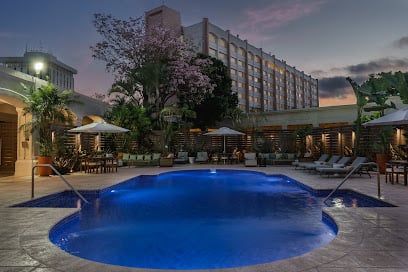
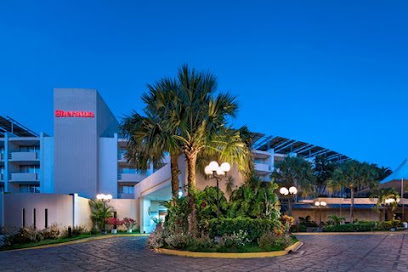
Zona Rosa offers the most LGBTQ+-friendly accommodation options and ambiance. Mid-range and upscale hotels in this neighborhood are comfortable, relatively safe, and positioned near gay-friendly venues and restaurants. Many boutique hotels and guesthouses cater to international travelers. The neighborhood is walkable and well-served by taxis and ride-sharing apps.
Downtown hotels are cheaper but require more caution regarding safety and street awareness. Some travelers prefer staying in Zona Rosa and taking short taxi rides to other parts of the city.
El Salvador's security picture has changed dramatically. The gang violence that long defined the country's reputation collapsed after the 2022 state of exception, and San Salvador is now one of the safer capitals in the region for everyday street crime. Ordinary urban precautions still apply, and it is worth knowing that the official climate toward LGBTQ+ people has grown more conservative even as physical safety has improved. LGBTQ+ travelers should take standard urban safety precautions: avoid displaying expensive items, use registered taxis or ride-sharing apps like Uber rather than hailing cabs, avoid walking alone at night, and stay in well-traveled areas.
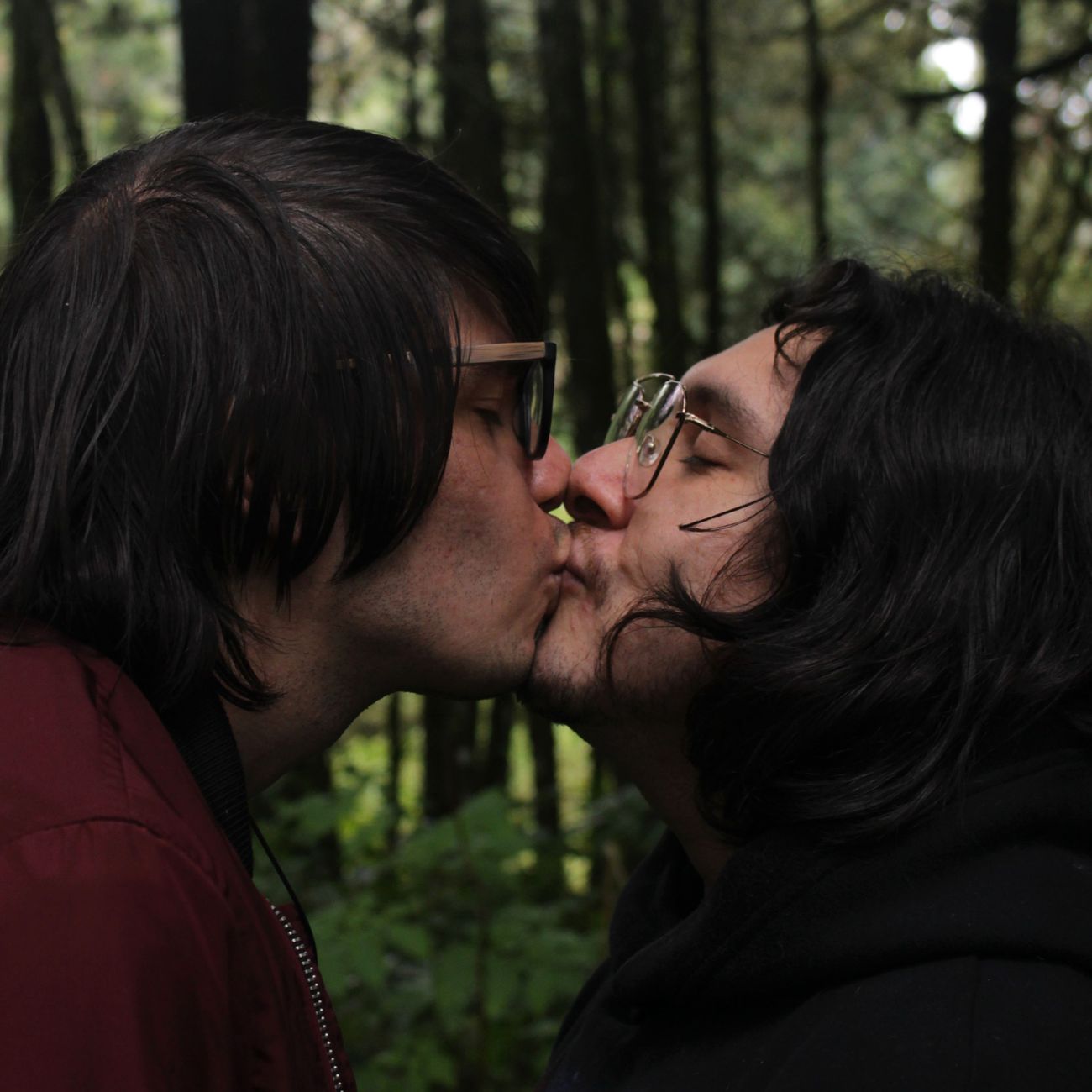
Public displays of affection between same-sex couples may attract attention in most of the city outside Zona Rosa and certain restaurants. While violent homophobic attacks are not commonly reported against tourists in urban areas, discretion is advisable. Trans travelers should be aware that legal gender recognition does not exist, and using documents that do not match presentation could create complications.
TRANSIT
San Salvador's public transportation consists primarily of buses and minibuses (microbuses), which are cheap but can be crowded and occasionally targeted by gangs. Tourists typically use taxis or ride-sharing apps. Uber operates in San Salvador and is widely used by locals and visitors. Taxis can be summoned by phone through established companies or hailed in busy areas. Ride-sharing is generally safer than street hailing, especially at night.
The city does not have a metro or rail system. Most tourist and LGBTQ+ venues are accessible via short taxi or Uber rides. Having a smartphone with a local SIM card or reliable data plan for navigation and transportation apps is highly advisable.
FOOD AND DINING
San Salvador's food culture reflects traditional Salvadoran cuisine alongside a growing international dining scene. Pupusas (thick corn tortillas filled with cheese, beans, or meat) are the national dish and available everywhere from street vendors to restaurants. The city has an increasingly sophisticated restaurant scene with international options, particularly in Zona Rosa and San Benito.
Several LGBTQ+-friendly restaurants and cafes operate in Zona Rosa, offering international cuisine, fusion dishes, and traditional Salvadoran food in welcoming environments. These establishments often attract mixed crowds of locals and tourists. Coffee culture is significant in El Salvador, and high-quality cafes serving local specialty coffee are widespread and popular gathering spots.
DAY TRIPS
El Salvador's small size (roughly 21,000 square kilometers) means several natural attractions are accessible as day trips from San Salvador. Volcán de Santa Ana is the country's highest volcano and approximately 65 kilometers west; a guided hike to the crater rim offers views of the lake within. Volcán San Salvador is closer to the capital and offers a shorter hike with views over the city and surrounding areas.
La Boquera waterfall is located about 40 kilometers south and offers swimming and hiking opportunities. Suchitoto, a colonial town in the northern hills about 40 kilometers away, features preserved architecture, art galleries, and restaurants popular with tourists and expats. Lake Ilopango, an crater lake east of the city, offers water activities and is accessible via organized tours.
The Pacific coast is approximately 60 kilometers south, with several beach towns reachable as day trips or overnight stays. El Tunco is popular with surfers, while other beaches offer quieter settings.
PRACTICAL INFORMATION
Language: Spanish is the official language. English is spoken in tourist areas and by hotel and restaurant staff in Zona Rosa but less commonly elsewhere. Learning basic Spanish phrases is helpful.
Currency: The currency is the US dollar (USD), which simplifies transactions for American travelers. ATMs are widely available.
Visa: Citizens of many countries, including the US, EU nations, and others, can enter El Salvador visa-free for up to 90 days with a valid passport.
Climatic: San Salvador has a tropical climate with rainy season roughly May through October and dry season November through April. Temperatures are consistent year-round (around 25-28°C). Rain is often brief and intense.
Summary: San Salvador offers LGBTQ+ travelers an authentic Central American experience in a small, cautious but genuine community. The scene is not comparable to larger regional cities like Guatemala City or Managua in terms of visible gay culture or nightlife options. However, travelers willing to engage respectfully, take standard safety precautions, and connect with local contacts will find welcoming spaces, interesting cultural experiences, and access to El Salvador's natural attractions. The city is best approached as a cultural destination with an LGBTQ+ component rather than primarily as a gay destination.
Frequently asked questions
San Salvador has become more open and progressive, particularly among younger generations. San Benito is considered a relatively safe neighborhood with a welcoming atmosphere. However, like most Central American downtowns, Centro requires standard urban caution.
Zona Rosa, in the upscale San Benito district on the west side of the city, is the most consistently gay-friendly area — known for its dining, shopping and nightlife, and home to most gay-oriented venues. It is walkable, relatively safe and well served by Uber.
San Salvador's gay nightlife is small but real and clusters around Zona Rosa. Living SV is the main LGBTQ+ bar and dance club, Scape is a late-night dance club with a queer crowd on weekends, and Sauna Scandinavia is the city's dedicated gay sauna. Weekend nights (Friday and Saturday) are busiest.
San Salvador Pride takes place annually in June, featuring marches and cultural events.
Yes — the main venues are Living SV (the city's principal LGBTQ+ bar and dance club) and Scape (a late-night dance club), both in the Zona Rosa area. Sauna Scandinavia is the dedicated gay sauna, and Secret House SV (formerly Club Premium) is a men-only adult venue. Local federations like FESLGBTI and ASPIDH Arcoíris can point you to current happenings.
Same-sex sexual activity is legal and has never been criminalized under El Salvador's modern penal code, but there is no same-sex marriage or civil union (a 2009 constitutional reform defines marriage as a man-woman union) and no legal recognition of gender identity. The limited anti-discrimination measures that once existed have weakened in recent years.
Your privacy choices.
We use cookies to run GayOut and, with your consent, measure usage. Learn more
Your privacy choices
We use cookies to keep GayOut running, remember your preferences, and (with your permission) measure how the site is used. You can accept all, reject all, or pick what you allow. Learn more
Essential
Required for sign-in, fraud prevention, CSRF protection and remembering your language. Cannot be disabled.
Always on
Remembers your favourites, dark mode and other interface preferences across visits.
Helps us understand which pages people visit (Google Analytics, server-side stats) so we can improve.
Used by campaign tracking pixels. None are active right now, reserved for future use.
Install GayOut
Add GayOut to your home screen for faster access, offline favourites, and Pride alerts.



 Gay Bars & Clubs
Featured
(636)
Gay Bars & Clubs
Featured
(636)