Marriage equality since Obergefell v. Hodges (26 June 2015). The Respect for Marriage Act (December 2022) provides a congressional floor, requiring federal recognition of all valid same-sex and interracial marriages regardless of future Supreme Court rulings. Bostock v. Clayton County (2020) held that Title VII of the Civil Rights Act prohibits employment discrimination on the basis of sexual orientation and gender identity. No comprehensive federal anti-discrimination law in housing or public…
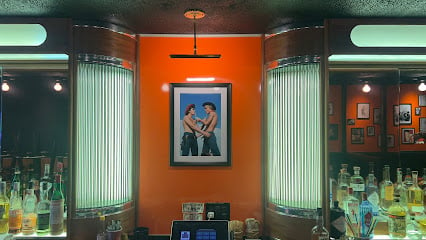
n addition to being an awesome neighborhood gay LGBT bar, the Adam's Apple is the premier Trans bar / TS bar in Detroit. It's even owned and operated by a..
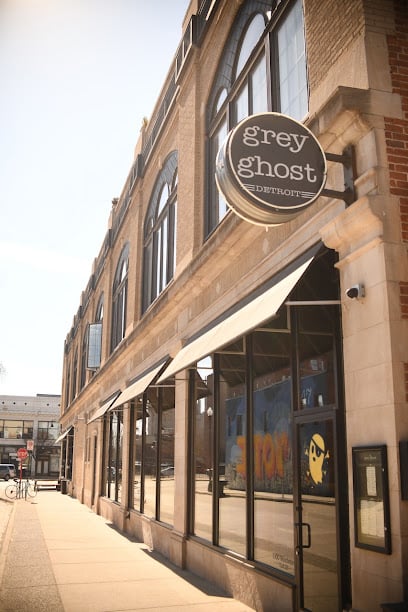
Great spot with great food and a fun staff. We're new to town so we've been trying to find hangouts that we can visit regularly. We will definitely be...
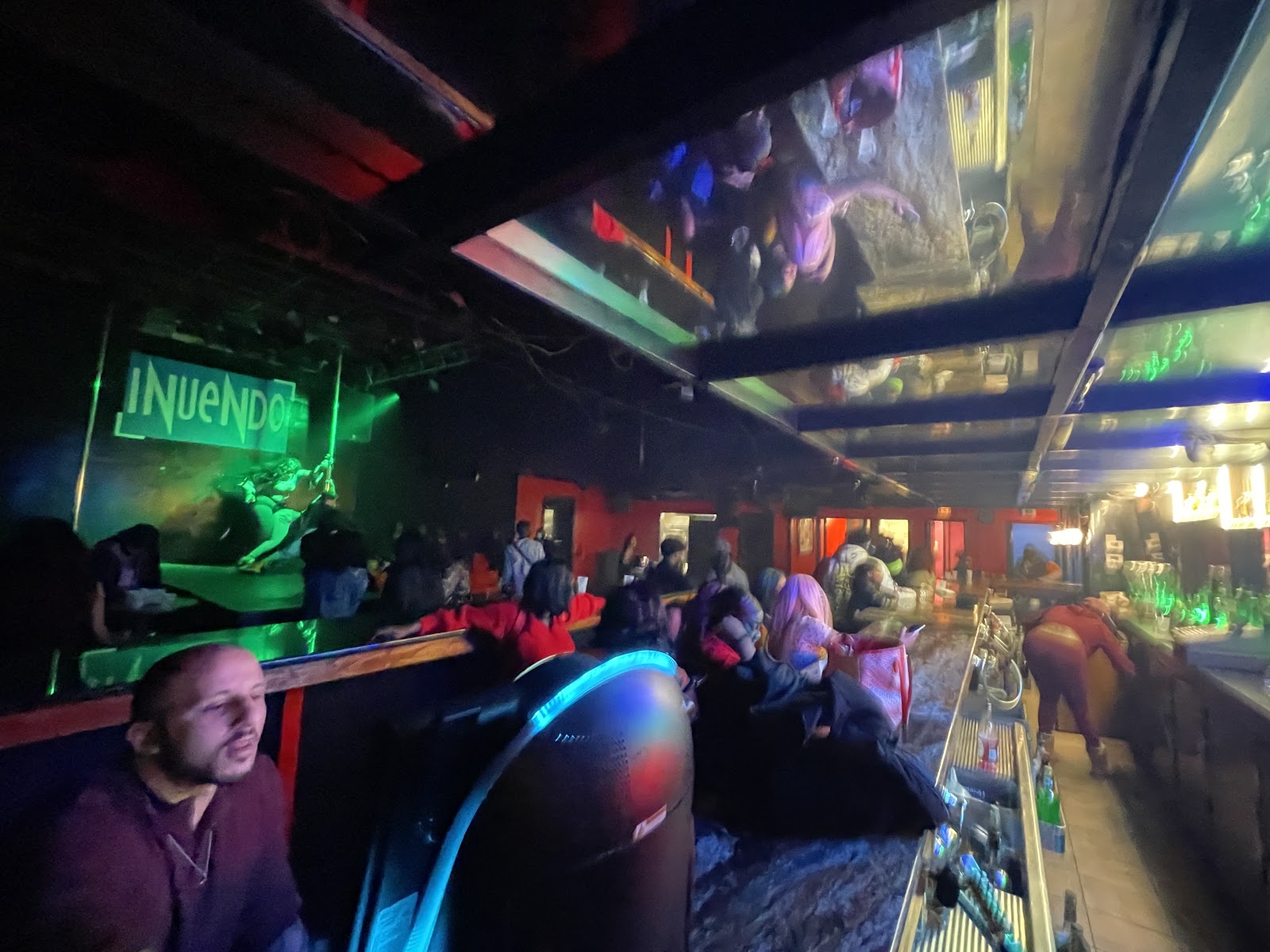
Safe place with cheap drinks, fast service, delicious bar food, nice big closed-in patio, local artists rap and sing live, dancers on Fridays, fun hosts on..
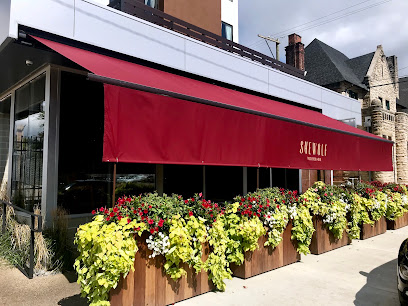
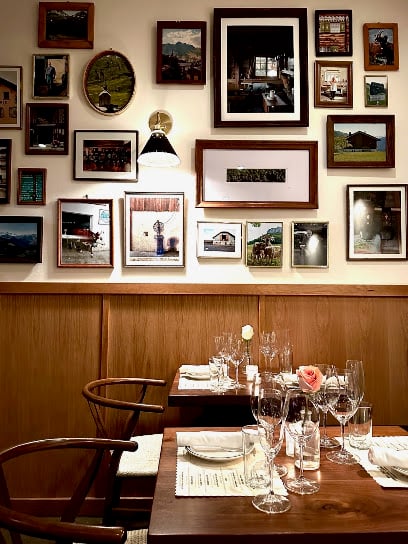
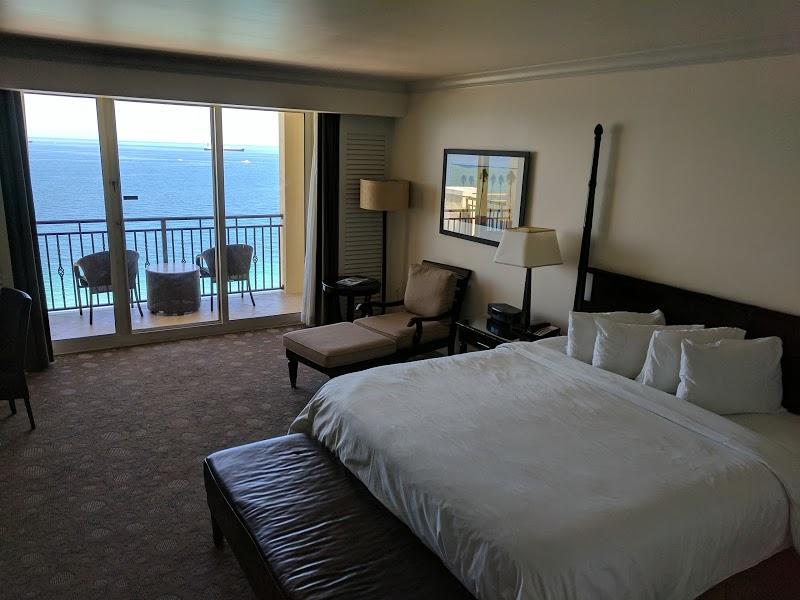
Boutique design hotel in Detroit's Corktown neighbourhood — gay-welcoming, close to Midtown, and an ideal base for exploring the Detroit revival story from a property that embodies it.
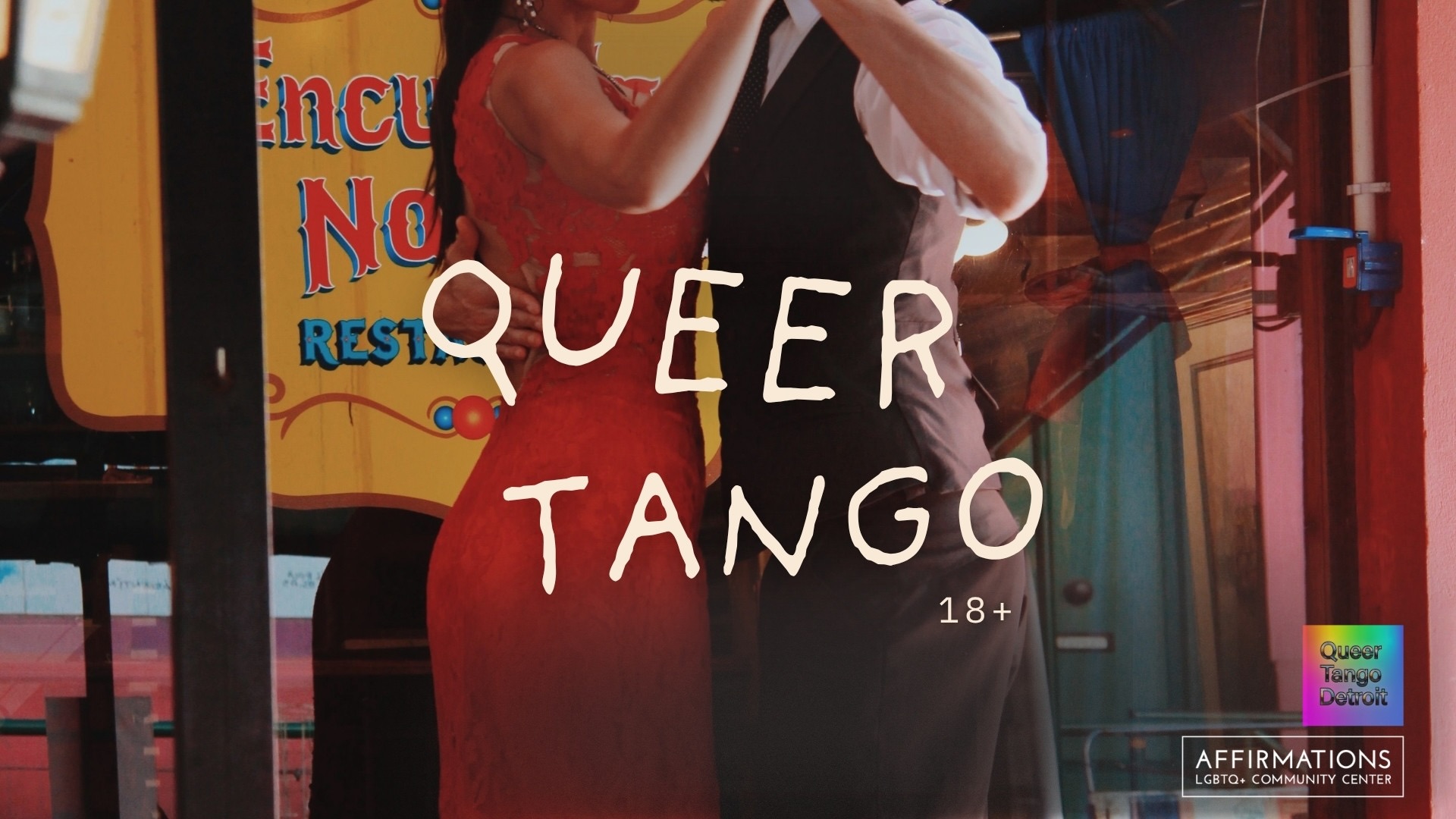
The Detroit metro's premier LGBTQ+ community centre in Ferndale — comprehensive social services, mental health support, youth programming, community events, and 35 years of service to Michigan's…
Detroit's queer history is intertwined with the city's musical and working-class identity. As a cradle of Motown and later techno, and a center of ballroom and drag culture, Detroit gave its LGBTQ+ communities space to organize and perform long before it was fashionable. Through the 1970s and 80s the north-side neighborhood around Palmer Park was the beating heart of gay Detroit, dense with bars, apartments and nightlife. As the city's fortunes shifted, much of that energy migrated up Woodward Avenue to the suburb of Ferndale, which grew into the metro area's queer cultural hub. Detroit's scene developed through grassroots organizing and artistic expression rather than commercial gentrification, and that history still shapes a community that prizes authenticity, mutual aid and creativity.
NEIGHBORHOODS
Ferndale is the center of gravity for LGBTQ+ life in metro Detroit. This walkable suburb sits about nine miles north of downtown, with its core along West Nine Mile Road where it meets Woodward Avenue. Ferndale is home to Affirmations, Michigan's largest LGBTQ+ community center, the dedicated gay bar SOHO, drag brunches, queer-owned businesses and the state's largest free Pride. It is friendly, low-key and easy to explore on foot.
Palmer Park, on Detroit's north side just off Woodward near McNichols (Six Mile), is the historic epicenter of gay Detroit and still anchors the city's oldest nightlife cluster — the Menjo's complex and the adjoining Eagle leather bar sit right at its edge. The surrounding park is also a long-documented cruising ground.
The West Side, along West Warren Avenue in the Warrendale area, holds a tight-knit group of neighborhood gay and trans bars, including Gigi's, the Adams Apple and HALO. These are come-as-you-are community rooms rather than glossy clubs.
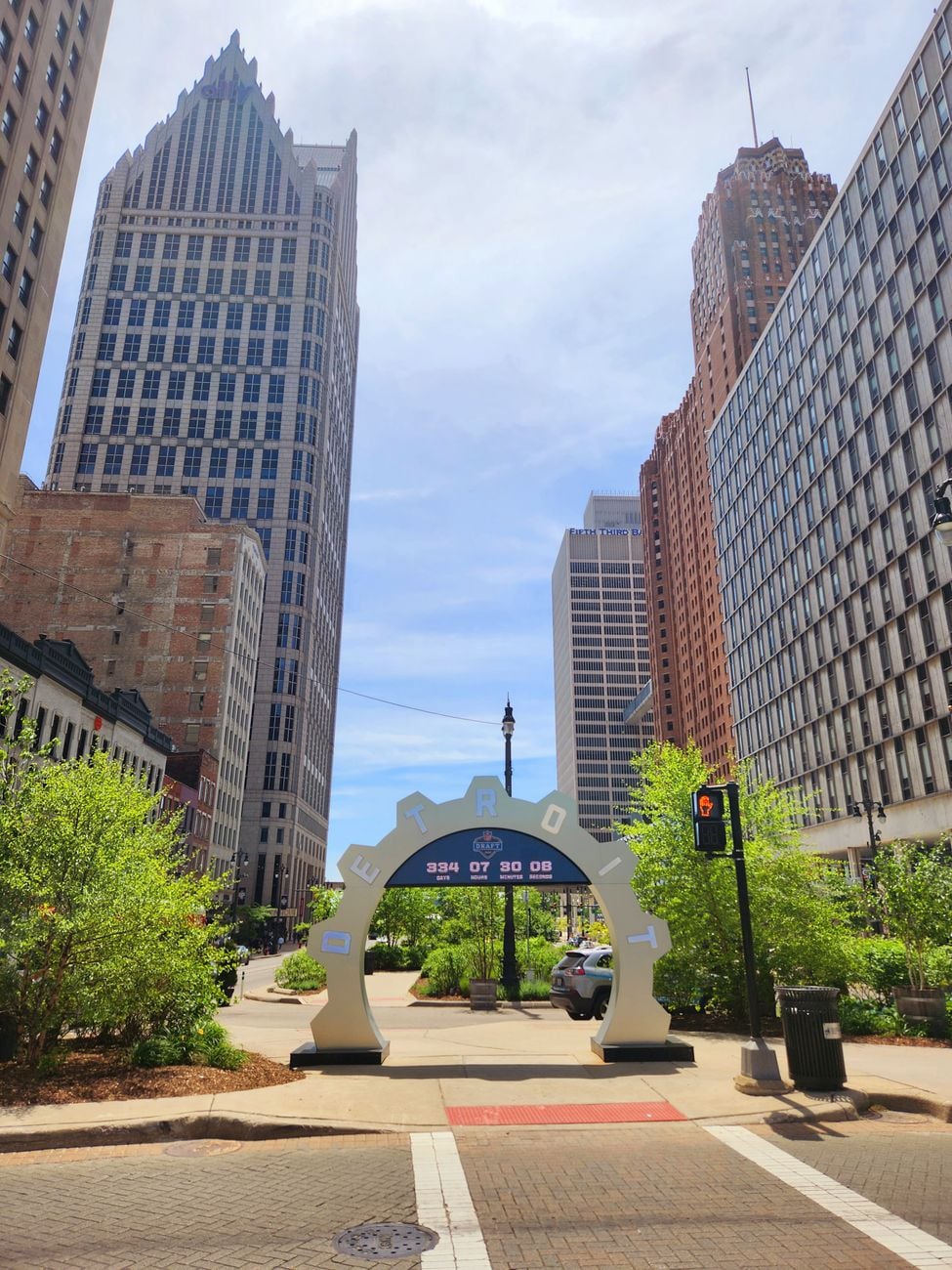
Downtown, Midtown and New Center round things out. You will find queer-welcoming nightlife and dining near Woodward Avenue and the QLINE, the gay-favorite Woodward Bar & Grill toward New Center, and a broadly open, diverse feel in the redeveloped downtown core. Nearby Royal Oak, another Woodward-corridor suburb, adds LGBTQ+-popular spots such as the Pronto/Five15 complex.
KEY VENUES
Detroit's bar scene is smaller and more spread out than those of the coastal gay meccas, but the venues are genuine and welcoming. Ride-sharing or driving is the easiest way to move between clusters.
Menjo's Complex (928 W McNichols Rd, Palmer Park) is Detroit's landmark gay venue, open since 1974, with a dance floor, drag, karaoke and theme nights; the adjoining Eagle leather bar caters to the leather and bear crowd. SOHO (205 W Nine Mile Rd, Ferndale) is the suburb's dedicated gay bar, known for drag bingo, karaoke and an easygoing patio. Gigi's (16920 W Warren Ave) is a long-running west-side cabaret famous for its female-impersonation revues. The Adams Apple (18939 W Warren Ave) is the city's trans-owned neighborhood bar, a supportive and inclusive space. HALO Detroit (8070 Greenfield Rd), formerly the Hayloft Saloon, is a classic no-frills gay bar with heavy pours and a back patio. Woodward Bar & Grill (6426 Woodward Ave) is a beloved, predominantly Black gay bar and grill toward New Center. Inuendo rounds out the mix with cheap drinks, bar food and a laid-back patio.
For a bathhouse, Body Zone (1617 E McNichols Rd) is metro Detroit's last remaining gay men's sauna, open 24 hours.
COMMUNITY AND ORGANIZATIONS
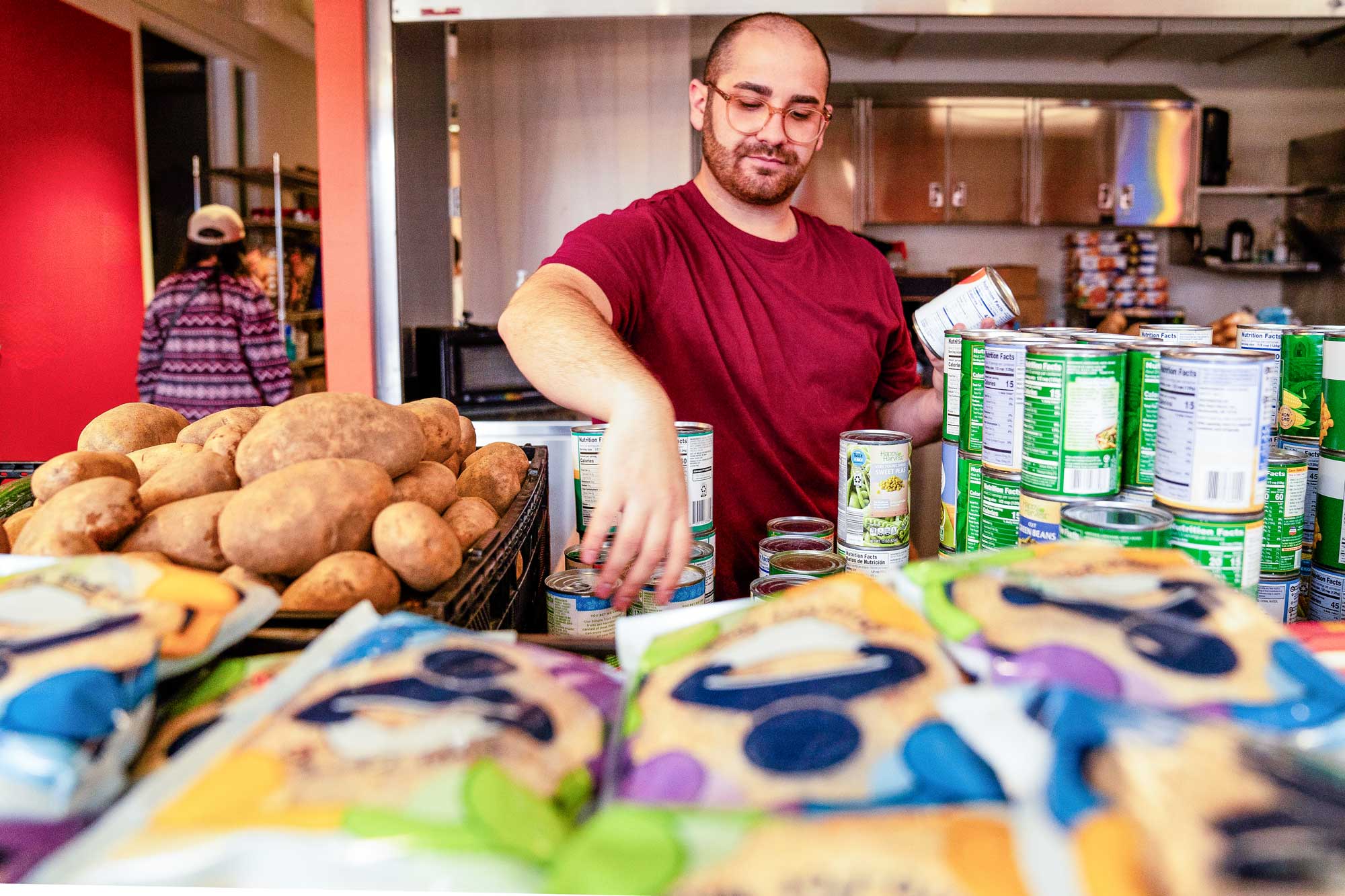
Affirmations (290 W Nine Mile Rd, Ferndale) is the anchor of the region's queer community, offering support groups, health services and a busy events calendar. LGBT Detroit, a Black-led organization on the city's northwest side, produces the Hotter Than July festival and preserves queer Detroit's history. The Ruth Ellis Center, named for the pioneering Black lesbian elder Ruth Ellis, is one of the country's leading LGBTQ+ youth-services agencies. Equality Michigan advocates statewide.
PRIDE AND EVENTS
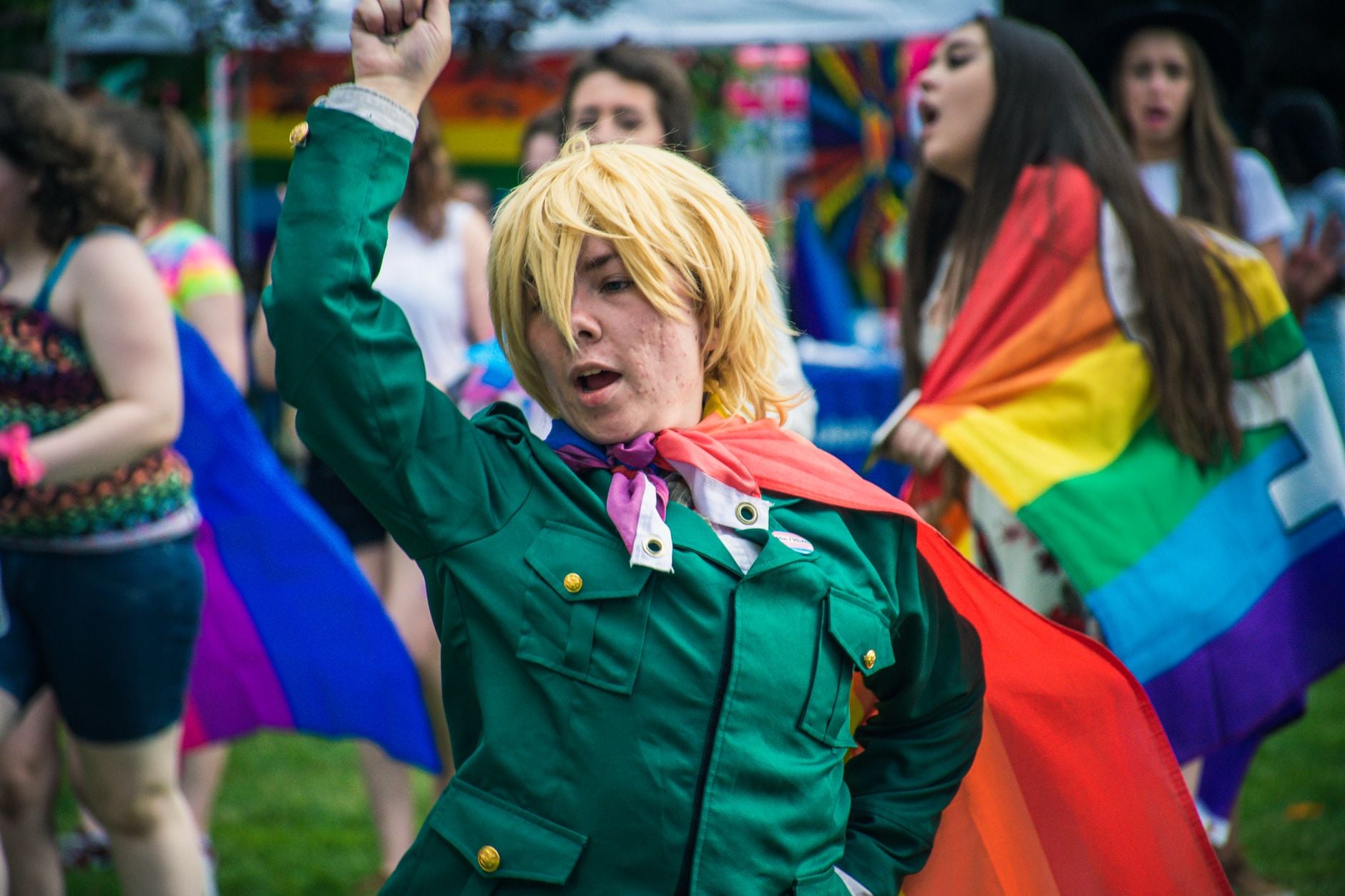
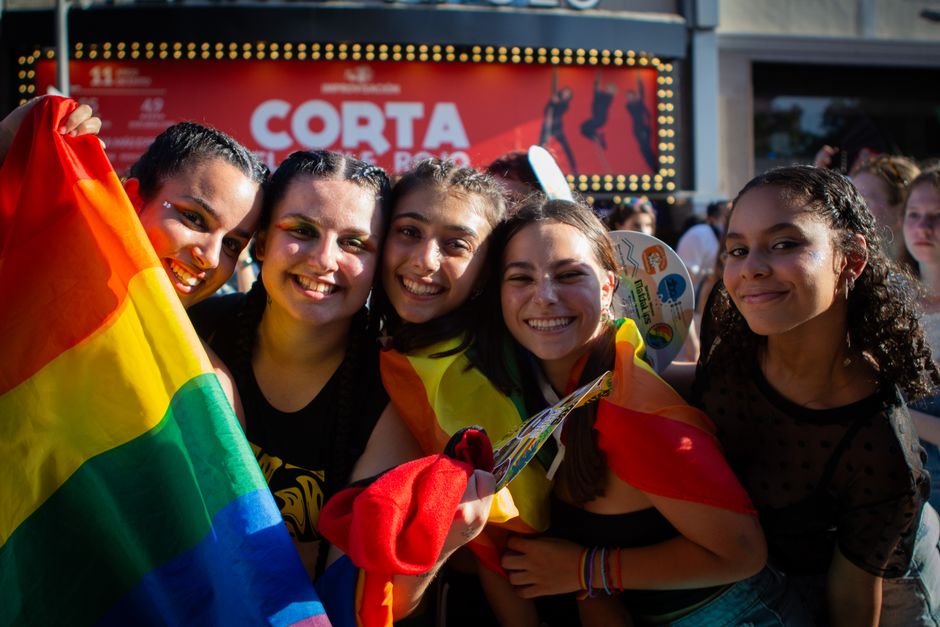
Motor City Pride is the metro area's largest LGBTQ+ celebration, held in early June at Hart Plaza on the downtown riverfront, with a parade, multiple stages, vendors and tens of thousands of attendees. Ferndale Pride, billed as Michigan's largest free Pride, closes West Nine Mile Road in downtown Ferndale in late spring for a day of stages and hundreds of vendors. Hotter Than July, produced by LGBT Detroit, is one of the world's oldest Black Pride festivals, centered on a Palmer Park picnic each July. Throughout the year the scene fills out with drag shows, film screenings, ballroom events and community fundraisers.
WHERE TO STAY
There is no dedicated gay hotel in Detroit, but downtown offers the most convenient base, with walkable access to restaurants, casinos, theaters and the riverfront, plus the QLINE streetcar up Woodward to Midtown and New Center. Ferndale and Royal Oak are good suburban alternatives if you want to be closer to the Nine Mile nightlife.
Detroit is a driving city. The QLINE streetcar runs along Woodward between downtown, Midtown and New Center, and the People Mover loops the downtown core, but ride-sharing (Uber and Lyft) is the practical way to hop between the gay clusters in Ferndale, Palmer Park and the west side. Many visitors rent a car.
SAFETY
Detroit is broadly welcoming, and the neighborhoods visitors frequent — downtown, Midtown, Ferndale, Royal Oak — are safe with normal urban precautions. As in any large city, stay aware of your surroundings late at night and use a rideshare rather than walking long distances between neighborhoods after dark.
Frequently asked questions
Detroit's LGBTQ+ life is spread across the city and suburbs rather than one gayborhood. Ferndale, a walkable suburb along Woodward and Nine Mile, is the queer cultural hub and home to the Affirmations center. Inside the city, Palmer Park (Menjo's and the Eagle) and the West Warren Avenue strip on the west side anchor the historic bar scene, with more queer-welcoming spots downtown, in Midtown and New Center.
Yes. Landmark gay venues include Menjo's Complex and the adjoining Eagle in Palmer Park, SOHO in Ferndale, the west-side favorites Gigi's, the Adams Apple (a trans-owned bar) and HALO (formerly the Hayloft), plus Woodward Bar & Grill toward New Center. Body Zone on East McNichols is the metro area's only remaining gay bathhouse.
Detroit is broadly welcoming, and the areas LGBTQ+ visitors frequent — downtown, Midtown, Ferndale and Royal Oak — are safe with normal big-city precautions. Michigan law protects against discrimination based on sexual orientation and gender identity. Use a rideshare rather than walking long distances late at night.
Detroit's LGBTQ+ scene is smaller and more spread out than the coastal gay meccas but genuine and community-driven, rooted in the city's Motown, techno, drag and ballroom traditions. Expect neighborhood bars, a strong community-center culture around Affirmations and LGBT Detroit, and a grassroots spirit that values authenticity over commercial polish.
Motor City Pride, the metro area's largest celebration, takes place in early June at Hart Plaza downtown. Ferndale Pride — billed as Michigan's largest free Pride — is held in downtown Ferndale in late spring, and LGBT Detroit's Hotter Than July, one of the world's oldest Black Pride festivals, fills Palmer Park each July.
There is no dedicated gay hotel in Detroit, but downtown hotels such as the Westin Book Cadillac, MGM Grand Detroit, Fort Pontchartrain and the Atheneum Suite Hotel are LGBTQ+-welcoming and well placed for nightlife and the riverfront. Ferndale and Royal Oak offer suburban options near the Nine Mile scene.
Your privacy choices.
We use cookies to run GayOut and, with your consent, measure usage. Learn more
Your privacy choices
We use cookies to keep GayOut running, remember your preferences, and (with your permission) measure how the site is used. You can accept all, reject all, or pick what you allow. Learn more
Essential
Required for sign-in, fraud prevention, CSRF protection and remembering your language. Cannot be disabled.
Always on
Remembers your favourites, dark mode and other interface preferences across visits.
Helps us understand which pages people visit (Google Analytics, server-side stats) so we can improve.
Used by campaign tracking pixels. None are active right now, reserved for future use.
Install GayOut
Add GayOut to your home screen for faster access, offline favourites, and Pride alerts.







 Gay Bars & Clubs
Featured
(175)
Gay Bars & Clubs
Featured
(175)