Marriage equality since Obergefell v. Hodges (26 June 2015). The Respect for Marriage Act (December 2022) provides a congressional floor, requiring federal recognition of all valid same-sex and interracial marriages regardless of future Supreme Court rulings. Bostock v. Clayton County (2020) held that Title VII of the Civil Rights Act prohibits employment discrimination on the basis of sexual orientation and gender identity. No comprehensive federal anti-discrimination law in housing or public…
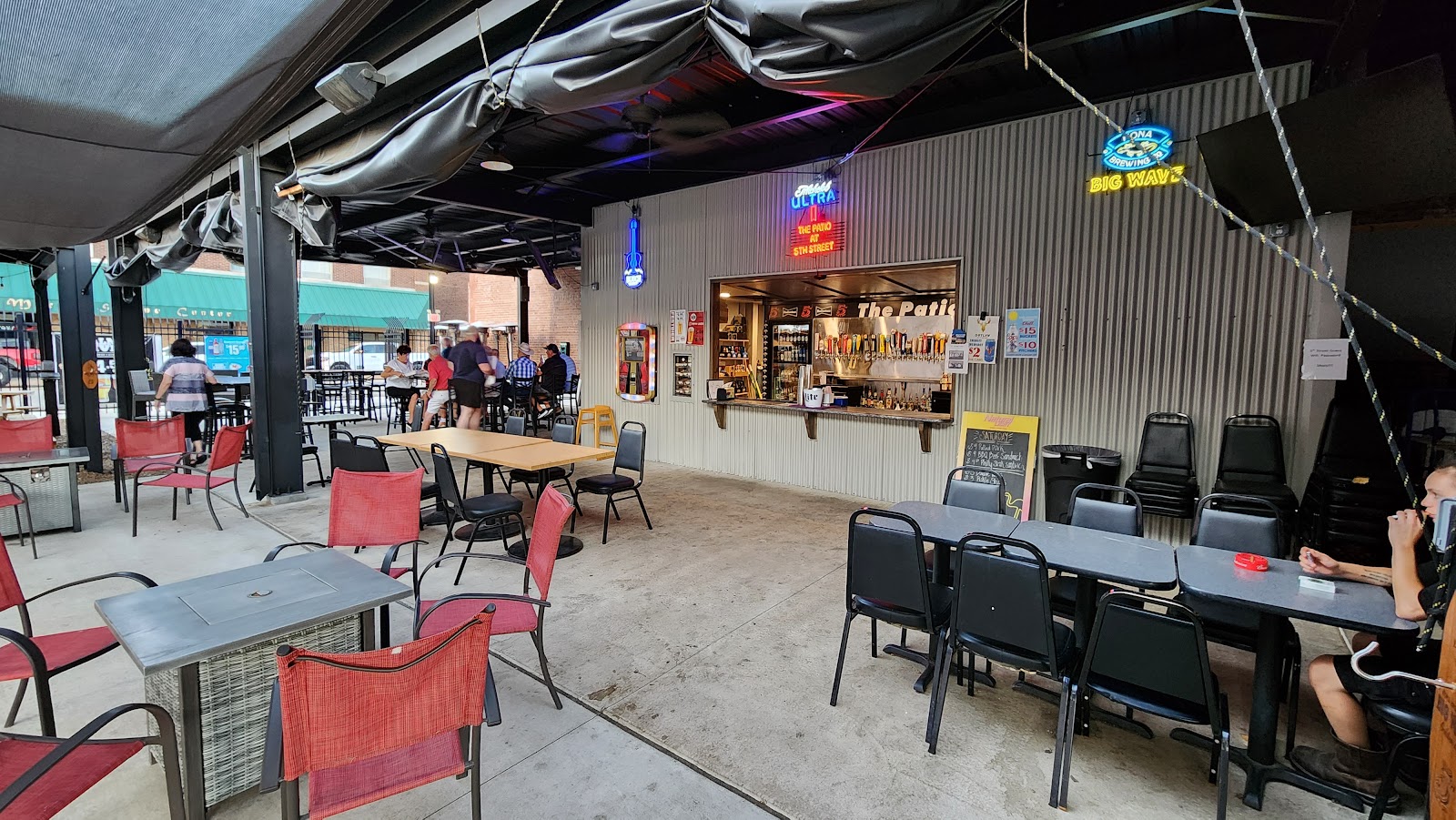
Absolutely the best burger I have ever had (Bourbon Bacon Gouda Cheese)! Also ordered was the tenderloin, a BLT, and spicy cheese balls for an appetizer. Family/bar atmosphere and great service.
Pittsburgh's gay community has deep roots extending back decades, though like many industrial cities, it remained somewhat underground through much of the late 20th century. The city's LGBTQ+ scene became increasingly visible starting in the 1980s and 1990s, with South Shore emerging as the primary gay neighborhood by the early 2000s. Today, Pittsburgh is recognized as one of the more welcoming mid-sized cities in the Northeast, with a community that balances visibility and integration throughout various neighborhoods rather than being confined to a single area.
Key Neighborhoods
South Shore remains the epicenter of LGBTQ+ life in Pittsburgh. Located just south of Downtown across the Smithfield Street Bridge, South Shore's East Carson Street corridor contains the highest concentration of gay-owned and gay-friendly businesses. The neighborhood is walkable, with a mix of bars, restaurants, coffee shops, and retail establishments. While South Shore is the primary gay neighborhood, it doesn't have the concentrated feel of gayborhoods in larger cities—instead, it's a genuinely mixed neighborhood where LGBTQ+ life is prominent but not isolated.
Lawrenceville, located northeast of Downtown, has emerged as an increasingly popular neighborhood with younger LGBTQ+ residents, artists, and young professionals. The area features trendy restaurants, galleries, and bars with welcoming atmospheres, though it's not specifically marketed as a gay neighborhood.
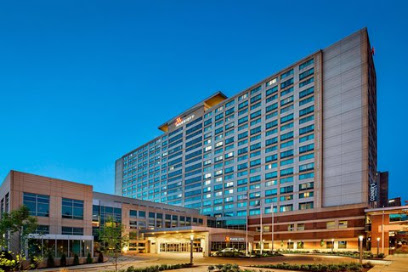
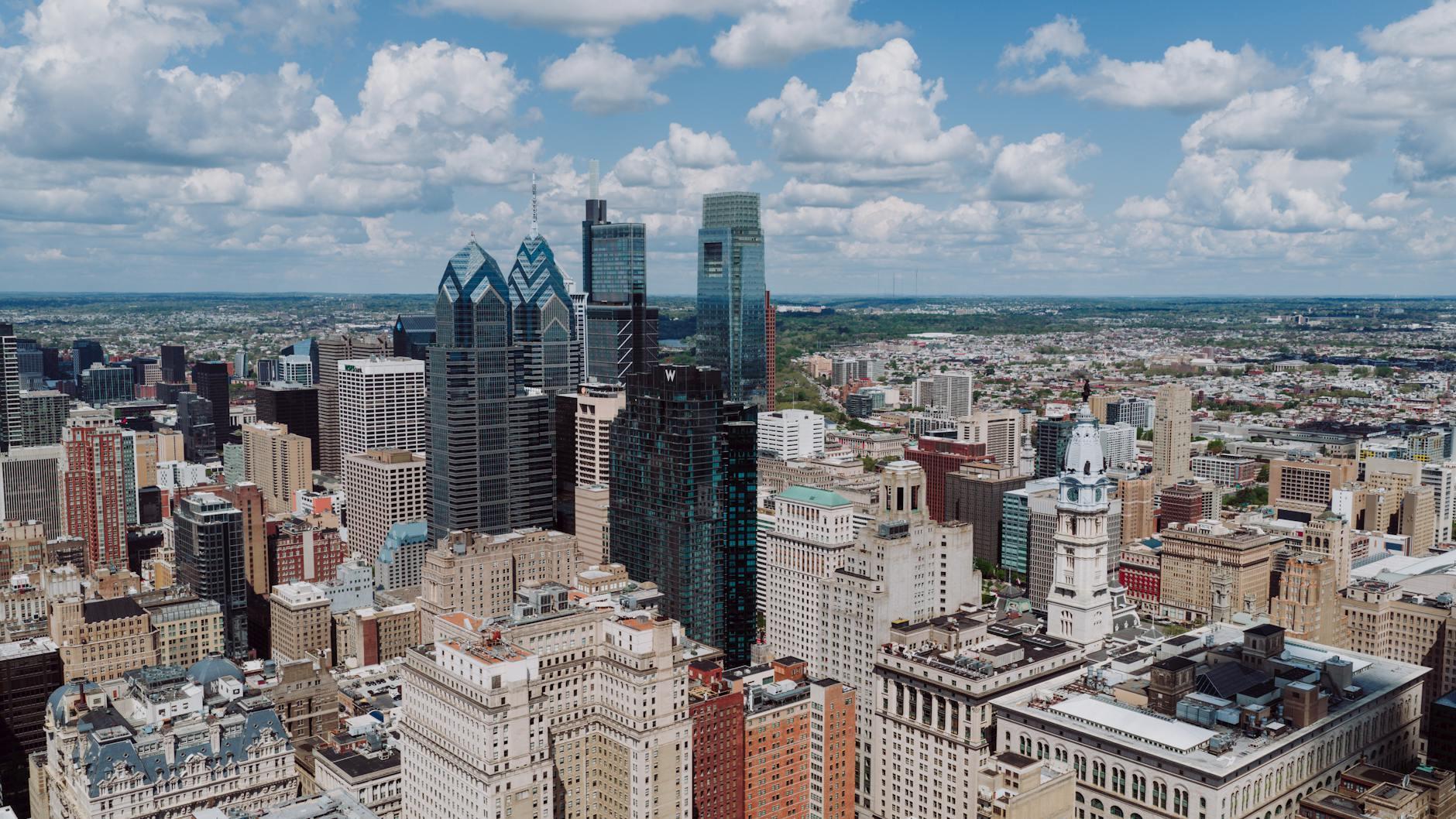
Downtown Pittsburgh has experienced revitalization in recent years and hosts cultural venues, restaurants, and hotels that are widely welcoming to LGBTQ+ visitors.
Venues and Nightlife
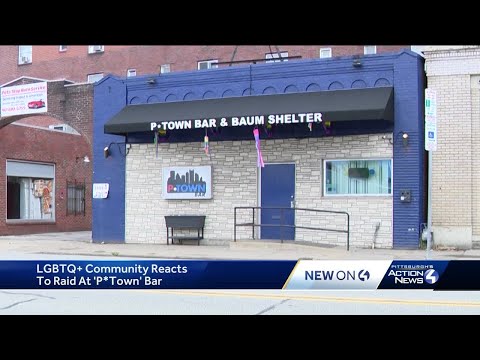
Bar scene: South Shore's East Carson Street features several gay-oriented bars and clubs. Specific venues in this area have included places serving as community gathering spaces, though the exact roster of bars changes over time. The South Shore neighborhood also has numerous non-exclusively-gay bars and restaurants that are welcoming and popular with LGBTQ+ patrons.
Cultural venues: Pittsburgh has strong LGBTQ+ representation in its theater and performance scene. The city's arts organizations, including various theater companies, frequently feature LGBTQ+ programming and artists.
Coffee shops and daytime spaces: South Shore has multiple coffee shops and casual gathering spaces that serve as community hubs.
Pride and Events
Pittsburgh Pride takes place annually in June and is one of the largest Pride celebrations in the region, attracting approximately 40,000-50,000 people. The event typically spans multiple days and includes a parade through Downtown, festival areas, live entertainment, and programming. The parade traditionally runs through Downtown and down to South Shore. Pride weekend is the city's biggest LGBTQ+ event and includes both official programming and community-organized events.
Beyond Pride, Pittsburgh hosts various LGBTQ+-focused cultural events throughout the year, including film festivals, theater productions, and community gatherings.
Where to Stay
Pittsburgh offers a range of accommodations for all budgets. Hotels in Downtown are centrally located with good access to cultural attractions and transit. The South Shore neighborhood has fewer hotel options but is where visitors will feel most immersed in the gay community. Many visitors choose Downtown for convenience and South Shore proximity via the nearby bridges. Airbnb options are available throughout LGBTQ+-friendly neighborhoods like South Shore, Lawrenceville, and Downtown.
Pittsburgh's public transit system, the Port Authority of Allegheny County (PAT), operates buses and a light rail system (the "T") that connects Downtown, South Shore, and other neighborhoods. The system is affordable and relatively easy to navigate. South Shore and Downtown are connected by pedestrian bridges and the light rail, making navigation straightforward. Many LGBTQ+ travelers find the city very walkable, particularly within South Shore and Downtown. Ride-sharing services operate throughout the city.
Safety Considerations
Pittsburgh is generally considered a safe city for LGBTQ+ travelers, particularly in the South Shore and Downtown areas. The city has non-discrimination protections and an active LGBTQ+ community with established visibility. As with any urban area, standard city safety precautions apply, including awareness in less populated areas at night. The local LGBTQ+ community is well-established and welcoming to visitors.
Food and Dining
Pittsburgh has a strong food scene with many LGBTQ+ owned and operated restaurants, particularly in South Shore and Lawrenceville. East Carson Street in South Shore features numerous restaurants and cafes. The city's broader dining scene reflects its diverse immigrant heritage with Portuguese, Italian, Middle Eastern, and other cuisines represented. Many restaurants throughout the city are visibly welcoming to LGBTQ+ diners. Neighborhoods like Lawrenceville have seen significant culinary development in recent years.
Beyond the gay scene, Pittsburgh offers excellent museums and cultural institutions. The Andy Warhol Museum, located on the North Shore, is one of the world's largest single-artist museums. The Carnegie Museums (art and natural history) are world-class institutions. The Heinz History Center covers Western Pennsylvania history. Theater options include various stages with robust arts programming. The Strip District offers a historic market atmosphere and street life. South Shore itself has a neighborhood feel with boutiques, vintage shops, and galleries. Point State Park at the confluence of the three rivers offers green space and views.
Day Trips and Surrounding Area
Pittsburgh's location offers several interesting day trip options. The Laurel Highlands, about 45 minutes south, feature outdoor recreation including hiking and water sports. Frank Lloyd Wright's Fallingwater, a famous architectural landmark, is located about 90 minutes south. The rivers surrounding Pittsburgh offer kayaking and water-based recreation. Rural areas near Pittsburgh offer state parks and natural attractions for outdoor-inclined visitors.
Practical Information
Pittsburgh International Airport serves the city with domestic and some international flights. The airport is about 20 miles west of Downtown and is accessible by public transit, ride-sharing, or rental car. The city's weather includes cold, snowy winters and mild summers—visitor timing should account for seasonal conditions. The cost of living and travel expenses are generally lower than in larger East Coast cities like New York or Boston, making Pittsburgh relatively affordable.
Community Resources
Visitors should check with the Pittsburgh LGBTQ+ Center and other community organizations for current events, resources, and up-to-date information about venues and programming. Local tourism information is available through Visit Pittsburgh, the official tourism bureau, which provides comprehensive city information.
Frequently asked questions
South Shore is the primary gay neighborhood and the epicenter of LGBTQ+ life, with East Carson Street having the highest concentration of gay-owned and gay-friendly businesses. Lawrenceville is also popular with younger LGBTQ+ residents, artists, and young professionals.
South Shore's East Carson Street features several gay-oriented bars and clubs, as well as numerous non-exclusively-gay bars and restaurants that are welcoming to LGBTQ+ patrons. Lawrenceville also has bars with welcoming atmospheres.
Pittsburgh Pride takes place annually in June.
Downtown Pittsburgh has experienced revitalization and hosts hotels that are widely welcoming to LGBTQ+ visitors. While not exclusively LGBTQ+ focused, many establishments throughout the city are known for their welcoming atmospheres.
Pittsburgh is recognized as one of the more welcoming mid-sized cities in the Northeast, with an LGBTQ+ community that balances visibility and integration throughout various neighborhoods rather than being confined to a single area.
Pittsburgh has strong LGBTQ+ representation in its theater and performance scene, with arts organizations frequently featuring LGBTQ+ programming and artists. South Shore also has coffee shops and casual gathering spaces that serve as community hubs.
Your privacy choices.
We use cookies to run GayOut and, with your consent, measure usage. Learn more
Your privacy choices
We use cookies to keep GayOut running, remember your preferences, and (with your permission) measure how the site is used. You can accept all, reject all, or pick what you allow. Learn more
Essential
Required for sign-in, fraud prevention, CSRF protection and remembering your language. Cannot be disabled.
Always on
Remembers your favourites, dark mode and other interface preferences across visits.
Helps us understand which pages people visit (Google Analytics, server-side stats) so we can improve.
Used by campaign tracking pixels. None are active right now, reserved for future use.
Install GayOut
Add GayOut to your home screen for faster access, offline favourites, and Pride alerts.



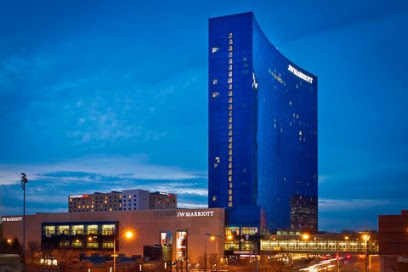 Gay-Friendly Hotel
(7955)
Gay-Friendly Hotel
(7955)