Generally tolerant society but no legal recognition of same-sex relationships. A Sexual Orientation and Gender Identity Expression (SOGIE) bill has been pending in Congress for decades. Catholic Church influence is significant.
Never miss a gay event in Boracay
One email a week — the weekend lineup, parties and deals. No spam, unsubscribe anytime.
Weekly event updates. Notifications appear on your lock screen.
On iPhone: first add GayOut to your Home Screen (Share → Add to Home Screen), then open it from there to enable notifications.
Casa Mezcaleria: An inclusive and welcoming spot in Boracay, Philippines, perfect for LGBTQ+ travelers. Enjoy a vibrant atmosphere and excellent service.
The splendid rooms and quarters incorporate aerating and cooling, free Wi-Fi and cloth. There are precipitation showers in the en suite bathrooms (rooms) and in the common offices (dormitories).
Boracay is a well-established LGBTQ+ travel destination in the Philippines. Located approximately 315 kilometers south of Manila, this island has evolved from a fishing village into a popular beach resort. Its LGBTQ+ community and nightlife have developed alongside its tourism growth.
The island's queer history is relatively recent. While the Philippines generally has a visible LGBTQ+ presence, Boracay's development as a tourist hub began in the late 20th century. As international tourism increased, LGBTQ+ travelers began to find welcoming spaces within the existing tourism infrastructure. Unlike cities with defined gay districts, Boracay's LGBTQ+ scene is dispersed and integrated into the island's general beach and nightlife culture.
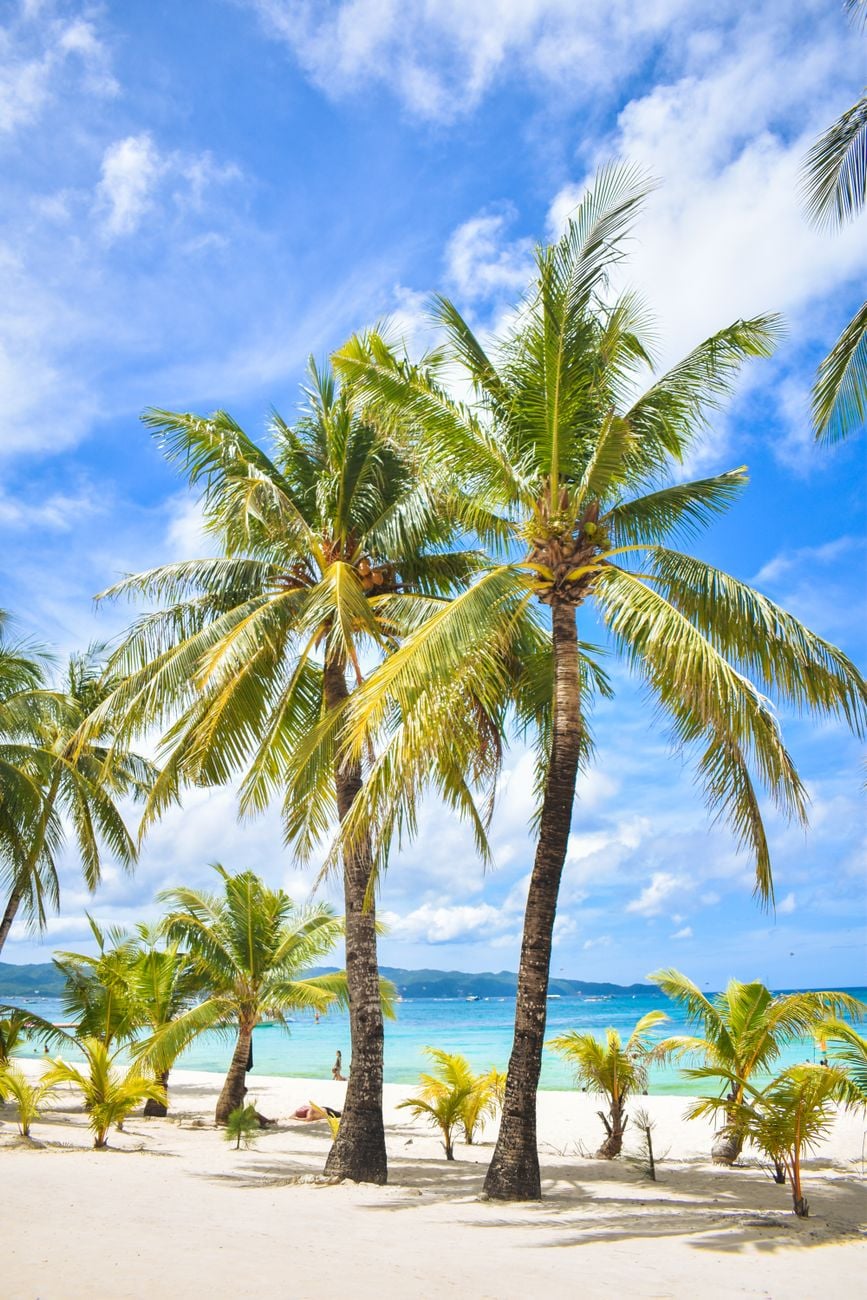
White Beach is the island's primary area, divided into Stations 1, 2, and 3. Station 1 is quieter, while Station 2 is the commercial and nightlife center, often serving as a hub for LGBTQ+ visitors. Station 3 also features beachfront development. Many accommodations that are LGBTQ+-friendly are found in Stations 2 and 3. Puka Beach on the northeast coast offers a less crowded alternative.
Key LGBTQ+-friendly venues are located along or near White Beach. Padi Padi is a long-standing gay bar known for its welcoming atmosphere and occasional drag performances, attracting both tourists and locals. Halycon offers a relaxed lounge-bar experience. Other bars and clubs across Stations 2 and 3 may host LGBTQ+ nights or cater to a queer clientele, though specific events and venues can change seasonally. Many beachfront resort bars and clubs welcome LGBTQ+ patrons in mixed-crowd settings. The scene is generally casual, with most venues closing around midnight to 1 or 2 AM.
Pride & Events
Pride celebrations typically occur in June, featuring informal events, parties at bars and resorts, and community gatherings. These celebrations often take the form of beach parties, themed nights, and restaurant specials, offering a festive but low-key atmosphere. Other recurring events include foam parties, pool parties, and drag shows, with activity levels often correlating with tourism seasons, particularly during the Australian winter (June-August) and year-end holidays.
Where to Stay
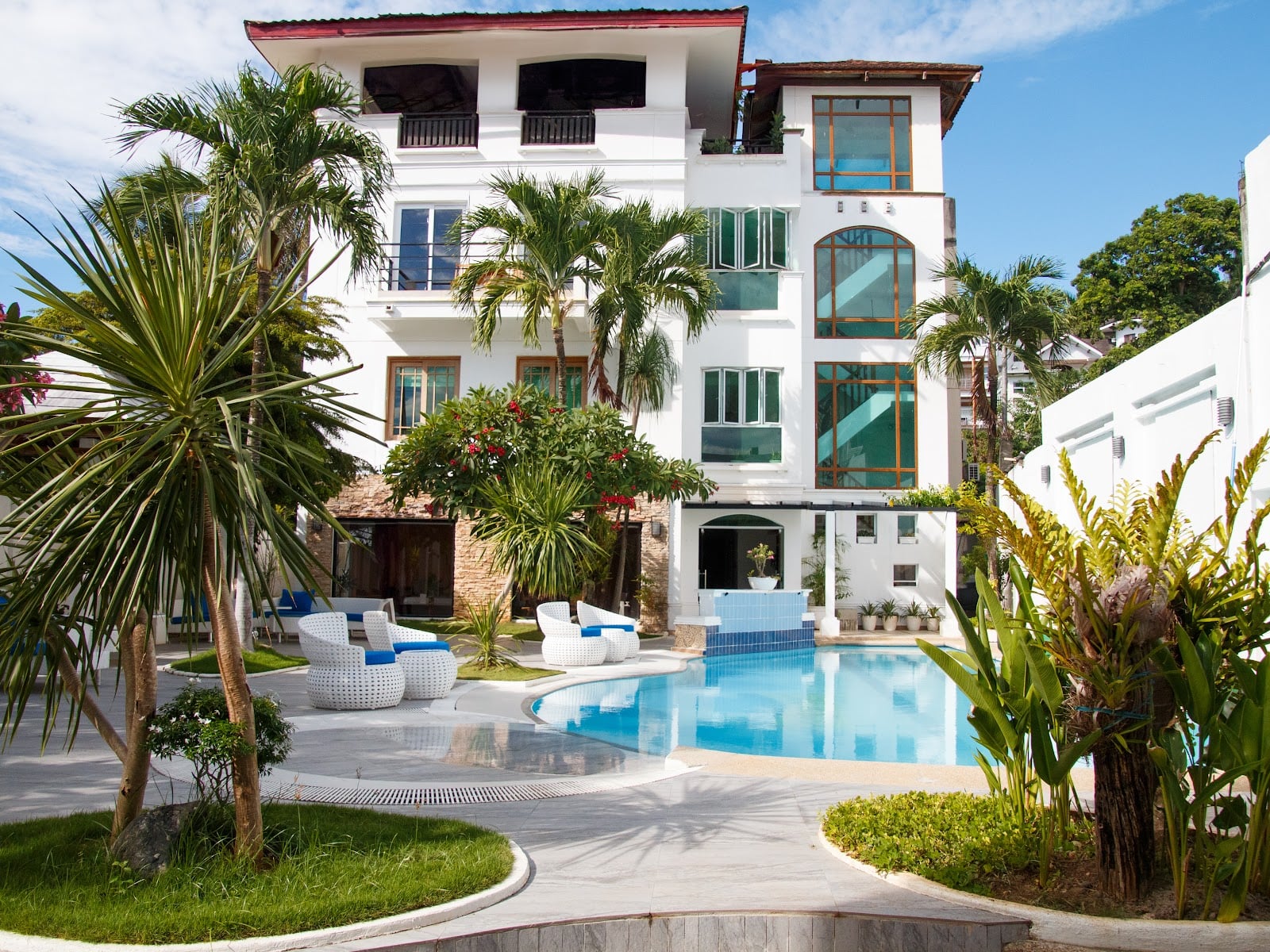
Accommodation options vary. Budget travelers can find hostels and guesthouses. Mid-range hotels and small resorts, often family-run, are available, and many attract repeat LGBTQ+ guests. Upscale resorts and private villas offer higher-end amenities. Some accommodations cater more subtly to LGBTQ+ travelers, often discovered through online platforms or community recommendations.
To reach Boracay, travelers typically fly into Caticlan or Godofredo Reyes airports on Panay Island, followed by a short ferry ride. Many visitors connect through Manila with a domestic flight. From the Caticlan ferry terminal, motorized boats take visitors to White Beach. On the island, transportation includes tricycles, motorbike rentals, and walking.
The local currency is the Philippine Peso (PHP). Boracay is generally affordable for international visitors, though prices are higher than in other parts of the Philippines due to its popularity. Meals at beachfront restaurants vary in price, and street food offers more budget-friendly options. Nightlife is also relatively inexpensive. ATMs are available, primarily in Station 2, and major resorts accept credit cards, though carrying cash is recommended.
The island's food scene is diverse, influenced by its international tourism. Fresh seafood is prominent, with options ranging from night markets to upscale dining. Local dishes include grilled fish and lechon. International cuisines are widely available. The nightlife typically involves bar-hopping along White Beach, with an emphasis on drinks and socializing.
Popular day trips and activities include island-hopping tours to nearby islands, snorkeling, diving, windsurfing, parasailing, spa treatments, and beach relaxation. Many visitors combine morning activities with evening dining and bar visits. Due to the island's size, most attractions are easily accessible.
Boracay generally has a low crime rate affecting tourists, though standard precautions against petty theft are advised. While the Philippines has progressive social attitudes towards LGBTQ+ individuals and a visible community, same-sex marriage is not legally recognized, and comprehensive anti-discrimination laws are absent. However, Boracay's cosmopolitan environment and tourism focus make it a welcoming destination, and LGBTQ+ travelers generally report feeling safe and comfortable. Public displays of affection between same-sex couples are typically accepted within tourist areas, though discretion is advisable in more conservative regions.
Boracay experiences a dry season from November to April, offering ideal beach conditions, and a wet season from June to October, which can bring occasional rough seas. The peak tourist season, and when prices are highest, is generally from November to March.
Visa requirements for the Philippines vary by nationality, with many countries eligible for visa-free entry for short stays. Extended stays require specific visa research.
Boracay caters to various types of LGBTQ+ travelers, including couples seeking romantic getaways, solo travelers looking for social opportunities, and groups interested in resort experiences. The island offers a blend of beach vacation elements with an accessible LGBTQ+ social scene.
Boracay is considered LGBTQ+-friendly, and LGBTQ+ travelers are well-accepted within the hospitality and service sectors. The island's tourism infrastructure has matured considerably, contributing to a welcoming environment.
Boracay's LGBTQ+ presence is distributed throughout the main tourist areas, primarily along White Beach and the beachfront commercial zone. Unlike concentrated gay districts, the scene is integrated into the island's social fabric.
Stations 2 and 3 along White Beach contain the highest concentration of bars, restaurants, and accommodations catering to international tourists, including LGBTQ+ visitors. Station 1 is quieter and more upscale.
The community celebrates Pride informally, with some bars and establishments hosting special events during June. Boracay does not host a major Pride festival comparable to those in Manila or other Metro areas.
Boracay's gay-friendly venues are scattered through Stations 2 and 3, often within bars and restaurants that have gay and lesbian staff and welcoming atmospheres. The scene is casual and beer-focused rather than high-energy club-oriented.
Specific venue recommendations should account for changing management and operating hours. Travelers are advised to ask at their accommodation or check current online reviews for current hotspots.
Your privacy choices.
We use cookies to run GayOut and, with your consent, measure usage. Learn more
Your privacy choices
We use cookies to keep GayOut running, remember your preferences, and (with your permission) measure how the site is used. You can accept all, reject all, or pick what you allow. Learn more
Essential
Required for sign-in, fraud prevention, CSRF protection and remembering your language. Cannot be disabled.
Always on
Remembers your favourites, dark mode and other interface preferences across visits.
Helps us understand which pages people visit (Google Analytics, server-side stats) so we can improve.
Used by campaign tracking pixels. None are active right now, reserved for future use.
Install GayOut
Add GayOut to your home screen for faster access, offline favourites, and Pride alerts.


 Gay Beaches
(2908)
Gay Beaches
(2908)