Marriage equality since Obergefell v. Hodges (26 June 2015). The Respect for Marriage Act (December 2022) provides a congressional floor, requiring federal recognition of all valid same-sex and interracial marriages regardless of future Supreme Court rulings. Bostock v. Clayton County (2020) held that Title VII of the Civil Rights Act prohibits employment discrimination on the basis of sexual orientation and gender identity. No comprehensive federal anti-discrimination law in housing or public…
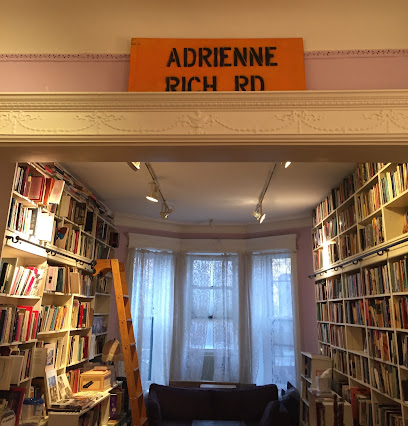
Brooklyn's queer history is inseparable from New York City's broader LGBTQ+ movement, though the borough developed its own distinct character beginning in the 1970s. After the Stonewall uprising in 1969 in Manhattan, LGBTQ+ people gradually dispersed to outer boroughs seeking more affordable housing and community space. Park Slope became a focal point for lesbian migration in the 1970s and 1980s, with women buying brownstones, establishing women's bookstores, and creating a visible, organized community. This period established Park Slope's reputation as a lesbian neighborhood that persists today, though the community has become more mixed and demographically diverse.
Williamsburg's LGBTQ+ scene developed later but more explosively, riding the wave of the neighborhood's gentrification in the 1990s and 2000s. As artists and young professionals moved to Williamsburg for cheaper rents, the neighborhood's gay bar scene flourished. By the 2010s, Williamsburg had become a major nightlife destination with a younger, more diverse queer population including significant Black, Latinx, and immigrant communities. Brooklyn's queer scene has always been more politically engaged than Manhattan's commercialized gay establishments, with strong connections to activism around housing, AIDS, racism, and trans rights.
KEY NEIGHBORHOODS
PARK SLOPE: This neighborhood, centered around Prospect Park, remains the spiritual and practical center of Brooklyn's LGBTQ+ community. The neighborhood features beautiful brownstone-lined streets, excellent restaurants, and welcoming businesses. While gentrification has changed demographics, Park Slope still hosts Pride events, community organizations, and LGBTQ+-owned establishments. The neighborhood is family-friendly, walkable, and residential rather than nightlife-focused. The F and G subway lines provide main access.
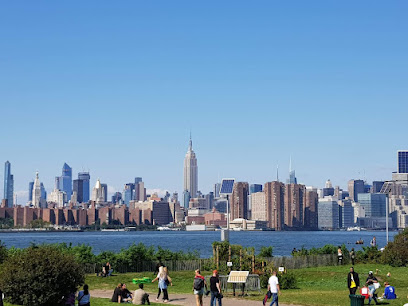
WILLIAMSBURG: Located north across the East River from Manhattan, Williamsburg is Brooklyn's primary nightlife destination for LGBTQ+ visitors. The neighborhood features numerous bars, clubs, and late-night venues spread across blocks of former industrial buildings converted to residential and commercial use. Bedford Avenue and the surrounding streets contain most major venues. The L subway line provides direct access from Manhattan and across Brooklyn. Williamsburg attracts a younger, more diverse crowd than Park Slope, though the densest concentration of queer clubs now sits just east in Bushwick and East Williamsburg.
GREENPOINT: Neighboring Williamsburg to the north, Greenpoint has developed its own queer community and nightlife scene. The neighborhood has a more laid-back, less corporate atmosphere than Williamsburg, with dive bars and smaller venues. Historically Polish and Italian, Greenpoint's demographics have shifted dramatically with gentrification. The neighborhood remains more affordable than central Williamsburg and appeals to those seeking alternatives to the main strip.
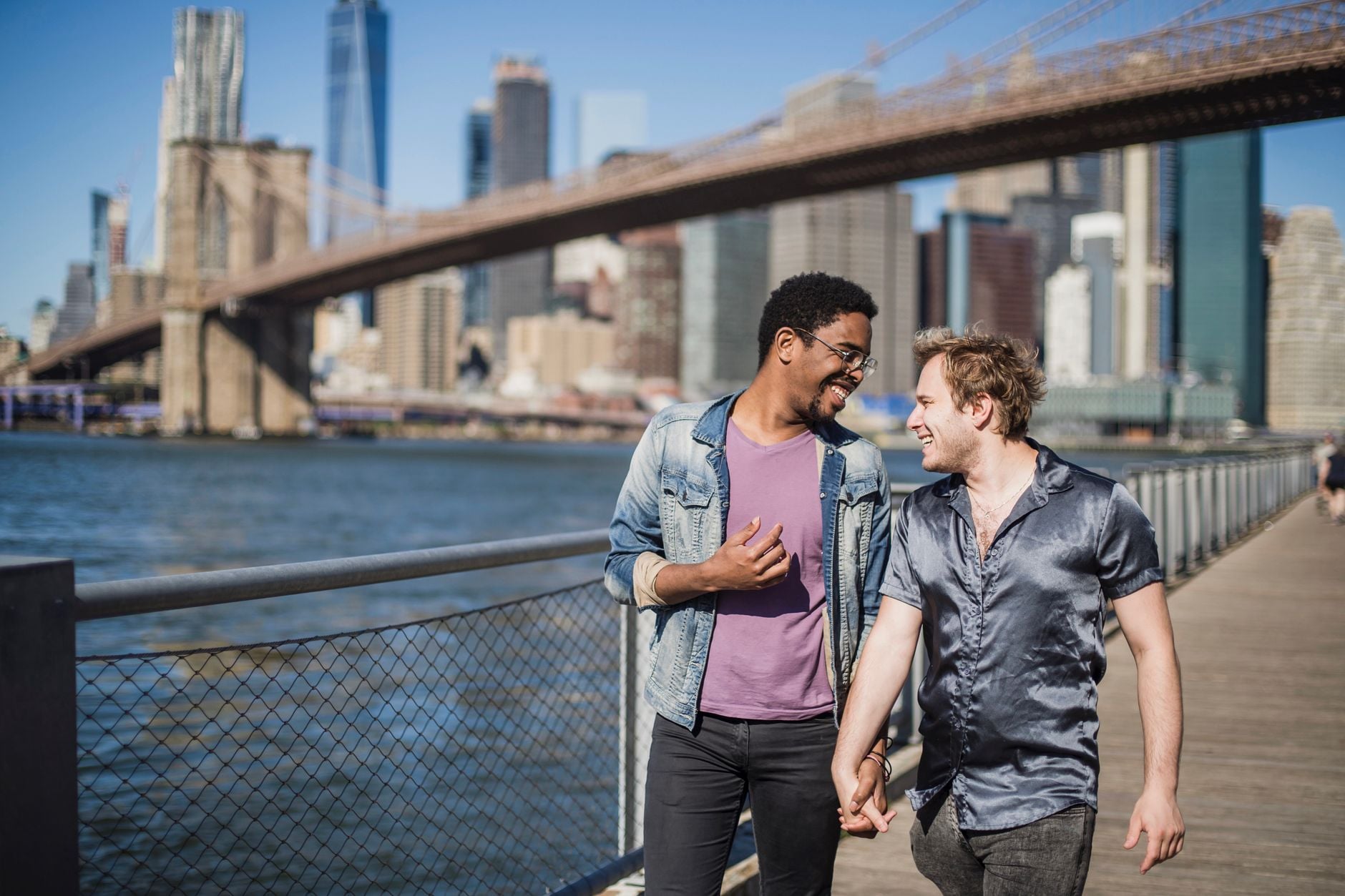
DOWNTOWN BROOKLYN: The area around Brooklyn Heights and Brooklyn Bridge Park hosts some LGBTQ+-friendly venues and increasingly attracts queer residents and visitors. The neighborhood offers cultural attractions, waterfront access, and upscale dining and drinking establishments. This area is more heterogeneous than Park Slope or Williamsburg but includes LGBTQ+ community presence.
BUSHWICK AND BEDFORD-STUYVESANT: Bushwick, with adjoining East Williamsburg, has become the true center of Brooklyn's queer nightlife, home to 3 Dollar Bill, Mood Ring, Happyfun Hideaway, Purgatory, BOYFRIEND and The Bush. The area is younger, more diverse and more DIY than Williamsburg, with warehouse clubs, dive bars and roving dance parties. Neighboring Bedford-Stuyvesant hosts queer spaces such as C'mon Everybody and Singers. The L, M and J/Z trains serve the area.
SUNSET PARK AND OTHER AREAS: Sunset Park, Crown Heights, Clinton Hill and Downtown Brooklyn host LGBTQ+ residents, community organizations and services, including the Brooklyn Community Pride Center in Crown Heights and Callen-Lorde's Brooklyn health center downtown, though they are less nightlife-focused.
VENUES AND NIGHTLIFE
Bushwick and East Williamsburg now form the heart of Brooklyn's queer nightlife. 3 Dollar Bill (260 Meserole St, East Williamsburg) is the borough's largest LGBTQ+ club, a warehouse space with a big backyard hosting drag, dance parties and live performance. Nearby in Bushwick, Mood Ring (a Latin- and astrology-themed cocktail bar with a dance floor), Happyfun Hideaway (a beloved dive with an outdoor patio), Purgatory (a queer club with darker, sex-positive party nights), BOYFRIEND (a queer co-op cafe and bar on Myrtle Avenue) and The Bush (a dyke/lesbian bar) anchor the scene. Metropolitan (Lorimer St, Williamsburg) is a long-running gay bar with fireplaces and a large patio, while The Exley draws a queer-friendly cocktail crowd. In Park Slope, Ginger's Bar is one of New York's last lesbian bars and Good Judy is a newer queer-owned shop-and-bar; C'mon Everybody in Bedford-Stuyvesant blends live music with queer dance nights, and Singers is a laid-back queer bar with a large backyard.
Park Slope has maintained longer-lasting establishments, though the specific bar and club landscape has evolved. The neighborhood has historically hosted Pride events and community gatherings in and around Prospect Park.
Brooklyn hosts numerous drag shows, with performances happening at various venues throughout the week. These range from intimate bar shows to larger circuit-style productions. Major Pride Month events in June typically feature outdoor stages, festival areas, and organized programming.
Brooklyn has no dedicated gay bathhouse or sauna; the nearest gay saunas are across the river in Manhattan. For cruising, Sunset Video is a long-running 24-hour adult store in Sunset Park with a discreet reputation among gay men (as with any public cruising venue, use discretion and be aware of local laws). Apps such as Grindr and Sniffies are widely used across the borough.
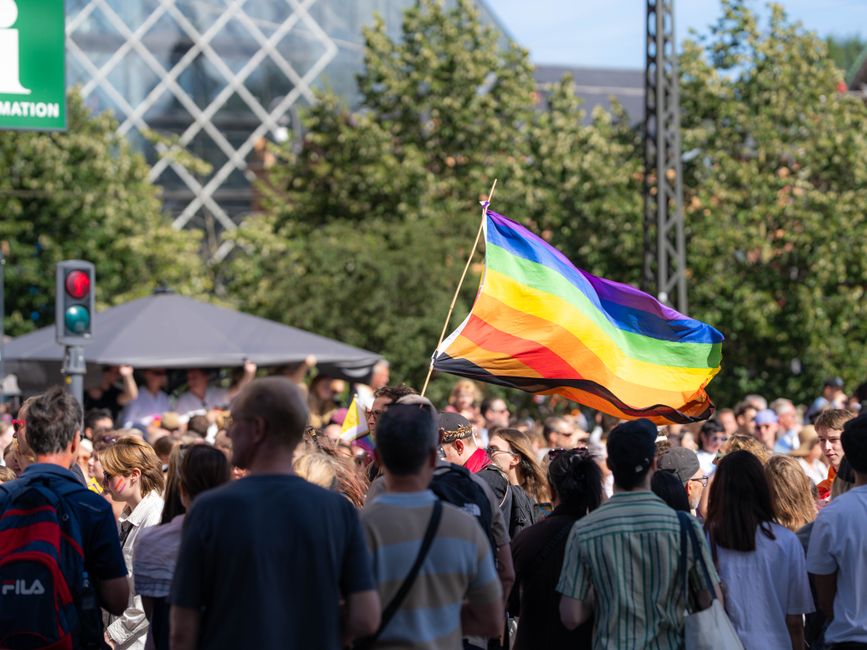
Brooklyn Pride, organized by the volunteer-run Brooklyn Pride, Inc., is held on the second Saturday of June (June 13 in 2026) and is centered on Fifth Avenue in Park Slope. It is best known for its Twilight Parade, one of the only nighttime Pride marches in the United States, alongside a daytime street festival, multicultural stage and a five-kilometer run. Satellite events, Black Pride and Trans Pride gatherings occur throughout the borough during June and the wider year.
Beyond Pride, Brooklyn hosts various circuit events, Black Pride celebrations, Trans Pride events, and community gatherings. These occur throughout the year and reflect Brooklyn's diverse queer population.
WHERE TO STAY
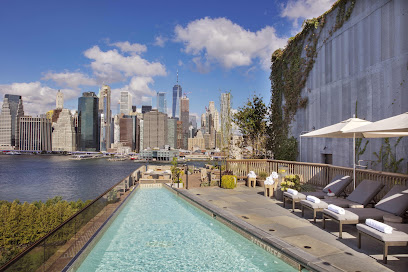
Brooklyn offers numerous hotel and Airbnb options. Park Slope provides a residential, quieter experience but is farther from nightlife; Williamsburg offers proximity to bars and clubs but with more noise and tourism. Downtown Brooklyn provides a middle ground.
Hotels include properties ranging from budget to luxury. Airbnb rentals are abundant and often provide better value than hotels, though supply has been affected by recent regulations. Many visitors staying in Manhattan choose to visit Brooklyn for specific events or experiences, given the subway connections.
Brooklyn and New York City are generally safe for LGBTQ+ travelers, with strong anti-discrimination laws and visible queer communities. Violent hate crimes are relatively rare but do occasionally occur; visitors should exercise standard urban safety precautions (avoiding isolated areas late at night, being aware of surroundings). Certain neighborhoods are safer and more welcoming than others; Park Slope and Williamsburg are generally considered safe and LGBTQ+-friendly.
The United States has no nationwide federal ban on conversion therapy, and many states lack protections, though New York State does prohibit the practice for minors and has broad protections for LGBTQ+ people. For international travelers from countries with less LGBTQ+-friendly legal frameworks, Brooklyn and NYC offer welcoming legal and social environments.
TRANSIT
The MTA subway system connects Brooklyn throughout the borough and to Manhattan. Major lines serving key neighborhoods include the F/G (serving Park Slope and downtown), L (serving Williamsburg and Greenpoint), and others. Subway cards are purchased at stations. Service can be inconsistent, so checking the MTA website before travel is advisable.
Buses supplement subway service. Citi Bike, a bike-sharing program, provides another transportation option for those comfortable cycling in urban environments.
Walking is feasible within neighborhoods, though Brooklyn is large and walking between distant neighborhoods is impractical.
FOOD
Brooklyn offers exceptional dining options reflecting the borough's diversity. Park Slope features family-friendly restaurants, ethnic cuisines, and cafes. Williamsburg has become a dining destination with innovative restaurants, though many high-end establishments reflect gentrification and rising prices. Neighborhoods feature diverse cuisines including Italian, Polish, Mexican, Asian, and contemporary American.
Queer-owned or LGBTQ+-friendly establishments are numerous throughout the borough. Coffee shops, bookstores, and restaurants often serve as community gathering spaces.
DAY TRIPS AND ATTRACTIONS
Prospect Park: 526 acres of green space in central Brooklyn offering walking paths, sports facilities, a lake, and community space. The park is central to Park Slope community identity.
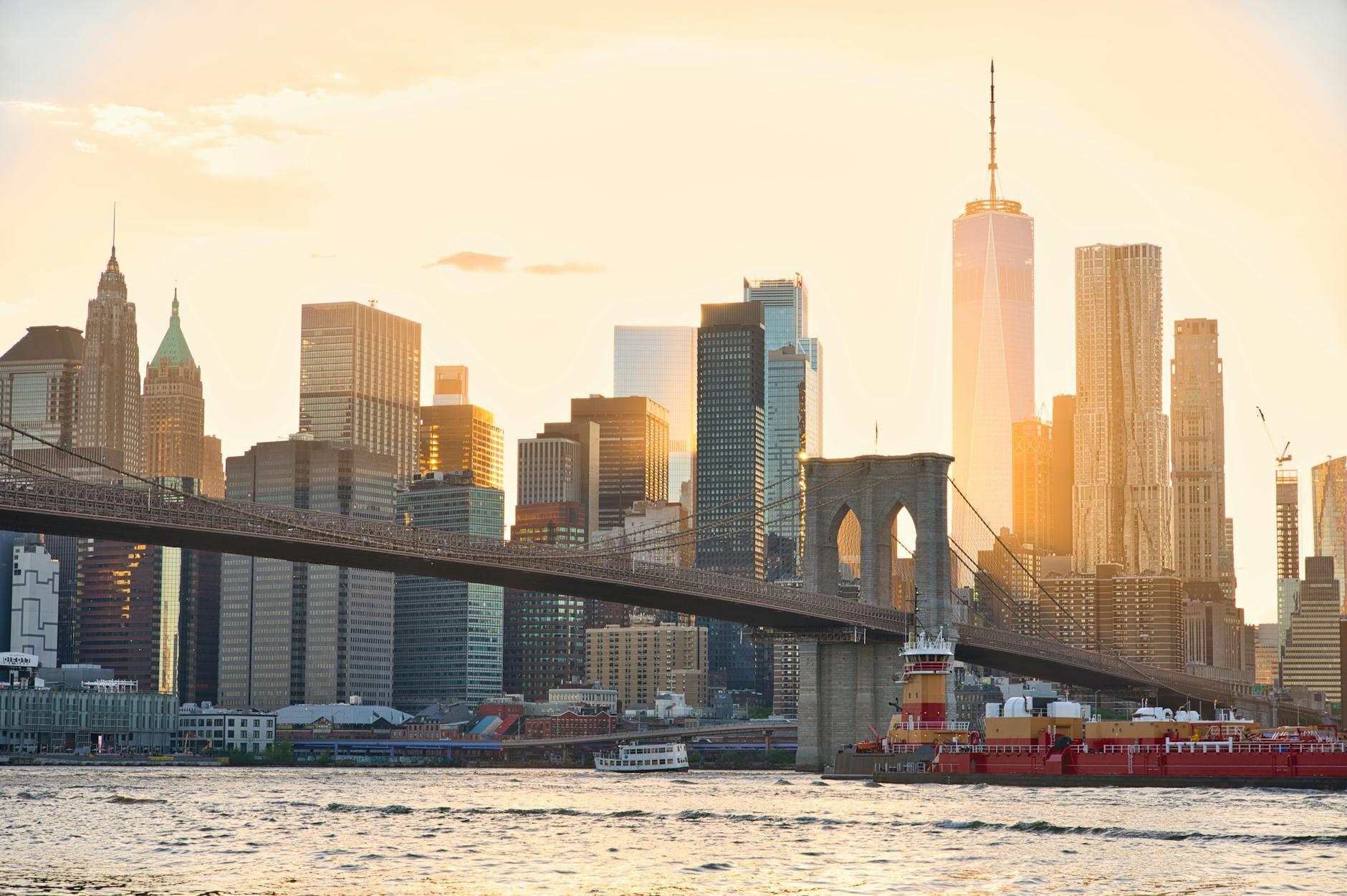
Brooklyn Bridge Park: Waterfront park offering views of Manhattan, the East River, and access to cultural attractions. Popular for walking, photography, and recreation.
Manhattan Access: The subway and bridges provide easy access to Manhattan, where additional LGBTQ+ venues, cultural institutions, and attractions exist. Many visitors combine Brooklyn and Manhattan in a single trip.
Museums and Cultural Institutions: Brooklyn Museum, Prospect Heights, and other cultural venues offer exhibitions and programming. Many include LGBTQ+-focused exhibitions and events.
Coney Island and Brighton Beach: Accessible by subway, these seaside neighborhoods offer beach access, boardwalk culture, and different experiences. Coney Island has hosted historical LGBTQ+ gatherings and performances.
Williamsburg attractions include galleries, antique shops, and vintage clothing stores reflecting the neighborhood's artistic culture.
CONCLUSION
Brooklyn offers a multifaceted LGBTQ+ experience combining nightlife, community, history, and cultural access. The borough appeals to diverse visitors seeking authentic queer culture beyond commercialized Manhattan venues, strong community infrastructure in residential neighborhoods, and connections to activism and social justice movements. Visitors should verify current venue information and event schedules, as Brooklyn's scene evolves continuously. The borough's excellent transit connection to Manhattan, diverse neighborhoods, and strong LGBTQ+ presence make it an increasingly primary destination for queer travelers to New York City.
Frequently asked questions
Yes, Park Slope is Brooklyn's most established LGBTQ+ neighborhood, historically attracting lesbian residents and families. Williamsburg has become a primary nightlife destination for younger queer crowds, featuring numerous bars and clubs.
Brooklyn offers a range of venues, from historic community institutions and LGBTQ+-owned businesses in Park Slope to newer music venues, clubs, and cultural spaces in Williamsburg and Bushwick catering to club culture and drag performance.
Park Slope has historically attracted lesbian families and still hosts family-oriented queer establishments, making it a more residential and community-focused option.
Bushwick and East Williamsburg are Brooklyn's queer nightlife hub, home to 3 Dollar Bill (the borough's largest LGBTQ+ club), Mood Ring, Happyfun Hideaway and Purgatory. Park Slope has Ginger's Bar (a historic lesbian bar) and Good Judy, while Bedford-Stuyvesant offers C'mon Everybody. Expect drag, dance parties, live music and a diverse, politically engaged crowd.
Yes, Brooklyn's LGBTQ+ community is racially diverse and includes significant populations of queer and trans people of color, which shapes the city's nightlife, arts, and activism.
Brooklyn Pride takes place on the second Saturday of June (June 13 in 2026), centered on Fifth Avenue in Park Slope. Organized by Brooklyn Pride, Inc., it is famous for its evening Twilight Parade, one of the only nighttime Pride marches in the US, plus a street festival, multicultural stage and a 5K run.
Your privacy choices.
We use cookies to run GayOut and, with your consent, measure usage. Learn more
Your privacy choices
We use cookies to keep GayOut running, remember your preferences, and (with your permission) measure how the site is used. You can accept all, reject all, or pick what you allow. Learn more
Essential
Required for sign-in, fraud prevention, CSRF protection and remembering your language. Cannot be disabled.
Always on
Remembers your favourites, dark mode and other interface preferences across visits.
Helps us understand which pages people visit (Google Analytics, server-side stats) so we can improve.
Used by campaign tracking pixels. None are active right now, reserved for future use.
Install GayOut
Add GayOut to your home screen for faster access, offline favourites, and Pride alerts.





![LGBTQ+ Indoor Rock Climbing Night at Montclair Gravity Vault [Bouldering]](https://images.pexels.com/photos/5383790/pexels-photo-5383790.jpeg?auto=compress&cs=tinysrgb&h=650&w=940)







 Gay Bars & Clubs
Featured
(193)
Gay Bars & Clubs
Featured
(193)