

















In this guide · 13 sections
The Gay Scene
St. Louis's gay scene is smaller than you might expect for a city its size, but it makes up for that in community cohesion. The heart of it is The Grove (officially Forest Park Southeast), a dense strip along Manchester Avenue where most of the city's LGBTQ+ bars, drag shows and nightlife cluster. A handful of older neighborhood bars survive in Soulard and around South Broadway. These aren't formal gayborhoods plastered in rainbow flags, but The Grove is where the community has put down roots over the past couple of decades.
The Grove is walkable and easy to bar-hop, with murals, patios and a young, mixed crowd. It's not exclusively gay — it's a general nightlife district — but it's unmistakably the queer core of the city, and a night here will take you between several gay bars within a few blocks.
What sets St. Louis's LGBTQ+ community apart from bigger cities is how tight-knit it feels. People know each other. Bars that have survived did so thanks to regulars and local loyalty, not tourist crowds. Visit more than once, and you'll start feeling like part of it. For many gay travelers, that's more appealing than the anonymous scale of Chicago or New York.
There's a political backdrop to consider. Missouri's conservative legislature has pushed anti-LGBTQ+ legislation. St. Louis city, though, has its own non-discrimination ordinances; it's an island within the state's politics. You won't have problems in the city, but it's a reminder that the community here operates in a less supportive statewide environment than coastal cities do.
Best Time to Visit
St. Louis has four distinct seasons, none of them perfect. Spring (April and May) is pleasant. Summer is humid and hot — not Phoenix-level extreme, but genuinely uncomfortable for long stretches outdoors, and it's when Pride happens. Fall is the best for walking around; September and October usually have good weather and some of the best events. Winter is cold, sometimes icy, but the bar scene keeps going.
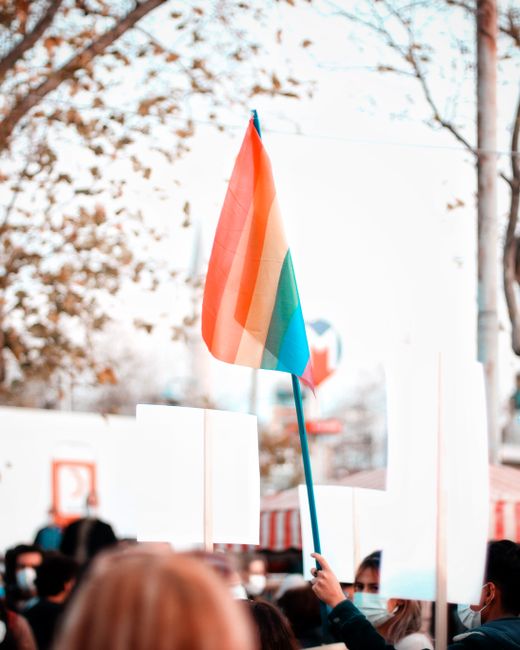
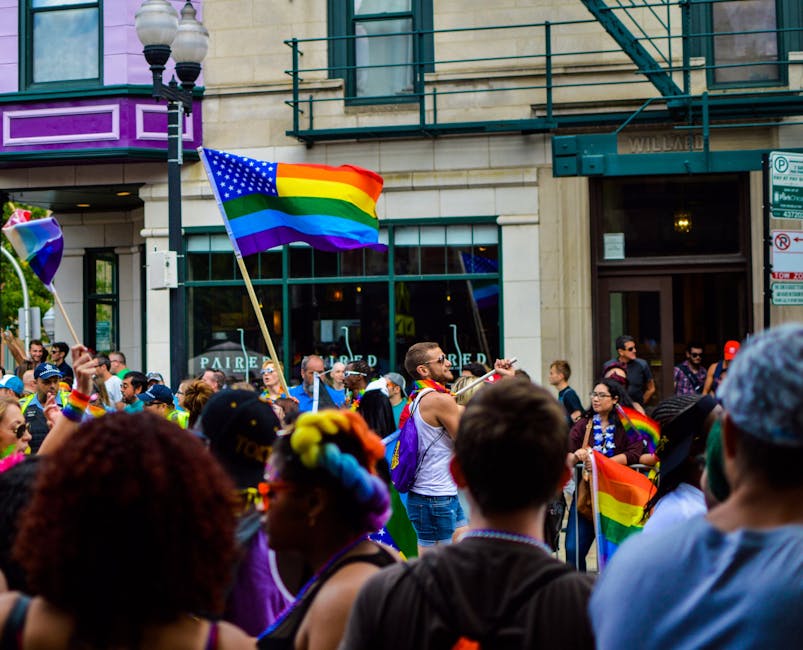
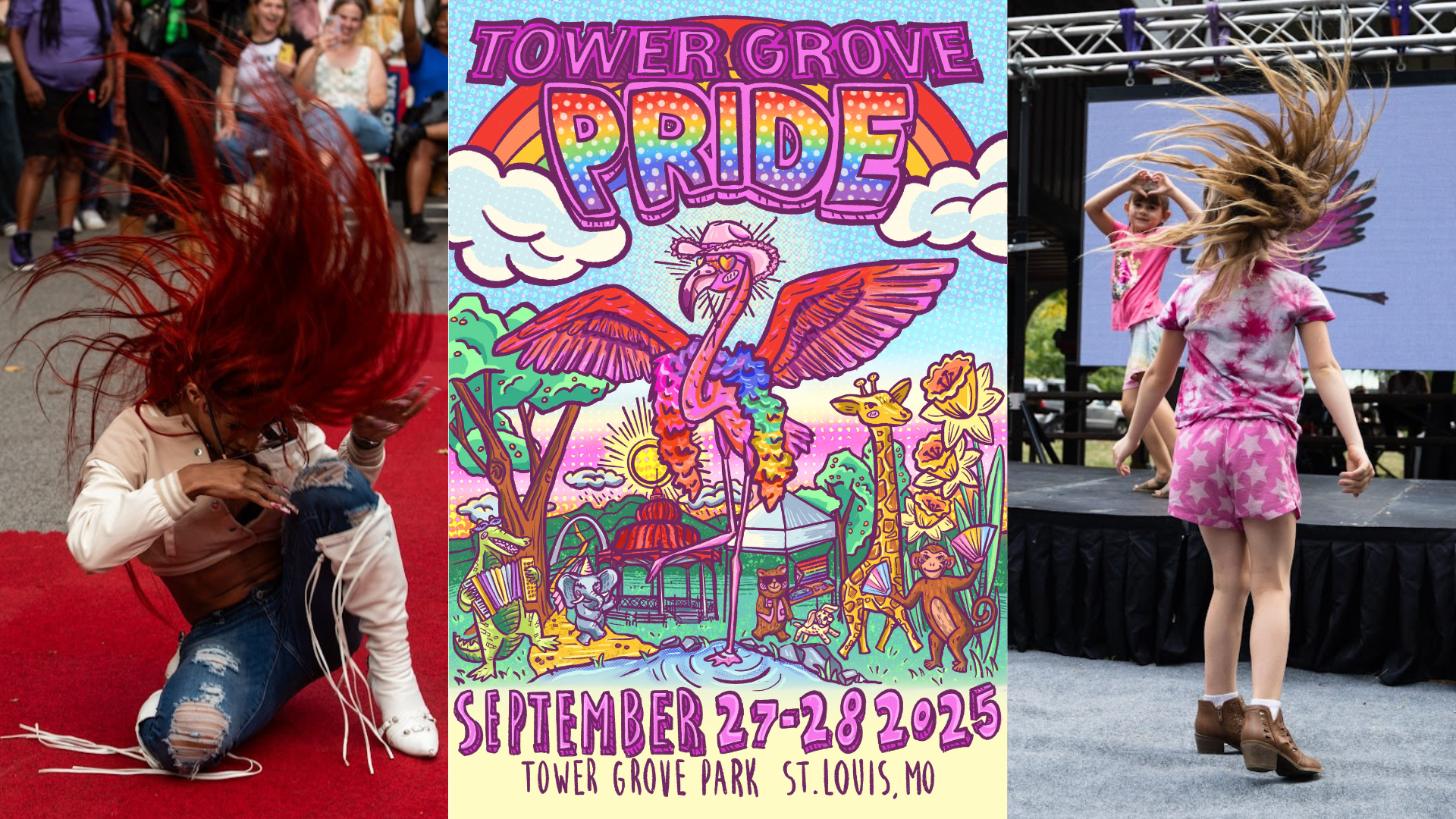
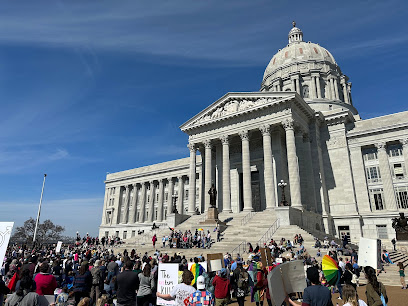
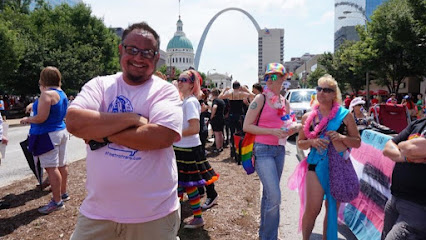
PrideFest, run by Pride St. Louis, takes place in late June — for 2026 it's the weekend of June 27-28. The Grand Pride Parade and the two-day festival are staged downtown, around Soldiers Memorial and Memorial Plaza on Market Street (the festival moved downtown from the Central West End years ago). It's one of the bigger Pride events in the Midwest, drawing people from across Missouri. If you're coming for Pride, book your hotel well in advance; downtown fills up.

Bars & Clubs
St. Louis gay bars feel like neighborhood joints, which says something about the community. These aren't circuit-party spots with elaborate lights and $18 cocktails. They're places where regulars know the bartenders, where people actually talk, and where a cover charge, if there is one, is low. Still, it's not all dive bars: you'll find dance nights, drag shows, leather events, and queer-friendly places that attract a mixed crowd.
The Grove has the most bars in one spot — spend a weekend night here and you can walk between several. Soulard and South Broadway have a couple of older, more local holdouts worth the short trip.
- Just John Club — St. Louis's largest and most popular gay bar, on Manchester Avenue in The Grove. It has multiple rooms, a big patio, strong drag and dance programming, and acts as the main social hub for the city's LGBTQ+ nightlife.
- Prism — A stylish cocktail-and-drag bar in The Grove, known for its live showgirl entertainment, reasonable drinks and a fun dance-floor atmosphere. A good pairing with Just John a few doors down.
- Rehab Bar & Grill — Gay bar and grill on Manchester Avenue in The Grove, serving proper bar food alongside a lively atmosphere and regular drag benefits. A good spot to start a night out in The Grove or as a standalone place if you're looking for food.
- Bar:PM — Bar PM is a very inclusive, friendly and fun gay bar on South Broadway. There is always something going on, be it a fundraiser for local charities, karaoke, live music on the patio, drag shows or just a party. The owners have kept it a safe, welcoming space with a great patio and indoor/outdoor bar.
- Bastille — A friendly neighborhood gay bar in historic Soulard, set in a classic red-brick corner building on Russell Boulevard. Drag, karaoke and an easygoing local crowd make it the anchor of Soulard's small but loyal LGBTQ+ scene.
- Grey Fox Pub — A long-running gay pub in the Tower Grove area, and one of the oldest surviving gay bars in the city. Expect local drag shows, friendly bartenders and a genuine neighborhood feel.
- Keypers Piano Bar — Keyper's is a gay-friendly neighborhood piano bar on Jefferson Avenue in the Fox Park area, with a sing-along atmosphere and a loyal regular crowd.
- Hummels Pub — A friendly neighborhood pub on South Broadway with an LGBTQ+-welcoming crowd and a good patio — relaxed and local rather than a scene bar.
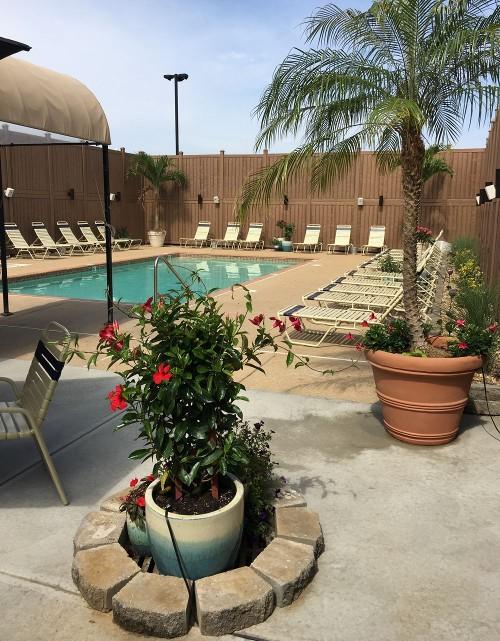
- The Club St. Louis — St. Louis's only gay bathhouse, in the Midtown Arts District. Open around the clock, it has private rooms, a steam room and the full bathhouse experience for the city's gay male community, convenient to both The Grove and downtown.
- Forest Park (Gay Cruising Area) — Forest Park has a long-standing, discreet after-dark cruising tradition along its wooded trails. It's a busy family park by day, so discretion is essential; Missouri's climate is conservative and the park is patrolled, so use common sense.
- The Cheshire — Gay-friendly boutique hotel near Forest Park. The Cheshire is St. Louis's most charming independent hotel, with a storybook look and genuine hospitality, conveniently close to both Forest Park and The Grove.
- PrideFest St. Louis 2026 — 27 June 2026 to 28 June 2026
- PrideFest St. Louis 2027 — 26 June 2027 to 27 June 2027
- PrideFest St. Louis 2028 — 24 June 2028 to 25 June 2028
- Cost of living: St. Louis is one of the more affordable big American cities. Drinks in bars are cheaper than on the coasts. Food is good value. Hotels and Airbnbs are reasonably priced, except during big event weekends.
- Missouri politics: The state is politically conservative. St. Louis city has its own protections, but knowing the statewide context is smart if you're planning longer trips in the region.
- Community size: The gay community is established but smaller than in bigger cities. Expect a tight social network, not an anonymous, sprawling scene.
- Food scene: St. Louis has some genuinely good food at reasonable prices. The Hill neighborhood is the old Italian area with good restaurants. South Grand has a diverse and affordable strip. The Grove mixes food in with the bars.
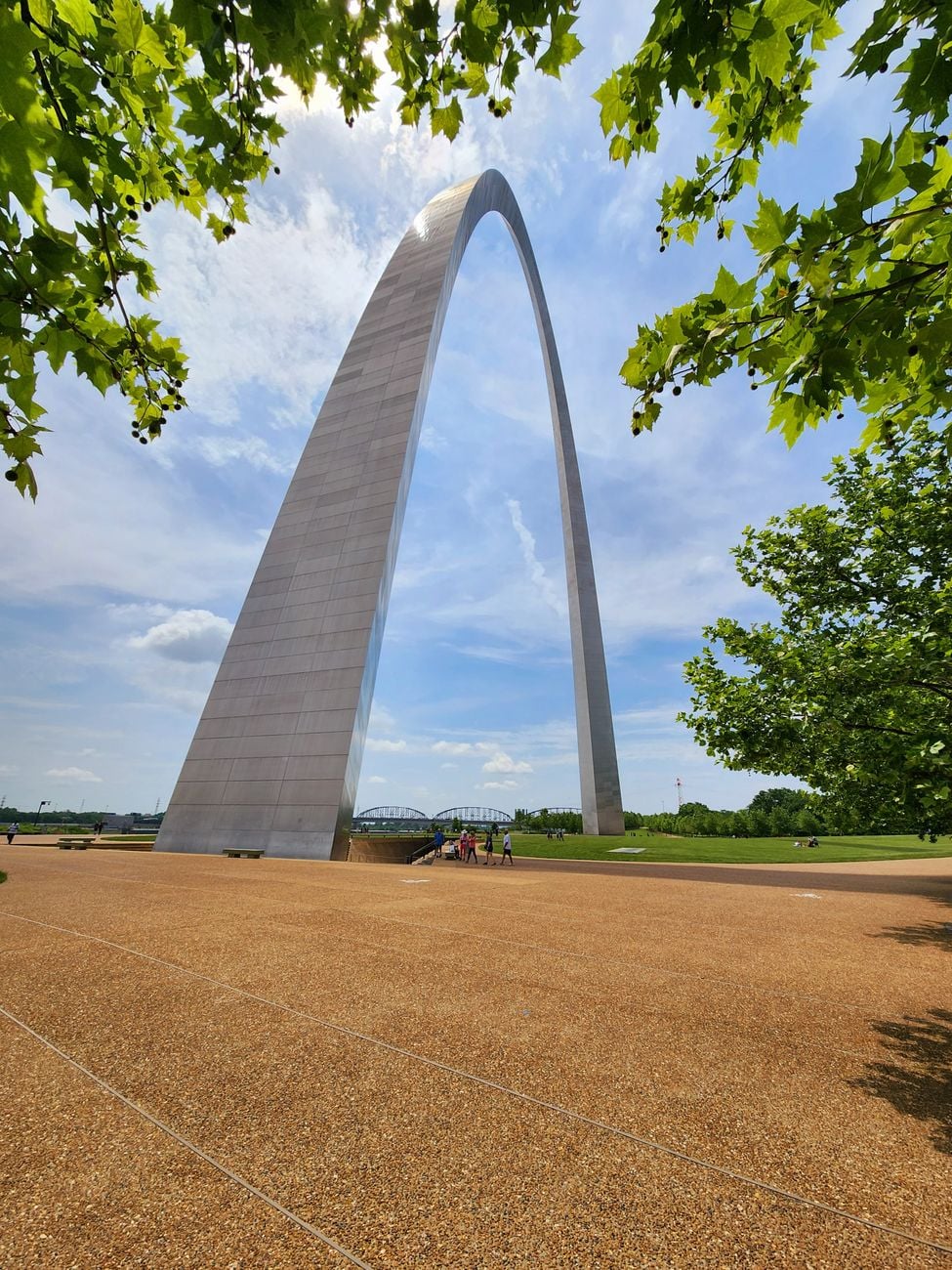
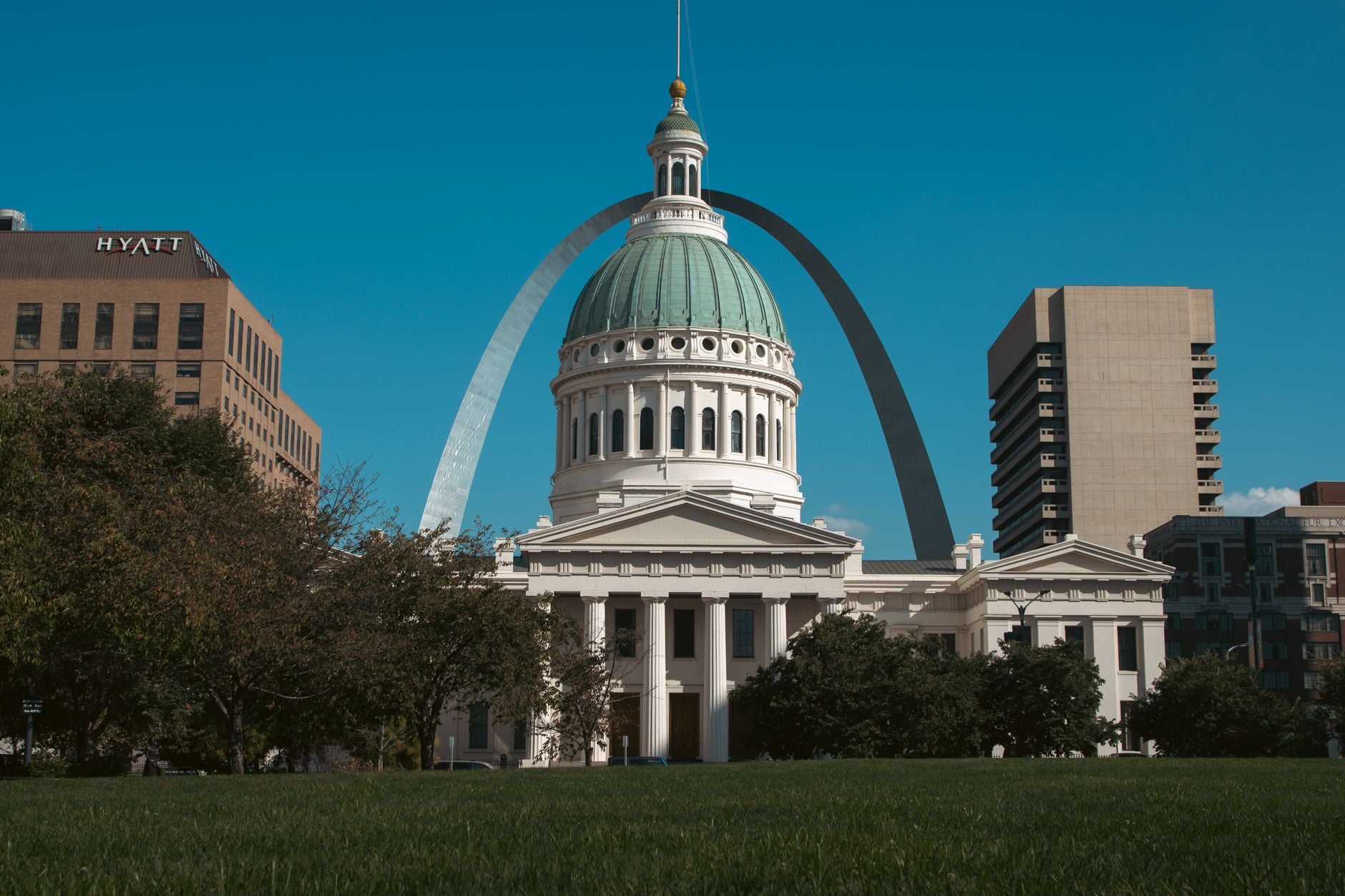
- The arch: Yes, you should go. The Gateway Arch National Park is by the river, and the tram ride to the top is genuinely impressive. Do it once.
Gay sauna in the city:
Discreet outdoor cruising:
Hotels
For the gay scene, staying near the Central West End, Midtown or downtown works well. The Central West End is the closest St. Louis gets to an upscale, walkable residential neighborhood with a mixed, progressive feel — good restaurants and bars, and right next to Forest Park. Downtown has hotels at every price point and is convenient for PrideFest and the Arch, though it's quieter at night. The Grove itself has few hotels, but it's a short rideshare from all of these.
Clayton, just west, is the county seat and a business district with good hotels — a short drive from the bars. For cheaper, more characterful options, the South City neighborhoods have guesthouses and short-term rentals in more interesting parts of town.

Events
Pride St. Louis is the big annual event, in late June, with the Grand Pride Parade and a festival downtown around Soldiers Memorial and Memorial Plaza. It's grown a lot, drawing people from across Missouri and the wider Midwest. Beyond Pride, check local LGBTQ+ community calendars — groups like PROMO Missouri and Metro Trans Umbrella Group run events, support groups and benefit shows throughout the year.
Getting Around
St. Louis is a mid-size Midwestern city built for cars. You can get around without one in specific areas, but not the whole city. The MetroLink light rail goes from the airport through Downtown and into Clayton, and connects to the main Amtrak station. For the gay bars in The Grove and South City, rideshares are easiest at night. Parking is generally available and not expensive in most neighborhoods, except downtown on event nights.
Forest Park is worth a look; it has paths for walking and cycling. The park is huge — bigger than New York's Central Park — and holds the art museum, history museum, zoo, and the Muny outdoor theater. All are free to enter, which reflects the city's generally affordable cultural life.

Practical Info
FAQ

Where are the gay bars in St. Louis?
Most are in The Grove (Forest Park Southeast), along Manchester Avenue — that's the city's main LGBTQ+ nightlife strip, home to Just John, Prism and Rehab. A few older neighborhood bars survive in Soulard (Bastille) and around South Broadway (Bar PM).
When is Pride St. Louis?
PrideFest is in late June — for 2026 it's June 27-28. The Grand Pride Parade and festival take place downtown around Soldiers Memorial and Memorial Plaza. Dates shift slightly each year; check the Pride St. Louis website and book accommodation early, as downtown fills up.

Is St. Louis safe for LGBTQ+ visitors?
Within the city's LGBTQ+-friendly neighborhoods — The Grove, Central West End, Soulard, South City — yes. The city has non-discrimination protections. Missouri as a state has a more conservative political climate, but you won't run into problems in the areas where the gay scene is.
What else is worth doing in St. Louis beyond the gay scene?
Forest Park has the art museum, history museum, and zoo — all free. The Gateway Arch National Park is worth a visit. The food scene on The Hill, South Grand and Cherokee Street is genuinely good and very affordable. The city's architecture, from old downtown buildings to the striking homes of the West End, is also worth seeing.

