São Tomé & Príncipe, two volcanic islands of cocoa plantations and empty beaches off the equator, is one of Africa's quiet good-news stories. Same-sex relations were decriminalized in 2012. The 2019 Labour Code prohibits employment discrimination based on sexual orientation. Afrobarometer polling shows tolerance around 46% — remarkably high for the region. There's even a political marker worth knowing: in 2019, MP Levy Nazaré made a rare-for-Africa speech calling on Parliament to open an honest debate on LGBT rights. That kind of gesture explains the islands' standing. There is no organized scene: no venues, no events, no active organizations (the government's HIV program runs the only MSM-facing infrastructure). The correct reading is the islands' historical pattern: live and let live.
Why there's no scene — and why that's fine
No gay bars here, but that's not from fear or persecution. It's the reality of a tropical island nation with no commercial nightlife infrastructure of any kind, for anyone. Locals are friendly, the ocean is open, and the islands offer a rare kind of quiet made for travelers who want to disconnect from the world. Community life, where it exists, runs through private and family networks that no directory can (or should) map.
The welcoming spots, by name
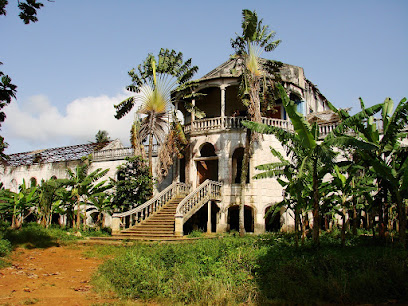
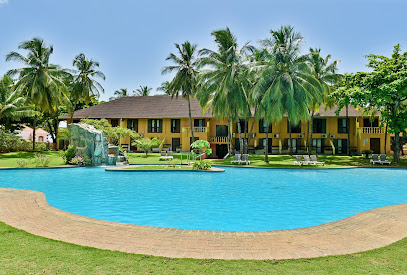
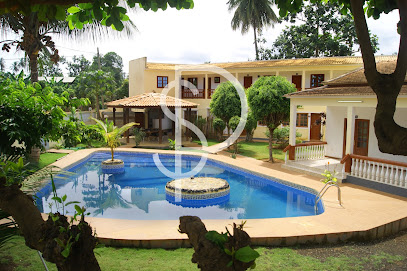
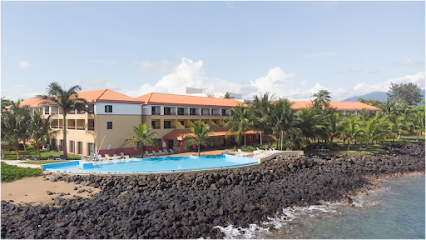
Pestana São Tomé & Ocean Resort in the capital is the cosmopolitan hub — the waterfront deck-bar where diplomats, expats, and travelers converge for a sunset cocktail. Roça São João dos Angolares, the historic plantation reborn as a culinary-and-arts center under chef João Carlos Silva, is the islands' most open, colorful, creative table. Claudio Corallo's Chocolate Tasting Room in town — the laboratory-café of the legendary chocolate maker — is a completely inclusive cultural stop for anyone who takes cacao seriously. Club Santana Beach Resort on its private bay does calm, upscale leisure that couples can sink into. Papa Figo downtown is the lively modern restaurant-bar pulling the young international crowd. And on Príncipe, Roça Sundy — the secluded boutique-luxury plantation house where Eddington's 1919 eclipse observations proved Einstein right — offers total discretion, international-grade service, and a warm welcome for queer couples.
A perfect São Tomé day, leve-leve style: craft-chocolate tasting at Corallo in the morning, a forest-facing feast at Roça São João at noon, and a sunset cocktail on the Pestana deck.
Leve-leve — the operating system
Leve-leve — 'take it easy' — isn't a slogan; it's how the islands run. This isn't a party destination. Expect slow rhythms, tropical calm, and a culture where nobody sticks their nose into anyone's business — an atmosphere where couples can simply unwind facing the ocean. Come for the quiet, and the islands deliver exactly that.
The digital grid
Thin and private-network driven. The profiles that exist are discreet — faceless is normal, and connections move through trust chains rather than cold messages. The universal micro-state rules apply: no screenshots, no forwarding, distance display off.
São Tomé ↔ Príncipe
The UNESCO-biosphere island of Príncipe runs on short domestic hops — STP Airways or Africa's Connection — and is even more secluded and exclusive than São Tomé: Banana Beach, rainforest peaks, and near-total privacy. If the budget allows, split the trip.
Money — the cash alert
Critical and non-obvious: international credit cards are barely accepted outside the big hotels, and local ATMs do not dispense cash on foreign cards. Bring enough euros in cash — EUR is accepted across the islands at a fixed rate alongside the dobra (pegged to the euro). Plan the full trip's spending before you land.
Practical notes
Town ≠ village: São Tomé city is relaxed and unbothered; rural communities are conservative and Catholic-Evangelical, so keep affection private everywhere — the same rule the islands apply to everyone's business. TAP flies from Lisbon; Pico Cão Grande, Obô National Park's cloud forest, and the roças circuit fill the days; petty-crime awareness in the capital at night, malaria prophylaxis per your doctor, and the dry seasons (June-September, December-February) for hiking.
Frequently asked questions
Yes — São Tomé has an active LGBTQ+ scene with bars, clubs and Pride events. Browse the venues on this page for the most-reviewed spots, and check the calendar for upcoming events.
We list the top-reviewed gay bars and clubs in São Tomé on this page. Filter by category and rating to find dance clubs, cocktail bars, cruise bars and more — every venue is verified by the GayOut community.
Pride season (typically June–July in the northern hemisphere) is the most lively time, with parades and parties. Spring and early autumn are also great for sightseeing without summer crowds. Check the events calendar above for specific dates.
Yes — see the "Where to stay in São Tomé" map above for hotels with current prices, including LGBTQ+ welcoming properties recommended by our community.
São Tomé is generally safe for LGBTQ+ visitors in tourist and central areas. Standard travel-safety advice applies. Check the country page for an LGBTQ+ rights overview specific to São Tomé & Príncipe.
Your privacy choices.
We use cookies to run GayOut and, with your consent, measure usage. Learn more
Your privacy choices
We use cookies to keep GayOut running, remember your preferences, and (with your permission) measure how the site is used. You can accept all, reject all, or pick what you allow. Learn more
Essential
Required for sign-in, fraud prevention, CSRF protection and remembering your language. Cannot be disabled.
Always on
Remembers your favourites, dark mode and other interface preferences across visits.
Helps us understand which pages people visit (Google Analytics, server-side stats) so we can improve.
Used by campaign tracking pixels. None are active right now, reserved for future use.
Install GayOut
Add GayOut to your home screen for faster access, offline favourites, and Pride alerts.


 Gay-Friendly Hotel
(1768)
Gay-Friendly Hotel
(1768)