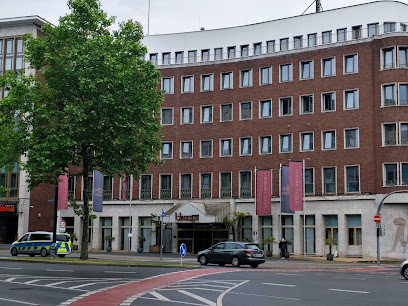
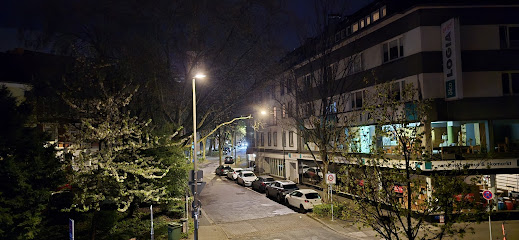
Same-sex marriage (Ehe für alle) legalised 1 October 2017. Civil partnerships (Lebenspartnerschaft) had been available since 2001. Joint adoption rights for same-sex couples since 2017. Strong federal anti-discrimination protections (AGG, General Equal Treatment Act 2006) covering employment, goods and services. Conversion therapy banned for minors 2020; full ban for adults proposed but not yet enacted as of 2026. Trans legal gender change requires psychological assessment and court order…
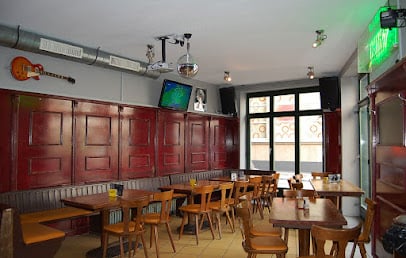
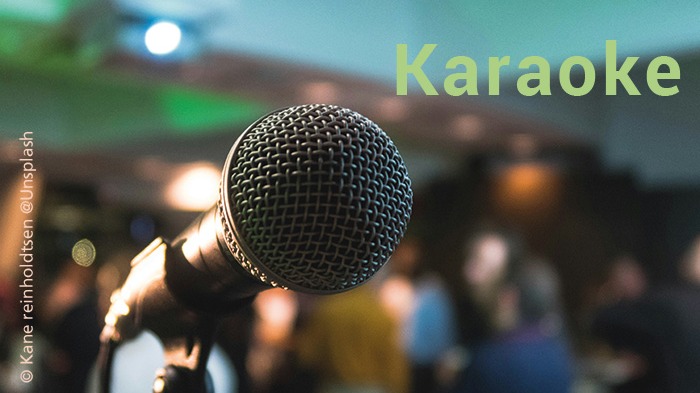
A rock'n'roll bar on Brüderweg, Dortmund's small gay-nightlife street. Not a dedicated gay venue but reliably gay-friendly — indie/rock/punk, karaoke, pub quiz.
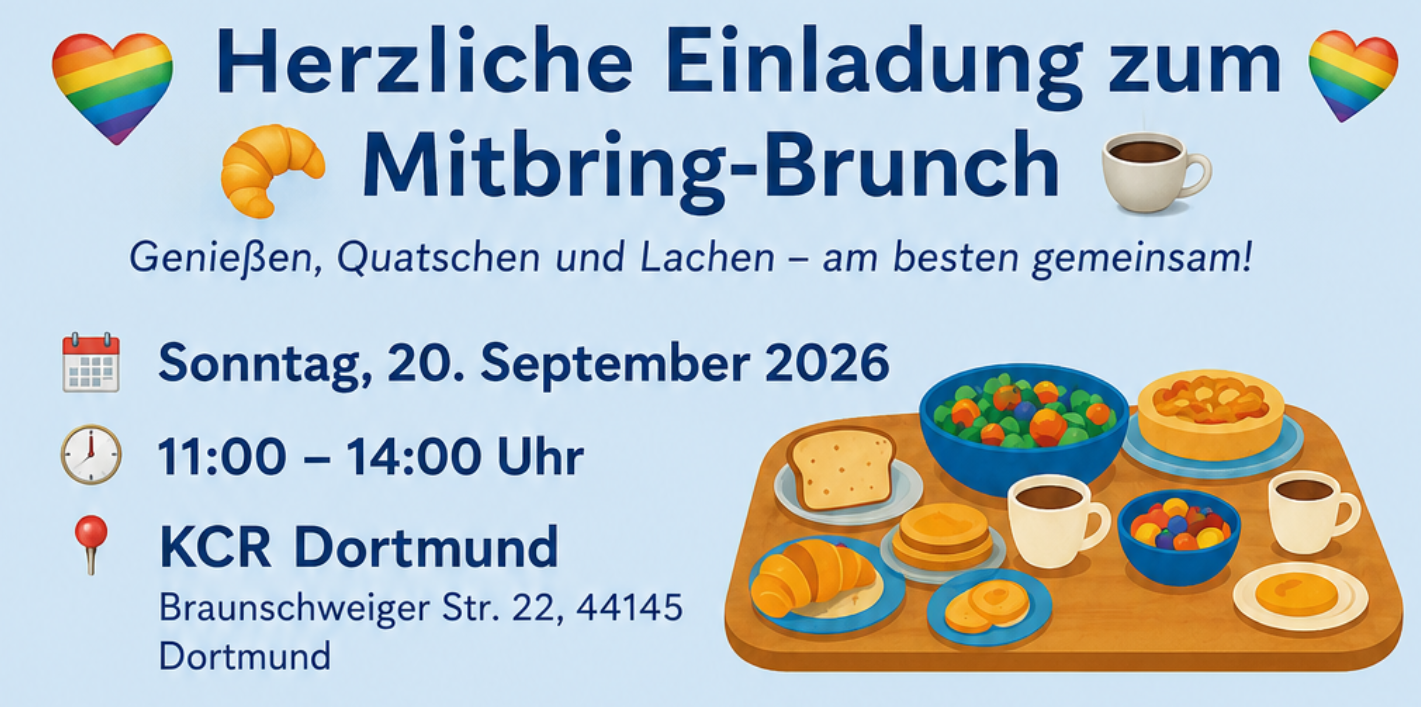
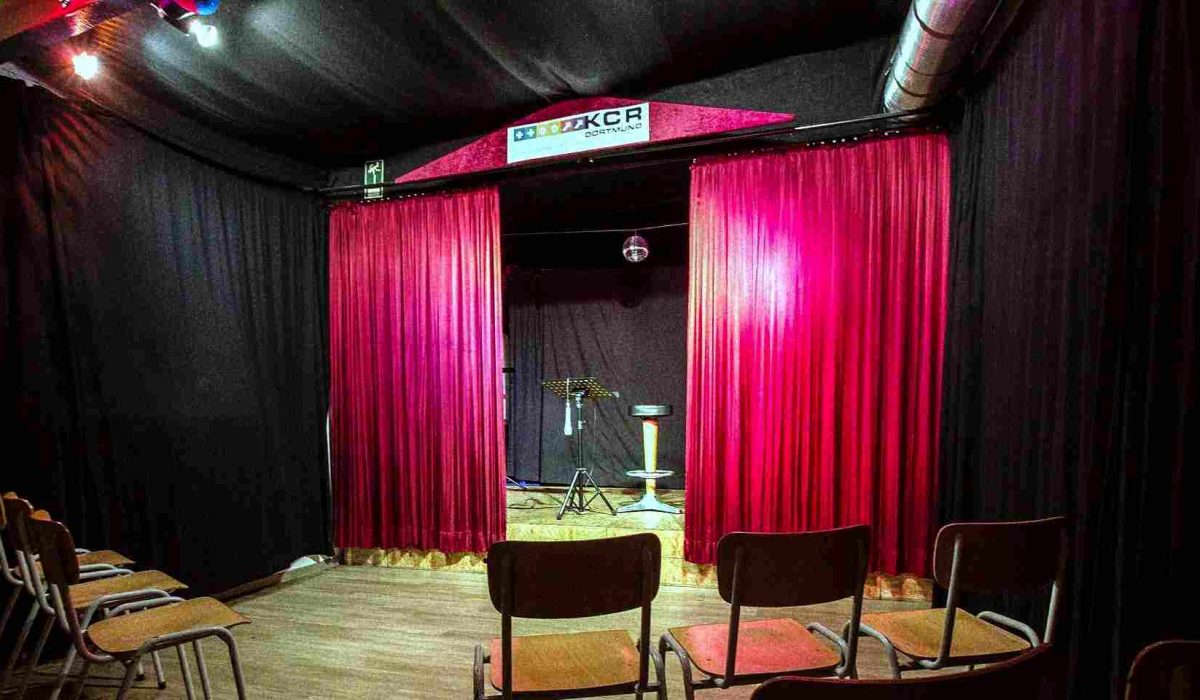
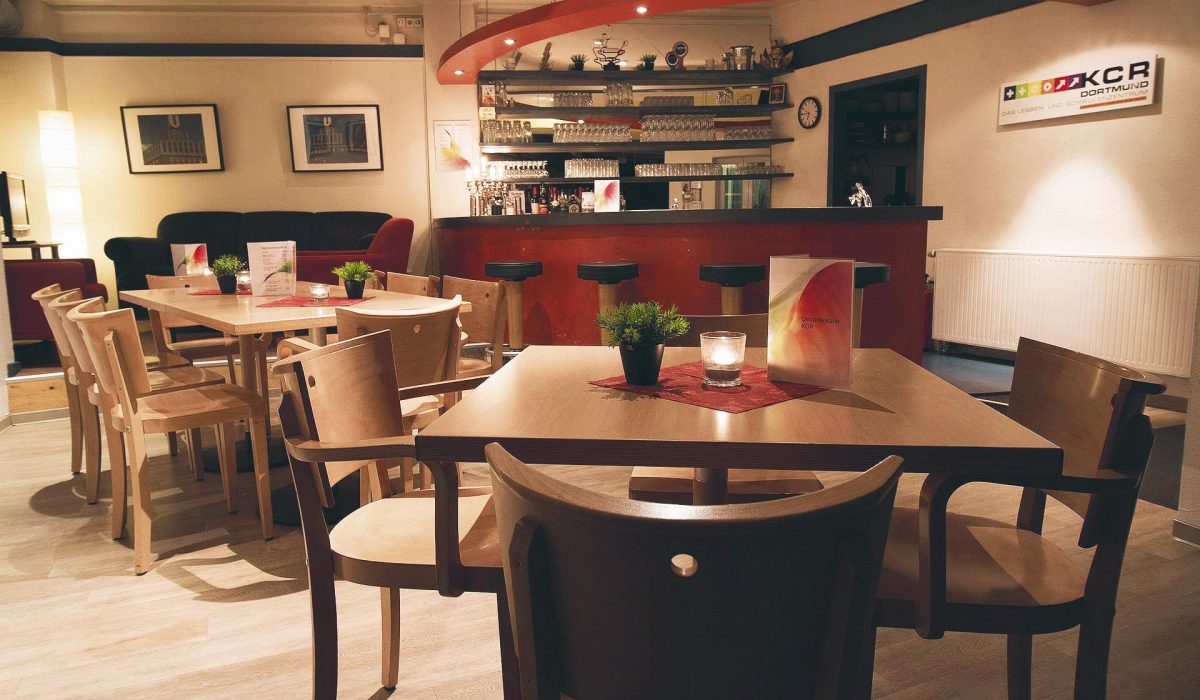
Dortmund's LGBTQ+ scene took shape in the post-war decades and gained visibility through the 1970s and 1980s. In 1978 the city became home to the KCR (Kommunikationszentrum für Schwule und Lesben, later Kommunikationscentrum Ruhr) — one of the oldest gay community centres in Germany, still active today in the Nordstadt. The umbrella organisation SLADO e.V. (Schwule Lesben Aktion Dortmund), founded in 1998, now coordinates the city's queer associations, runs the Sunrise youth centre and the LEBEDO counselling service, and organises the annual Christopher Street Day. Progress in this industrial Ruhr city sometimes lagged behind Cologne or Berlin, but the community is a settled part of Dortmund's social fabric.
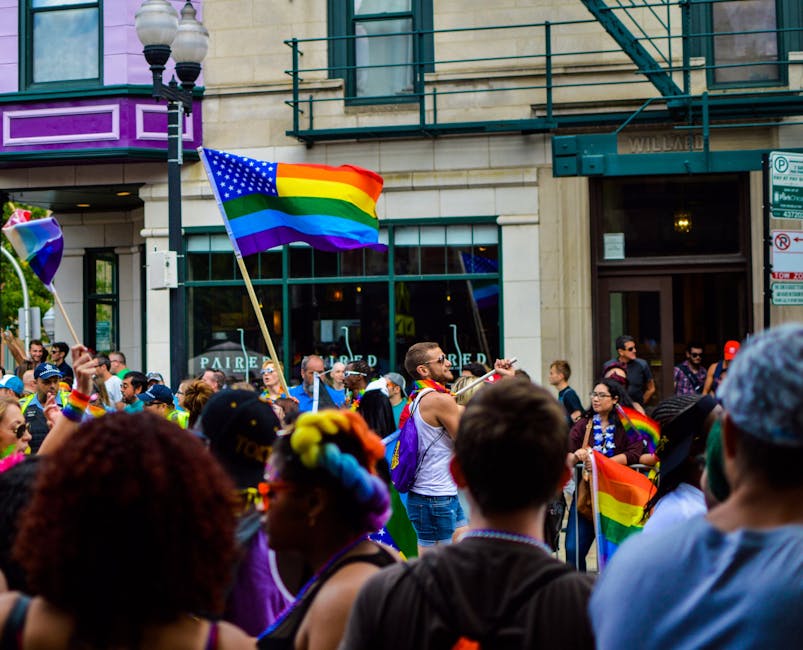
Christopher Street Day (CSD) Dortmund is the city's annual Pride, held in early September (not high summer). The 2026 edition took place on Saturday 5 September; the 2027 parade is expected on the first Saturday of the month. The demonstration runs from the Hauptbahnhof through the centre to Friedensplatz, where a free street festival with stages, speeches and stalls takes place. It draws several thousand participants from across North Rhine-Westphalia and has a grounded, politically engaged character alongside the celebration. Check csd-dortmund.de closer to the date.
Neighborhoods and Districts
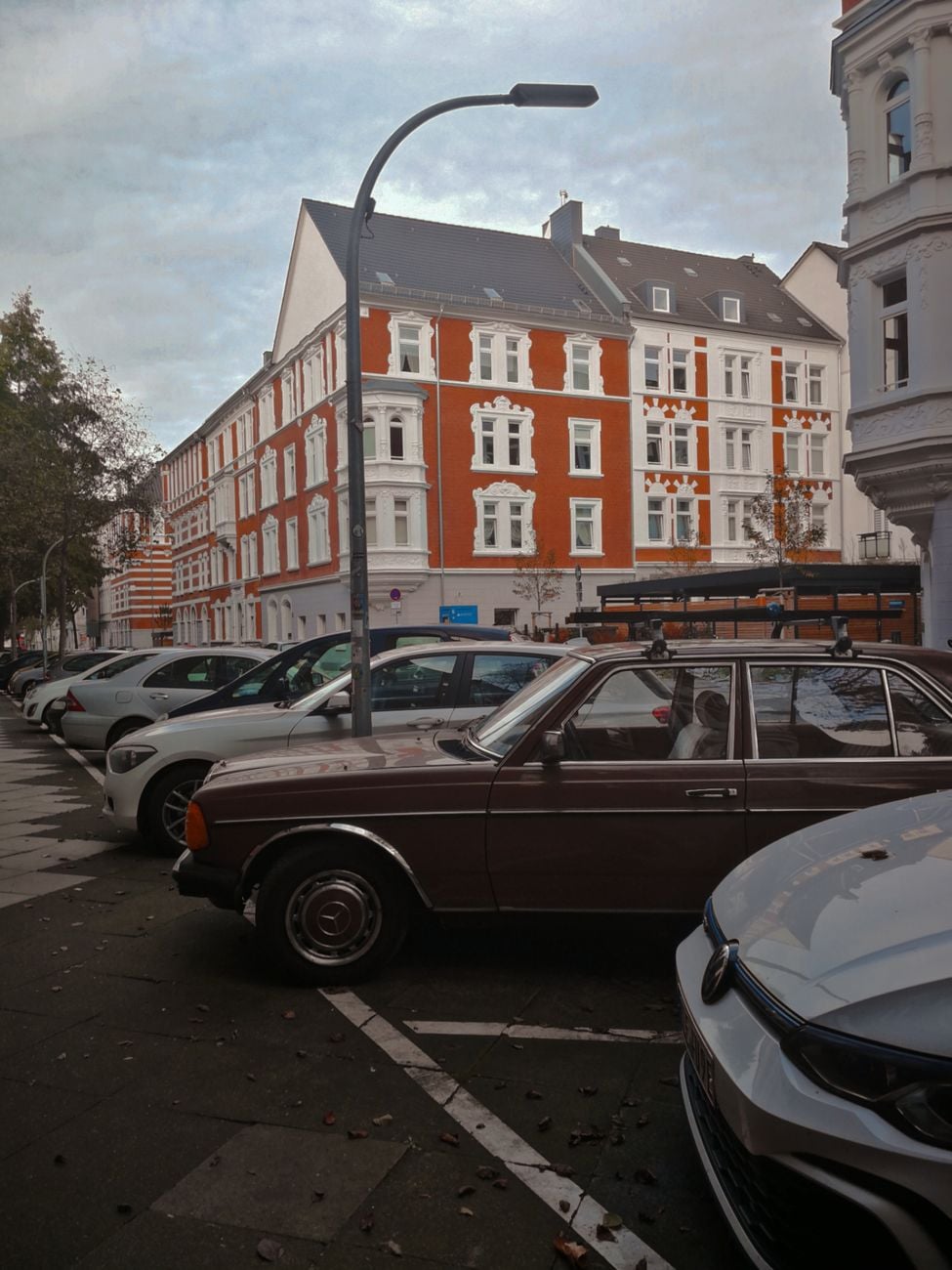
Dortmund has no single gay village. Queer nightlife is spread across the inner city — around Brüderweg and the Burgwall/Hauptbahnhof area — and the Nordstadt, north of the station, where gentleM and the KCR community centre are based. The Kreuzviertel, west of the centre, is the city's alternative, café-heavy quarter: not a gay district as such, but relaxed, artsy and very LGBTQ+-friendly, with independent shops and casual bars.
Venues and Nightlife
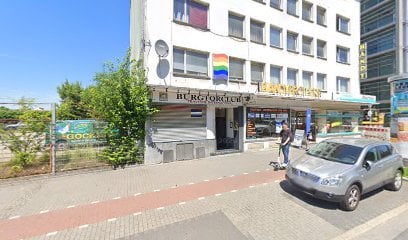
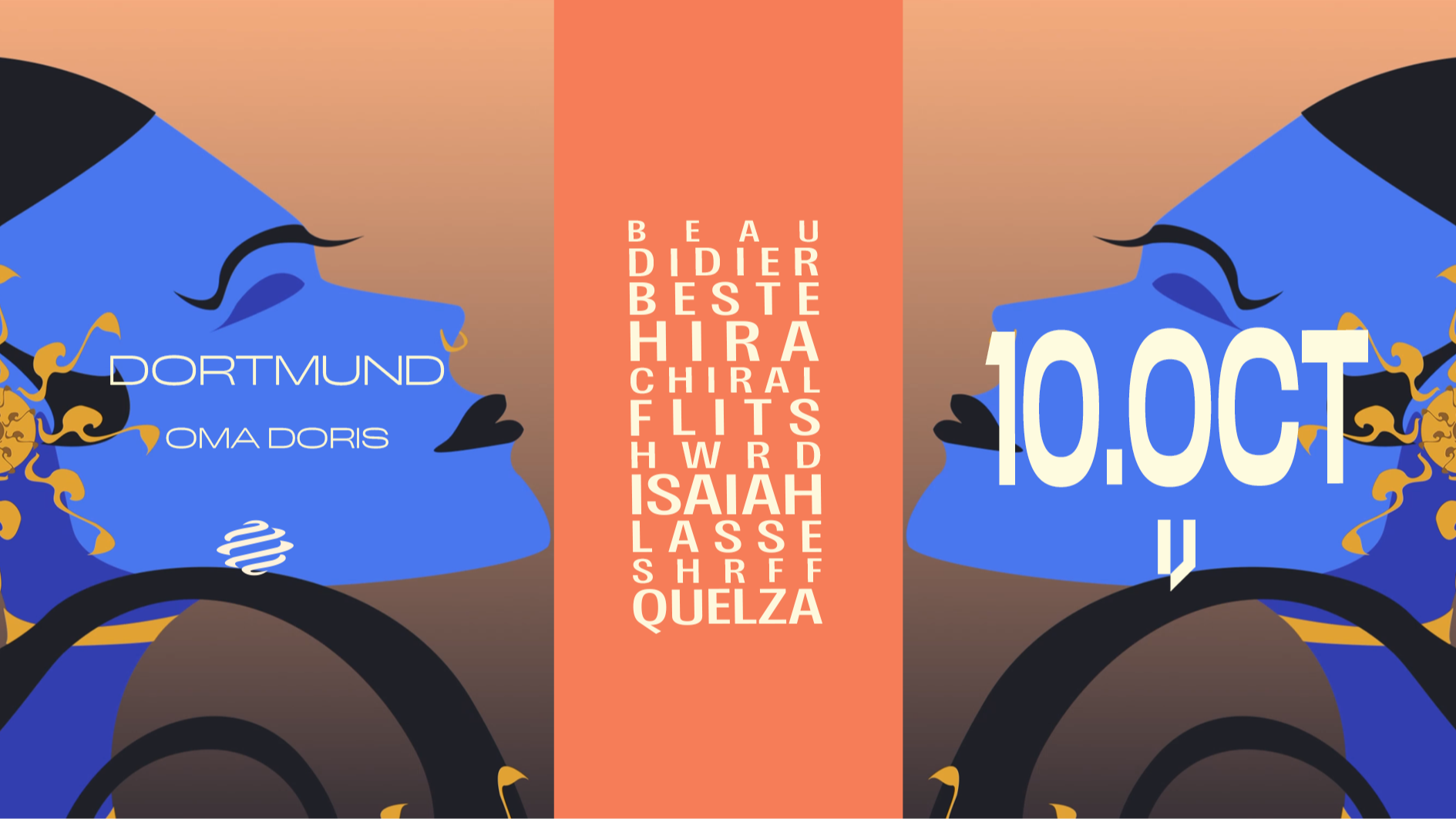
Dortmund's dedicated gay nightlife is small but real. The main venues are gentleM, a gay bar on Bornstraße in the Nordstadt that reopened in 2024, and Don Club, a long-running gay music pub near Brüderweg in the centre. Burgtorclub, on Burgwall near the Hauptbahnhof, is a party-focused gay club hosting dance nights, cabaret and charity events. HappyHappyDingDong (HHDD) on Brüderweg is a popular gay-friendly rock and alternative bar. This is a handful of venues rather than a nightlife machine — nights are social and community-oriented, and German closing times are relatively early (often 2–3 AM). For what is on, the KCR and CSD organiser SLADO are the best local sources.
Dortmund has no dedicated gay sauna. Travellers looking for one head to the neighbouring Ruhr cities — Essen and Bochum have options — or to Cologne, about 90 minutes away by train, which has the region's largest gay bathhouse scene.
Cruising
A few outdoor cruising spots are known to locals, listed in German cruising guides: the Rastplatz at Westerfilde (A45 corridor, north-west), the car park near Eichlinghofen and the TU Dortmund campus (south-west), and the Rombergpark botanical gardens (south). Germany is legally welcoming to LGBTQ+ people, but these areas are unsupervised — go with discretion, stay aware of your surroundings, and note that far-right harassment of cruisers has been reported in the Ruhr region.
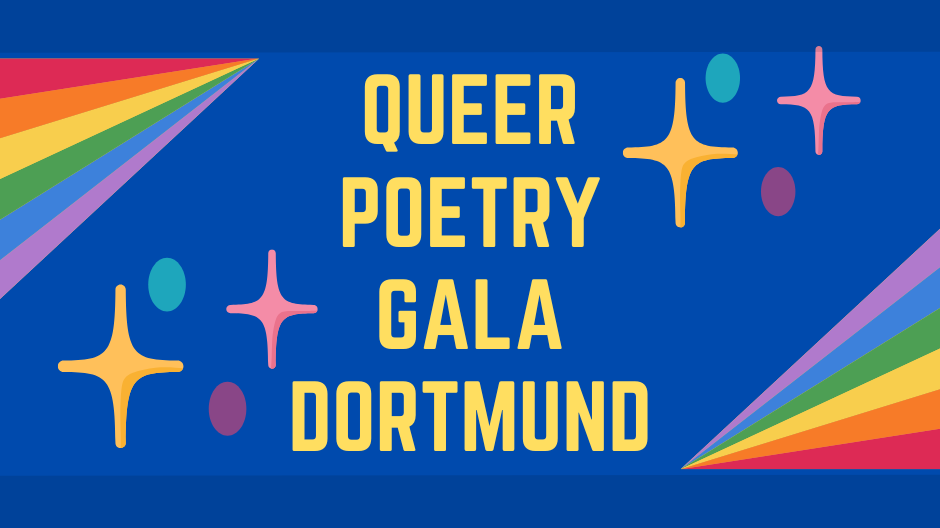
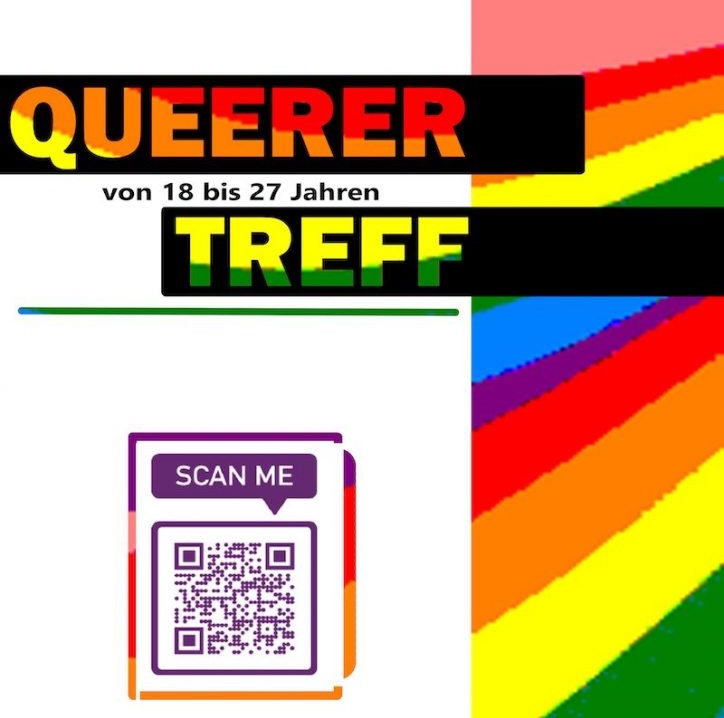
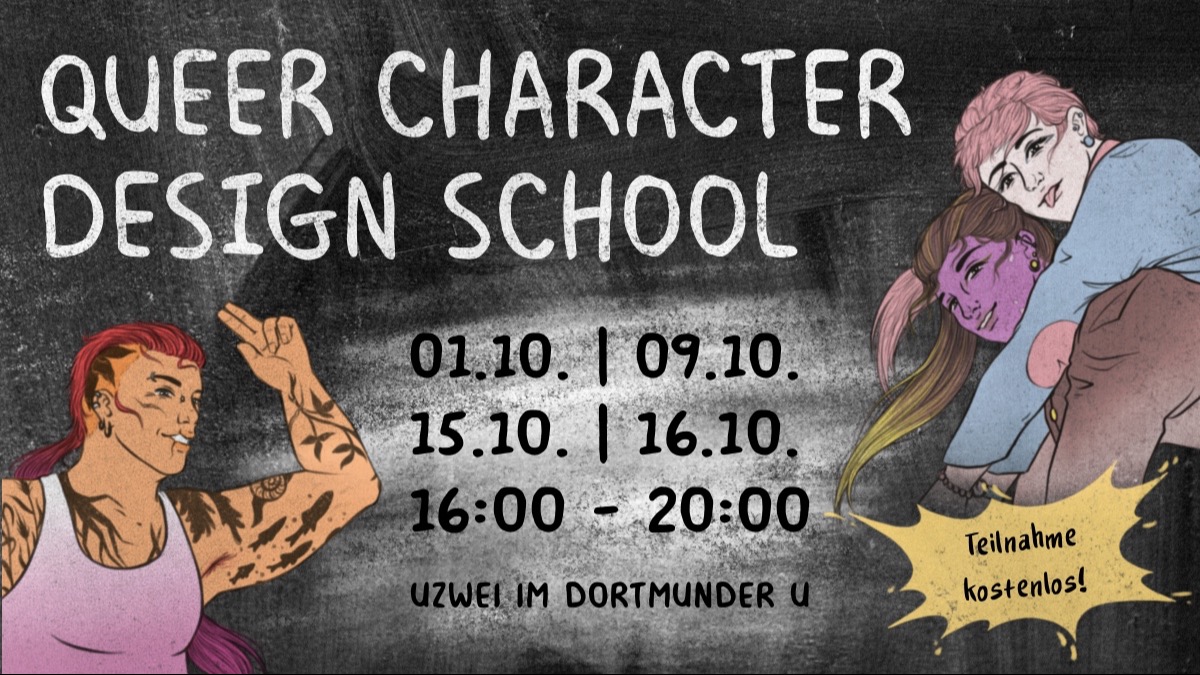
CSD Dortmund each September is the community's centrepiece (see above). Through the year, SLADO, KCR and partner groups run film screenings, lectures, youth evenings and social gatherings; LEBEDO offers psychosocial counselling for LGBTIQ+ people. These organisations, rather than a fixed strip of venues, are what holds the scene together.
Where to Stay
There is no gay-specific hotel quarter. The Innenstadt/Hauptbahnhof area is the most convenient base — central, well connected, and within walking distance of Brüderweg and Burgwall. The Kreuzviertel suits visitors who want a quieter, neighbourhood feel among cafés and independent shops. Both areas are well served by U-Bahn.
Germany is a safe destination for LGBTQ+ travellers, and Dortmund is no exception. Same-sex marriage is legal, anti-discrimination law is comprehensive, and public displays of affection between same-sex couples are generally accepted in the central areas. As anywhere, normal discretion is sensible in peripheral neighbourhoods.
Transportation
Dortmund's Hauptbahnhof is a major rail hub with fast connections across the Ruhr and to Cologne and Düsseldorf. The city's U-Bahn and bus network makes getting around easy; the Kreuzviertel is reachable on the U42, and the centre and Nordstadt are walkable. A car is not needed. A Ruhr-area day ticket can be cost-effective for hopping between cities.
Food and Culture
Dortmund's food scene mixes German classics with strong Turkish, Mediterranean and international options, reflecting the Ruhr's diversity. There are no exclusively gay restaurants, but the Kreuzviertel's cafés and casual eateries are welcoming. Beyond the scene, the city has Westfalenpark, the Rombergpark botanical gardens, the U-Tower arts centre, and industrial-heritage sites documenting the region's mining and steel past.
Day Trips and Surrounding Region
Dortmund sits at the heart of the Ruhr and is well placed for day trips. Cologne, with a far larger LGBTQ+ scene and several gay saunas, is about 90 minutes by train; Essen and Bochum are 15–25 minutes on regional services; Düsseldorf is around an hour. The whole conurbation is dense and easy to explore by rail.
Practical Tips
German is the main language, though English is widely understood in the centre. The currency is the Euro. Pharmacies (Apotheke) are easy to find and trains are punctual. Smoking in bars has been banned in North Rhine-Westphalia since 2008. Tipping in restaurants is customary (5–10%).
Visiting Dortmund as an LGBTQ+ traveller offers a genuine Ruhr city with a small, settled community rather than a party destination — a place for authentic local connection, an engaged September Pride, and easy access to the wider region.
Frequently asked questions
Dortmund has advanced anti-discrimination laws and a growing LGBTQ+ scene. The city is generally welcoming, with active community organizations and regular events.
Dortmund does not have a single concentrated gay village. Queer nightlife clusters in the inner city around Brüderweg and in the Nordstadt (where gentleM and the KCR community centre are based). The Kreuzviertel, west of the centre, is the city's alternative, café-heavy quarter and is very LGBTQ+-friendly.
Dortmund's Christopher Street Day (CSD) is held in early September — the 2026 edition was on Saturday 5 September, with the 2027 parade expected on the first Saturday of the month. Organised by SLADO e.V., the parade runs from the Hauptbahnhof to Friedensplatz, followed by a free street festival. See csd-dortmund.de for the current programme.
Dortmund's gay nightlife is small and centres on the inner city and Nordstadt. The main dedicated gay venues are gentleM (a gay bar on Bornstraße, reopened in 2024) and Don Club (a gay music pub near Brüderweg); Burgtorclub hosts queer club nights, and HappyHappyDingDong on Brüderweg is a popular gay-friendly rock bar. The community centre KCR and CSD organiser SLADO are good sources for current events.
Dortmund's LGBTQ+ scene is smaller than major metropolitan centers like Berlin or Cologne. However, it offers an authentic, community-centered experience with genuine local character and increasing visibility.
The source guide does not specifically mention LGBTQ+-friendly hotels. However, the Innenstadt (city center) is pedestrian-friendly with good public transport connections, offering convenient access to various parts of the city.
Your privacy choices.
We use cookies to run GayOut and, with your consent, measure usage. Learn more
Your privacy choices
We use cookies to keep GayOut running, remember your preferences, and (with your permission) measure how the site is used. You can accept all, reject all, or pick what you allow. Learn more
Essential
Required for sign-in, fraud prevention, CSRF protection and remembering your language. Cannot be disabled.
Always on
Remembers your favourites, dark mode and other interface preferences across visits.
Helps us understand which pages people visit (Google Analytics, server-side stats) so we can improve.
Used by campaign tracking pixels. None are active right now, reserved for future use.
Install GayOut
Add GayOut to your home screen for faster access, offline favourites, and Pride alerts.










 Gay Bars & Clubs
Featured
(101)
Gay Bars & Clubs
Featured
(101)