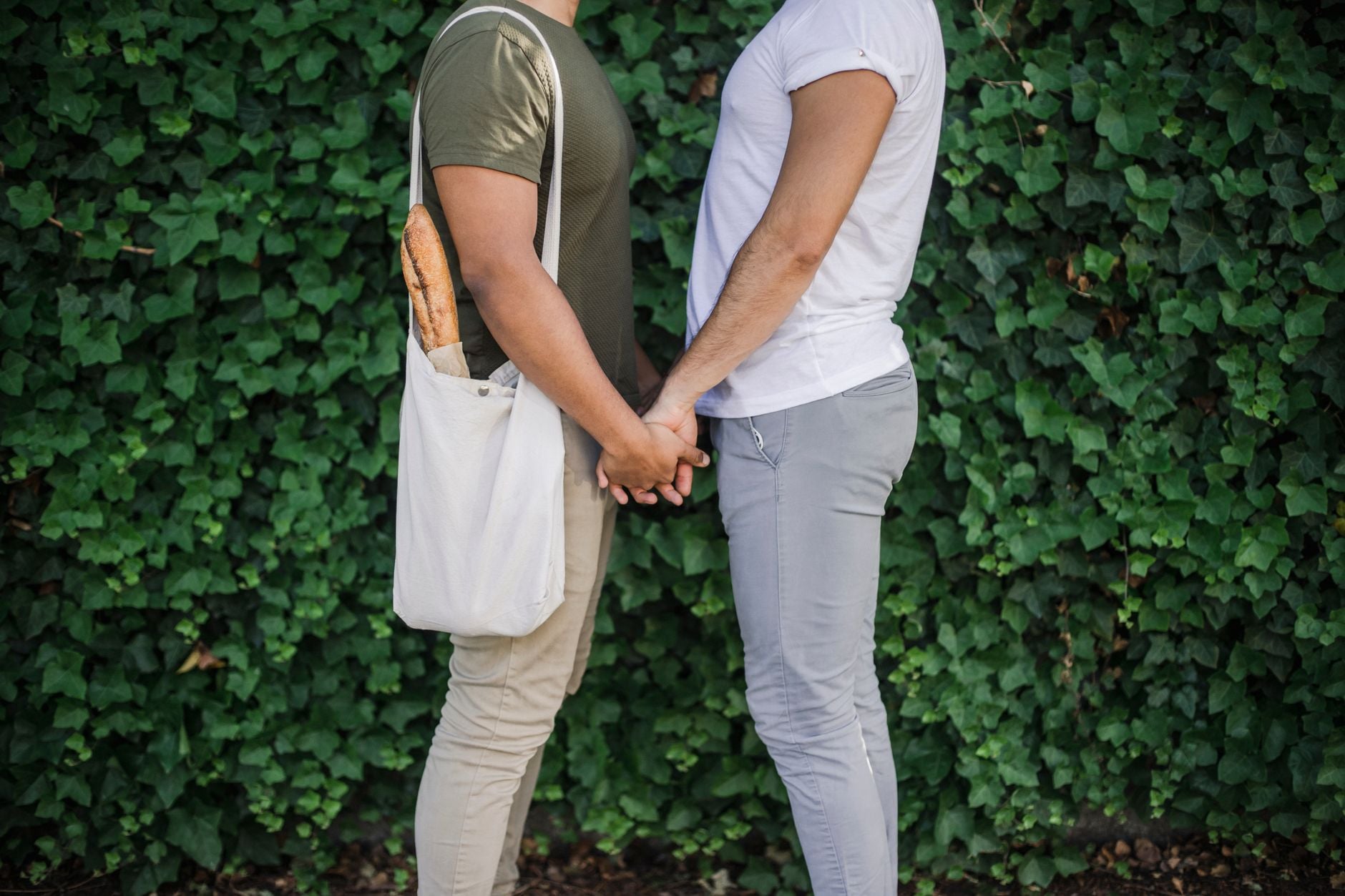
Same-sex marriage (Ehe für alle) legalised 1 October 2017. Civil partnerships (Lebenspartnerschaft) had been available since 2001. Joint adoption rights for same-sex couples since 2017. Strong federal anti-discrimination protections (AGG, General Equal Treatment Act 2006) covering employment, goods and services. Conversion therapy banned for minors 2020; full ban for adults proposed but not yet enacted as of 2026. Trans legal gender change requires psychological assessment and court order…
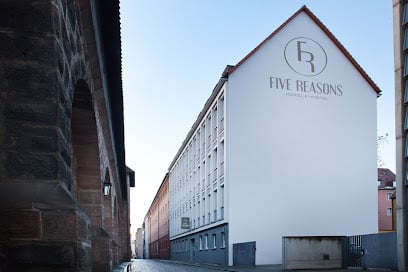
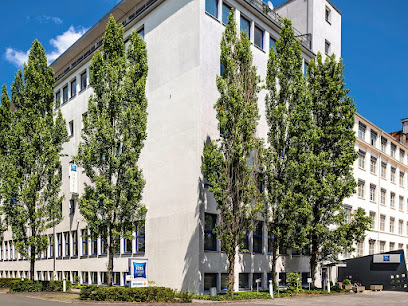
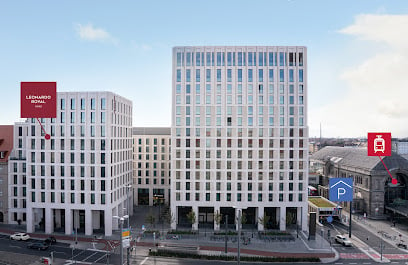
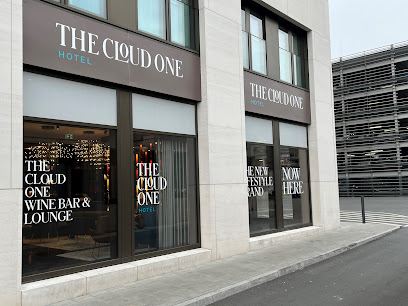
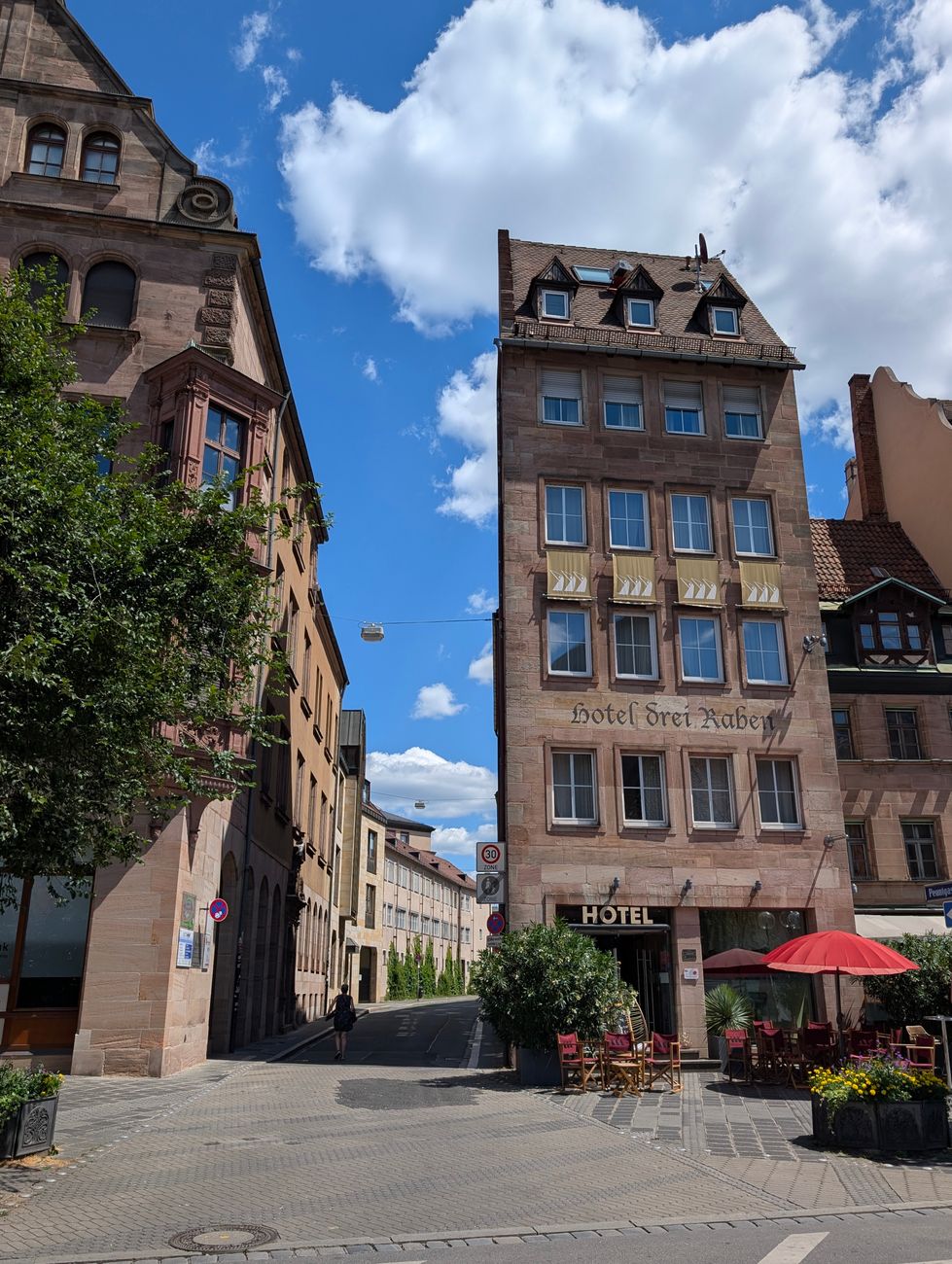
Gay-friendly four-star hotel on the Königstraße — Nuremberg's main pedestrian axis — adjacent to the Altstadt and minutes from the gay bars. Practical CSD accommodation with an ideal central location.
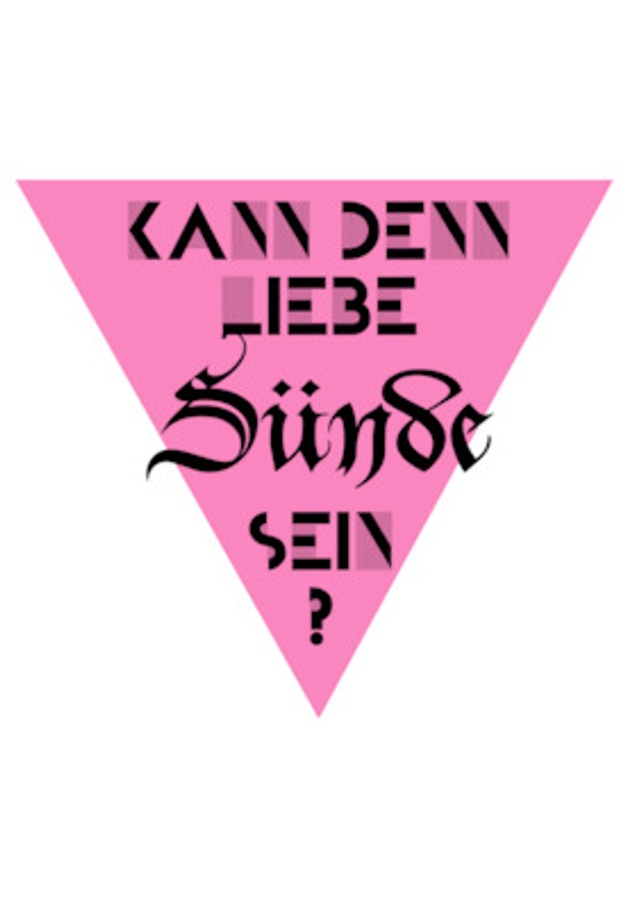
Nuremberg (Nürnberg) boasts a rich history, and its LGBTQ+ narrative reflects the resilience of queer Germans. While the Nazi era profoundly impacted the city, including the destruction of its pre-war gay scene, Nuremberg has since prioritized inclusivity. Today, it offers a welcoming atmosphere with a strong sense of community, accessible nightlife, and cultural experiences.
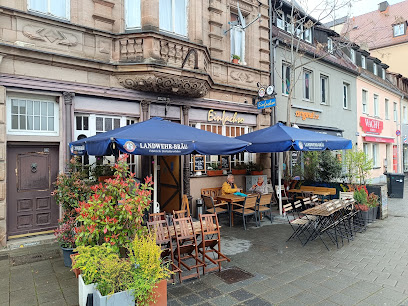
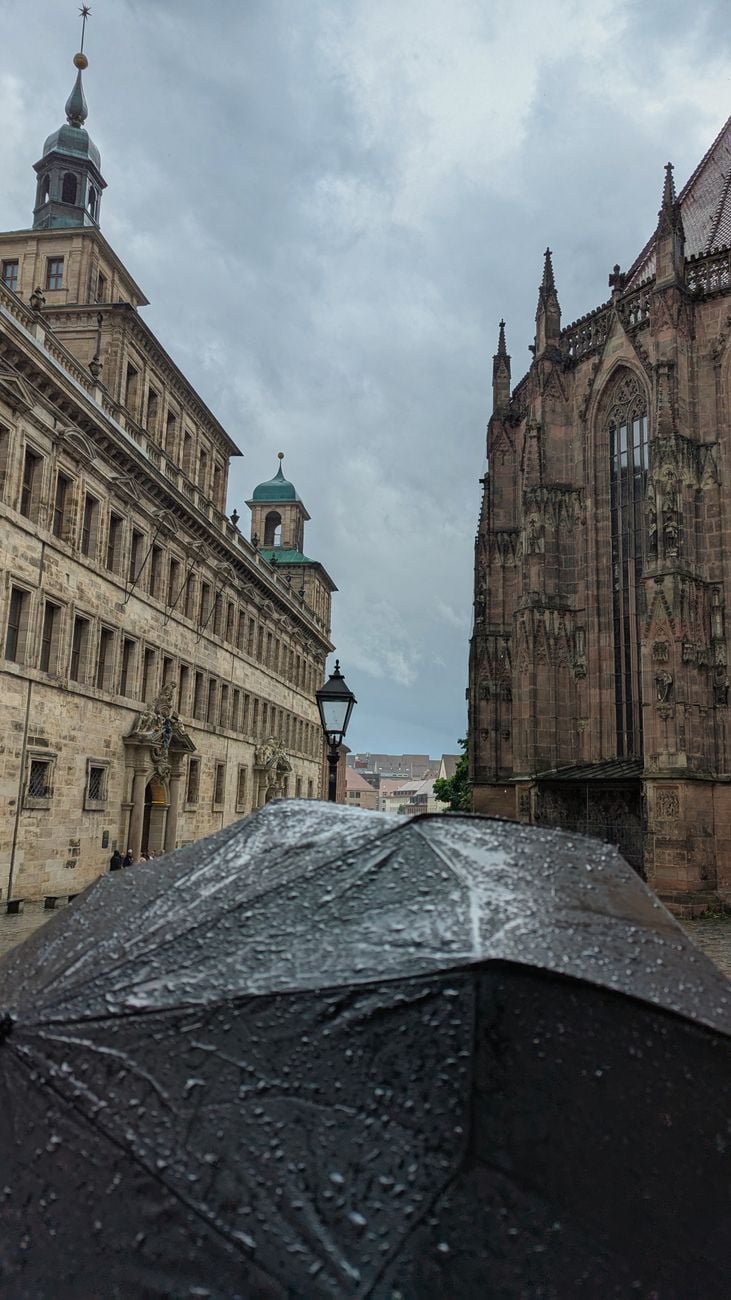
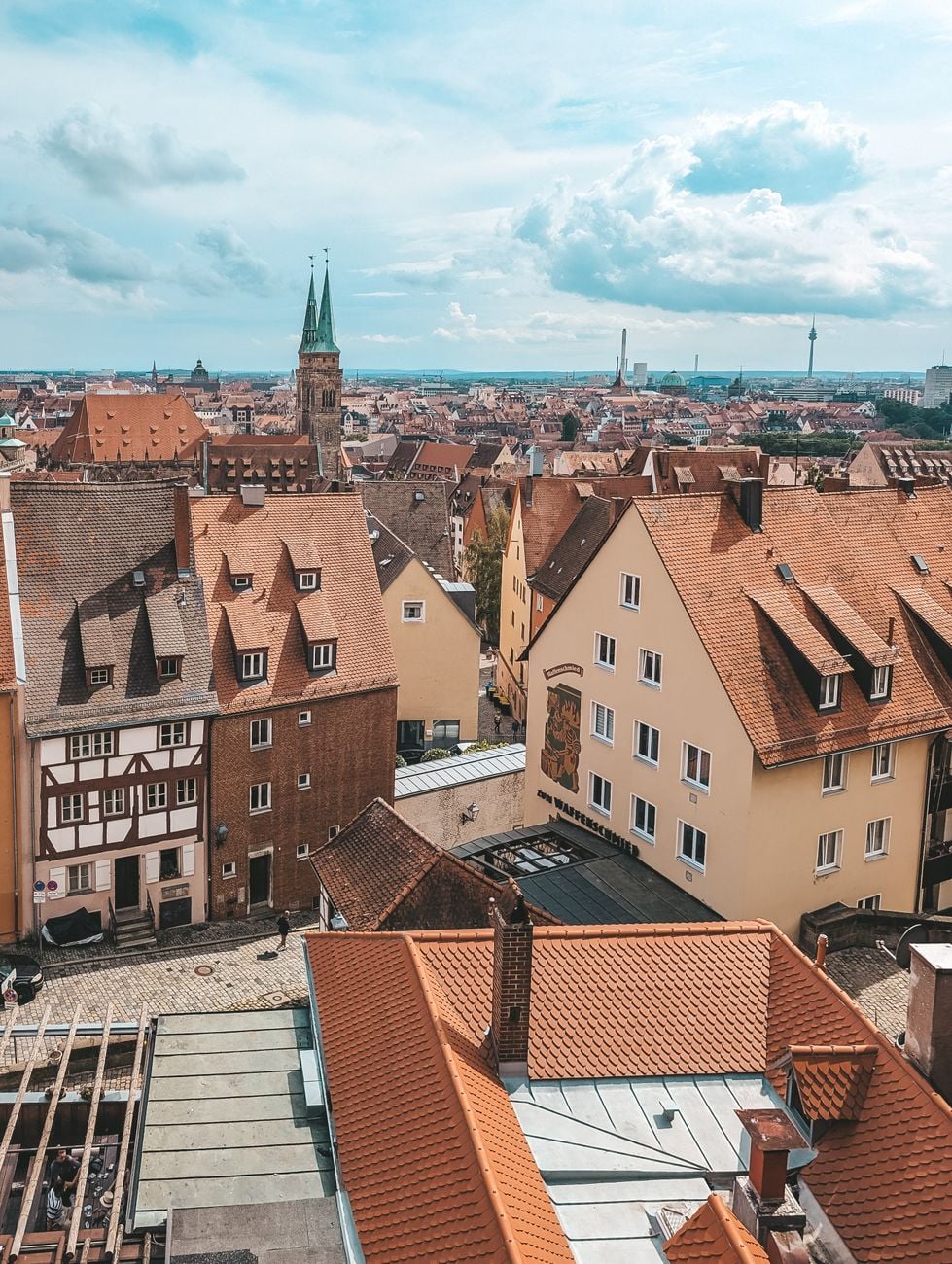
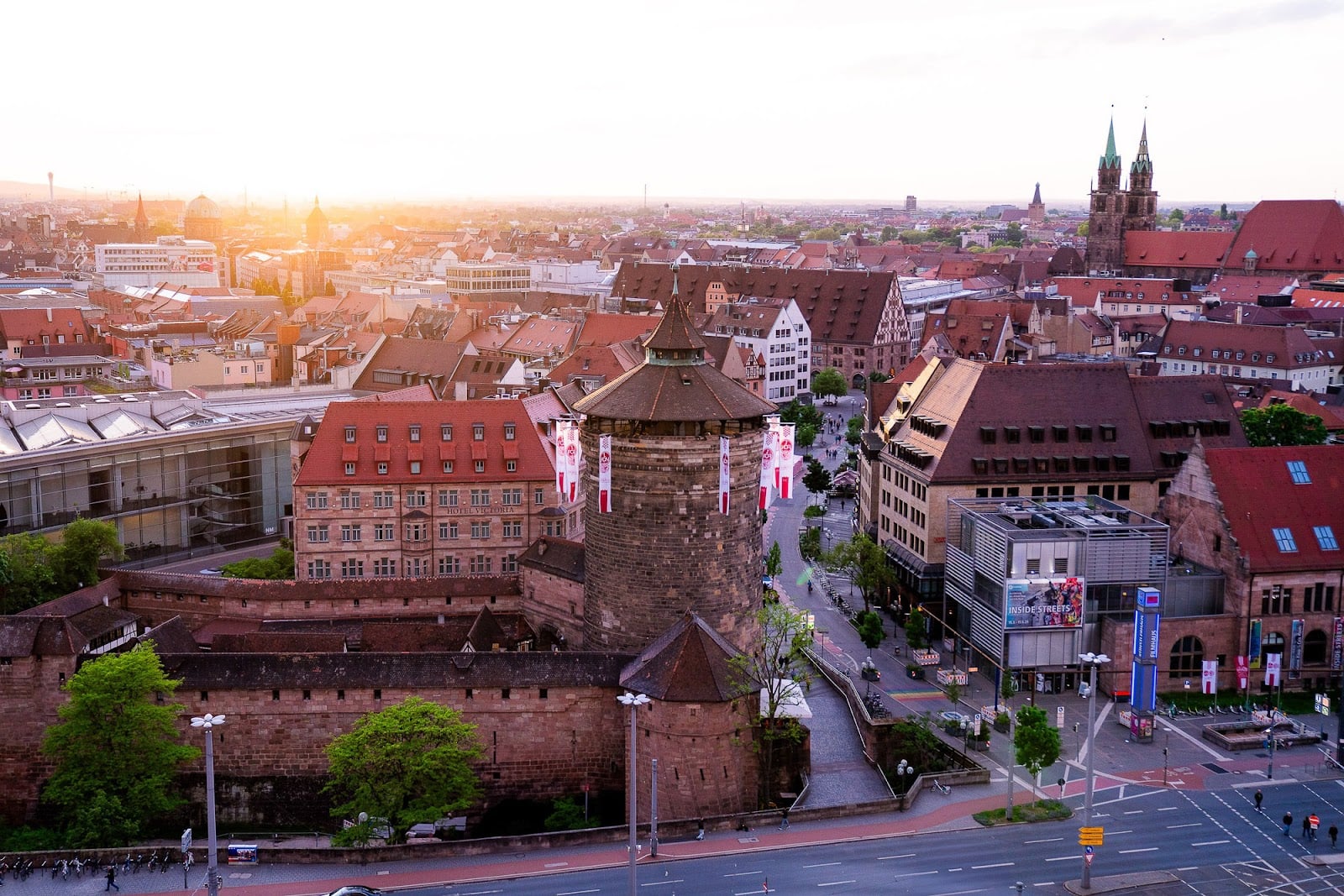
The visible gay scene is concentrated in the Altstadt, the beautifully restored medieval Old Town. This pedestrian-friendly area, enclosed by historic city walls, is home to most gay bars and is a hub for exploring Gothic architecture, world-famous Christmas markets, and beer gardens. Key streets like Königstraße, Breite Gasse, and their surrounding lanes host a majority of LGBTQ+-friendly establishments.
Several dedicated gay bars operate within the Altstadt. For the most current information on venues, it is advisable to consult local LGBTQ+ listings or apps before your visit, as the scene is smaller than in major cities and establishments can change. Saunas catering to men are also available in the city center, accessible via the U-Bahn.
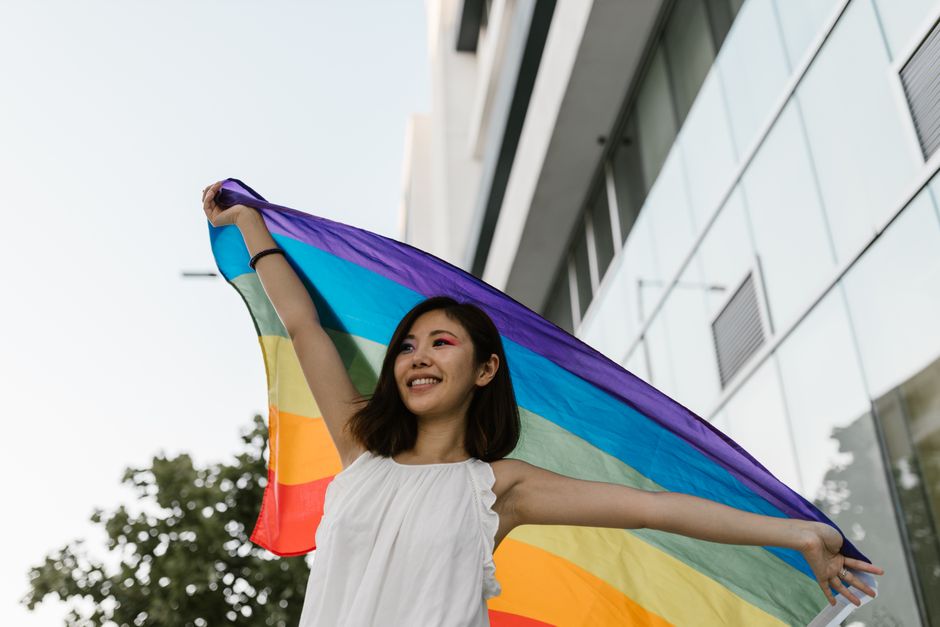
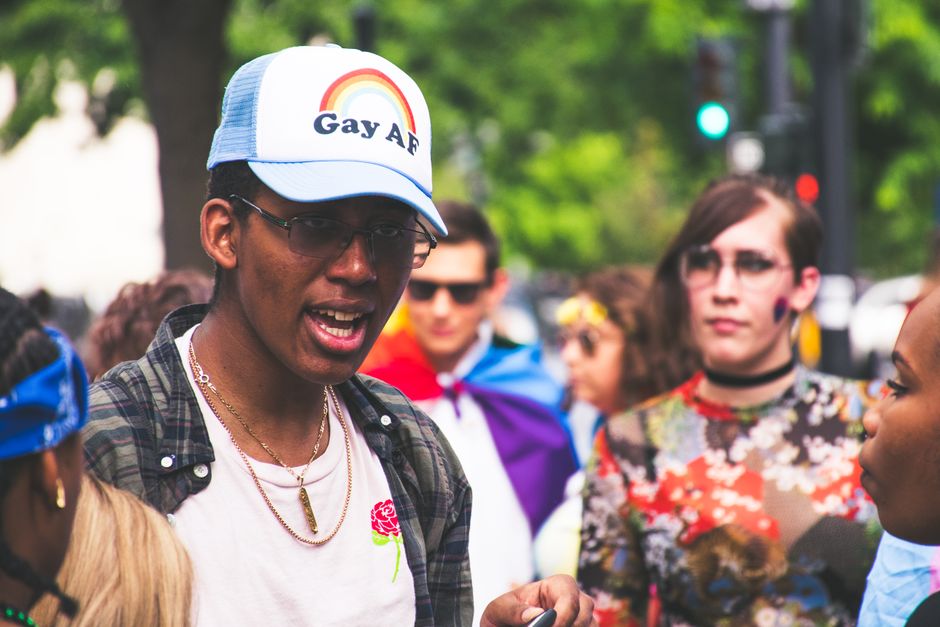
Nuremberg's Pride event, Nürnberger CSD, takes place in early August as part of Germany's Christopher Street Day celebrations. This event draws a significant number of participants and has grown in recent years. Centered in the Altstadt, it includes a street festival, live performances, and evening parties. It offers a more intimate experience compared to larger city Pride events, with a notable local community presence.
Beyond Pride, Nuremberg hosts various events, including the Bardentreffen open-air music festival and the nearby Bergkirchweih beer festival in Erlangen. The city's renowned Christmas markets, operating from November to December, are also a popular draw.
Where to Stay
Accommodation options range from budget hostels to luxury hotels. The Altstadt and adjacent neighborhoods like Gostenhof and St. Lorenz provide convenient access to gay venues and nightlife. Mid-range hotels are common in these districts, while luxury chains are typically found near the Hauptbahnhof (main train station). Airbnb and platforms like misterb&b also offer lodging in Nuremberg.
Nuremberg's public transport system, including the U-Bahn and S-Bahn, efficiently connects all neighborhoods. Day passes offer unlimited travel. The Hauptbahnhof is located just outside the Altstadt, a short walk from the city's gay scene. Nuremberg is also well-connected by rail to other major German cities.
Franconian cuisine is central to Nuremberg's food culture, with local specialties including Drei Nürnberger Rostbratwürste (small grilled sausages), Lebkuchen (gingerbread), and beer. Gay-friendly restaurants and cafes are found throughout the Altstadt, offering a range of dining experiences. Vegetarian and vegan options are widely available.
Nuremberg is a safe destination for LGBTQ+ travelers. Germany has strong legal protections for same-sex partnerships, and discrimination is illegal. Social acceptance is high in urban areas, and Nuremberg is considered a safe and welcoming city. Public displays of affection are generally accepted.
Day trips from Nuremberg offer further exploration. Erlangen, a university town 25 km north, has a small gay scene. The Romantic Road, with towns like Rothenburg ob der Tauber (approx. 50 km away), is accessible by bus or car. The Bavarian Alps are about two hours south by train, offering outdoor activities and charming towns. Bamberg, a UNESCO World Heritage site 60 km north, is another beautiful and welcoming town.
The Franconia region possesses a distinct cultural identity, differing from typical Bavarian stereotypes in its food, dialect, and traditions. This regional character lends Nuremberg a unique atmosphere.
For history enthusiasts, the Nazi Documentation Centre offers insights into the city's role during the Third Reich and promotes contemporary democracy and human rights education. This center is also relevant to LGBTQ+ history due to the persecution of queer individuals during the Nazi era.
English is widely spoken in Nuremberg, particularly in tourist areas and among younger generations. Pharmacies and healthcare services are excellent. The cost of living is generally lower than in Munich or Berlin. While most establishments accept cards, some traditional venues may prefer cash.
Nuremberg's LGBTQ+ community, while smaller than in larger cities, is active and welcoming. Organizations like Fliederlich e.V., the city's long-established queer centre (founded 1978), contribute to community events and connections. The scene tends to focus on social gatherings and cultural activities rather than large-scale commercial events.
Nuremberg provides a balanced travel experience, combining authentic German culture with accessible LGBTQ+ social life, outdoor opportunities, and reasonable prices.
Frequently asked questions
Nuremberg has a relatively progressive contemporary culture due to its commitment to confronting its history. While the scene is smaller than in larger cities, it is genuine, established, and welcoming.
Nuremberg's gay venues are concentrated in the Altstadt, the walled Old Town on the St. Lorenz side (postcode 90402), where bars such as DATE 6, Bar59 and Pigalle sit within a short walk of one another. A couple of further venues, including the long-standing Savoy Bar and the Einfachso Pilsbar, lie just south and east of the centre. Nuremberg does not have a single dedicated 'gay village' - the scene is small and centred on the Old Town.
Nuremberg's gay venue scene is modest compared to larger German cities. Key establishments include gay bars and cafés concentrated in the city center, though specific venue names can change. Many mainstream bars and clubs are also welcoming.
Nuremberg's Pride, the Christopher Street Day (CSD Nuernberg), is held in early August. In 2026 the parade took place on Saturday 8 August, starting at Prinzregentenufer with a street festival at Kornmarkt. It is organised by CSD Nuernberg Pride (csd-nuernberg.de) and, while smaller than Berlin's or Cologne's, draws around 20,000 people.
Nuremberg has a handful of explicitly gay bars rather than a large scene. Dedicated venues include the Savoy Bar, Bar59, Pigalle and the Einfachso Pilsbar, most of them in or around the Altstadt (St. Lorenz), and Achilleus Men's Spa is the city's gay sauna. Beyond these, many mainstream bars and cafes in the centre are welcoming to LGBTQ+ visitors.
The guide does not specifically mention LGBTQ+ friendly hotels. However, given the city's progressive culture and welcoming environment, many mainstream hotels are likely to be accommodating.
Your privacy choices.
We use cookies to run GayOut and, with your consent, measure usage. Learn more
Your privacy choices
We use cookies to keep GayOut running, remember your preferences, and (with your permission) measure how the site is used. You can accept all, reject all, or pick what you allow. Learn more
Essential
Required for sign-in, fraud prevention, CSRF protection and remembering your language. Cannot be disabled.
Always on
Remembers your favourites, dark mode and other interface preferences across visits.
Helps us understand which pages people visit (Google Analytics, server-side stats) so we can improve.
Used by campaign tracking pixels. None are active right now, reserved for future use.
Install GayOut
Add GayOut to your home screen for faster access, offline favourites, and Pride alerts.


 Gay Bars & Clubs
(179)
Gay Bars & Clubs
(179)