





























In this guide · 17 sections
- Why Rio de Janeiro
- Ipanema — the gay beach
- Farme de Amoedo
- How gay-friendly is Rio really?
- Carnival
- Safety — essential reading
- Bars
- Saunas
- Hotels
- Events
- Practical notes
- FAQ
- Where is the gay beach in Rio de Janeiro?
- Is Rio de Janeiro safe for gay travelers?
- When is the best time to visit Rio for gay travelers?
- What is Farme de Amoedo in Rio?
- What is Banda de Ipanema at Carnival?
Why Rio de Janeiro
Rio de Janeiro: the beach, the mountains, Carnival, the body culture. For LGBTQ+ travelers, much of this imagery holds up. But the reality is more layered than the postcard suggests. Rio is genuinely one of the world's great gay destinations, particularly during Carnival and beach season. It's also a city with serious crime and inequality. Dealing with that gap is part of traveling here.
Brazil's Supreme Court has extended protections to LGBTQ+ Brazilians through rulings on marriage equality, hate crimes, and civil rights. The culture in Rio is more open than most of Brazil — beach and carnival culture mean bodies and sexuality are less hidden. But that openness has limits; it doesn't extend uniformly across the city.
Ipanema — the gay beach
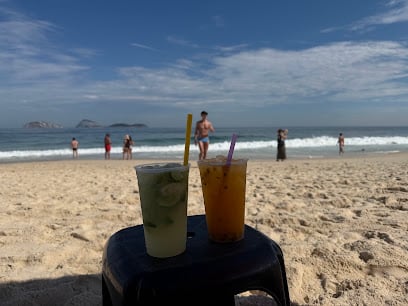
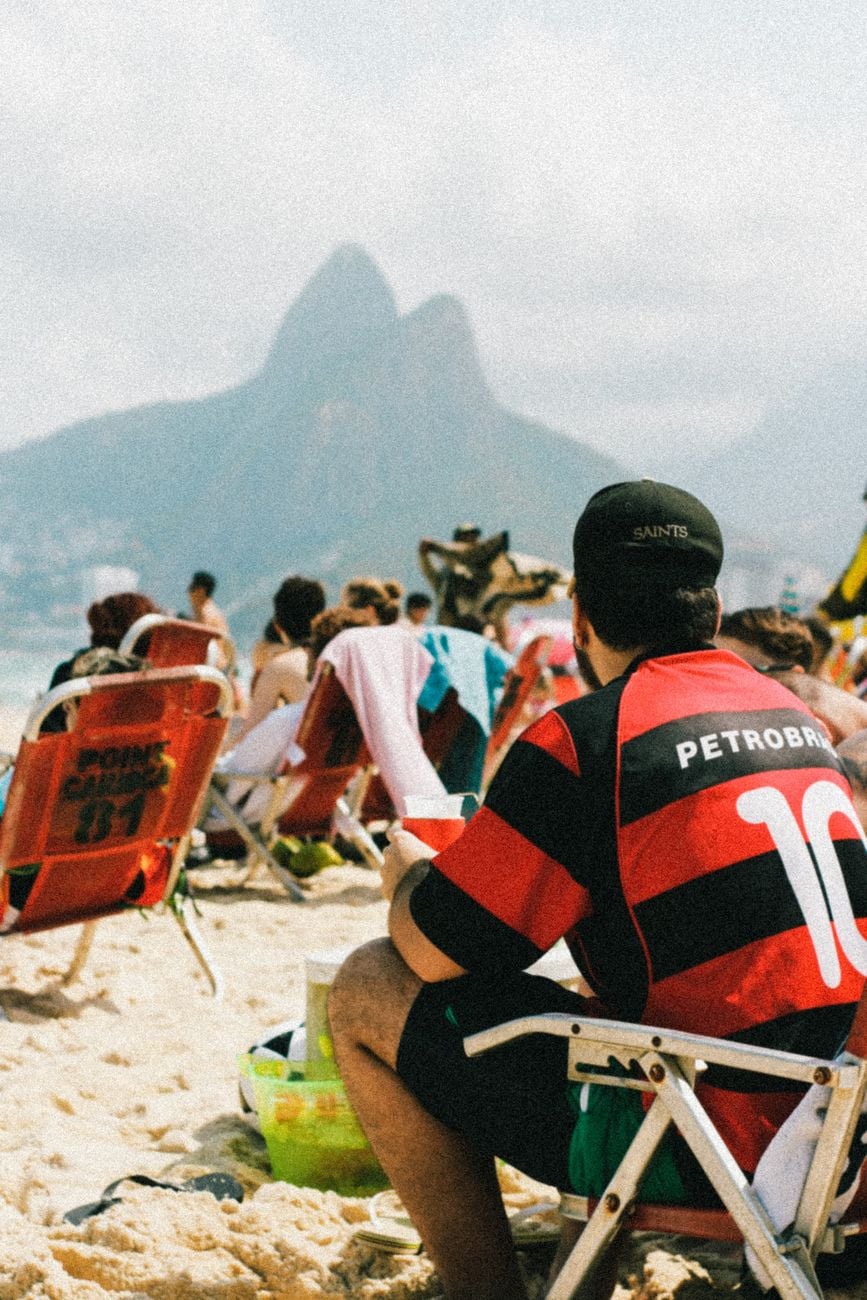
Posto 8 and Posto 9 on Ipanema beach are the city's established gay gathering spots. These sections of the main beach are marked by numbered lifeguard posts. Posto 8 is the more traditionally gay area; Posto 9, near the Farme de Amoedo end, is more mixed and currently more active.
The beach dynamic here is real. Local cariocas (Rio residents) and tourists use these sections. On summer weekends it's crowded, and the atmosphere is openly celebratory in a way that's hard to find elsewhere. Sun exposure is intense; use high-factor sunscreen, drink water, and don't underestimate midday heat.

Farme de Amoedo
Rua Farme de Amoedo runs from Posto 9 into Ipanema. It's the center of Rio's gay bar and nightlife. The street itself has a concentration of gay bars, restaurants, and venues, making it the closest thing Rio has to a gay strip. It's not large by the standards of gay zones in other cities, but it's walkable, sociable, and its proximity to the beach gives it a daytime dimension most gay areas lack.
The area around Farme de Amoedo extends into the surrounding Ipanema and Leblon streets. You'll find gay-friendly venues alongside the general restaurant and bar scene of the Zona Sul.
How gay-friendly is Rio really?
Rio has a reputation for openness that's largely warranted in the Zona Sul — Ipanema, Leblon, Copacabana, Botafogo. These are the wealthier, more cosmopolitan neighborhoods. Same-sex couples attract minimal attention, the beach is shared freely, and the overall culture is liberal.
The rest of the city is a different story. The Zona Norte, the suburbs, the favela communities — they're not uniformly hostile, but the same assumptions don't apply. Discretion is more appropriate in unfamiliar areas. Rio's geography concentrates tourist activity in the Zona Sul, so most visitors spend their time in the gay-friendly parts anyway.

Carnival
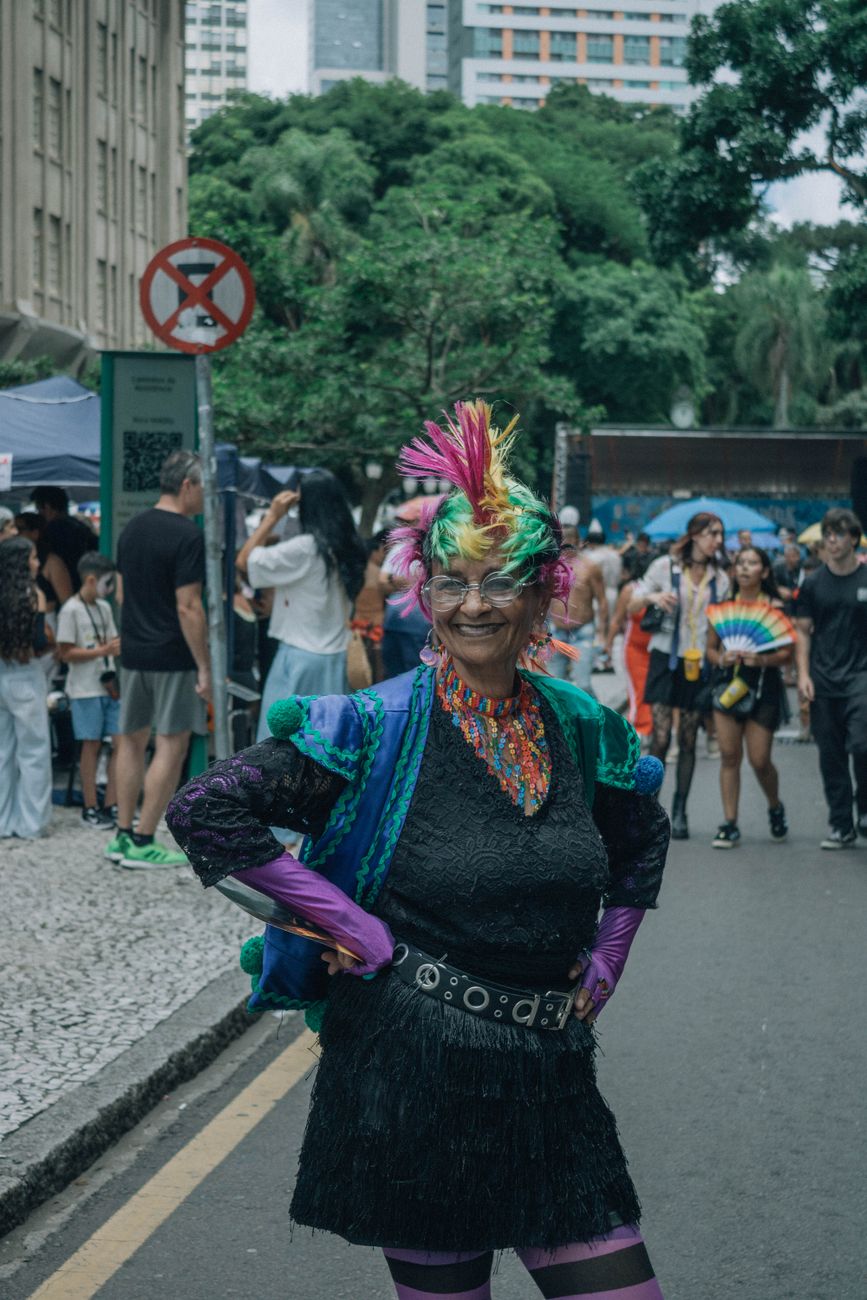
Rio Carnival, in February or early March, is the single most significant event on the city's LGBTQ+ calendar. Blocos (street parties), samba school parades at the Sambódromo, and Carnival's general license create an environment unlike anything else. Many gay travelers plan their entire Rio trip around Carnival week.
Carnival requires planning. Hotels book out months in advance and prices soar. Crowds are enormous, and the city operates in productive chaos. Pace yourself — Carnival runs for days; burning out on day one is a common mistake. The blocos are free and often the most authentically joyful part of the experience.
Banda de Ipanema is one of the most famous gay-identified blocos. It dates back to the 1960s and still draws huge crowds to Ipanema's streets during Carnival.
Safety — essential reading
Rio has real, serious crime, and tourists are a target. Muggings near the beach — including on Ipanema and Copacabana — aren't rare. Phone snatching on the beachfront is common. Don't bring anything to the beach you can't afford to lose: leave the expensive phone at the hotel, don't wear jewelry, carry only the cash you need for the day.
The areas around gay venues in the evening are generally safer than the broader street. But walking alone in unfamiliar areas at night isn't recommended. Use Uber for transport after dark. The app-based system is generally reliable and removes the risk of unlicensed taxis, which you should avoid entirely.
Violent crime against LGBTQ+ individuals does happen in Brazil, though Rio's Zona Sul is one of the lower-risk areas. For tourists there, the main practical risks are opportunistic theft, not targeted hate crime.

Bars
- — Maximum reverberation! The high surf music to the nth degree. Formed in early 2009, in Rio de Janeiro, the Beach Comber s are not exactly a common type of trio. Bernar Gomma (guitar), Paul Wood (bass) and Luke Lion (drums) surf without fear instrumental wave, mixing the sound of magnetic guitars surf music to lysergic trip garage 60s All this without look or sound like a rereading band.
- — All Wednesdays Fosfobox receives beautiful people from all over the world in the most bombante party Copacabana, Beatz Location!
- — The Odeon will be premieres stage, festivals, exhibitions, cultural events, courses, workshops, exhibition of operas, ballets, concerts and, of course, a lot of movies!
- — Located in Praça dos Arcos da Lapa, in the city of Sao Sebastiao do Rio de Janeiro, is where the differences dance together under the royal palms!
- — O ÉDEN é a viagem para o paraíso de cada um. O encontro com o outro, com si mesmo, com experiências inesquecíveis.
- — Since 2004 moving the underground culture of RJ complete Infos about the holidays at: http://www.fosfobox.com.br/ Promos: - FosfoLista Join the club at the site and make sure your name in the discount list of all parties . ( Http://www.fosfobox.com.br/ ) - Birthday boy is VIP entering with 5 paying (those paying the lowest value party all night)
- — That's where I live!
- — The Maracanã Stadium, officially Estádio Jornalista Mário Filho, is a football stadium in Rio de Janeiro, Brazil.
- — This environment should not be used for advertisements that are not linked to the Mount Lebanon Club.
- — One of the newest museums in the city, M.A.R. is definitely an option in Rio. The architectural solution to join the two buildings created a real masterpiece. Arts school and museum, nice café and shop on the ground floor
- 021 Hostel — 021 Hostel is a gay-friendly hotel in Rio de Janeiro, Brazil — welcoming to LGBTQ+ travelers with good access to the local scene.
- Altos de Santa Teresa Guest House — Overlooking Guanabara Bay, this hilltop hotel is 11 km from Sugarloaf Mountain and 12 km from the iconic Christ the Redeemer statue.
The sophisticated rooms come with complimentary Wi-Fi, flat-screen TVs, desks and minibars, plus balconies. Suites add balconies with city and mountain views, while 1 suite features floor-to-ceiling windows and an en suite bathroom with a whirlpool tub. Children age 5 and under stay free.
Freebies include parking and a Brazilian breakfast buffet. Other ameni
- Atlantis Copacabana Hotel — A 5-minute walk from the iconic Copacabana Beach, this modest hotel in Rio de Janeiro's Zona Sul is also an 8-minute walk from Forte de Copacabana fortress and a 9-minute walk from General Osório metro station.
Simple, traditional rooms come with free Wi-Fi and cable TV, in addition to desks and minifridges. Upgraded rooms add ocean views. Room service is available.
Along with a complimentary breakfast buffet and a casual restaurant, there's a sea-view rooftop terrace with a hot tub, a poo
- Beach Backpackers Hostel — A 7-minute walk from the nearest metro station, this contemporary, relaxed hostel is a 15-minute walk from Botafogo beach and 12 km from the Christ the Redeemer statue. Featuring bunk beds and free Wi-Fi, the bright dorms sleep up to 15 people; linens and towels are provided. Private rooms are also available. Some units have air-conditioning and/or en suite bathrooms. A breakfast buffet is complimentary. Other amenities include a modern TV lounge, a DVD player and video games, as well as a share
- Belmond Copacabana Palace — Dating from 1923, this art deco style hotel overlooking Copacabana Beach is 10 km from Santos Dumont airport and 13 km from Christ the Redeemer statue.
Featuring period furniture and original artwork, the cozy, refined rooms and suites include flat-screen TVs, free Wi-Fi and minibars. Suites add sitting rooms; some offer private pool access and a wet bar, plus butler service. Room service is available.
Breakfast and parking are included. There’s a restaurant serving pan-Asian fare, as wel
- Best Western Sol Ipanema Hotel — Opposite Ipanema Beach, this breezy oceanside hotel is a 9-minute walk from a metro stop and 4.5 km from Jardim Botânico do Rio de Janeiro.
The warm airy rooms feature free Wi-Fi, flat-screen TVs, minibars and desks. Room service is on offer 24/7.
A complimentary breakfast buffet is served in an upscale, cool restaurant offering international cuisine and ocean views. There's a relaxed bar in the lobby. Other amenities include a beauty salon, a 24/7 fitness room, sunloungers on a terrace,
- Rio de Janeiro Pride — Date TBA
- Getting there: Galeão International Airport (GIG) handles most international flights. It's about 45–60 minutes from Ipanema by car, depending on traffic. Santos Dumont airport is closer to the center and handles domestic routes. Use Uber from both.
- Getting around: The Metro is useful for getting between the Zona Sul and the center. Uber is the safest option for most journeys, particularly at night.
- Beach safety: Don't bring valuables to the beach. Phone, jewelry, large amounts of cash — leave them at the hotel.
- Portuguese: Carioca Portuguese has a distinct accent and rhythm. Basic phrases help; English is uncommon outside tourist venues.
For the full breakdown, see the Rio gay bars guide.
Saunas
See the Rio gay saunas guide for full details.

Hotels
Events
Carnival (February or early March) is the pinnacle event. Rio Gay Pride happens in late October or November on Copacabana beach. Check current listings as dates vary.

Practical notes
FAQ
Where is the gay beach in Rio de Janeiro?
Posto 8 and Posto 9 on Ipanema beach are the established gay gathering areas, marked by the numbered lifeguard posts. The stretch near the Farme de Amoedo end of Posto 9 is particularly active. Local cariocas and tourists use these sections year-round.
Is Rio de Janeiro safe for gay travelers?
The Zona Sul — Ipanema, Leblon, Copacabana — is relatively safe and broadly accepting. The main risks are opportunistic theft: don't bring valuables to the beach, avoid displaying expensive phones, use Uber at night rather than hailing taxis. Other parts of the city require more caution.

When is the best time to visit Rio for gay travelers?
Carnival (February or early March) is the highlight of the year and draws huge LGBTQ+ crowds. The summer beach season (December to March) is the most social period. Rio Gay Pride on Copacabana happens in late October or November. Book hotels far in advance for Carnival.
What is Farme de Amoedo in Rio?
Rua Farme de Amoedo is the street running from Ipanema beach (Posto 9) into the neighborhood. It's the center of Rio's gay bar and nightlife, with a concentration of gay bars, restaurants, and venues within walking distance of each other.

What is Banda de Ipanema at Carnival?
Banda de Ipanema is one of Rio's most famous and historic gay-identified blocos (street Carnival parties), dating to the 1960s. It parades through Ipanema during Carnival and draws large, open, mixed crowds. Attendance is free.
