Puno occupies a unique place in Peru's geography and culture. Sitting on the border between Peru and Bolivia at nearly 4,000 meters elevation, this lakeside city is the gateway to Lake Titicaca and serves as a cultural center for Aymara and Quechua peoples. For LGBTQ+ travelers, Puno represents an opportunity to experience authentic Andean traditions while navigating a smaller, more reserved queer scene than found in Lima or even Cusco.
HISTORY OF THE LGBTQ+ SCENE
Puno's LGBTQ+ history is deeply intertwined with Peru's broader social development. Like much of Peru's interior, Puno has historically maintained conservative Catholic traditions alongside pre-Columbian indigenous beliefs. The visible LGBTQ+ scene in Puno is relatively recent, emerging primarily in the last two decades as younger people have moved to the city and globalization has increased. Unlike Lima, where a vibrant gay scene developed from the 1980s onward, Puno's queer community has remained smaller and more integrated into general social spaces rather than concentrated in specific neighborhoods or districts.
The city has hosted occasional LGBTQ+ events and gatherings, though these are modest in scale compared to Lima's Pride celebrations. Puno's LGBTQ+ visibility is growing slowly, driven largely by younger professionals, students, and tourism industry workers. The community tends to be somewhat dispersed rather than concentrated, with social connections often happening through personal networks, online platforms, and a few key venues.
NEIGHBORHOODS AND ORIENTATION
Puno is a compact city centered around the Plaza de Armas, the main square where the Cathedral dominates the skyline. The historic center radiates outward from here, with most tourist and commercial activity concentrated within walking distance.
The historic center (Centro Histórico) runs roughly from the Plaza de Armas south and east, encompassing narrow colonial streets and the main commercial thoroughfares. Avenida El Sol is the primary commercial artery running north-south and contains shops, restaurants, and some bars. This area is generally walkable and safe during daytime hours.
The waterfront district along Lake Titicaca, while less developed for tourism than some Peruvian lakeside towns, offers scenic walks and restaurant options. Most tourist services, including boat tours to the Uros Islands and Taquile Island, depart from the harbor area.
While there is no exclusively gay neighborhood in Puno, LGBTQ+ social activity clusters around central areas where tourists and younger locals congregate. The area around the Plaza de Armas and along Avenida El Sol offers the most reliable options for dining, drinks, and meeting other travelers.
KEY VENUES AND NIGHTLIFE
Puno's nightlife scene is modest compared to Peru's larger cities. Bars and clubs tend to close relatively early (often by midnight or 1 AM), and many establishments cater to a mixed crowd rather than specifically LGBTQ+ clientele.
The city has a few restaurants and bars in the center that are known to be welcoming to LGBTQ+ guests, though specific recommendations change frequently due to Puno's smaller economy. Travelers should check current reviews and ask locally upon arrival, as venue information can become outdated quickly. Online communities and travel forums often have current information on which establishments are currently welcoming.
Disco and dance venues exist but typically serve a general mixed audience. Tourist-oriented restaurants and bars in the center tend to be the most welcoming and reliable options for LGBTQ+ visitors seeking social spaces.
Unlike Lima or larger Peruvian cities, Puno does not have established gay-specific saunas, bathhouses, or dedicated LGBTQ+ venues. Travelers seeking more extensive gay nightlife or social opportunities should consider that Puno is better suited as a cultural stopover than a gay destination per se.
PRIDE AND EVENTS
Puno does not host a large-scale Pride celebration comparable to Lima's or other major cities. However, LGBTQ+ visibility has been growing, with occasional community gatherings and events organized by local LGBTQ+ advocacy groups.
The city celebrates Peru's National Pride Month activities in June, though Puno's events are typically smaller and lower-key than those in coastal cities. Local community organizations may organize gatherings, but travelers should not expect the scale of Pride events seen in Lima or international destinations.
Puno's major events are culturally rooted rather than LGBTQ+-focused. The Feast of the Virgin of Candelaria (Fiesta de la Candelaria), celebrated in February, is the city's largest festival, featuring indigenous music, dance, and regional traditions. While not specifically LGBTQ+-focused, this festival attracts visitors from throughout the region and offers opportunities to experience Andean culture in its most vibrant form.
WHERE TO STAY
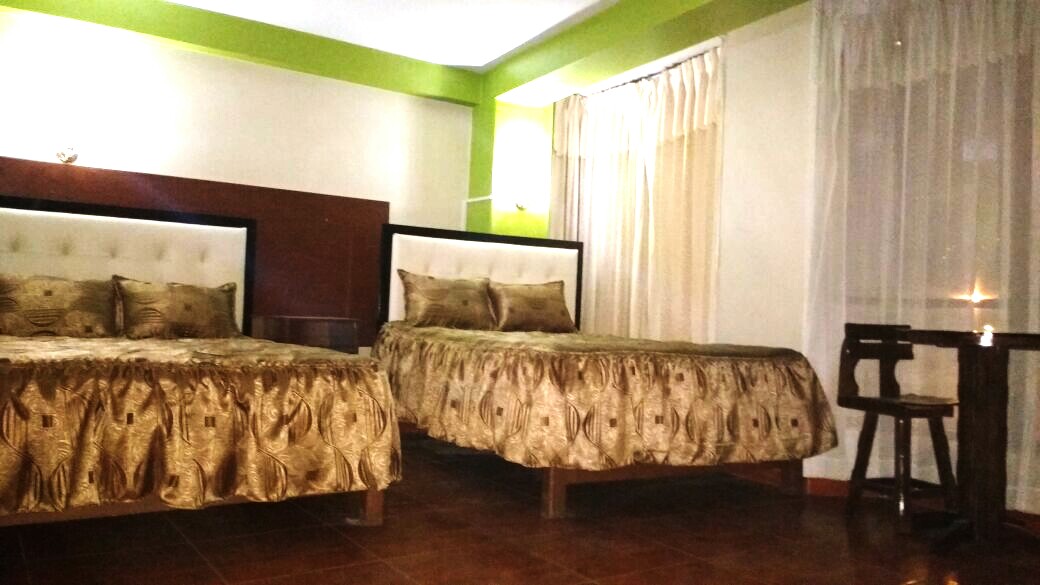
Puno offers a range of accommodations from budget hostels to mid-range hotels, with very few luxury options. Most lodging is concentrated in or near the historic center.
Hostels are abundant and popular with backpackers. Many are LGBTQ+-friendly and offer social environments conducive to meeting other travelers. Popular backpacker areas around the city center provide good value and social opportunities.
Mid-range hotels offer private rooms and are generally welcoming. Hotels in the center near the Plaza de Armas or along Avenida El Sol provide convenient access to restaurants, shops, and tourist services.
Lakeside accommodations offer scenic views but may be less convenient for accessing central services and nightlife. Travelers should book accommodations with heating, as Puno's high altitude and thin air mean cold nights year-round, even during warmer months.
Puno is generally safe for tourists, including LGBTQ+ travelers, particularly in central areas and during daylight hours. The city has a significant tourist infrastructure, and police presence is visible in tourist zones.
As with travel anywhere in Peru's highlands, visitors should exercise standard travel precautions: avoid displaying expensive items, be cautious at night, use registered taxis or hotel transportation, and be aware of surroundings. Altitude sickness is a more common concern than crime for most visitors.
Peru's legal environment for LGBTQ+ people is relatively progressive compared to other Latin American countries. Same-sex relationships are legal, discrimination is prohibited by law, and major cities have visible LGBTQ+ communities. However, conservative attitudes persist in smaller communities and rural areas, and public displays of affection between same-sex couples may attract attention in Puno.
Travelers should exercise discretion and good judgment, particularly in cultural and religious settings. Most tourist-focused establishments and hotels are accustomed to LGBTQ+ guests and welcoming.
ACCLIMATIZATION AND HEALTH
Puno's high altitude (3,840 meters / 12,600 feet) is the primary health concern for most visitors. Altitude sickness can affect anyone, regardless of fitness level. Symptoms include headaches, nausea, fatigue, and shortness of breath.
Arrive a day early if possible and spend the first day taking it easy. Stay hydrated, avoid alcohol initially, and consider coca tea, which many travelers find helpful. If symptoms persist or worsen, descend to a lower altitude or seek medical attention. Most travelers acclimatize within 24-48 hours.
The water is generally safe in hotels and restaurants serving tourists, though some travelers prefer bottled water. The altitude can cause dry skin and chapped lips; bring moisturizer and sunscreen.
TRANSIT AND GETTING AROUND
Puno is relatively compact and walkable for the central tourist area. However, visitors should be cautious walking alone at night. Registered taxis are available throughout the city and are inexpensive. Hotel staff can call taxis or arrange transportation.
Arrival by air: Jorge Chavez International Airport in Lima is the primary entry point. Most visitors fly to Lima, then take a domestic flight to Puno (approximately 2 hours) or a combination of flights and buses. Overland travel from Cusco to Puno takes 10-12 hours by bus but is scenic and popular with travelers.
Within Puno, most tourist services and attractions are accessible by walking or short taxi rides. Tours to Uros Islands, Taquile Island, and other attractions depart from the harbor and are easily arranged through hotels or tour operators.
FOOD
Puno's food scene reflects Andean traditions with an emphasis on potatoes, quinoa, corn, and lake fish. Lake Titicaca trout (trucha) is a local specialty and highly recommended.
Central restaurants and cafés cater to tourists and offer diverse menus including vegetarian options. Local markets (mercados) offer authentic produce, prepared foods, and snacks. Street food is widely available but travelers should exercise standard food safety precautions.
Cafés around the Plaza de Armas and along Avenida El Sol offer comfortable settings for meals and socializing. Many are welcoming to LGBTQ+ guests and popular with both tourists and locals.
DAY TRIPS AND ATTRACTIONS
Uros Islands: These floating islands, constructed entirely from totora reeds, are Puno's most famous attraction. Tours depart daily from the harbor and typically last 3-4 hours. Visitors learn about the Uros people's unique culture and traditional way of life.
Taquile Island: A larger island with traditional Quechua communities, known for weaving and textile production. Full-day tours include hiking, visits to weaving cooperatives, and meals. Ferries run regularly from Puno's harbor.
Sillustani Archaeological Site: Located about 30 kilometers from Puno, this pre-Incan burial site features impressive stone towers (chullpas). Half-day tours are available and offer insight into pre-Columbian Andean cultures.
Cusco: Located about 380 kilometers away, Cusco is Peru's most famous tourist destination and can be reached by bus (10-12 hours) or domestic flight (1 hour). Many LGBTQ+ travelers combine Puno with Cusco, which has a more developed gay scene.
CONCLUSION
Puno is best approached as a cultural and natural destination rather than a primary LGBTQ+ gay destination. Its value for LGBTQ+ travelers lies in access to authentic Andean culture, Lake Titicaca, and warm welcomes from a growing, if modest, queer community. Travelers seeking vibrant gay nightlife should prioritize Lima or Cusco, but those interested in cultural immersion, natural beauty, and a more laid-back travel experience will find Puno rewarding. The city's LGBTQ+ community, though smaller than in larger Peruvian cities, is welcoming and increasingly visible, making Puno a pleasant and safe destination for LGBTQ+ travelers willing to embrace a slower pace and deeper cultural engagement.
Frequently asked questions
Puno is a compact city where the historic center is generally walkable and safe during daytime hours. While there isn't an exclusively gay neighborhood, the LGBTQ+ community is growing and becoming more visible.
Puno's queer scene is smaller and more reserved than in Lima or Cusco. It's more integrated into general social spaces rather than concentrated in specific neighborhoods.
The guide does not mention any exclusively LGBTQ+ bars or clubs in Puno. Social connections often happen through personal networks, online platforms, and a few key venues.
The guide mentions that Puno has hosted occasional LGBTQ+ events and gatherings, but these are modest in scale compared to Lima's Pride celebrations. Specific dates for Pride are not provided.
There is no exclusively gay neighborhood in Puno. Staying in the historic center, which radiates from the Plaza de Armas, will place you within walking distance of most tourist and commercial activity.
Puno is centered around the Plaza de Armas. The historic center, with its colonial streets and commercial thoroughfares like Avenida El Sol, is easily walkable. The waterfront district along Lake Titicaca also offers scenic walks and restaurant options.
Your privacy choices.
We use cookies to run GayOut and, with your consent, measure usage. Learn more
Your privacy choices
We use cookies to keep GayOut running, remember your preferences, and (with your permission) measure how the site is used. You can accept all, reject all, or pick what you allow. Learn more
Essential
Required for sign-in, fraud prevention, CSRF protection and remembering your language. Cannot be disabled.
Always on
Remembers your favourites, dark mode and other interface preferences across visits.
Helps us understand which pages people visit (Google Analytics, server-side stats) so we can improve.
Used by campaign tracking pixels. None are active right now, reserved for future use.
Install GayOut
Add GayOut to your home screen for faster access, offline favourites, and Pride alerts.


 Gay-Friendly Hotel
(140)
Gay-Friendly Hotel
(140)



