The Netherlands has long been a beacon for LGBTQ+ rights, and The Hague reflects this legacy as the nation's political and legal capital. While Amsterdam takes the international spotlight, The Hague has quietly kept a welcoming, well-integrated scene for decades. Marriage equality (since 2001), strong anti-discrimination law and progressive gender-recognition rules make this a genuinely safe place to visit. COC Nederland — the world's oldest continuously operating LGBTQ+ organisation — has deep roots here, and its local chapter, COC Haaglanden, still runs a community café in the city.
Neighbourhoods and Where the Scene Is
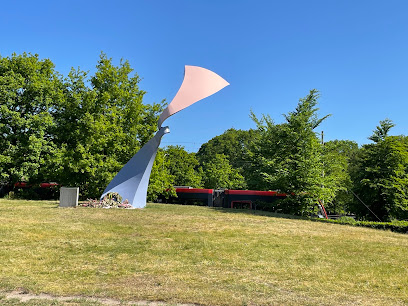
The Hague has no single "gayborhood", but its handful of gay cafés sit close together in the compact Centrum. The tiny street 't Achterom, just off the Grote Marktstraat, together with nearby Schoolstraat and the antique-lined Denneweg, forms the loose heart of the scene — you can walk between the main venues in a few minutes. Near Den Haag Centraal station, at the Koekamp, stands the International Homomonument (unveiled 1993), a place of remembrance where COC Haaglanden holds its annual commemoration.
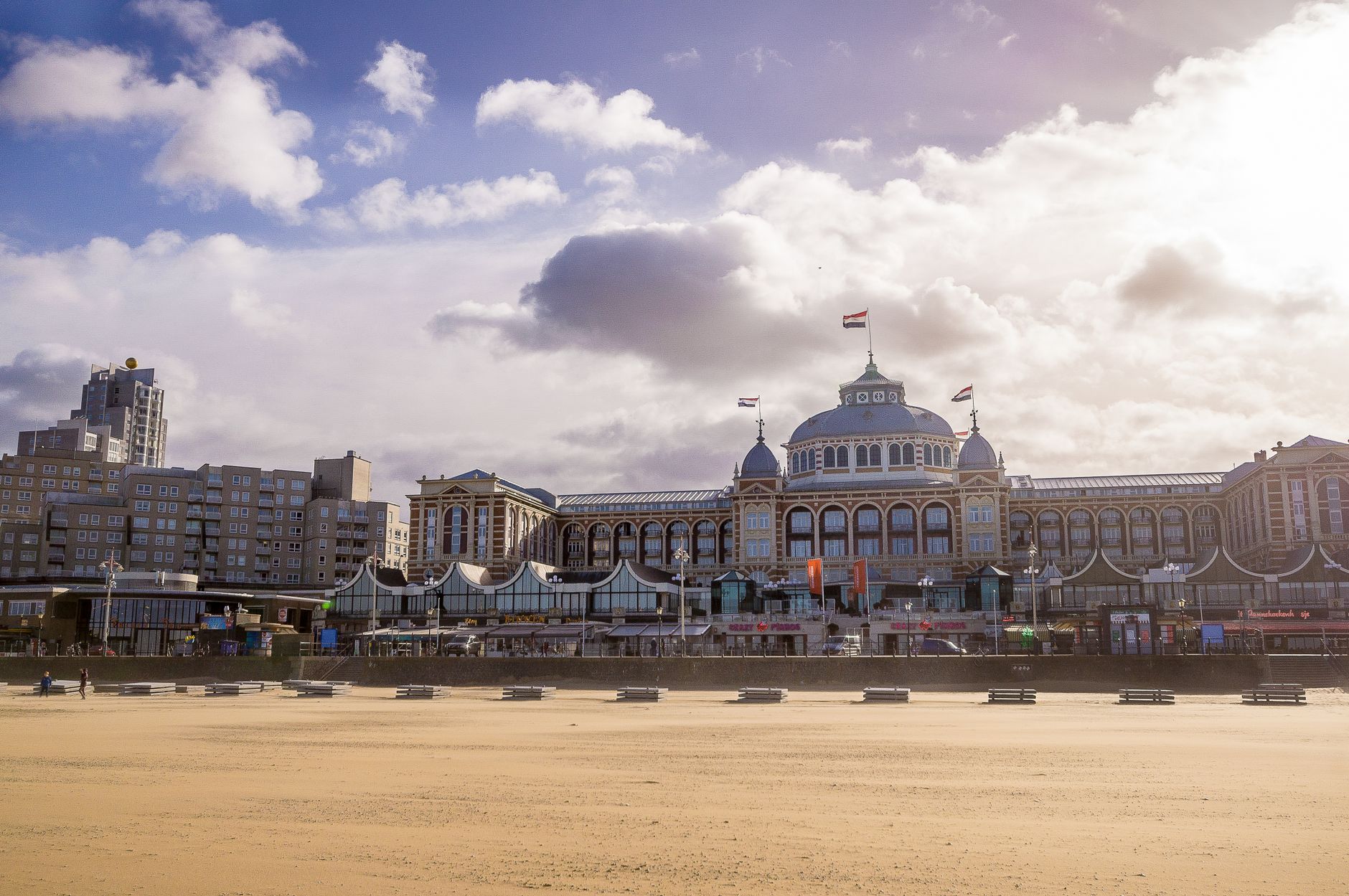
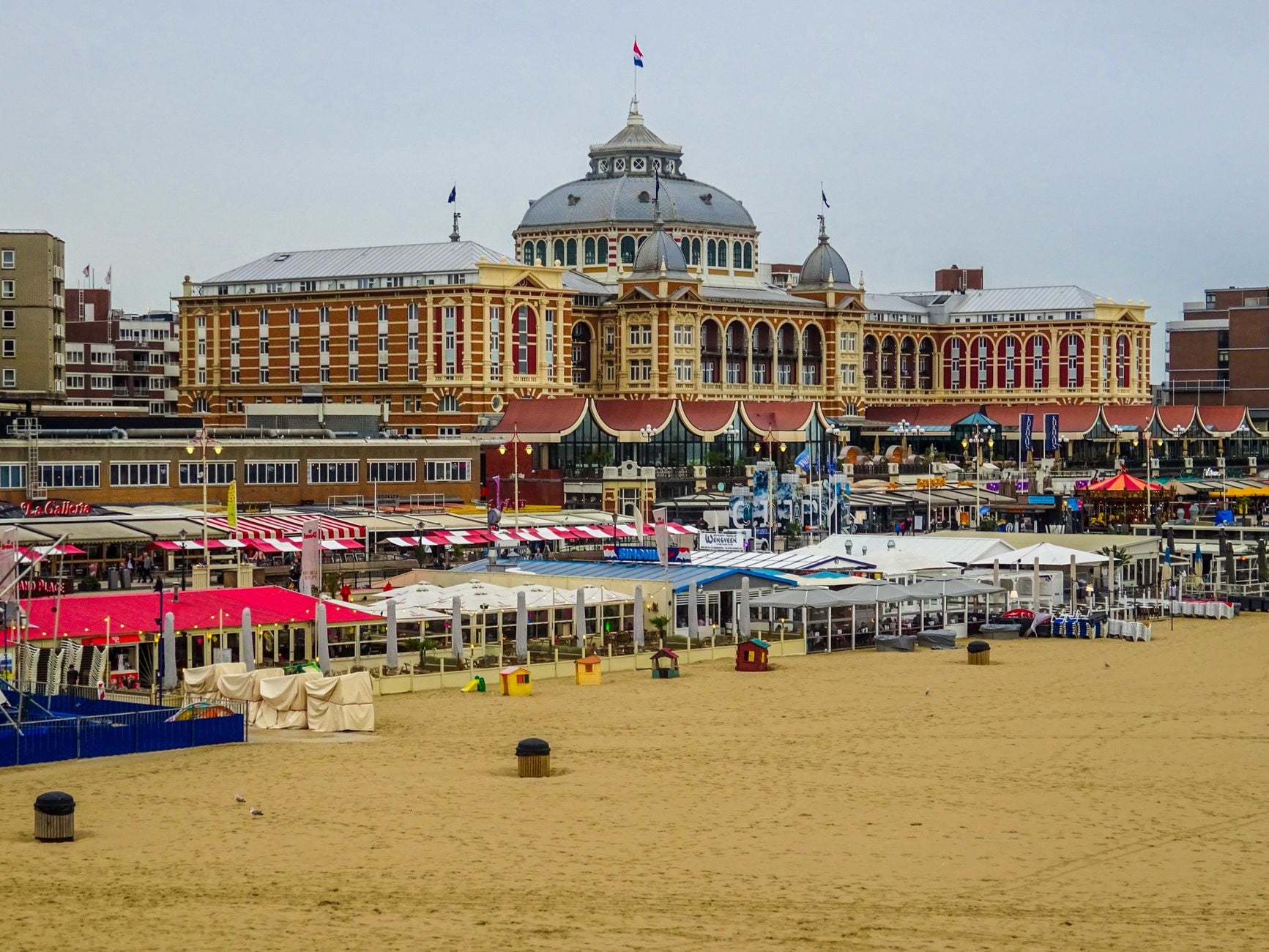
Scheveningen, the beach district a short tram ride northwest, is relaxed and open rather than specifically gay. Its northern Noorderstrand includes a signposted naturist stretch (roughly beach posts 96–98), and the dunes behind it are The Hague's long-tolerated outdoor cruising area.
Bars and Nightlife
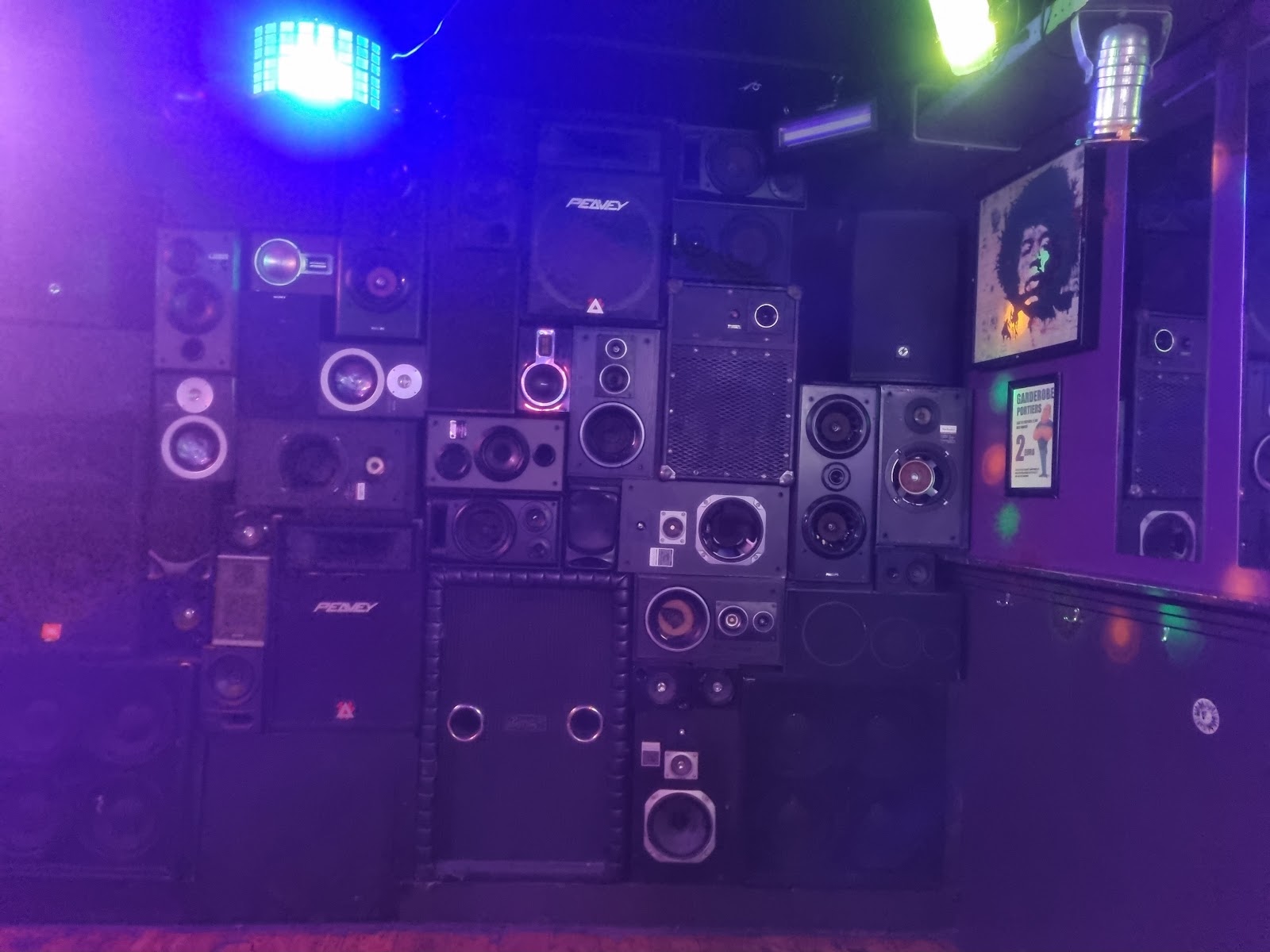
The Hague's gay scene is small but real — a cluster of dedicated cafés rather than big clubs. Café de Vink (Schoolstraat 28) is the city's oldest gay bar, cosy and sociable with dancing later on, and the natural anchor of a night out. Café 't Achterom (Achterom 22a) is a warm, hidden-street bar with regular themed nights, while Café De Landman (Denneweg 48) is a classic gay brown café that has served locals for more than thirty years. The COC Café (Scheveningseveer 7), run by COC Haaglanden, is a friendly community drop-in.
For a livelier, mixed crowd, Club PIP (in the BINK36 creative complex) hosts the recurring "Parish" queer night, and 27 Club near 't Achterom runs open-minded dance nights. The Boss (Rijswijkseweg 536) is the city's specialist gay and bi men's cruise bar, with a darkroom and late men-only sessions — a small venue with limited, changeable hours, so check ahead.
The Hague has no gay sauna of its own (the last, Sauna Fides, closed in 2021); the nearest bathhouses are in Rotterdam and Amsterdam, both a short train ride away.
Pride The Hague (Pride Den Haag) takes place in May — in 2026 from 8 to 16 May, under the theme "Proud to be United" — and effectively opens the Dutch Pride season. It builds to the Pride Walk on the closing Saturday, starting from the Koekamp beside Central Station, and fills the week with cultural events, debates and parties across the centre. It is smaller and more community-minded than Amsterdam's canal parade. Year-round, COC Haaglanden and local venues host film screenings, theatre and social nights.
Where to Stay
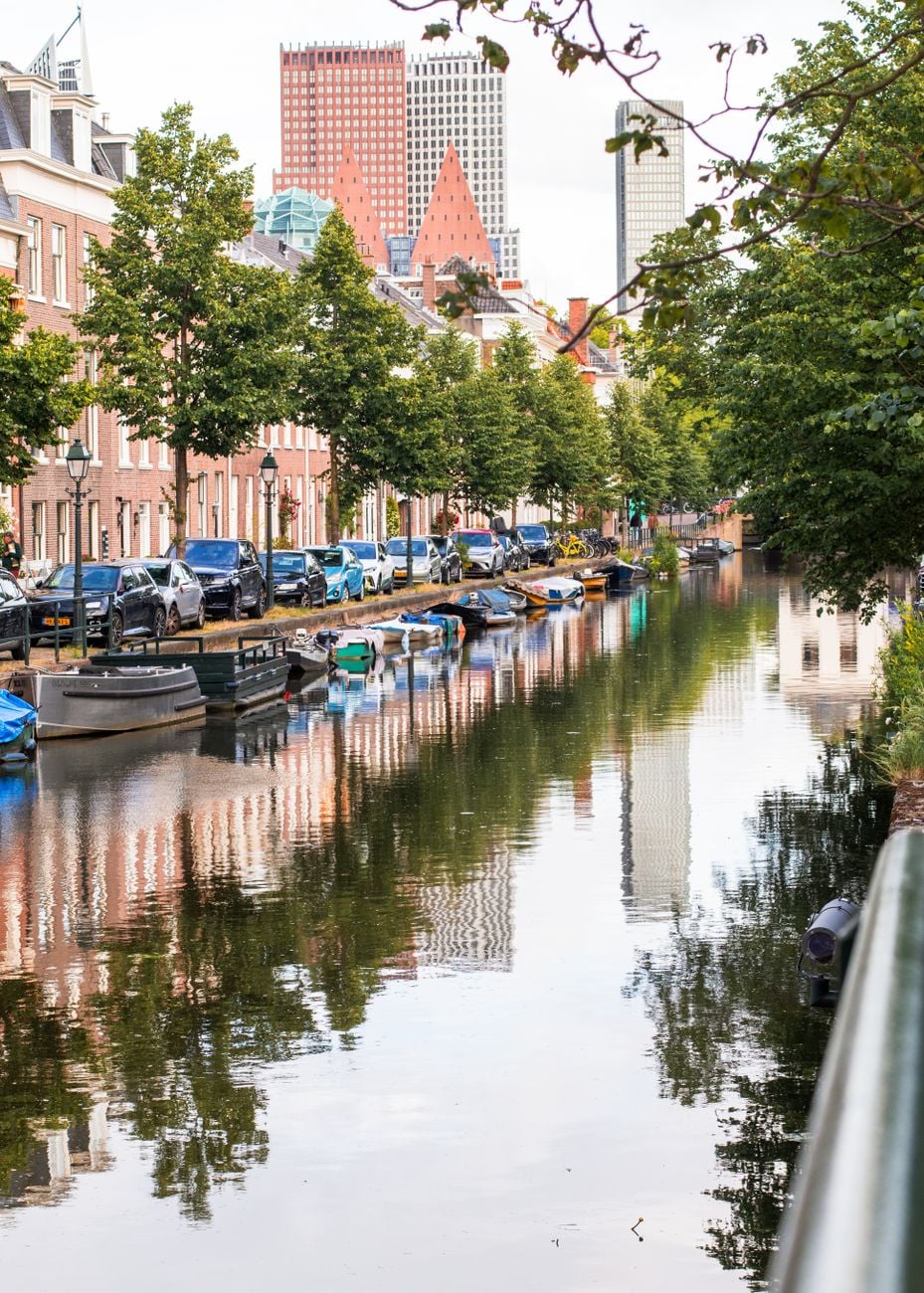
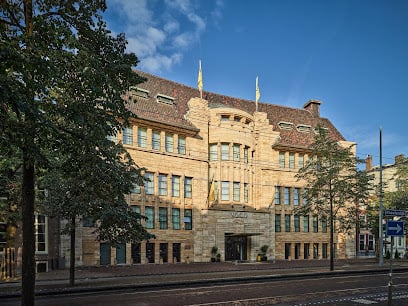
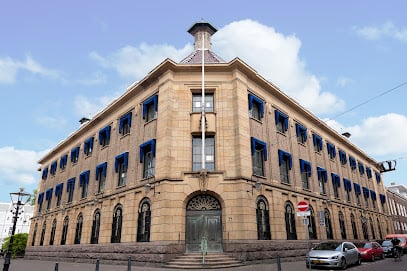
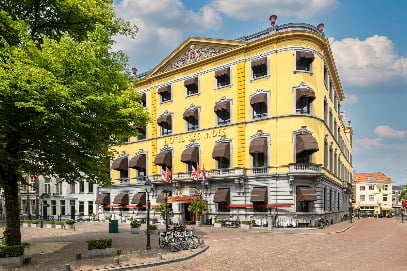
The city centre puts you within walking distance of the cafés, the Binnenhof and Hofvijver, and the main museums; several international and boutique hotels cluster around Noordeinde and the Centraal station. Scheveningen offers beachfront stays for a more resort-like base. The Hague is only about 50 minutes by train from Amsterdam and 20 from Rotterdam, so some travellers day-trip from either.
The Hague is flat, compact and famously bike-friendly, with rental services widely available. Trams and buses reach every district (single fares around €2–3, day passes available), and Den Haag Centraal and Hollands Spoor connect fast to Amsterdam (50 min), Rotterdam (20 min) and beyond. The centre is very walkable and safe at all hours.
Food and Dining
Dining runs from traditional Dutch snacks (herring, bitterballen, stroopwafels) to strong international and vegetarian options. The Centrum is full of terrace cafés, and Scheveningen adds beachfront seafood from casual fish stands to upscale restaurants. Dutch culture treats LGBTQ+ guests as unremarkable, so you will be comfortable essentially everywhere.
Culture and Attractions
Beyond the scene, The Hague offers the Mauritshuis (Vermeer's "Girl with a Pearl Earring"), the Binnenhof and parliament, the Peace Palace, and the beaches and dunes around Scheveningen and Kijkduin — good for walking, cycling and swimming.
Safety
The Netherlands is among the world's safest and most accepting countries for LGBTQ+ people. Legal protections are comprehensive and social acceptance is genuine; The Hague is safe day and night. As anywhere, use normal urban common sense, and take standard precautions if visiting the dune cruising area after dark. Incidents can be reported to the police or through COC Haaglanden.
Day Trips
Amsterdam (50 min) has the country's biggest gay scene; Rotterdam (20 min) adds modern architecture, nightlife and a gay sauna; Delft (15 min) is a picturesque canal town; Leiden and Utrecht are easy university-town excursions.
Practical Information
English is spoken almost universally. Currency is the euro. Time is Central European Time (UTC+1, with summer daylight saving). EU/EEA citizens need no visa; others should check requirements. Weather is mild and often wet — bring a waterproof layer. Spring (around Pride) and early autumn are the most pleasant times to visit.
Conclusion
The Hague gives LGBTQ+ travellers a safe, sophisticated and distinctly Dutch experience: a small but genuine café scene around 't Achterom and Schoolstraat, a meaningful monument at the Koekamp, a lively May Pride, and beach and dune escapes at Scheveningen — with Amsterdam and Rotterdam a quick train ride away when you want more.
Frequently asked questions
The Netherlands is among the safest and most accepting countries in the world for LGBTQ+ people, and The Hague — as the seat of government and international courts — reflects that fully. Same-sex marriage has been legal since 2001, discrimination is illegal, and the city is comfortable day and night. Use ordinary urban common sense; any incident can be reported to the police or via COC Haaglanden.
The scene centres on the compact Centrum, around the little street 't Achterom (off the Grote Marktstraat), nearby Schoolstraat and the Denneweg. Within a few minutes' walk you'll find Café de Vink, Café 't Achterom, Café De Landman and the COC Café. There is no large gay quarter — the venues are close together but modest in number.
It's considerably smaller than Amsterdam's, but it is real: a handful of dedicated gay cafés (Café de Vink, 't Achterom, De Landman), the COC Haaglanden community café, gay-friendly clubs with queer nights (Club PIP, 27 Club) and a men's cruise bar (The Boss). For a bigger night out, Amsterdam is about 50 minutes away by train and Rotterdam 20.
Pride The Hague (Pride Den Haag) is held in May — in 2026 from 8 to 16 May — and opens the Dutch Pride season. It culminates in the Pride Walk on the closing Saturday, starting from the Koekamp beside Den Haag Centraal, alongside a week of cultural events and parties in the city centre.
There is no single gay neighbourhood. The cafés cluster loosely around 't Achterom, Schoolstraat and the Denneweg in the Centrum, all walkable from one another. Near Central Station, the International Homomonument at the Koekamp (1993) is the community's landmark and the site of the annual remembrance.
Expect a few genuine gay cafés (Café de Vink — the oldest, with dancing; Café 't Achterom; Café De Landman), the COC Café run by COC Haaglanden, gay-friendly clubs that host queer nights (Club PIP, 27 Club) and The Boss, a gay/bi men's cruise bar. The Hague has no gay sauna of its own (nearest are in Rotterdam and Amsterdam); outdoor cruising happens in the Scheveningen dunes behind the Zwarte Pad.
Your privacy choices.
We use cookies to run GayOut and, with your consent, measure usage. Learn more
Your privacy choices
We use cookies to keep GayOut running, remember your preferences, and (with your permission) measure how the site is used. You can accept all, reject all, or pick what you allow. Learn more
Essential
Required for sign-in, fraud prevention, CSRF protection and remembering your language. Cannot be disabled.
Always on
Remembers your favourites, dark mode and other interface preferences across visits.
Helps us understand which pages people visit (Google Analytics, server-side stats) so we can improve.
Used by campaign tracking pixels. None are active right now, reserved for future use.
Install GayOut
Add GayOut to your home screen for faster access, offline favourites, and Pride alerts.







 Gay Bars & Clubs
Featured
(185)
Gay Bars & Clubs
Featured
(185)